Nana
In an era defined by economic volatility, supply chain disruptions, and the rapid escalation of hardware manufacturing costs, the landscape of home entertainment has shifted dramatically. For the modern consumer, the "sticker price" of a gaming console has become a deceptive metric. As we enter 2026, the industry is grappling with the lingering effects of global import tariffs and a severe, sustained surge in memory component pricing, pushing flagship hardware into luxury territory.
While the allure of cutting-edge graphical fidelity remains strong, the barrier to entry has never been higher. For the budget-conscious gamer, the decision-making process is no longer just about the hardware purchase; it is a complex calculation involving long-term ecosystem costs, the availability of used software, and the hidden premiums of all-digital storefronts.
The State of the Market: A Chronology of Rising Costs
The transition from the early 2020s to 2026 has been marked by a steady upward trajectory in MSRPs. To understand where we are, we must look at how quickly the "standard" has shifted:
- 2024: The PlayStation 5 Pro arrived with a controversial $700 price tag, signaling a departure from the traditional console pricing models that sought to subsidize hardware with software sales.
- 2025: Throughout the year, inflationary pressures and memory shortages caused by geopolitical instability forced manufacturers to raise prices on existing inventory. The PS5 Pro climbed to a staggering $900 MSRP, with third-party marketplaces seeing units trade for upwards of $1,400 due to supply scarcity.
- 2026: We now find ourselves in a market where even entry-level digital consoles from major players are priced between $500 and $600. The democratization of high-end gaming has stalled, replaced by a tiered system that heavily penalizes those who cannot afford the initial buy-in.
Main Facts: The Illusion of "Affordable" Hardware
When analyzing the "cheapest" path to gaming in 2026, it is imperative to distinguish between the initial capital expenditure and the Total Cost of Ownership (TCO).
The "Big Two" and the Digital Trap
The current offerings from Sony and Microsoft—specifically the PS5 Digital Edition and the Xbox Series S—present a double-edged sword. While these consoles are positioned as the entry-level gateway to the current generation, their reliance on proprietary, all-digital storefronts effectively locks the consumer into a closed economy.
Without the ability to purchase physical media—which has historically served as a critical secondary market for affordable gaming—players are entirely at the mercy of the manufacturer’s pricing algorithms. With blockbuster titles like Grand Theft Auto VI debuting at an $80 price point, the inability to trade, sell, or purchase pre-owned discs creates a "recurring tax" on the consumer. While subscription services like Game Pass and PlayStation Plus offer a buffer, the monthly overhead of $10 to $23 adds hundreds of dollars to the TCO over the life of the machine.
The Nintendo Exception
Nintendo occupies a unique space in the 2026 market. The newly released Nintendo Switch 2, priced at $500, remains a significant investment. However, its continued support for physical cartridges provides a critical advantage: the secondary market. By allowing users to trade games with friends or purchase used copies, Nintendo offers a hedge against inflation that its competitors have largely abandoned.
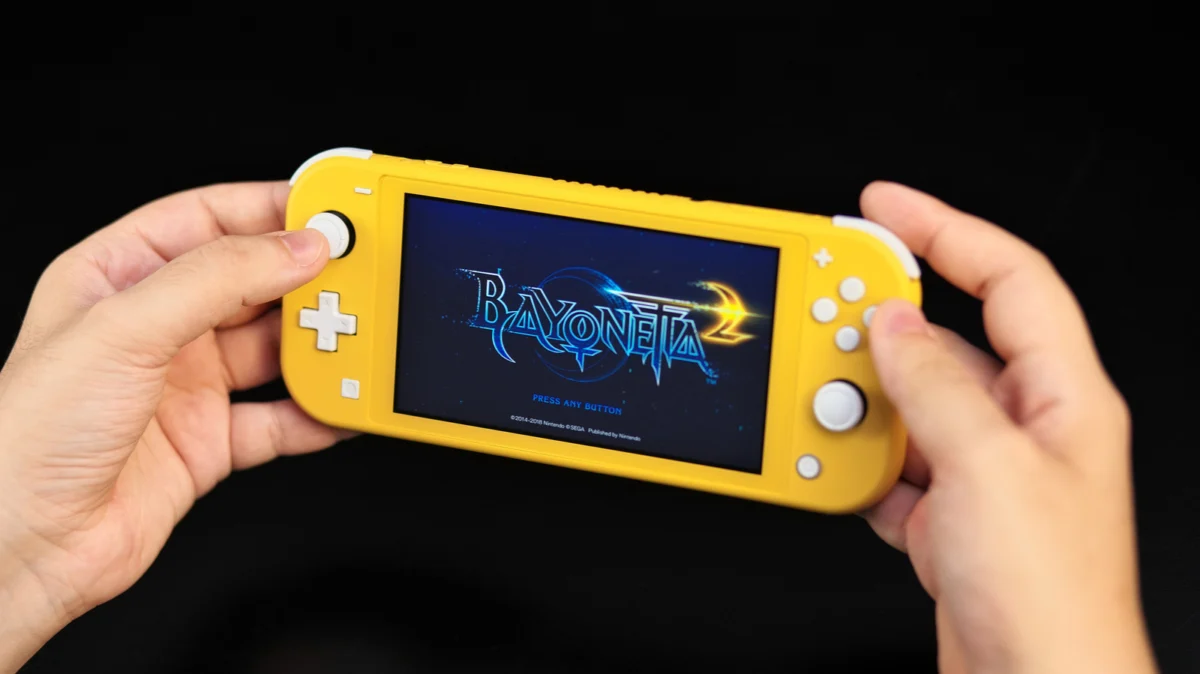
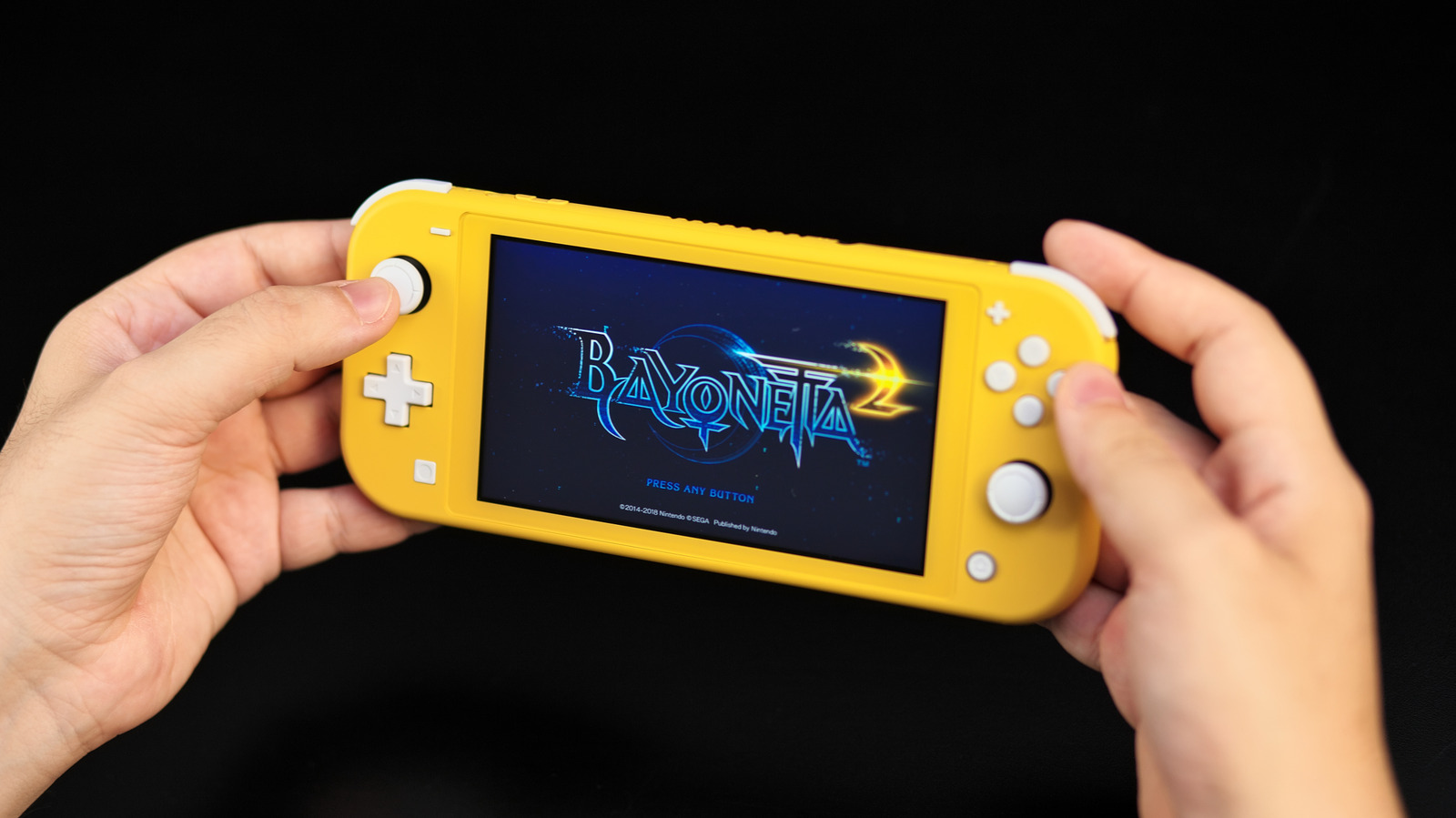
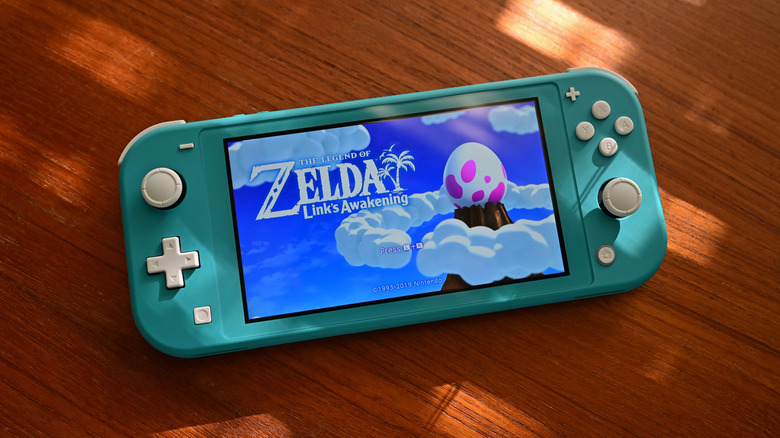
For the absolute lowest point of entry, the Nintendo Switch Lite remains the industry’s outlier at $230. Despite being a legacy device—lacking the technical muscle of the Switch 2 or the ability to dock to a television—it remains a formidable contender. Its library of timeless first-party titles and a massive catalog of third-party indie gems provide hundreds of hours of gameplay without requiring a four-figure investment.
Supporting Data: The Case for the Handheld PC
Perhaps the most disruptive force in the current console market is the rise of the handheld PC. Devices like the Valve Steam Deck OLED ($789) and the ASUS ROG Ally X ($1,000) are expensive to purchase, yet they offer a compelling argument for long-term value.
The Economics of the PC Ecosystem
Unlike consoles, which are walled gardens, the PC ecosystem is hyper-competitive. Storefronts such as Steam, GOG, and Epic Games Store operate in a constant state of price war. It is not uncommon to find high-quality, critically acclaimed titles discounted by 75% or more within months of their release.
Furthermore, the longevity of PC software is unmatched. A game purchased on Steam today will almost certainly be playable on whatever hardware you own in 2030, whereas console generations are increasingly characterized by planned obsolescence. When you factor in the thousands of "free-to-play" titles—from Genshin Impact to The Finals—that require no subscription to play online, the high initial cost of a handheld PC begins to look like a sound investment.
Beyond Gaming
It is also worth noting that these devices are, fundamentally, computers. The ability to utilize productivity software, manage files, and browse the web provides a utility that a locked-down console cannot match. For a student or professional who needs both a gaming machine and a lightweight computer, the value proposition of a handheld PC is significantly higher than that of a dedicated console.
Official Responses and Industry Trends
Representatives from major gaming hardware manufacturers have remained largely consistent in their messaging: the rise in costs is a reflection of the "unprecedented complexity" of modern silicon. In a recent press release regarding the PS5 Pro’s pricing adjustments, Sony cited the rising cost of GDDR6 memory and advanced custom processing units as the primary drivers of the $900 price point.
Similarly, industry analysts note that the "console war" has evolved from a competition of hardware power to a competition of ecosystem retention. By keeping software prices high and preventing physical media circulation, companies are attempting to secure the "Lifetime Value" (LTV) of their users. Critics argue that this strategy is alienating the casual consumer, effectively turning gaming into a hobby exclusively for the affluent.
Implications: The Future of Accessible Gaming
What does this mean for the average consumer in 2026? We are witnessing a bifurcation of the gaming market. On one side, there is the "Premium Experience"—a high-fidelity, subscription-heavy, all-digital future where consumers pay a premium for convenience and top-tier visuals. On the other, there is the "Value-Oriented Path," which relies on either legacy hardware like the Switch Lite or the versatile, highly competitive PC ecosystem.
The Hidden Costs to Consider
- Subscription Creep: The necessity of paying monthly fees for online access and game libraries can equal the price of a new console every three years.
- Used Market Disappearance: As physical media declines, the consumer’s ability to recoup costs by reselling games vanishes.
- Hardware Durability: With consoles becoming more complex and harder to repair, the cost of out-of-warranty repairs is effectively a hidden "maintenance fee."
Strategic Recommendations
For those looking to enter or stay in the hobby without breaking the bank, the strategy of 2026 must be deliberate. If your primary goal is access to the latest, most graphically demanding titles, the upfront cost is non-negotiable, but you should prioritize hardware that allows for physical media to minimize long-term software costs.
Conversely, if you value a vast, affordable, and permanent library, the handheld PC route is increasingly the most logical choice. While the initial "sticker shock" is higher, the ability to access deep-discounted software and free-to-play games ensures that your wallet won’t be emptied every time a new AAA title hits the market.
In summary, the cheapest console in 2026 isn’t the one with the lowest price tag; it’s the one that best aligns with your gaming habits and long-term financial health. The era of the "cheap console" is fading, replaced by an era where the consumer must be an active participant in managing the hidden economics of their entertainment.

 Azzam Bilal Chamdy
 Laily UPN