Rifan Muazin
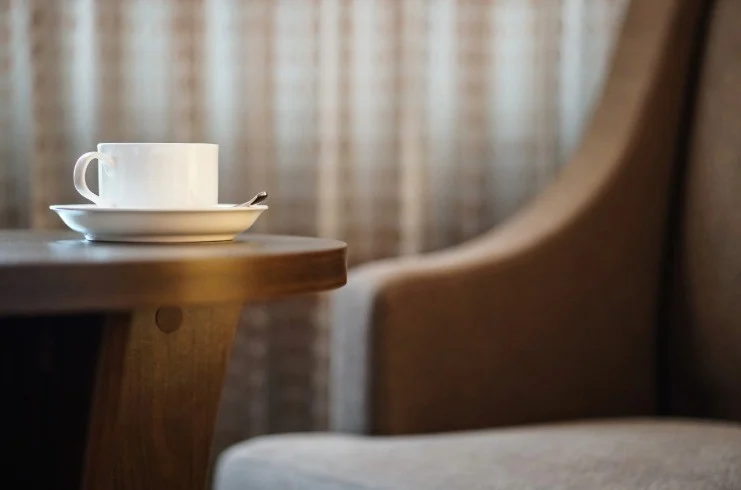
For decades, the hotel lobby coffee bar has functioned as the silent backbone of the guest experience. It is the morning anchor for the business traveler prepping for a boardroom presentation, the nervous tourist plotting a day of sightseeing, and the weary guest embarking on an early-morning flight. Yet, this reliable revenue stream is facing an existential challenge from an unlikely source: the fast-food drive-thru.
As quick-service restaurants (QSRs) aggressively pivot toward beverage-led models, the hospitality industry is being forced to confront a shift in consumer behavior. The modern guest no longer views a lobby coffee station as a convenient amenity; they view it as a point of comparison against the highly optimized, hyper-customized coffee programs they encounter on their daily commutes.
The Rise of the QSR Beverage Juggernaut
The landscape of the American coffee market is shifting beneath the feet of traditional hoteliers. According to the Project Café USA 2026 report from the Allegra World Coffee Portal, nearly half of U.S. coffee consumers (48.9 percent) sourced their caffeine from McDonald’s at least once in the past year—a higher adoption rate than any other non-specialist venue.
This is not a peripheral trend; it is a fundamental repositioning by industry giants. McDonald’s has launched "CosMc’s," a standalone concept dedicated entirely to customizable beverages and specialty coffee. Similarly, Taco Bell has introduced the "Live Más Café" format, focusing heavily on espresso and cold-brew offerings, while Wendy’s has expanded its repertoire to include sparkling energy drinks and cold coffee lineups.
These companies are not merely selling caffeine; they are capturing high-margin, high-frequency "occasions" that hotels have historically held as their own. Every transaction lost to a drive-thru is more than just a missed dollar in the lobby; it is a lost data point and a missed opportunity to foster the kind of human connection that defines the hospitality industry.
Chronology of the Beverage Disruption
To understand how we arrived at this inflection point, one must look at the evolution of the coffee consumer over the last decade:
- 2015–2018 (The Rise of Convenience): The specialty coffee movement focused on "third-wave" artisanal brewing. Hotels responded by upgrading from standard drip pots to basic lobby espresso machines, hoping to mimic the upscale cafe aesthetic.
- 2019–2022 (The Pandemic Pivot): During the pandemic, the convenience of the drive-thru became a safety and efficiency necessity. Consumers became accustomed to mobile ordering, contactless payments, and "bespoke" drink building.
- 2023–2025 (The Customization Era): Quick-service chains began integrating sophisticated technology to allow for granular customization—flavor shots, milk alternatives, temperature control, and caffeine boosts—all delivered with the speed of a fast-food operation.
- 2026–Present (The Hospitality Collision): The boundaries have blurred. Consumers now expect the speed of a QSR combined with the quality of a high-end hotel, leaving properties that rely on outdated, static, or manual coffee programs behind.
Supporting Data: The Customization Mandate
The data indicates that the "one size fits all" model is officially obsolete. Allegra’s Project Café USA 2026 report reveals that 71 percent of U.S. coffee consumers cite customization as a key component of their ideal coffee experience. Perhaps more tellingly, 28 percent label it as "highly important."
The willingness to pay is equally revealing. Nearly one-third of consumers (29 percent) are willing to pay an additional dollar for a simple add-on, such as an extra espresso shot. When a hotel lobby offers a limited, non-customizable menu, it is essentially leaving money on the table. Guests are no longer satisfied with "coffee"; they want their coffee.
When a property fails to meet these expectations, the guest perceives it as a decline in overall brand quality. If a hotel cannot get the first interaction of the day right, the guest subconsciously begins to lower their expectations for the rest of the stay.
Consistency: The Silent Battleground
While menu innovation captures headlines, operational consistency is the true competitive edge. A common complaint among travelers is the "lottery" of the lobby café: a guest orders a cappuccino on Tuesday, and it is excellent; they order the same drink on Friday, and it is lackluster, depending entirely on which staff member is operating the machine.

Research shows that 68 percent of consumers view the skill of the barista as a primary factor in beverage quality—a figure that has climbed six percentage points in just one year. Inconsistency is the primary driver of customer churn in the food and beverage sector.
The Technological Solution
For hotel operators, the solution lies in the equipment. Modern, high-end automated espresso machines are bridging the gap between quality and speed. These systems often feature:
- Multi-Hopper Technology: Allowing for multiple bean varieties to be housed in a single machine, moving from a standard espresso to a flavored or decaf pour with the touch of a button.
- Programmable Precision: Ensuring that every shot is pulled at the exact temperature, pressure, and volume required, regardless of whether a general manager or a new hire is pushing the button.
- Self-Cleaning Cycles: Automating the maintenance process to ensure that the equipment remains hygienic and functional throughout the entire shift.
By offloading the technical "grind" to sophisticated machinery, hotels free up their staff to do what they do best: provide service. A barista who isn’t struggling to calibrate a manual steam wand is a barista who can look a guest in the eye, learn their name, and provide the personalized service that a fast-food drive-thru can never replicate.
Implications for Future F&B Strategy
Hotels should not attempt to enter a "menu war" with fast-food chains. Matching the seasonal flavor syrups of a global QSR franchise is a losing game; the chains have more data, more marketing spend, and more outlets. Instead, the hotel industry must lean into its inherent competitive advantage: the guest relationship.
1. Shift the Focus from "Product" to "Experience"
The goal should be to provide a "premium outcome" rather than just a "premium product." The hotel’s value proposition is the ability to offer a serene, welcoming environment where the coffee is merely the catalyst for a better morning.
2. Invest in Automation as a Labor Multiplier
By investing in high-end, automated brewing systems, hotels reduce the training burden on staff. This lowers turnover-related quality drops and ensures a consistent standard of excellence that guests can rely on, whether they are visiting a property in New York or a boutique hotel in rural Maine.
3. Reclaim the Lobby "Third Place"
The lobby has historically been the "third place" between work and home. As QSRs attempt to move into this space, hotels must double down on the atmosphere. High-quality, automated coffee is the foundation; the "hospitality" is the architecture, the furniture, the quiet, and the personalized service that a drive-thru lane simply cannot offer.
Conclusion: Defending the Guest Occasion
The blurring of lines between quick-service and hospitality is not merely a trend—it is a permanent shift in the landscape of guest expectations. Hotels that treat coffee as an afterthought risk alienating a generation of travelers who are accustomed to high-speed, high-quality, and highly personalized service.
However, for those properties willing to invest in the right equipment and shift their staff’s focus toward genuine interaction, there is a significant opportunity to reclaim the morning. By ensuring that the first cup of the day is consistently excellent, hotels can ensure that their guests start their day on the property, rather than in the drive-thru lane down the street. The battle for the morning is on, and the victory will go to those who can master the balance of technology and human connection.

 Evan Lee Salim
 Dwi Wanna