
 Neng Nana
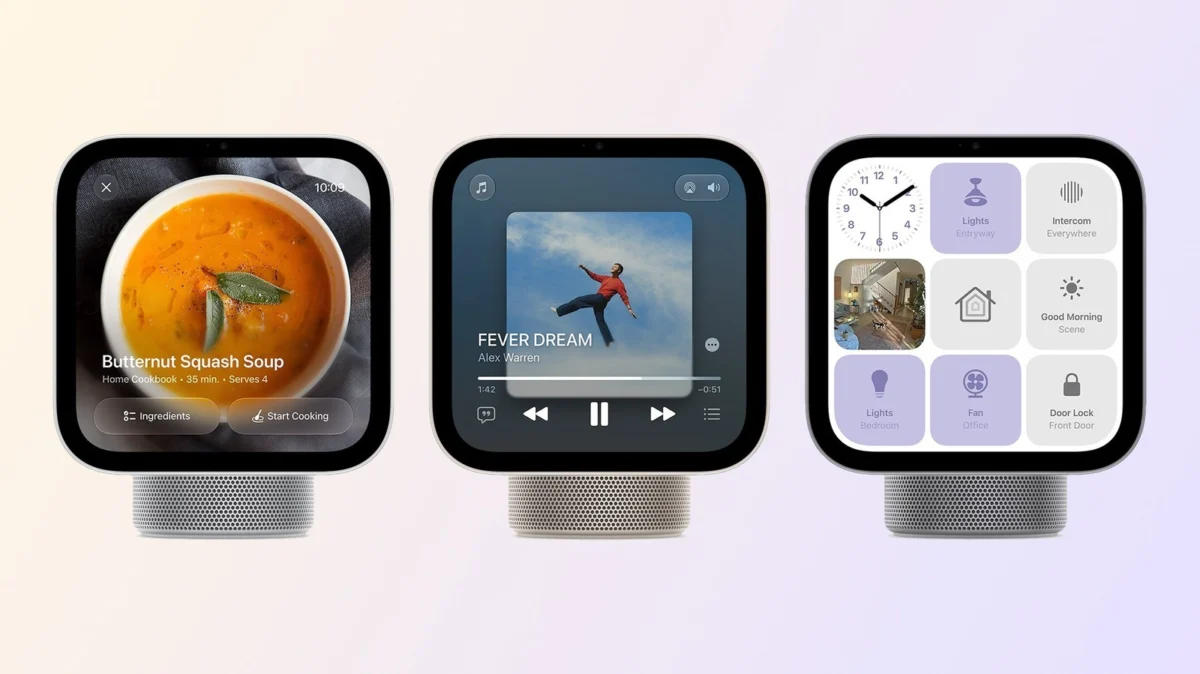
Apple has officially unveiled the HomeView, a long-rumored multimedia command center designed to serve as the nerve center for the modern smart home. While the device bears a striking visual resemblance to an iPad and runs on a specialized, iOS-derived operating system, it marks a radical departure from Apple’s traditional hardware philosophy. Most notably, the HomeView ships without a dedicated App Store, forcing a rethink of how users interact with third-party software in the living room.
Instead of a standalone ecosystem, Apple is utilizing a clever, if unexpected, bridge: CarPlay. By leveraging the existing architecture of CarPlay-compatible applications, the HomeView can access a library of audio and video content directly from a user’s iPhone. This strategic decision highlights Apple’s growing intent to unify its device ecosystem, treating the home environment with the same "tethered" logic as the modern automobile.
The Core Facts: A New Kind of Smart Hub
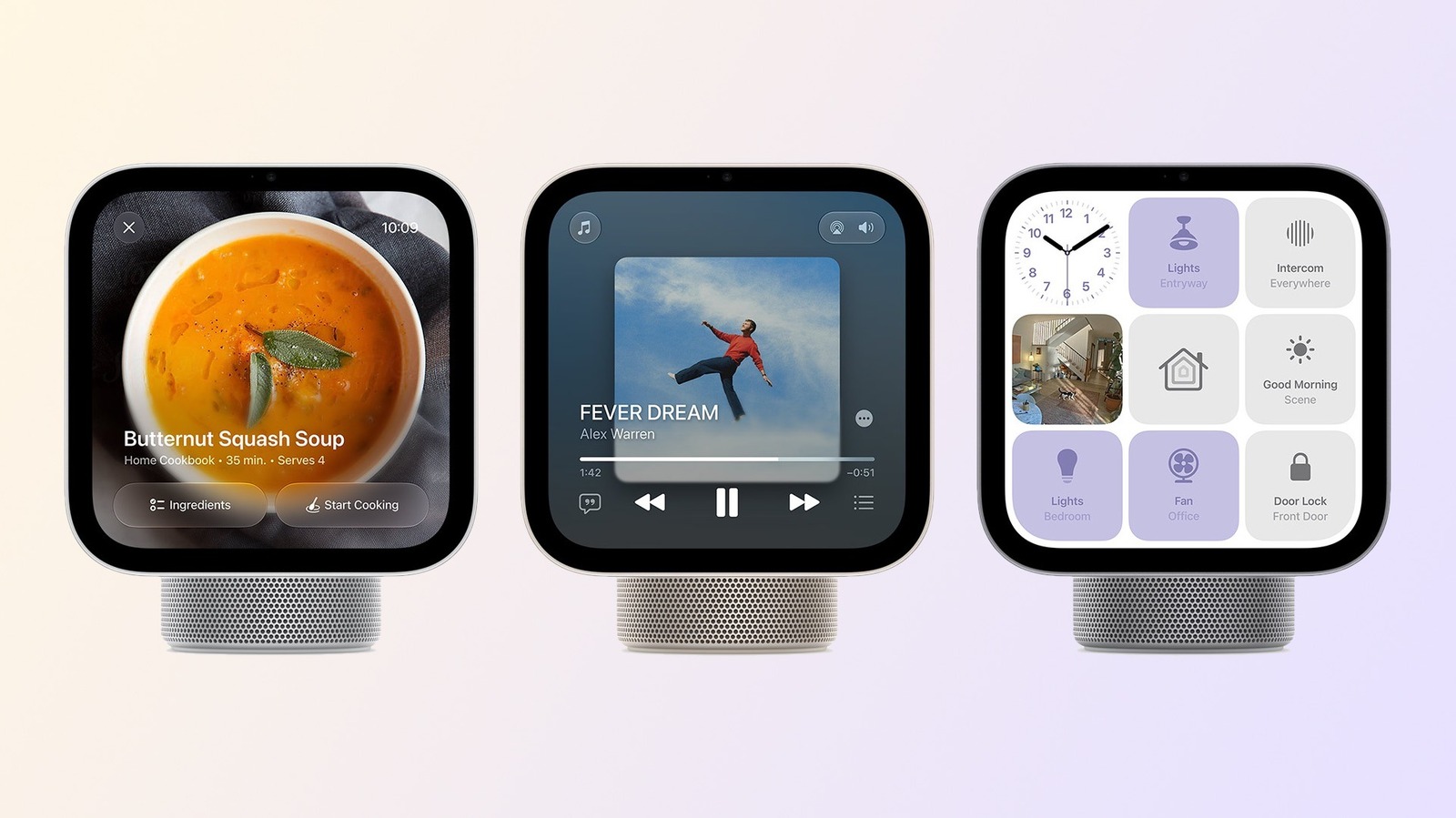
The HomeView is designed primarily as a multimedia and smart home control interface. Unlike a traditional tablet, it is not intended to be a portable, general-purpose computer. It is a stationary hub that integrates deeply with Apple’s HomeKit ecosystem, allowing users to manage lighting, security cameras, thermostats, and other IoT devices via a sleek, touch-responsive display.
However, the absence of an App Store has created a significant point of friction for power users. When Apple first teased the device, many expected a miniaturized version of iPadOS. Instead, Apple has opted for a "mirrored" experience. When an iPhone is in proximity to the HomeView, the device detects compatible apps installed on the phone and surfaces them through a specialized interface. This process is offloaded to the iPhone, meaning the HomeView acts essentially as a high-fidelity peripheral rather than a processing powerhouse.
Chronology: The Evolution Toward HomeView
The journey to HomeView began long before the recent announcement, rooted in Apple’s multi-year effort to dominate the "ambient computing" space.
- 2014–2016: Apple introduces HomeKit and the original HomePod, setting the stage for a centralized home control system.
- 2019–2021: As competitors like Amazon (Echo Show) and Google (Nest Hub) gained market share in the smart display segment, rumors intensified regarding an Apple "wall-mounted" device.
- 2023: iOS 27 introduces advanced video streaming protocols for CarPlay, laying the technical foundation for the software architecture eventually used in HomeView.
- Early 2025: Apple officially confirms the HomeView, emphasizing its role as a "Siri-first" AI-integrated hub.
- Current Day: The device launches with a limited suite of pre-installed Apple services, with third-party support relying exclusively on the CarPlay ecosystem.
Supporting Data and Technical Architecture
The technical limitations of the HomeView are deliberate. By avoiding a standalone App Store, Apple maintains strict control over the interface, ensuring that the HomeView does not become a cluttered "junk drawer" of mobile apps.
How CarPlay Integration Functions
CarPlay is designed for "glanceable" information—interfaces that are simple, high-contrast, and distraction-free. By porting this philosophy to the home, Apple ensures that HomeView remains a focused utility.
- Processing: All application logic and data processing occur on the paired iPhone. The HomeView handles display output and touch input, streaming the interface via a low-latency connection.
- Compatibility: Currently, support is limited to audio and video categories. Users can access Spotify, Deezer, and Apple Music, but communication apps like WhatsApp or Slack remain unsupported.
- Pre-installed Suite: Out of the box, the device features a robust set of native applications, including Safari, Apple Podcasts, Messages, Reminders, and Calendar.
One of the most impressive features is the integration of facial recognition. The HomeView can identify who is standing in front of it and adjust the UI accordingly—showing the calendar for one user while displaying the security feed for another.
Official Stances and Developer Reception
Apple’s official documentation remains somewhat guarded. On the product landing page, the company describes the device as supporting "compatible third-party audio and video apps from your iPhone." This vague language intentionally steers developers toward the CarPlay SDK (Software Development Kit).
For the developer community, this presents a mixed bag. Those who have already invested in CarPlay integration will find their apps compatible with HomeView with virtually no extra work. For developers of video streaming apps, the situation is more complex. While iOS 27 theoretically allows for video playback in CarPlay, the major streaming titans—Netflix, Disney+, and YouTube—have largely ignored this functionality, preferring their own native iPadOS or tvOS apps. Without these major players, the HomeView’s video capabilities remain limited to web-based playback via the Safari browser, which lacks the polish of a dedicated app.
Implications: The Future of the "App"
The decision to eschew an App Store has profound implications for the future of Apple’s software ecosystem.
1. The Death of the "Dedicated App"
We are moving toward an era of "contextual software." Instead of buying an app for a phone, a tablet, a watch, and a smart display, developers are being pushed to create a single "core" experience that mirrors across devices based on the user’s immediate environment. HomeView is the ultimate test case for this philosophy.
2. The Developer Barrier
Apple’s policies for CarPlay are significantly more restrictive than the standard iOS App Store. Developers must adhere to strict interface guidelines that limit screen complexity. Some developers may find these constraints too high a hurdle to justify the development costs, especially if they believe the HomeView will not achieve the mass-market saturation of the iPad.
3. User Experience vs. Freedom
For the average consumer, the HomeView offers a "it just works" experience. There is no need to log in, download apps, or manage updates on the device itself. However, for enthusiasts who enjoy customizing their home interfaces, the lack of a native App Store is a major regression. The reliance on the iPhone as a "brain" also means the HomeView is effectively "dumb" when the user leaves the house or forgets their phone in another room.
Conclusion: A Platform in Transition
The HomeView is not just another gadget; it is a manifestation of Apple’s long-term strategy to ensure that its hardware ecosystem is inescapable. By bridging the car and the home through a single, shared app architecture, Apple is betting that simplicity will win over the feature-rich complexity of its competitors.
Whether this "CarPlay-for-the-home" model will entice developers to bring their high-quality video experiences to the platform remains the critical question. If Netflix or YouTube decide that the HomeView is worth the effort to develop a specialized interface, the device could become the definitive smart home controller. If they stay away, the HomeView risks being relegated to a glorified digital photo frame and calendar, tethered to an iPhone that does all the heavy lifting.
For now, the HomeView stands as a fascinating, restrictive, and potentially transformative piece of hardware that challenges our assumptions about what a "smart" device should be. It represents a pivot away from the device-centric model of the last decade toward a service-centric model, where the screen is merely a window, and the iPhone is the only thing that truly matters.


 Azzam Bilal Chamdy

 Laily UPN




