
 Nana Muazin
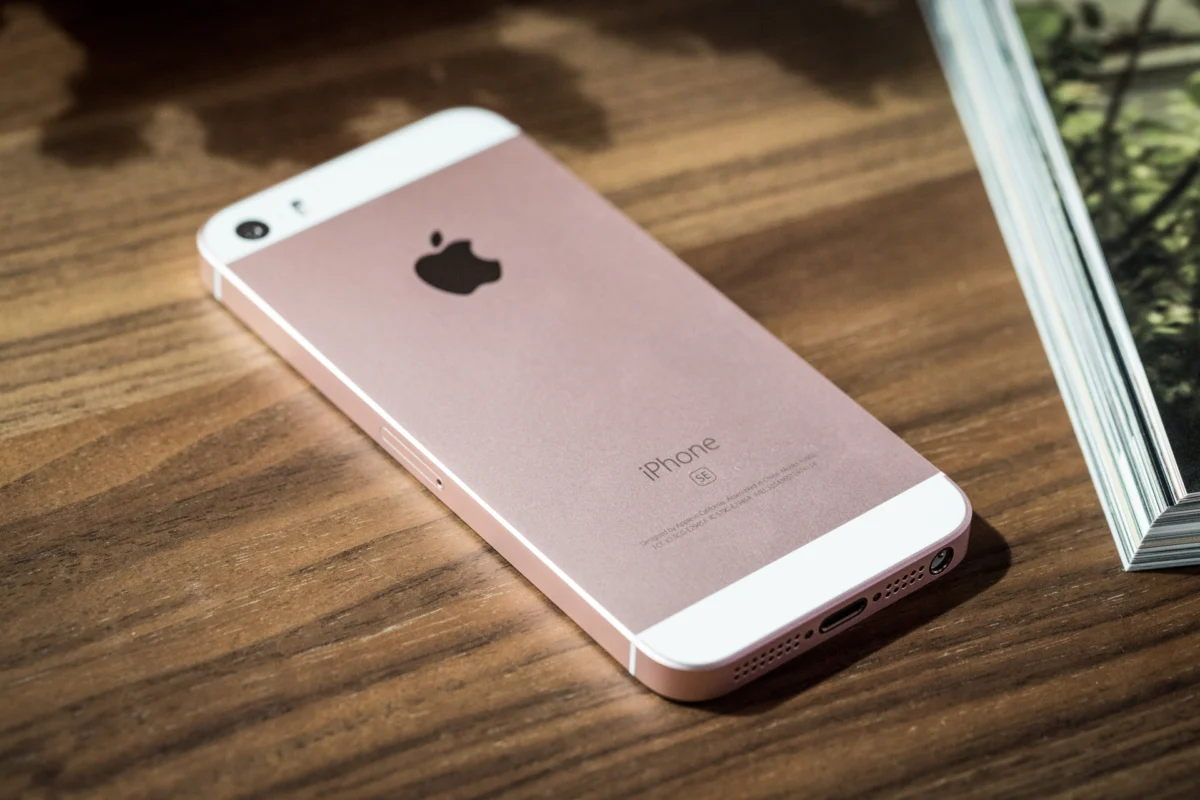
Since Steve Jobs took the stage in 2007 to unveil a device that was simultaneously an "iPod, a phone, and an internet communicator," the Apple iPhone has undergone a metamorphosis unlike any other consumer product in history. From a niche, restricted AT&T-exclusive handset to the backbone of a global mobile ecosystem, the iPhone has consistently dictated the trajectory of the technology industry.

With over 3 billion units sold in its lifetime and nearly a quarter of a billion devices moving in 2024 alone, the iPhone remains the most significant hardware product of the 21st century. This report examines the chronological progression, the technical milestones, and the strategic shifts that have kept Apple at the apex of the smartphone market for nearly 20 years.

The Genesis: From 2007 to the Retina Revolution
The original 2007 iPhone was a proof-of-concept that fundamentally altered the mobile landscape. It lacked 3G connectivity, third-party apps, and even basic features like copy-paste. Yet, its capacitive touchscreen and gesture-based interface rendered the then-dominant physical QWERTY keyboards obsolete almost overnight.

By 2008, the iPhone 3G corrected the fundamental connectivity deficit, but more importantly, it introduced the App Store. This shift transformed the phone from a static tool into a dynamic platform, spawning the "there’s an app for that" cultural phenomenon.

The iPhone 4 (2010) marked the first major hardware redesign. Moving away from the rounded plastic chassis, the device introduced the "Retina" display—a high-density screen that made individual pixels invisible to the naked eye. This era also introduced the front-facing camera, pioneering the selfie culture, and the "Antennagate" controversy, which forced Apple to refine its industrial design process regarding internal antenna placement.

Scaling Up: The Era of Pro Features and Biometrics
As Apple matured, it began segmenting its audience. The iPhone 5S introduced Touch ID, the first mainstream biometric security feature, while the iPhone 6 and 6 Plus responded to consumer demand for larger displays. This period was not without its challenges; the "Bendgate" scandal involving the thinner aluminum frames of the 6-series served as a critical lesson in structural engineering for the company.

The iPhone 7 series marked a controversial milestone: the removal of the 3.5mm headphone jack. While initially met with skepticism, the move accelerated the adoption of wireless audio, epitomized by the launch of the AirPods. By the time the iPhone X arrived in 2017 to celebrate the device’s tenth anniversary, Apple had effectively signaled the end of the Home button era. Face ID became the new gold standard for biometric security, powered by complex depth-sensing sensors tucked into the now-iconic "notch."

Modern Milestones: 5G, Titanium, and USB-C
The iPhone 12 series (2020) brought 5G connectivity to the masses, ensuring that the device remained future-proof as global network infrastructure transitioned away from 3G. This generation also introduced MagSafe, a magnetic ecosystem that simplified wireless charging and enabled a new category of modular accessories.

The iPhone 15 series (2023) arguably brought the most significant change in a decade: the transition from the proprietary Lightning port to the universal USB-C standard. This change was largely driven by regulatory pressure but had the effect of aligning Apple’s hardware with the broader tech ecosystem. Furthermore, the shift to titanium frames for the Pro models reduced weight while increasing durability, a design choice quickly mirrored by competitors in the Android space.

The Current Landscape: 2025–2026
The release of the iPhone 16 series and the innovative iPhone 16e signaled a shift in strategy. By introducing the "e" variant, Apple successfully penetrated the mid-range market, offering Apple Intelligence support at a more accessible price point.

The year 2026 brought the iPhone 18 Pro and the groundbreaking iPhone Duo. The Duo, Apple’s first foldable device, represents a departure from the "slab" design that has defined the company for 19 years. With a 7.6-inch inner display and a titanium-hinged book-style design, the Duo is aimed at professionals who require increased screen real estate without sacrificing the power of the A20 Pro chip.

Chronology of Major Releases
| Model | Release Date | Key Innovation |
|---|---|---|
| Original iPhone | June 2007 | Multitouch interface |
| iPhone 3G | July 2008 | App Store / 3G |
| iPhone 4 | June 2010 | Retina Display |
| iPhone 5S | Sept 2013 | Touch ID |
| iPhone 7 | Sept 2016 | Water resistance / Portrait Mode |
| iPhone X | Nov 2017 | Face ID / OLED Screen |
| iPhone 12 | Oct 2020 | 5G / MagSafe |
| iPhone 15 | Sept 2023 | USB-C / Titanium Frame |
| iPhone 18 Pro | Sept 2026 | 2nm A20 Pro Chip |
| iPhone Duo | Sept 2026 | First Foldable Form Factor |
Supporting Data: Sales and Market Impact
The sheer volume of iPhone adoption is the engine behind Apple’s status as one of the world’s most valuable companies. In 2024, the company recorded nearly 250 million units sold in a single calendar year. Data indicates that the "Pro" and "Max" segments have seen increasing share of total sales, suggesting that consumers are increasingly willing to pay a premium for high-end camera systems and sustained processing power.

The introduction of the iPhone 17 and 17 Pro saw Apple maintain pricing parity with the 16-series, a strategic move intended to maintain market share during inflationary periods. The shift to double the base storage to 256GB on the entry-level iPhone 17 was a direct response to consumer complaints regarding file sizes for high-resolution video and AI-processed assets.

Official Responses and Strategic Pivot
Apple’s communication regarding its recent changes—particularly the move to USB-C and the introduction of the foldable Duo—reflects a company balancing its "walled garden" philosophy with market realities. Regarding the iPhone Duo, Apple executives have emphasized that the device is not merely a gadget, but a "new category of productivity."

The decision to split launch windows—releasing base models in the spring and Pro/foldable models in the fall—indicates a major strategic pivot. By segmenting the launch calendar, Apple is attempting to mitigate supply chain bottlenecks while keeping its marketing team focused on distinct consumer demographics throughout the year.

Implications for the Future
The implications of the current product roadmap are profound. The transition to a two-window release schedule suggests that Apple is moving away from the "one-size-fits-all" keynote event that characterized the Steve Jobs era. Instead, the company is treating the iPhone as a multi-tier platform rather than a singular product line.

Looking toward the 20th anniversary of the iPhone in 2027, all eyes are on the potential for an "all-screen" design. Industry analysts speculate that under-display sensors will finally eliminate the notch and the Dynamic Island, moving toward a truly seamless glass front.

Furthermore, the integration of Apple Intelligence across the entire lineup—from the budget-friendly 17e to the premium 18 Pro—confirms that the next battleground for smartphone dominance is not just hardware, but on-device AI capabilities. As Apple continues to refine its silicon (with the 2-nanometer A20 Pro setting the current pace), the company remains in a position of strength, provided it can continue to justify its premium pricing in an increasingly saturated global market.

The evolution from a simple "internet communicator" to a foldable, AI-driven powerhouse is a testament to Apple’s ability to iterate, pivot, and ultimately define the standards of the modern world. Whether the iPhone Duo or the upcoming iPhone 19 series will sustain this momentum remains to be seen, but the history of the device suggests that Apple will continue to reshape our relationship with technology for years to come.


 Azzam Bilal Chamdy

 Laily UPN




