
 Lina Irawan
Adapted from “If the Front Desk Is Optional, Why Are So Many Hotels Still Keeping Guests Waiting?” originally published by Hospitality Net.
For decades, the standard for luxury and professional service in the hospitality industry has been anchored to a singular, physical point: the front desk. For hoteliers, the image of a well-staffed, bustling lobby was synonymous with success. However, in an era defined by instant gratification and mobile-first convenience, this rigid architectural and operational model is increasingly being viewed as a bottleneck.
Many hoteliers fear that transitioning to self-service technology—such as mobile check-in and automated kiosks—will strip their properties of the "warmth" that defines the industry. They envision sterile terminals and empty lobbies. Yet, current data and industry trends suggest that this image is not only outdated but fundamentally flawed. Embracing digital integration is not about removing the human element; it is about liberating it.
The Evolution of the Guest Journey: A Chronology of Change
The traditional hotel arrival experience has remained largely unchanged for a century. A guest arrives, approaches a desk, provides identification, waits for administrative tasks to conclude, and receives a physical key. This process is inherently transactional.
In the early 2010s, the rise of the "sharing economy" and the widespread adoption of smartphones shifted consumer expectations. As guests grew accustomed to bypassing traditional service providers—like hailing a ride via an app rather than calling a dispatcher—the friction of the hotel check-in process became more apparent.
By 2020, the pandemic acted as a global accelerant, forcing properties to adopt contactless technology out of necessity. Initially viewed as a temporary safety measure, these technologies revealed a latent consumer preference for autonomy. Today, the conversation has moved beyond "contactless" and into "frictionless." Hotels are now in a transition phase where they are integrating Cloud-based Property Management Systems (PMS) to bridge the gap between digital efficiency and traditional hospitality.
Dispelling the Myths of Modernization
Despite the clear benefits of digital transformation, five persistent myths continue to hinder widespread adoption across the hospitality sector.
Myth 1: Self-Service Means Nobody Is Around to Help
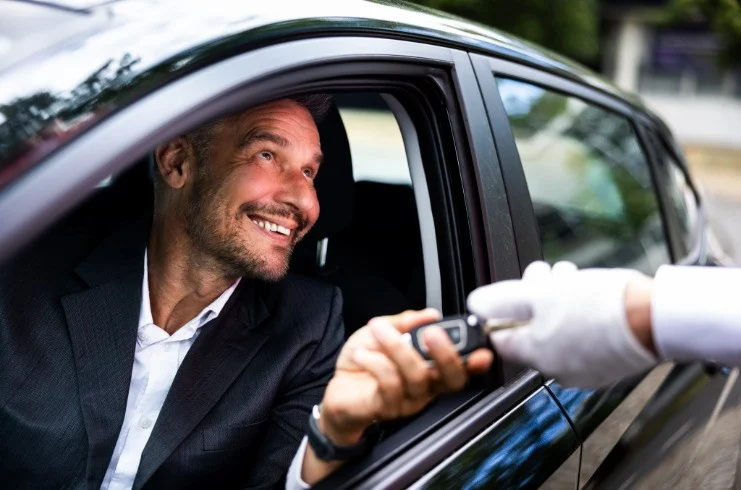
The fear that technology replaces staff is a misconception rooted in a misunderstanding of how modern systems function. In reality, cloud-based PMS platforms allow staff to become mobile. With tablet-integrated systems, a concierge or front desk agent is no longer tethered to a fixed station. They can greet guests in the driveway, assist with luggage, or provide directions while simultaneously managing check-in tasks. The front desk remains, but it is no longer the only place where service occurs.
Myth 2: Guests Who Want Digital Check-in Reject Human Interaction
Data from the 2025 State of Hotel Guest Technology report by HotelTechReport clarifies this sentiment. Nearly 50% of surveyed guests expressed a preference for mobile check-in. This does not imply a desire for isolation; it implies a desire for agency. A business traveler arriving after a red-eye flight typically prioritizes speed, while a family on vacation may value local recommendations. Technology allows guests to self-select their experience: skip the line when speed is the priority, and engage with staff when assistance is required.
Myth 3: A Digital Key Eliminates Human Connection
The "transactional trap" is the primary cause of poor guest sentiment. When a front desk agent is forced to process paperwork, answer phone calls, and resolve maintenance issues simultaneously, they are not delivering hospitality—they are performing data entry. By moving the administrative burden to a mobile device, the first human interaction between a guest and a staff member becomes an opportunity for connection, not a moment of conflict over a lost reservation or a long queue.
Myth 4: Automation is a Strategy to Cut Staff
Critics often argue that self-service is a cost-cutting measure aimed at downsizing. However, the most successful properties use these tools to augment the human experience. When mundane tasks are automated, staff bandwidth increases. Properties that have implemented kiosk-based check-ins report up to a 20-point increase in overall guest satisfaction scores. This improvement stems from staff having the time to address complex needs—like personalizing a stay or solving a specific room issue—rather than being buried in check-in queues.
Myth 5: Automation Feels Robotic
Technology only feels "robotic" when it is poorly integrated. A seamless experience relies on data continuity. If a guest selects a room preference or provides arrival details during booking, that data must be accessible across every touchpoint, from the kiosk to the housekeeping team. When the "technology stack"—payments, key management, messaging, and reservation systems—operates in silos, the guest feels the friction. When these systems communicate effectively, the technology becomes invisible, and the service feels intuitive.
Supporting Data: The Impact of Technology on Satisfaction
The financial and operational implications of this shift are becoming impossible to ignore. According to industry analysts, the "cost of waiting" is one of the highest churn factors in hotel loyalty programs.
- Operational Efficiency: Hotels that transition to mobile-first environments report that front desk staff are 30% more available to assist with high-value concierge tasks, such as restaurant reservations and local tour planning.
- Guest Satisfaction: Studies indicate that for every 10 minutes of wait time reduced during the arrival process, guest satisfaction scores (GSS) increase by an average of 4-6 points.
- Staff Retention: Employees report higher job satisfaction when they are not "stretched thin" by administrative bottlenecks. By allowing staff to focus on guest recovery and engagement rather than repetitive transactional duties, hotels see a measurable reduction in turnover rates.
Implications for the Future of Hospitality
The industry is reaching a tipping point where "high-tech" and "high-touch" are no longer seen as diametrically opposed. Instead, they are becoming symbiotic.
The future of the hotel industry lies in "contextual service." This means utilizing data to understand why a guest is visiting. Is it a business trip, a romantic getaway, or a family vacation? A sophisticated technology stack allows the hotel to tailor the experience: providing a rapid mobile check-in for the business traveler, while proactively preparing a welcome kit for the family.
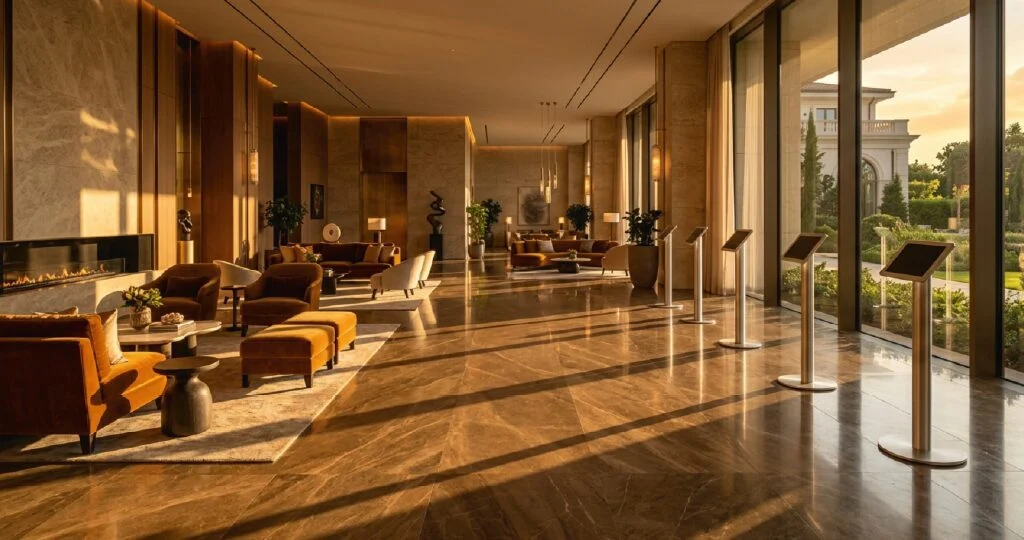
Furthermore, the physical space of the lobby is undergoing a radical redesign. We are seeing a move away from the traditional, imposing "reception wall" toward open-plan lounges where staff act as hosts rather than clerks. The lobby is being reimagined as a social hub—a space for connection, work, and relaxation—rather than a processing center for room keys.
Conclusion: The Final Verdict
The misconception that technology detracts from hospitality is the greatest barrier to innovation. True hospitality is the art of anticipating a guest’s needs. If a guest arrives exhausted, the most hospitable act a hotel can perform is to get them to their room as quickly and efficiently as possible.
Technology is not a replacement for the human touch; it is the mechanism that clears the clutter, allowing staff the time and mental bandwidth to deliver the personalized service that truly creates loyal, returning guests. By removing the transactional barriers of the past, hotels can finally return to the core of their business: people. Digital check-in is not the end of personal service—it is the tool that finally makes it possible.


 Rifan Muazin
 Evan Lee Salim





