
 Siti Muinah
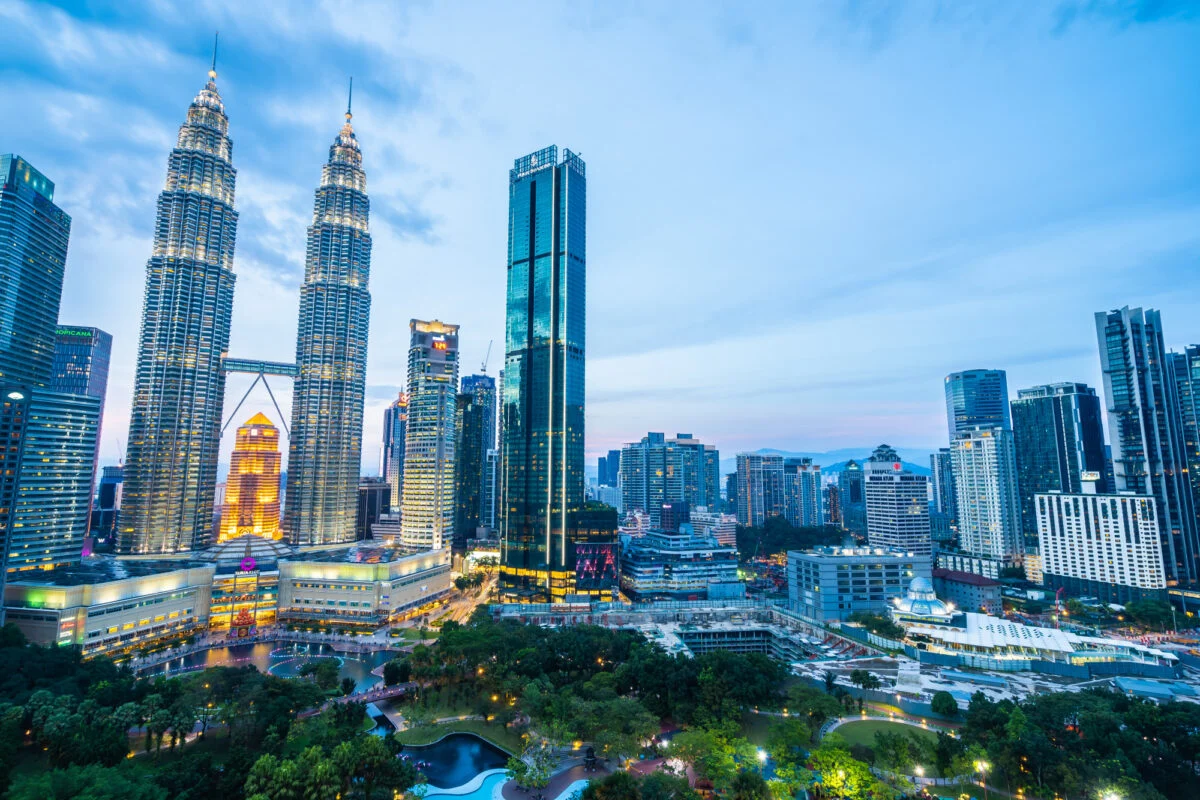
Kuala Lumpur, Malaysia – A thick, acrid haze, originating primarily from Indonesian forest and peatland fires, has once again descended upon Southeast Asia, casting a pall not only over the region’s vibrant cityscapes but also over its crucial tourism industry. With year-end travel approaching, a critical period for many economies, inbound tour operators across Malaysia, Indonesia, and Singapore are reporting significant disruptions, including widespread cancellations and curtailed itineraries, painting a grim picture for an sector still recovering from global challenges.
The iconic Kuala Lumpur skyline, featuring the majestic Petronas Twin Towers – a beacon for international visitors – is frequently obscured by a hazy shroud, a stark visual representation of the environmental crisis gripping the region. This recurring phenomenon is proving to be a formidable challenge for national tourism boards and private enterprises alike, jeopardizing revenue targets and tarnishing destination images at a crucial juncture.
Main Facts: A Regional Crisis Unfolds
The immediate impact of the transboundary haze is palpable across key tourism hubs. In Malaysia, inbound tour operators have signaled a distressing trend of cancellations, particularly for November travel. The timing could not be worse for Malaysia’s tourism promotion board, Visit Malaysia, which had set an ambitious target of 47 million international visitors this year. However, even before the haze intensified, this goal was considered largely out of reach, and the current environmental crisis further compounds the challenge.
Indonesia, the very source of the majority of the fires, is simultaneously grappling with severe internal disruptions. Reports indicate more than 2,600 domestic flights have been disrupted, a staggering figure that underscores the operational paralysis caused by dangerously low visibility and hazardous air quality. Meanwhile, Singapore, known for its meticulously planned urban experiences and outdoor attractions, has seen sightseeing itineraries cut short, forcing operators to adapt on the fly and leaving tourists with a diminished experience.
"We are seeing reports of reduced bookings and cancellations among some inbound tour operators, particularly for November travel," Mohd Khalid Harun, president of the Malaysia Tourism Agency Association (MATA), told Skift, reflecting the growing anxiety within the industry. The collective sentiment is one of frustration and concern, as a natural disaster, exacerbated by human activity, once again threatens to derail months of promotional efforts and investment.
Chronology: A Familiar and Unwelcome Return
The current haze crisis is not an isolated incident but rather a recurring environmental catastrophe that has plagued Southeast Asia for decades, often peaking during the dry season. The roots of the problem lie primarily in Indonesia, where large-scale land clearing for agriculture, particularly palm oil and pulpwood plantations, frequently involves illegal and unsustainable "slash-and-burn" practices. Peatland fires, notoriously difficult to extinguish and capable of smoldering underground for weeks or months, release immense amounts of smoke and carbon emissions.
August-September: Reports of localized fires in Sumatra and Kalimantan, Indonesia, began surfacing as the dry season intensified. Initially, these fires were contained, but persistent dry weather and shifting winds allowed them to spread rapidly across vast tracts of forest and peatland. Air quality in affected Indonesian provinces began to deteriorate, prompting health warnings for local populations.
October: The situation escalated dramatically. By mid-October, the haze had become severe enough to cross national borders, carried by prevailing winds into neighboring Malaysia and Singapore. Air quality indices (AQI) in several Malaysian states, including Selangor, Kuala Lumpur, and Sarawak, reached "unhealthy" and "very unhealthy" levels. At one point, Reuters reported that three of the region’s most prominent cities – Jakarta, Kuala Lumpur, and Singapore – were simultaneously blanketed in hazardous haze, underscoring the regional scale of the crisis. Visibility dropped significantly, affecting road, air, and sea travel. Governments issued health advisories, recommending reduced outdoor activities and the use of N95 masks.
November (Projected Impact): As the dry season typically extends into November in some parts of the region, and with the year-end holiday season rapidly approaching, the long-term forecast for air quality remains a significant concern. The current wave of cancellations and reduced bookings for November travel highlights the immediate economic fallout, with tour operators bracing for a sustained period of reduced demand if the haze persists or re-intensifies. The onset of the monsoon season, typically bringing relief, is eagerly anticipated but its exact timing and intensity remain uncertain.
Supporting Data: The Deep Scars on Tourism and Beyond
The economic repercussions of the haze crisis reverberate deeply across the tourism ecosystem, impacting everything from airline operations to local hawker stalls.
Malaysia’s Tourism Aspirations Derailed:
Malaysia’s ambitious target of 47 million international visitors this year was already a challenging goal, especially given the lingering effects of the global pandemic on travel patterns and consumer confidence. The haze now presents an insurmountable obstacle. The original article notes that this goal was "already out of reach before the haze arrived," suggesting underlying challenges. The current crisis will undoubtedly widen the gap between target and reality. For context, in 2019, Malaysia attracted 26.1 million international tourists. A target of 47 million represents a nearly 80% increase, which would require unprecedented growth.
The reduced bookings and cancellations reported by MATA for November translate directly into lost revenue for hotels, tour operators, transportation providers, and a myriad of ancillary services. For example, a single cancelled group tour, often comprising dozens of visitors, can mean thousands of dollars in lost income for multiple businesses simultaneously. Resorts on Malaysia’s west coast, popular for beach holidays and outdoor activities, are particularly vulnerable as poor air quality diminishes the appeal of their offerings.
Indonesia’s Domestic Travel Paralysis:
The statistic of "more than 2,600 disrupted domestic flights" in Indonesia paints a stark picture of the internal chaos. This disruption is not merely an inconvenience; it represents:
- Massive revenue loss for airlines: Each cancelled flight means lost ticket sales, but also operational costs without revenue, and the expense of re-routing or compensating passengers.
- Supply chain disruptions: Cargo flights are affected, impacting businesses reliant on timely deliveries.
- Economic isolation: Regions heavily dependent on air travel for business and leisure become temporarily cut off, stifling local economies.
- Passenger frustration and loss of confidence: Repeated flight disruptions erode trust in airlines and the reliability of travel within affected regions.
The impact extends beyond aviation to ferry services and road transport, where reduced visibility makes travel perilous and slow.
Singapore’s Curtailed Experiences:
Singapore, a city-state renowned for its clean air and meticulously maintained public spaces, suffers a significant blow to its brand image when enveloped in haze. "Sightseeing itineraries being cut short" means that tourists are not experiencing the full range of attractions. Gardens by the Bay, the Singapore Zoo, Sentosa Island’s outdoor activities, and even rooftop bars that offer panoramic views all lose their luster when the air quality is poor. This directly impacts tourist spending on attractions, F&B, and souvenirs, as visitors may choose to spend less time outdoors or even cut their trips short. The perceived value of a Singapore holiday diminishes, potentially deterring future visits.
Broader Economic Implications:
- Hotel Occupancy Rates: A direct correlation exists between severe haze events and drops in hotel occupancy, especially for higher-end establishments catering to international tourists.
- Food and Beverage Sector: Restaurants, cafes, and street food vendors experience reduced footfall as people avoid outdoor dining and large gatherings.
- Retail: While some indoor retail might see a temporary boost as people seek refuge from the haze, overall tourist spending on luxury goods and souvenirs often declines.
- Health Costs: Beyond tourism, the haze imposes significant public health costs, straining healthcare systems and reducing productivity due to respiratory illnesses.
- Environmental Devastation: The fires themselves cause irreversible damage to biodiversity, accelerate climate change through massive carbon emissions, and degrade crucial ecosystems like peatlands, which are vital carbon sinks.
Tourist Sentiment and Perception:
Modern travelers are increasingly health-conscious and environmentally aware. News of hazardous air quality spreads rapidly through social media and international news outlets, creating a strong deterrent. Potential tourists, especially those traveling with children or individuals with respiratory conditions, are likely to postpone or reroute their travel plans to destinations perceived as cleaner and safer. This long-term damage to destination image can take years to repair, even after the immediate haze subsides.
Official Responses: A Mix of Diplomacy, Mitigation, and Frustration
The recurring nature of the haze crisis has led to a range of official responses, from emergency mitigation efforts to long-term policy discussions and, at times, diplomatic tensions.
Malaysia’s Stance:
Mohd Khalid Harun’s statement from MATA reflects the immediate concerns of the private sector. The Malaysian government, through its Department of Environment (DOE), rigorously monitors air quality and issues regular updates and health advisories. Measures typically include:
- Health Advisories: Urging citizens and tourists to reduce outdoor activities, wear N95 masks, and stay hydrated.
- Cloud Seeding Operations: Often deployed as a desperate measure to induce rain and clear the haze, though its effectiveness is debated and dependent on specific atmospheric conditions.
- Diplomatic Pressure: Malaysia consistently engages with Indonesia at bilateral and ASEAN levels, urging stronger action to prevent and extinguish fires.
The Ministry of Tourism, Arts, and Culture (MOTAC) usually responds by trying to reassure international visitors, highlighting alternative indoor attractions, and promoting domestic tourism to mitigate some losses. However, the pervasive nature of the haze limits these options.
Indonesia’s Complex Challenge:
As the primary source of the haze, Indonesia faces immense international pressure and domestic challenges. The government’s response typically involves:
- Firefighting Efforts: Deploying thousands of personnel, including military and police, alongside water-bombing aircraft, to extinguish fires, particularly in Sumatra and Kalimantan.
- Law Enforcement: Investigating and prosecuting individuals and corporations responsible for illegal land burning. This has seen mixed success, with powerful corporate interests often implicated.
- Peatland Restoration Agency (BRGM): Established in 2016, this agency is tasked with restoring degraded peatlands, making them less susceptible to fires. This is a long-term strategy but crucial for preventing future outbreaks.
- Diplomatic Engagements: Responding to complaints from neighboring countries, often emphasizing their own significant efforts and the complexity of the problem, which involves vast territories and local communities.
Indonesia’s tourism sector, particularly in areas like Sumatra, also suffers directly from the haze, with flight cancellations and reduced visitor numbers to national parks and cultural sites.
Singapore’s Proactive Approach:
Singapore, a small and highly urbanized nation, is acutely vulnerable to transboundary haze. Its government employs a comprehensive strategy:
- Public Health Measures: Rigorous monitoring of the Pollutant Standards Index (PSI), issuing immediate health advisories, distributing N95 masks, and preparing healthcare facilities for increased respiratory cases.
- Public Information: Extensive public awareness campaigns on haze preparedness and health protection.
- Event Cancellations/Modifications: Large outdoor events, sporting competitions, and even school activities are often cancelled or moved indoors when PSI levels are dangerously high.
- Diplomatic Advocacy: Singapore has historically been one of the most vocal critics of Indonesia’s handling of the fires, pushing for stronger regional cooperation and enforcement against companies responsible for burning.
Regional Cooperation (ASEAN):
The Association of Southeast Asian Nations (ASEAN) has an Agreement on Transboundary Haze Pollution (ATHP), signed in 2002. This agreement aims to facilitate cooperation, provide technical assistance, and establish monitoring and early warning systems. While it provides a framework, its effectiveness has been hampered by issues of sovereignty and the slow pace of implementation. Annual meetings discuss strategies, but tangible, lasting solutions remain elusive, leading to frustration among member states.
Implications: Beyond the Smoke, A Future Uncertain
The recurring haze crisis carries profound and multifaceted implications that extend far beyond immediate economic losses, shaping the region’s environmental, social, and geopolitical landscape.
Short-Term Blow to Tourism Recovery:
The most immediate implication is a significant setback for the tourism sector, which was just beginning to rebound from the global pandemic. The haze undermines confidence, deters bookings, and reduces on-the-ground spending, effectively delaying full recovery and potentially forcing some smaller businesses into closure. This particularly hurts destinations relying heavily on nature-based tourism or outdoor activities.
Damage to Destination Brand and Image:
Each haze episode erodes the carefully cultivated image of Southeast Asia as a pristine, vibrant, and welcoming destination. International media coverage often highlights the hazardous air quality, which can deter future travel even after the skies clear. Rebuilding this trust and perception requires sustained effort and demonstrable commitment to environmental protection.
Health Crisis and Public Burden:
The haze is a severe public health crisis. Long-term exposure to particulate matter (PM2.5) can lead to chronic respiratory and cardiovascular diseases, premature deaths, and increased healthcare costs. This burden affects both local populations and tourists, raising ethical questions for tour operators about bringing visitors into hazardous environments.
Operational Challenges and Business Resilience:
For airlines, tour operators, and hospitality businesses, the haze presents immense operational challenges. Last-minute cancellations, itinerary changes, and the need to provide alternative indoor activities strain resources and test adaptability. The crisis underscores the urgent need for businesses to build greater resilience against climate-related disruptions and develop robust contingency plans.
Mid-Term Shift in Travel Patterns:
If the haze continues to be a recurring problem, it could lead to a fundamental shift in travel patterns. Tourists may opt for destinations outside the affected region, or choose specific times of the year to visit, consciously avoiding the dry season. This could force a re-evaluation of tourism calendars and marketing strategies across Southeast Asia.
Long-Term Environmental and Climate Impact:
The fires themselves are a major environmental disaster. Peatland fires release vast quantities of greenhouse gases, significantly contributing to climate change. The destruction of forests and peatlands leads to biodiversity loss and disrupts crucial ecosystems. Addressing the haze requires a long-term, systemic approach to sustainable land management, moving away from destructive agricultural practices.
Geopolitical Strain and Regional Governance:
The haze consistently strains diplomatic relations between affected ASEAN member states. While the ASEAN Agreement on Transboundary Haze Pollution exists, its enforcement and the political will to hold perpetrators accountable remain contentious issues. The crisis highlights the limitations of regional governance in addressing transboundary environmental problems, emphasizing the need for stronger collective action and shared responsibility.
Investment and Sustainability:
The recurring nature of the haze also impacts investor confidence in the region’s tourism infrastructure and related industries. Sustainable tourism practices, including responsible land use and environmental protection, are no longer just buzzwords but critical imperatives for the long-term viability of the sector. The crisis serves as a harsh reminder that economic development, particularly in tourism, cannot be decoupled from environmental stewardship. Without decisive action to tackle the root causes of the haze, Southeast Asia’s tourism potential will remain perpetually shrouded in uncertainty and smoke.


 Sagoh
 Laily UPN





