
 Suro Senen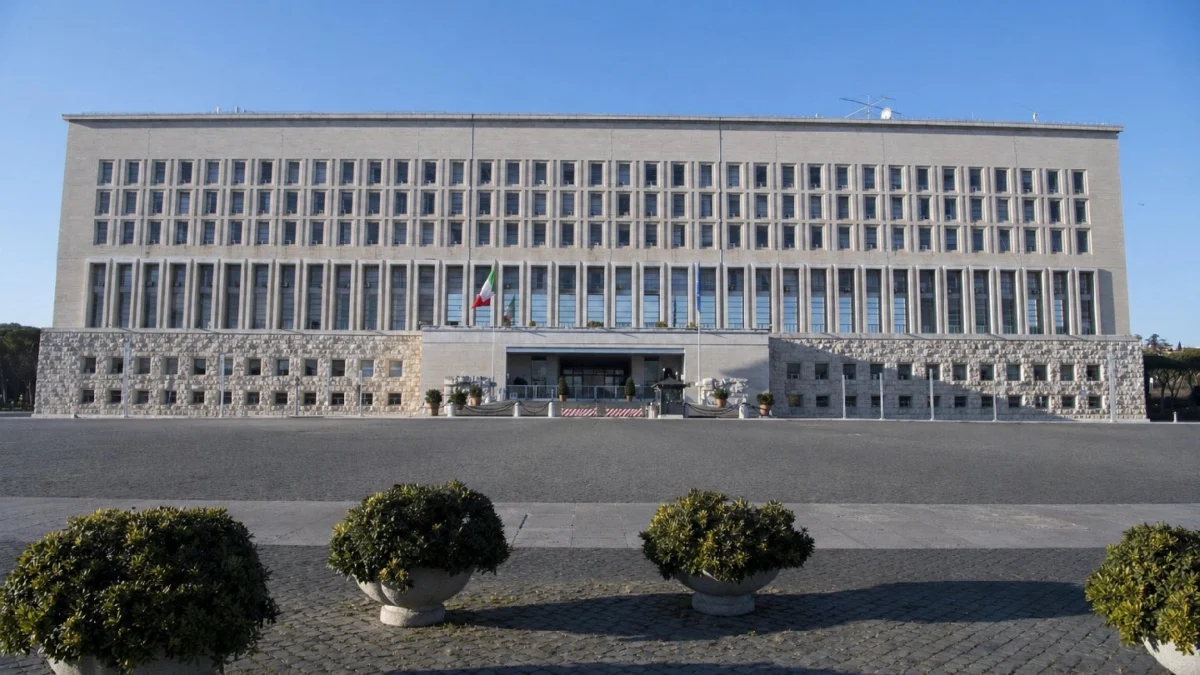
Executive Summary: A Coordinated Attempt on National Integrity
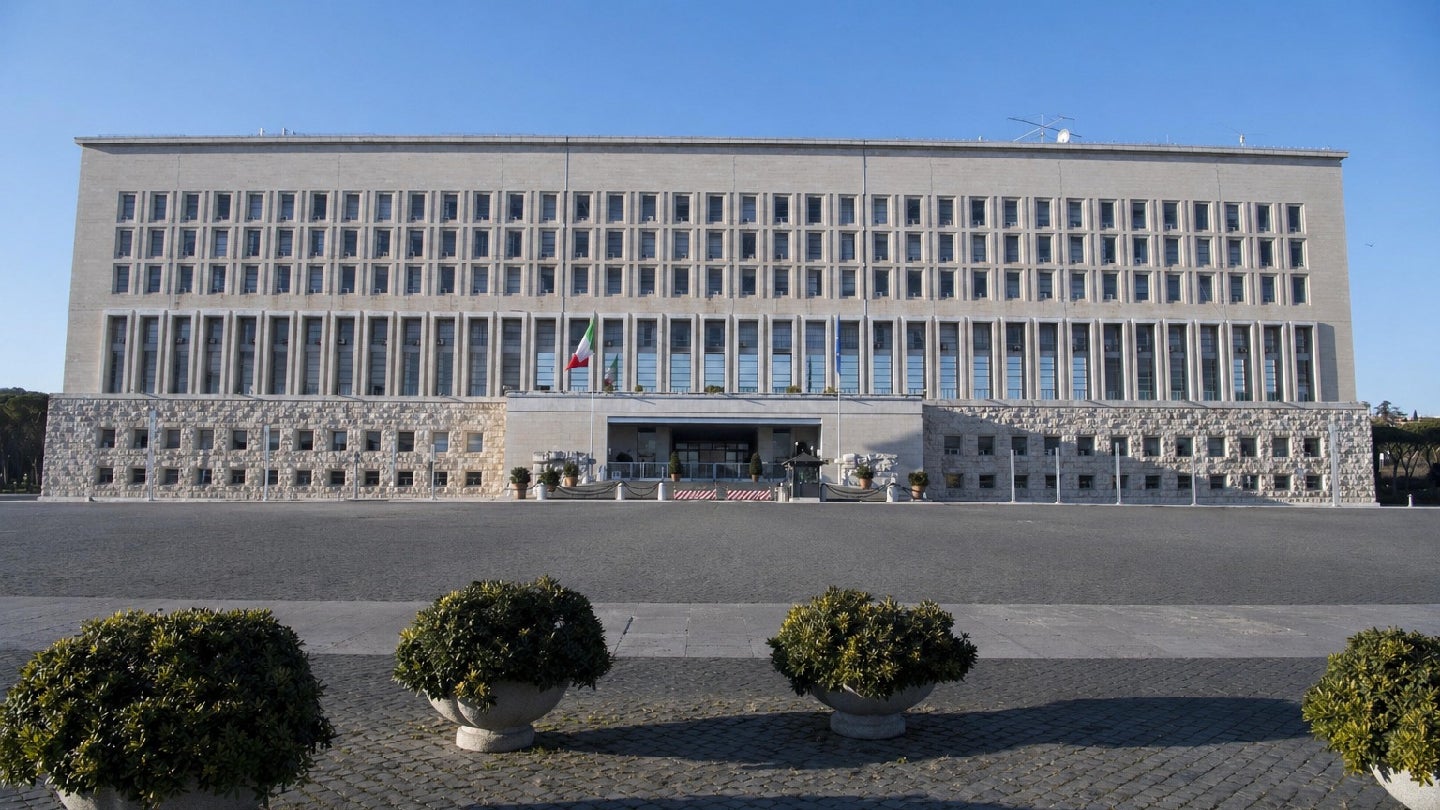
In a sophisticated display of modern geopolitical friction, Italy’s Ministry of Foreign Affairs and International Cooperation recently found itself the primary target of a significant, multi-vector cyberattack. The incident, which saw malicious actors attempt to breach both the ministry’s primary public-facing web portal and broader segments of the nation’s critical digital infrastructure, has prompted a state-level investigation and a hardening of Italy’s defensive posture.
While the ministry successfully mitigated the threat—ensuring that essential public services remained operational and avoiding data exfiltration—the attack serves as a stark reminder of the escalating risks facing sovereign entities in an era of state-sponsored digital warfare. Italian authorities, currently working in tandem with the National Strategic Centre and the Computer Security Incident Response Team (CSIRT), are now engaged in a comprehensive sweep to identify the scope of the breach and prevent future incursions.
Chronology of the Incident
The digital assault began early in the morning, a time often selected by threat actors to maximize disruption while internal IT teams are transitioning between shifts.
- Early Detection: The ministry’s monitoring systems flagged anomalous traffic patterns attempting to penetrate the outer perimeter of the Foreign Ministry’s web infrastructure.
- Immediate Mitigation: Utilizing advanced automated defensive protocols, the ministry’s security team isolated the affected segments. By acting before the breach could escalate to the administrative core, the ministry successfully preserved the integrity of its public-facing services.
- The Investigative Phase: Following the containment of the initial threat, the National Strategic Centre was activated. Intelligence teams began a retrospective analysis of network logs to determine the vector of the attack and its origin.
- Expansion of Scope: Recognizing that the assault was not limited to a single point of failure, officials expanded their investigation. They are currently auditing the digital footprints of various Italian diplomatic and consular missions globally to determine if the attack was part of a synchronized campaign intended to destabilize Italy’s diplomatic communications network.
Official Responses: Strengthening the Cyber Shield
The incident has catalyzed a high-level response from the Italian government, reflecting a shift in how Rome views the intersection of diplomacy and cybersecurity.
Minister Antonio Tajani’s Stance
Italian Minister of Foreign Affairs, Antonio Tajani, addressed the incident with a sense of urgency, framing cybersecurity as a non-negotiable pillar of national sovereignty. "Cybersecurity is a key element of the reform of the Ministry of Foreign Affairs approved last year," Tajani stated during a press briefing. "In recent months, we have strengthened our capabilities in preventing, monitoring, and responding to threats, implementing all the necessary countermeasures, including technological ones."
Tajani’s comments suggest that the ministry’s current defensive success is the result of a deliberate, long-term policy shift. During a recent high-profile visit to Rome, Tajani briefed German Federal Minister for Foreign Affairs Johann Wadephul on the technical architecture of Italy’s CSIRT Operations Centre, signaling a growing trend of intra-European intelligence sharing and collaborative defense.
European Solidarity and Strategic Policy
Beyond domestic defense, Italy is positioning itself as a leader in European cyber policy. The ministry has confirmed that it intends to spearhead a proposal alongside Romania and other EU member states. The goal is to establish a rigorous framework for identifying and naming the entities—whether state-aligned groups or independent criminal syndicates—responsible for cyberattacks on European institutions. By creating a formalized "naming and shaming" process, Italy hopes to impose greater geopolitical costs on those who target the digital infrastructure of democratic nations.
The Landscape of Digital Vulnerability
The attack on the Foreign Ministry is not an isolated event but rather a symptom of a broader, more volatile digital environment. Modern infrastructure, particularly in the diplomatic sector, is under constant pressure from two distinct categories of threats:
- State-Sponsored Actors: These entities prioritize intelligence gathering, espionage, and the disruption of communications between nations. Their tactics are often patient, multi-staged, and highly sophisticated, frequently utilizing "zero-day" exploits.
- Cyber-Criminal Syndicates: Driven by financial gain or ideological extremism, these groups often deploy ransomware or DDoS (Distributed Denial of Service) attacks. While less nuanced than state actors, their capacity for widespread disruption is significant.
The Foreign Ministry’s ability to repel the attack suggests that recent investments in the National Strategic Centre and the modernization of ministry IT assets have paid dividends. However, security experts warn that as defenses grow more robust, so too do the methods of intrusion.
Implications for Digital Governance and Competition
The broader conversation regarding digital security in Italy has also been shaped by the ongoing regulatory activities of the Italian Competition Authority (AGCM). While the cyberattack on the Foreign Ministry is a matter of national security, the recent probe into Apple underscores the government’s concurrent focus on digital sovereignty and fair market practices.
The Apple Probe: A Test of the Digital Markets Act (DMA)
Earlier this year, the AGCM launched a high-profile investigation into Apple, marking the first time the authority has exercised the powers granted by the European Digital Markets Act (DMA). The investigation centers on Article 6(7) of the DMA, which mandates that "gatekeeper" platforms like Apple must provide third-party service providers with interoperability equal to that of their own proprietary services.
The authority has cited evidence suggesting that Apple’s iOS and iPadOS ecosystems may be restricting access for third-party cloud service providers, particularly regarding full-device backup features. This creates a competitive disadvantage for independent cloud services and limits the choice available to Italian consumers.
Why This Matters to National Security
The connection between the Foreign Ministry’s cyber incident and the Apple investigation may seem tenuous, but they share a common thread: the control of digital architecture.
- Interoperability and Transparency: Just as the Foreign Ministry requires a transparent and controllable network to prevent external breaches, the EU requires transparent and open ecosystems to prevent market monopolies.
- Strategic Autonomy: Both the cyber-defensive measures and the enforcement of the DMA are facets of Europe’s push for "strategic autonomy." By reducing reliance on closed systems and foreign-controlled infrastructure, Italy and the EU aim to ensure that their digital future remains within their own governance framework.
Moving Forward: A Future-Proof Strategy
As the investigation into the Foreign Ministry incident continues, the Italian government is expected to accelerate several key initiatives:
- Unified Cyber-Intelligence: Increasing the integration between the National Strategic Centre, military intelligence, and civilian cybersecurity agencies to ensure a faster "sensor-to-shooter" reaction time.
- Diplomatic Cybersecurity Standards: Pushing for a unified set of cybersecurity protocols for all European diplomatic missions to ensure that a weakness in one member state cannot be used as an entry point into the wider European network.
- Public-Private Cooperation: Strengthening ties with domestic technology firms to ensure that Italy’s digital infrastructure is built on secure, audited, and resilient foundations.
Conclusion: The New Norm of Diplomacy
The cyberattack on Italy’s Ministry of Foreign Affairs was a calculated challenge to the integrity of the state. While the technical mitigation was successful, the event serves as a bellwether for the future of international relations. Digital infrastructure is now the front line of diplomacy; the protection of data, the integrity of communications, and the resilience of public-facing web portals are as critical to national interest as any physical asset.
As Italy moves to work with European partners to formalize the identification of cyber aggressors, the message is clear: the digital realm will no longer be a domain where malicious actors can operate with impunity. Through a combination of rigorous defensive infrastructure, proactive regulatory oversight like the DMA, and enhanced European cooperation, Italy is attempting to build a digital landscape that is not only secure but also open, fair, and resilient against the threats of the 21st century.
The coming months will likely see further developments in the investigation. As more information is uncovered, the ministry’s report will undoubtedly serve as a case study for other nations grappling with the daunting task of securing the digital state in an increasingly hostile environment.


 Pevita Pearce
 Nana Muazin





