
 Pevita Pearce
In an era of hyper-connectivity, the smartphone has become an extension of the self. While the American mobile landscape is dominated by the reliable duopoly of Apple and Google, a world of technological marvels exists beyond U.S. borders. From the ultra-thin, triple-folding innovations emerging from China to professional-grade camera systems that rival DSLR performance, the temptation to bypass domestic retail channels and import a "gray market" device is stronger than ever.
However, the allure of being an early adopter of foreign tech comes with a complex web of logistical, technical, and legal challenges. For the enthusiast, the barrier to entry is lowering, but for the average consumer, the potential pitfalls—ranging from network incompatibility to the total absence of warranty support—remain daunting.
The Landscape of Global Mobile Innovation
The U.S. smartphone market is arguably one of the most conservative in the world. Dominated by carrier partnerships and locked-in ecosystems, the choices available to the average consumer are often limited to the latest annual iterations of the iPhone or the Pixel series. Conversely, international markets—particularly in China and parts of Southeast Asia—are currently experiencing a "Goldilocks" moment of rapid innovation.
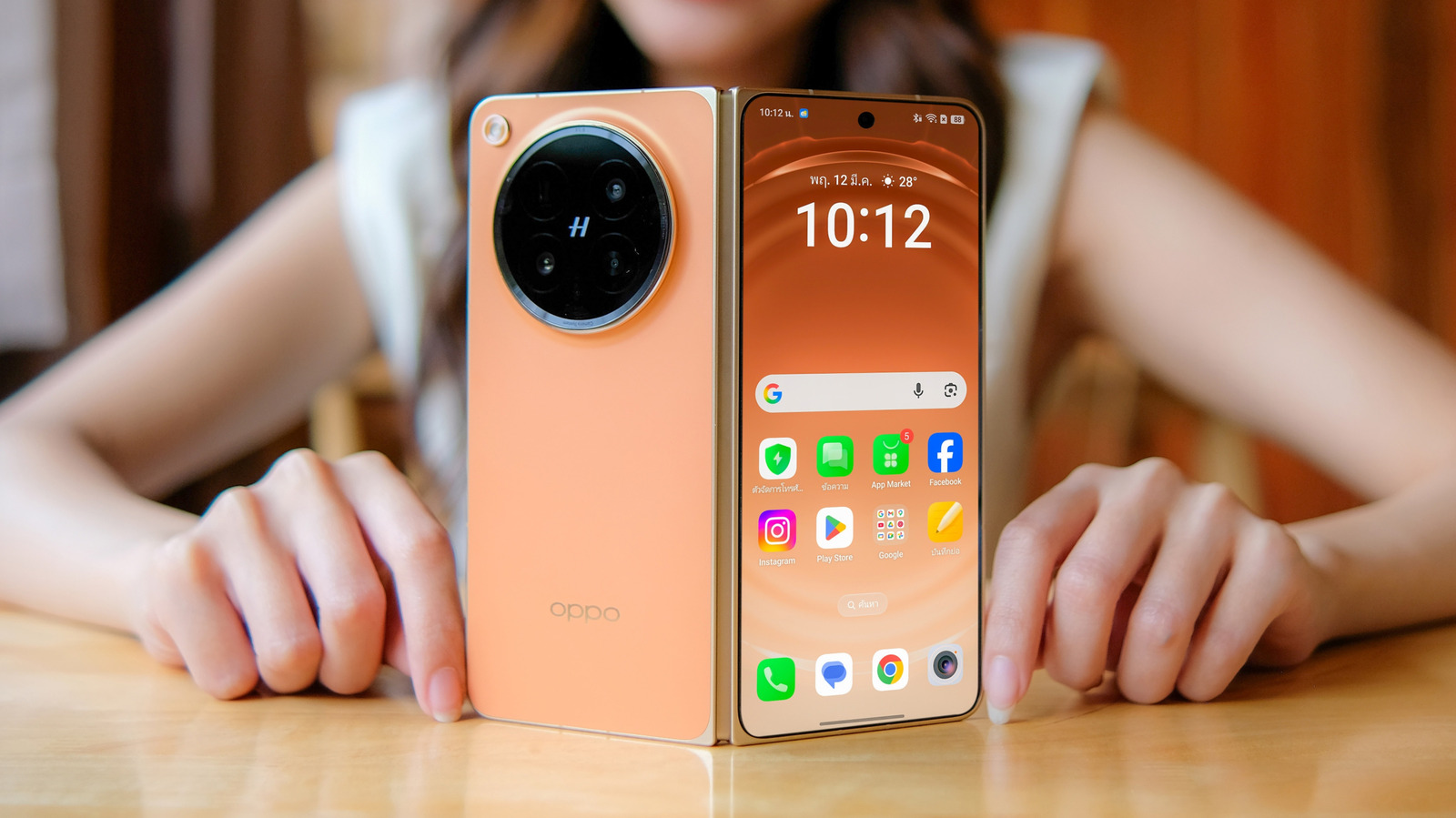
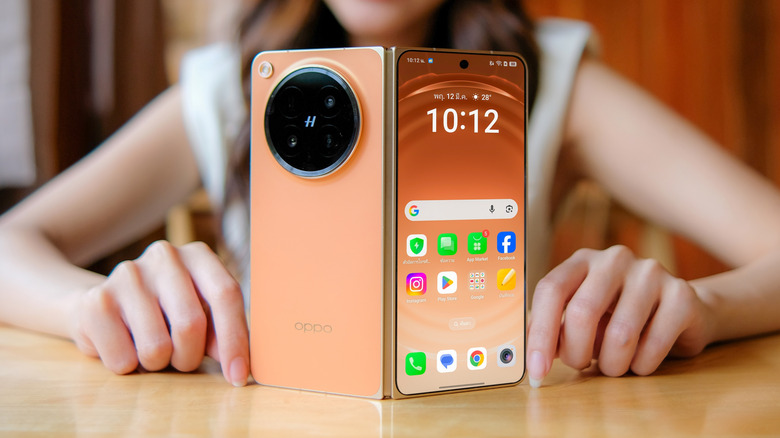
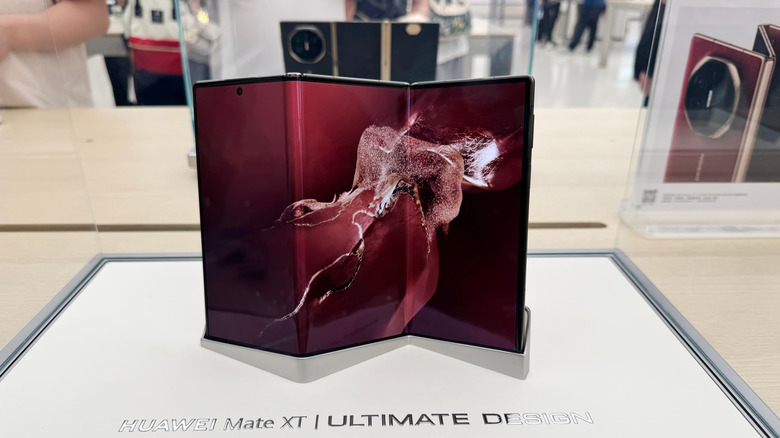
Companies like Xiaomi, Honor, and OPPO have moved past the "budget" reputation they held a decade ago. Today, they are the primary drivers of hardware advancement. Devices like the Xiaomi Mix Fold series, the Honor Magic V-series, and the experimental Huawei Mate XT (a tri-fold marvel) offer designs that simply do not exist within the domestic U.S. supply chain. These devices are not merely novelty items; they represent a fundamental shift in how hardware can be engineered, featuring advancements in battery density, cooling systems, and hinge durability that often surpass domestic flagships.
Chronology: The Evolution of the "Gray Market" Import
The history of importing foreign phones into the U.S. has transitioned through three distinct phases:
- The Early Era (Pre-2015): Importing was largely the domain of extreme enthusiasts. Phones were often locked to international carriers, requiring complex software "jailbreaking" or physical SIM-unlocking tools. Connectivity was limited to 2G/3G networks that were often incompatible with U.S. frequency bands.
- The Rise of the Global Chipset (2015–2020): As Qualcomm’s Snapdragon chipsets became the global standard, cellular band compatibility improved significantly. Enthusiasts found that many international models could connect to U.S. 4G LTE networks with minimal configuration. This period saw the rise of specialized online marketplaces catering to this niche.
- The Modern Complexity (2021–Present): With the rollout of 5G, the landscape has fractured once more. 5G spectrums are highly fragmented globally; a phone that supports 5G in Shenzhen may only revert to 4G LTE in San Francisco. Simultaneously, software restrictions and carrier-specific certifications (like VoLTE and Wi-Fi calling) have created a "walled garden" that makes importing more of a technical hurdle than ever before.
Technical Implications: Why Your Network May Fail You
The most significant barrier to importing a phone is the divergence of cellular technology. Cellular providers operate on specific "bands" (frequency ranges). If your imported device does not include the radio hardware for the bands utilized by T-Mobile, AT&T, or Verizon, you will effectively have a $1,500 paperweight.
The 5G Fragmentation Problem
While 4G LTE was largely standardized, 5G is a patchwork of Sub-6GHz and mmWave frequencies. Many imported devices lack the specific hardware required for U.S. mmWave 5G, leading to "dead zones" in urban areas where this high-speed connectivity is prevalent.
The "Certification" Gap
Even if a phone connects to the network, it may be denied access to advanced features. Modern carriers use a "whitelist" system for features such as:
- VoLTE (Voice over LTE): Required for clear voice calls.
- Wi-Fi Calling: Essential for users in areas with poor cellular reception.
- Visual Voicemail: A standard convenience that often fails on non-certified hardware.
If the device’s IMEI is not in the carrier’s database as an approved, certified device, these services are often disabled at the network level, regardless of the phone’s capabilities.
Software Ecosystems and Privacy Concerns
Beyond hardware, the software experience is a critical point of friction. International versions of Android often come pre-loaded with regional bloatware—apps specific to the Chinese market, such as local payment gateways or news aggregators, which cannot always be uninstalled.
More importantly, the integration of Google Play Services (GMS) is not a given. While many global models include GMS, some regional iterations (particularly those designed for the domestic Chinese market) strip out Google services entirely. While sideloading is possible, it is a persistent headache. Updates are not pushed via the standard OTA (Over-the-Air) channels used by U.S. devices; instead, users may be forced to rely on manual, risky, or unreliable update procedures that can inadvertently brick the device.
The Warranty and Support Void
Perhaps the most significant risk is the "Warranty Void." When you import a device, you are effectively acting as your own distributor. If the battery degrades, the hinge fails, or the screen cracks, there is no official U.S. service center to turn to.
Many major manufacturers offer no international warranty, meaning you would have to ship the device back to the country of origin for repairs—a process that is often cost-prohibitive and time-consuming. Consumers are forced to rely on "third-party repair shops," which often lack access to genuine parts, schematics, and the specialized tools required to maintain the structural integrity of complex foldables.
Supporting Data: The Cost-Benefit Analysis
While the risks are high, the value proposition remains tempting. Consider the following comparison of the hypothetical "Import vs. Domestic" scenario:
| Feature | Domestic Flagship | Imported Flagship |
|---|---|---|
| Hardware Innovation | Incremental | Cutting-edge |
| Warranty Support | 1-2 Year Local | None/Limited |
| Network Stability | Optimized for U.S. Carriers | Hit-or-Miss |
| Dual SIM Support | Rare (eSIM focus) | Standard (Physical SIM) |
| Total Cost of Ownership | Transparent | High (Potential for loss) |
For users who prioritize dual-SIM functionality, the import market is often the only remaining avenue to obtain a device with two physical SIM slots, as the U.S. market has aggressively pushed toward eSIM-only configurations.
Industry and Regulatory Perspectives
When reached for comment, industry analysts often caution against the trend. "The U.S. market is highly optimized for performance and security," says one mobile infrastructure consultant. "When a consumer brings an uncertified device into the mix, they aren’t just risking their own connectivity; they are introducing variables into a network that is designed for consistency."
Conversely, proponents of the "Right to Repair" and consumer choice argue that the current carrier-locked model is stifling innovation. By limiting the devices that can function on their networks, carriers essentially act as gatekeepers, determining what technology reaches the American consumer.
Implications for the Future
As the global smartphone market continues to mature, the gap between the "U.S. version" and the "Global version" of devices may narrow. We are seeing a push toward more unified hardware standards. However, until manufacturers harmonize their software and support structures, importing remains a high-stakes hobby.
For those determined to import, the consensus advice remains consistent:
- Do the Research: Check frequency bands on sites like Kimovil or WillMyPhoneWork against your specific carrier’s map.
- Reddit is Your Best Friend: Seek out communities dedicated to the specific model you want. Real-world user reports on signal strength and software stability are more valuable than marketing specs.
- Budget for Failure: Treat the purchase as a non-essential luxury. If you cannot afford to have the phone fail or become unusable, it is better to stick with a locally supported device.
The world of international mobile technology is vibrant, daring, and full of potential. For the informed, patient, and technically proficient user, it offers a glimpse into the future of mobile design. For the average consumer, it is a reminder that the convenience of a retail store shelf is a luxury that, while limiting, provides the peace of mind that most users have come to rely upon.


 Nana Muazin
 Asro
Asro





