
 Dwi Wanna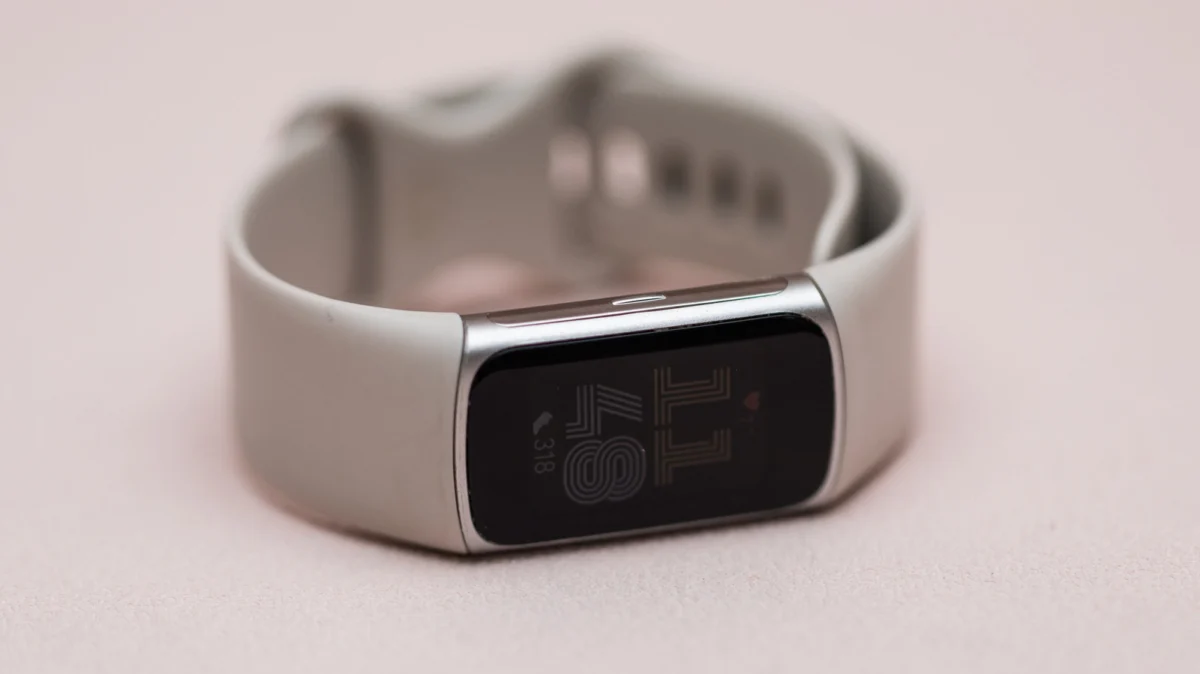
Google has officially signaled the next evolution of its wearable technology lineup. Following months of speculation, cryptic leaks, and fragmented marketing glimpses, the tech giant has confirmed that it will unveil its latest fitness tracker, the "Fitbit Edge," on October 12, 2026. The announcement, disseminated via official Google Health channels on both Instagram and X, effectively puts to rest the rumors surrounding the device’s nomenclature and confirms that a new hardware launch is imminent.
The Fitbit Edge is expected to occupy a strategic middle ground in Google’s current ecosystem, serving as a bridge between the minimalist, screenless Fitbit Air released earlier this year and the high-end, feature-rich Pixel Watch 5. By introducing this mid-tier device, Google appears to be shoring up its fitness portfolio to capture a broader demographic of health-conscious consumers who desire a display but are not looking for the full-fledged smartwatch experience.
The Chronology of a Leak: From Pixel 11 Ads to Official Confirmation
The path to the Fitbit Edge’s reveal has been anything but linear. The narrative began in earnest in mid-August 2026, when eagle-eyed observers at 9to5Google noticed a mysterious, unidentified fitness tracker making a cameo appearance in promotional materials for the then-new Pixel 11. At the time, the device lacked a formal name, fueling speculation that Google was preparing to iterate on its aging Charge series.
As summer transitioned into autumn, the leaks accelerated. Earlier this week, Android Headlines provided the first concrete look at the device, sharing high-resolution renders that revealed the Edge’s industrial design, along with previews of its interface and a suite of integrated health-tracking applications. These leaks provided the first glimpse of a device that seemed to marry the sleek aesthetic of modern wearables with the functional requirements of a dedicated fitness tracker.
The final piece of the puzzle fell into place via a report from the French publication Dealabs, which offered a comprehensive technical breakdown. The report corroborated the design details while introducing critical information regarding hardware specifications, battery performance, and European pricing. The cycle of speculation reached its climax on October 9, when Google Health published a teaser featuring a side-profile shot of the device with the caption: "Get an Edge on your health. 10.12.26."
Technical Specifications and Market Positioning
While Google has remained tight-lipped on the full spec sheet, industry consensus—bolstered by the aforementioned reports—paints a clear picture of what the Fitbit Edge will offer.
Performance and Battery Metrics
One of the most anticipated aspects of the Edge is its battery longevity. Reports suggest that the device will offer a tiered power-management system. Users who choose to disable the always-on display (AOD) can expect up to seven days of battery life, making it a viable competitor in the fitness tracker market where battery life is a primary differentiator. With the always-on display active, that duration drops to approximately two days, a trade-off that is standard for OLED-based wearables but still competitive within its class.
Design and Ergonomics
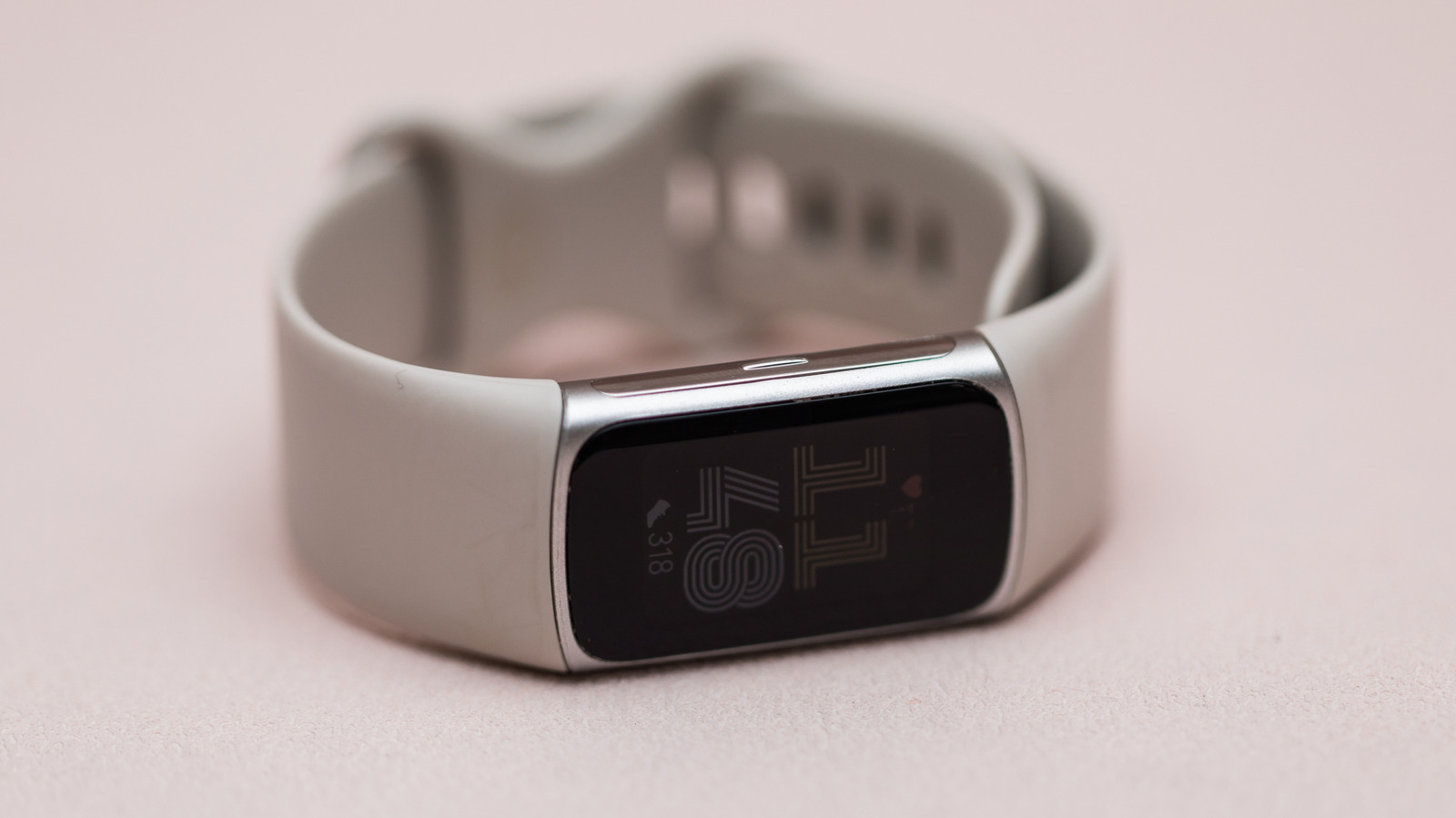
The Fitbit Edge appears to favor a slim, rectangular form factor, reminiscent of the Charge line but with refined edges and potentially improved materials. The teaser image confirms the inclusion of a physical side button, a feature that many users prefer for navigating menus during high-intensity workouts where touch-screen responsiveness can be compromised by sweat or water.
Financial Outlook
According to Dealabs, the European pricing is expected to sit at approximately €179. If this translates directly to the US market, consumers can likely expect a price point around $180. This positions the device as a significant step up from the entry-level Fitbit Air, which currently retails for $99. By segmenting its products at $99, $180, and the premium Pixel Watch tier, Google is effectively mapping the entire consumer journey, from casual activity tracking to professional-grade health monitoring.
The Strategic Importance of the Fitbit Ecosystem
The introduction of the Fitbit Edge is not merely a hardware update; it is a calculated move to deepen the integration of the Google Health ecosystem. Since the unification of Fitbit and Google’s health-tracking software, the company has been aggressively pushing its "Google Health Premium" subscription service.
Leveraging Data for Retention
The Fitbit Edge is expected to serve as a hardware conduit for this subscription model. By providing deeper insights into sleep quality, recovery metrics, and advanced heart-rate variability (HRV) analysis, the Edge will likely be marketed as the optimal companion for Google’s AI-powered health coaching. For Google, the goal is clear: lower the barrier to entry for their premium services by providing a hardware device that makes these insights more accessible and actionable.
Competitive Landscape
The wearable market remains fiercely competitive. With Apple’s continued dominance in the premium segment and budget-friendly alternatives from brands like Xiaomi, Amazfit, and Garmin, Google faces a challenge in convincing users to stay within its walled garden. The Fitbit Edge represents a response to the "feature creep" observed in modern trackers. By offering a device that is more capable than a basic band but less intrusive than a full smartwatch, Google is targeting the "prosumer" athlete—individuals who track their health data with precision but prefer a discreet, lightweight form factor.
Official Responses and Industry Implications
Google has yet to comment on the specific leak reports beyond the official social media teasers. However, the company’s communication strategy—using short, punchy, and direct messaging—suggests a confidence in the product’s market readiness.
The "Google Health" Identity
The branding of these teasers under the "Google Health" umbrella, rather than strictly "Fitbit," is an important distinction. It signals that Google is continuing to pivot away from the legacy Fitbit brand name toward a more unified "Google" health experience. This transition has been ongoing since the acquisition, but the Edge marks one of the first times a new product line is being explicitly marketed through this unified vision.
Implications for Future Wearables
If the Fitbit Edge proves successful, it could signal the end of the line for the long-running Charge series. Many analysts believe that the Edge is the spiritual successor to the Charge 6, which was released in 2023. Given the three-year gap, a rebrand was likely necessary to freshen the product line and distance it from the perception of being an "older" legacy product.
Furthermore, the focus on AI-assisted health tracking—which will undoubtedly be a key talking point during the October 12 presentation—highlights Google’s broader strategy. The company is betting that the future of fitness tracking is not just in counting steps, but in synthesizing complex health data into personalized, actionable advice.
Conclusion: What to Expect on October 12
As the industry prepares for the formal reveal on October 12, the focus will undoubtedly shift from "what" the device is to "what it can do." Key questions remain: Will the device feature advanced sensors such as an ECG or skin temperature sensor? How will it handle GPS tracking? And perhaps most importantly, how will the integration with the Pixel ecosystem enhance the user experience?
For now, the Fitbit Edge stands as a testament to Google’s persistence in the wearables space. Despite the rapid pace of innovation and the volatility of the tech market, Google continues to iterate, refine, and segment its hardware to ensure that whether a user is a casual walker or a marathon runner, there is a device in the Google Health catalog designed specifically for them.
The October 12 reveal will be a critical litmus test for the company. With the wearable market becoming increasingly saturated, the Edge must prove that it is more than just a refreshed tracker—it must demonstrate that it is an essential tool in the modern health-conscious individual’s toolkit. If the current leaks are any indication, Google is well-positioned to deliver exactly that.


 Pevita Pearce
 Nana Muazin





