
 Lina Hope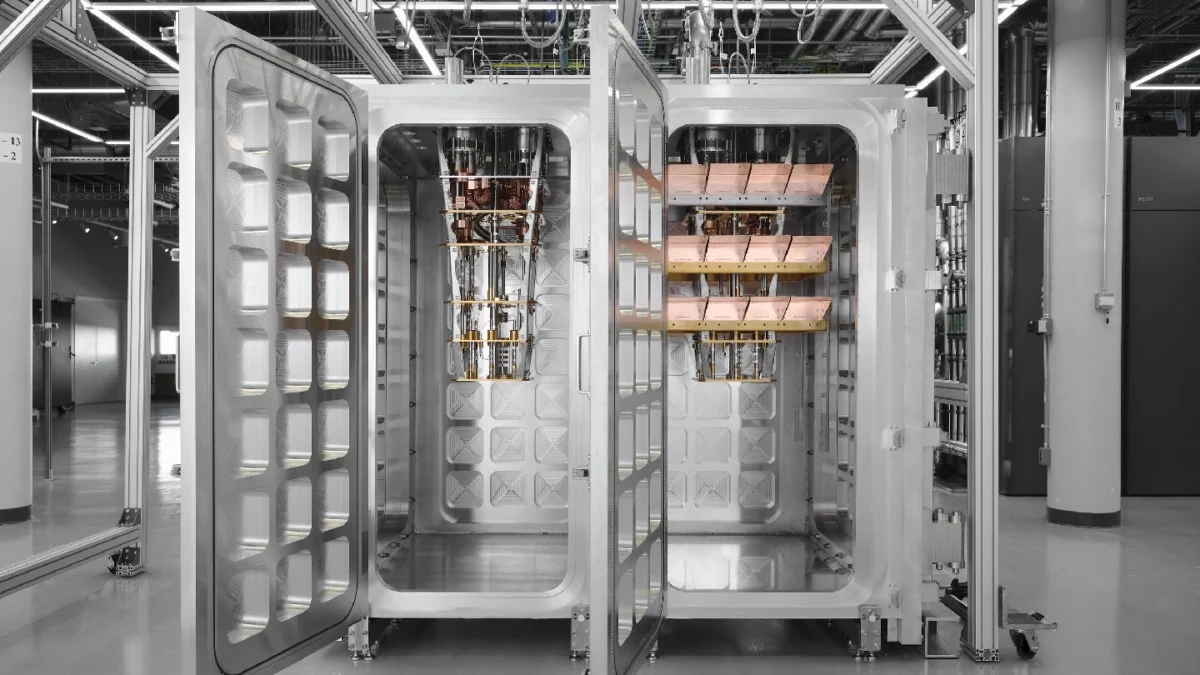
The quest to unlock the transformative potential of quantum computing has moved from the realm of theoretical physics into the high-stakes arena of industrial engineering. IBM, a global leader in the sector, has officially reached Stage C of the Quantum Benchmarking Initiative (QBI), a rigorous, multi-year program orchestrated by the U.S. Defense Advanced Research Projects Agency (DARPA). This milestone marks a critical transition from conceptual planning to the "live fire" testing of actual quantum hardware, bringing the world closer to the elusive goal of a fault-tolerant, industrially useful quantum computer by 2033.
The Mandate: DARPA’s Vision for a Quantum Future
Launched in 2024, the Quantum Benchmarking Initiative was conceived by DARPA not merely as a research grant, but as a crucible for technical reality. The agency recognized that while the quantum ecosystem is rife with ambitious claims, the industry lacked a standardized, objective framework to determine which technologies were truly scalable and which were destined to remain laboratory curiosities.
DARPA’s objective is precise: to identify, test, and validate whether an "industrially useful" fault-tolerant quantum computer is feasible within the next decade. Within the context of the QBI, "industrially useful" is defined by a rigorous economic threshold—the system’s total computational value must demonstrably exceed its cost of development, maintenance, and operation. This definition shifts the focus away from sheer qubit counts and toward the practical utility of error-corrected, stable, and economically viable quantum systems.
The Three-Stage Evolution of the QBI
To ensure only the most robust architectures survive, DARPA structured the QBI as a three-stage filter, with each level increasing in complexity and scrutiny.
Stage A: The Conceptual Foundation
In the initial phase, participants were required to present comprehensive technical concepts. The mandate was to outline a design for a cost-effective, fault-tolerant quantum computer backed by a plausible, near-term development roadmap. IBM’s entry into this stage required them to articulate how their superconducting transmon qubits could be scaled while managing the inevitable decoherence and noise that have long plagued quantum systems.
Stage B: Strategic R&D and Risk Mitigation
Having passed the conceptual hurdle, IBM moved into the second stage, which focused on the logistical and structural feasibility of their roadmap. During this phase, IBM provided granular research and development plans, including detailed risk analyses. Crucially, the company had to demonstrate that they possessed the necessary supply chains, cryogenic engineering capabilities, and error-correction algorithms to mitigate the inherent instability of quantum states at scale.
Stage C: The Crucible of Verification
Now, in the third and final stage, the assessment moves from paper to the laboratory. DARPA’s independent verification and validation (IV&V) team is tasked with the direct, hands-on testing of IBM’s physical hardware. This is the ultimate test of the company’s engineering prowess. Experts will scrutinize systems engineering, hardware performance, and the underlying architecture to ensure that the claims made in the first two stages hold up under empirical measurement.
IBM’s Trajectory: From Starling to Scalability
IBM’s advancement to Stage C is not an isolated achievement; it is the culmination of a decade of intensive investment in quantum infrastructure. The company currently maintains one of the world’s most extensive quantum ecosystems, with over 340 organizations—ranging from pharmaceutical giants and financial institutions to academic research centers—utilizing its quantum processors via the cloud.
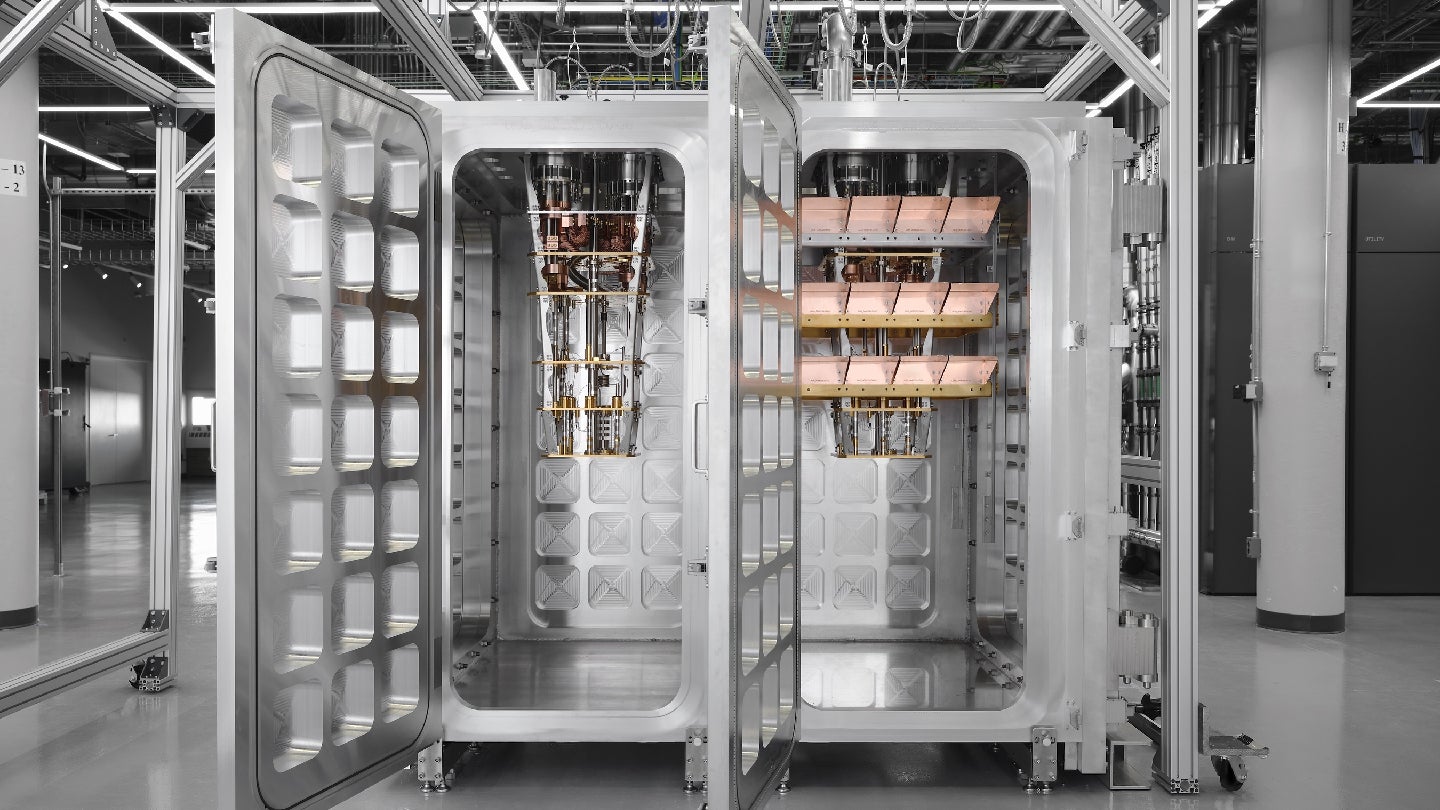
A cornerstone of IBM’s current strategy is the IBM Quantum Starling. Announced last year, Starling is the company’s blueprint for a fault-tolerant system. It is designed to integrate significant breakthroughs in three key areas:
- Error Correction: Moving beyond simple qubit redundancy to sophisticated codes that can detect and correct errors in real-time without collapsing the quantum state.
- Systems Engineering: Managing the complex integration of thousands of qubits within ultra-low-temperature dilution refrigerators, while maintaining coherence across the entire array.
- Processor Design: Optimizing the physical layout of the quantum chip to minimize crosstalk and noise, ensuring higher gate fidelity.
Jay Gambetta, IBM Fellow and Vice President of IBM Quantum, emphasized the significance of the DARPA validation. "Advancing to the third stage of DARPA’s Quantum Benchmarking Initiative validates the strength of IBM’s path to building a fault-tolerant quantum computer," Gambetta noted. He reaffirmed that IBM is tracking toward the delivery of its first fault-tolerant system by 2029, a timeline that puts the company well ahead of the 2033 target set by DARPA.
Supporting Data and Ecosystem Synergy
IBM’s success in the QBI is supported by its broader industrial integration. The company has moved beyond basic hardware research to foster a "Quantum Foundry" environment. Last month, Anderon, an IBM subsidiary, finalized a $1 billion agreement with the U.S. Department of Commerce under the CHIPS and Science Act. This capital infusion is earmarked for the domestic expansion of semiconductor and quantum hardware manufacturing, ensuring that the components necessary for fault-tolerant systems are produced within a secure, resilient supply chain.
The synergy between the CHIPS Act funding and the QBI assessment is clear: the U.S. government is treating quantum computing as a strategic national security asset. By funding the manufacturing foundation (CHIPS) while simultaneously validating the technical roadmap (QBI), the government is creating a dual-track strategy to maintain leadership in the quantum race.
Implications for the Global Tech Landscape
The move into Stage C has profound implications for the future of computational power.
1. The Death of "Quantum Hype"
For years, the quantum industry has been characterized by "noisy intermediate-scale quantum" (NISQ) devices, which are impressive but limited by high error rates. By forcing participants to demonstrate fault tolerance—the ability to run long, complex algorithms without errors—DARPA is effectively signaling the end of the hype cycle. Companies that cannot prove their hardware works at a high level of fidelity will likely be sidelined.
2. Economic Impact
If IBM or any other participant succeeds in delivering a fault-tolerant system by 2029, the economic landscape will shift overnight. Industries such as materials science (for battery development), drug discovery (for complex molecular modeling), and cryptography (for post-quantum security) will transition from theoretical research to direct application. The ability to simulate chemical reactions at the quantum level could shave years off the development of new therapeutics, potentially creating billions of dollars in market value.
3. The Geopolitical Dimension
Quantum computing is increasingly viewed as the "space race" of the 21st century. The QBI is not just an internal DARPA project; it is a mechanism to ensure that the United States remains at the forefront of the quantum frontier. By vetting IBM’s technology at this depth, the government is essentially creating a blueprint for the next generation of sovereign computational power.
Conclusion: A New Era of Precision
The transition to Stage C of the Quantum Benchmarking Initiative is a testament to the maturation of quantum technology. IBM’s journey from conceptual frameworks in Stage A to the live hardware testing in Stage C mirrors the broader progress of the industry itself—moving from "what if" to "how it works."
As DARPA’s independent experts begin their deep-dive evaluation of IBM’s hardware, the eyes of the global research community remain fixed on the results. If IBM can successfully demonstrate that their systems can perform at the fault-tolerant level required, it will not only solidify their position as the industry leader but will also provide a clear, proven path toward a future where quantum computers solve the world’s most intractable problems.
With a target date of 2029 for their first fault-tolerant system, IBM is not merely participating in the QBI; they are attempting to define the standard by which all future computing will be measured. The next few years of testing will be the most critical in the history of the field, effectively determining whether the quantum revolution will be an incremental shift or a total technological paradigm reset.


 Pevita Pearce
 Nana Muazin





