Trending News:Digital Horizons: World Sustainable Hospitality Alliance and Egypt’s RTC Forge Landmark Partnership to Reshape African TourismThe Patch Paradox: Microsoft’s Record-Breaking Security Update Highlights a Growing Industry CrisisThe Economics of the Pillow: How the Tooth Fairy is Adapting to a Digital EconomyVirtualizing the iPhone: How vphone-cli is Changing iOS Security ResearchThe Disruptor’s Dilemma: How Odynn Aims to Outpace Travel Giants in the Age of AIThe Clock is Ticking: Why Securing Your Spot at TechCrunch Disrupt 2026 is a Strategic ImperativeFrom the Front Desk to the Boardroom: How Amanda Voss Built an Empire on the Las Vegas StripThe Hospitality Debt Cliff: Navigating the Aftermath of COVID-19 CMBS ForbearancesThe Digital Transformation of Hospitality: Why Modern B&Bs Are Abandoning Manual Spreadsheets for Integrated PMSAperture Hotels Assumes Management of Modern Courtyard by Marriott in Strategically Key Pensacola MarketFrom Spaghetti to Structure: A Masterclass in Refactoring Python for MaintainabilityThe Structural Squeeze: Why Resource Management is Now the Bedrock of Hotel ProfitabilityEmpowering the Future: TUI Academy Graduates Celebrate New Horizons in Sri Lankan HospitalityThe Digital Trust Frontier: Why Privacy Is the New Benchmark for Hotel ExcellenceThe Great Graphic Divide: Why NVIDIA’s DLSS 5 Has Sparked a Cultural War in GamingThe Unofficial Standardization of the AI API Layer: A Deep Dive into the Stainless NamespaceUrgent Alert: Dutch NCSC Warns of Imminent Exploitation of Critical Check Point VPN VulnerabilitiesJdV by Hyatt Makes UK Debut with Oxford Witney Hotel in Strategic ExpansionRevolutionizing Agriculture: Gravity Gardens Secures €2.6 Million to Disrupt Seed Activation TechnologyBending Spoons Secures Tech Landscape Dominance with $1.35bn Acquisition of MiroRedefining the Standard of Care: Valpas Joins the World Sustainable Hospitality Alliance to Pioneer Pesticide-Free StaysHilton’s ESG Evolution: A Strategic Deep Dive into the 2025 ‘Travel with Purpose’ ReportRedefining Hospitality: The Garden Hotel & Resort Becomes First Global Property to Integrate Full-Scale CLEAR Water EcosystemPowering the Future: A Landmark Partnership Between the World Sustainable Hospitality Alliance and the China Photovoltaic Industry AssociationWaves of Change: OUTRIGGER Resorts & Hotels Celebrates Decade of Marine StewardshipRedefining Luxury: World Sustainable Hospitality Alliance Takes Center Stage at Net Zero SummitThe Future of Hospitality: Turning the Tide on Food WasteFrom Intern to President: Michelle Woodley’s Blueprint for Modern Hospitality LeadershipBeyond the Top Line: The Paradigm Shift Toward Total Hotel ProfitabilityThe Search for Visionary Leadership: HSMAI Launches Global Hunt for New President & CEOShaping the Future of Travel: HSMAI Calls for AI Pioneers for Fall 2024 CurateNavigating the New Frontier: Hospitality Leaders Decode the Future of Commercial Strategy in Asia PacificJW Marriott Tucson Starr Pass Completes Extensive Accommodation Overhaul, Elevating Guest Experience with Desert-Inspired LuxuryNM Hospitality Expands Pittsburgh Portfolio with Acquisition of Historic EVEN Hotel DowntownHilton’s Signia Brand Makes Grand Entrance on Florida’s Gulf Coast with Naples Grande Beach Resort TransformationSonesta Unveils Signature Inn Socorro: A Retro-Inspired Anchor for New Mexico’s Leisure LandscapeBeyond the Guestroom: Unlocking the Untapped Power of Ancillary Revenue in HospitalityThe Renaissance of Hotel Sales: Why Asset Owners Must Pivot from Survival to StrategyDecoding Hotelogix Pricing: A Strategic Guide to PMS Investment for Modern HoteliersThe New Vanguard: Redefining the Role of the Modern Revenue Manager in HospitalityThe Strategic Imperative: Why Centralised Control is the Key to Dominating India’s Peak Hospitality SeasonDellisart LLC Launches ‘Hotel Sales Max’: A New Frontier in Remote Hospitality Sales ManagementAimbridge Hospitality Unveils "LIFT": A Data-Driven Revolution in Hotel Labor ManagementThe Invisible Foundation: Why Equipment Maintenance is the Cornerstone of Hotel Food SafetyAwaze’s Paradox: Profitability Rises Amidst Revenue Slide and Mounting Liabilities Ahead of Crucial 2028 RefinancingBeyond the Blueprint: How The Drey Hotel Is Redefining Adaptive Reuse in HospitalityKlook Unveils Enhanced ‘Kreator Shops,’ Revolutionizing Creator-Led Travel BookingsElevating the Guest Experience: How Hospitality Visual Group is Redefining Hotel Marketing Through Cinematic StorytellingHost Hotels & Resorts Sets New Precedent with Unprecedented Climate Disaster Disclosure: The Don CeSar’s $105 Million Hurricane OrdealBeyond the Paycheck: Redefining Hospitality Leadership in the Era of Staffing VolatilityNavigating the New Normal: 7 Strategic Trends Defining European Hospitality in 2026The Great Infrastructure Pivot: Why AI Titans are Rethinking Their Financial PlumbingThe Morning Revenue Revolution: Why Breakfast is Your Hotel’s Most Powerful AssetGoogle’s European Search Overhaul: A Watershed Moment for Antitrust RegulationBeyond the Rails: Why Liquidity Management is the Final Frontier for StablecoinsThe New Frontier of Hospitality Finance: Why Hotel Budgeting Must Evolve in the Age of AIBridging the Future: NanoBridge Semiconductor Partners with Siemens to Revolutionize FPGA DevelopmentDenmark’s Quantum Leap: Novo Nordisk Foundation Unveils Landmark 5,300m² Chip FoundryMistral AI Ascends to Tech Titan Status with €3bn Series D FundingArm Accelerates the AI Era: Unveiling Neoverse CSS N4 and CSS for Mobile 2Anthropic Abandons $6bn Bid for Decart AI: Strategic Pivot or Calculated Caution?The Fragility of Finance: Why Chaos Engineering is the New Mandate for Payment SystemsMcDonald’s India Dismisses Fabricated Social Media Claims Regarding Intern Salary DisputesThe Solopreneur’s Blueprint: How Joe Cassavaugh Built a Million-Dollar Gaming EmpireRegional Haze Crisis: Malaysia Eases Emergency Measures as Air Quality Struggles Persist Across Southeast AsiaStrengthening the Supply Chain: HashiCorp Packer v1.16.0 Brings SLSA Provenance to Machine ImagesCNBC Restructures Global Operations: Hong Kong Bureau to Close Amid Sweeping Programming CutsThe Evolution of Platform Engineering in the Age of AI: A New FrontierThe Future of Hospitality: How Data, AI, and Personalization Are Redefining the Guest ExperienceBeyond the Tooling Hype: Why MCP’s Prompts and Resources Are the Future of API DesignThe Accidental Standard: Why AWS’s OpenAPI Extensions Demand Formal RecognitionThe Pre-Booking Revolution: Why Hospitality Wins and Loses Before the "Confirm" Button is Ever ClickedBeyond the Boolean: Rethinking API Conformance in the Era of Open GatewayMadrid’s September Surge: How High-Octane Sport and Global Music Icons are Redefining Travel TrendsBeyond the Rating: How SentimentAI is Transforming Hospitality IntelligenceThe AI Evolution: How Chatbots Are Redefining the Modern Hotel Guest JourneyThe Silent Crisis in Hospitality: Why Unified Feedback Management is the New Competitive FrontierThe Direct Booking Revolution: How Hotels Can Outmaneuver OTAs in the Age of AIThe Morning Battleground: Why Hotel Coffee Programs Are Facing an Existential PivotBeyond the Lobby: Why Parking is the New Frontier of Guest ExperienceA New Era of Serenity: Waldorf Astoria Chicago Unveils Reimagined 14,000-Square-Foot SanctuaryBeyond the Campus Gates: How The Hotel at The University of Maryland is Redefining the Academic Hospitality ModelThe Future of Hospitality: Marriott International and LG Electronics Forge Strategic Tech AllianceNavigating the Orbital Frontier: ColliMate Space and the Future of Satellite CoordinationThe Countdown to TechCrunch Disrupt 2026: Why Your Side Event Strategy MattersKrafton Doubles Down: A Strategic $250 Million Expansion into India’s Deep Tech EcosystemThe Robotic Data Gold Rush: XDOF Nears $1.2 Billion Valuation in Lightning-Fast Series BThe “Unfinished Business” of Travis Kalanick: How Atoms is Poised to Reshape the Autonomous LandscapeThe Anti-Hype Aircraft: How Poseidon Aerospace is Betting on Proven Tech to Disrupt Global LogisticsCritical Stability Issues Identified in Windows Server 2025: Memory Management Changes Trigger Application CrashesFlagship Group Launches Ambitious Roll-Up Strategy to Consolidate Fragmented Experiential Travel MarketPowering America: Why Hospitality Staffing is the Unseen Engine of Economic ProsperityThe Rise of Autonomous Adversaries: How Hackers are Weaponizing Multi-Agent AI FrameworksThe Celine Effect: How a Musical Icon is Reshaping Global Travel PatternsSingapore Updates Political Salary Framework: A Strategic Shift After 15 Years of StagnationPowering the Future: Global Hospitality Giants Unite to Revolutionize Renewable Energy ProcurementThe Digital Fortress: Why Cybersecurity Is Now the Hospitality Industry’s Most Critical AmenityThe Automation Paradox: Navigating Google’s Two-Faced Credential EcosystemThe New Frontier: How Independent Mobility is Reshaping Punta Cana’s Tourism EconomyThe Digital Transformation of Tamil Nadu’s Hospitality Sector: A Strategic Guide to Cloud-Based Management
Trending News:Digital Horizons: World Sustainable Hospitality Alliance and Egypt’s RTC Forge Landmark Partnership to Reshape African TourismThe Patch Paradox: Microsoft’s Record-Breaking Security Update Highlights a Growing Industry CrisisThe Economics of the Pillow: How the Tooth Fairy is Adapting to a Digital EconomyVirtualizing the iPhone: How vphone-cli is Changing iOS Security ResearchThe Disruptor’s Dilemma: How Odynn Aims to Outpace Travel Giants in the Age of AIThe Clock is Ticking: Why Securing Your Spot at TechCrunch Disrupt 2026 is a Strategic ImperativeFrom the Front Desk to the Boardroom: How Amanda Voss Built an Empire on the Las Vegas StripThe Hospitality Debt Cliff: Navigating the Aftermath of COVID-19 CMBS ForbearancesThe Digital Transformation of Hospitality: Why Modern B&Bs Are Abandoning Manual Spreadsheets for Integrated PMSAperture Hotels Assumes Management of Modern Courtyard by Marriott in Strategically Key Pensacola MarketFrom Spaghetti to Structure: A Masterclass in Refactoring Python for MaintainabilityThe Structural Squeeze: Why Resource Management is Now the Bedrock of Hotel ProfitabilityEmpowering the Future: TUI Academy Graduates Celebrate New Horizons in Sri Lankan HospitalityThe Digital Trust Frontier: Why Privacy Is the New Benchmark for Hotel ExcellenceThe Great Graphic Divide: Why NVIDIA’s DLSS 5 Has Sparked a Cultural War in GamingThe Unofficial Standardization of the AI API Layer: A Deep Dive into the Stainless NamespaceUrgent Alert: Dutch NCSC Warns of Imminent Exploitation of Critical Check Point VPN VulnerabilitiesJdV by Hyatt Makes UK Debut with Oxford Witney Hotel in Strategic ExpansionRevolutionizing Agriculture: Gravity Gardens Secures €2.6 Million to Disrupt Seed Activation TechnologyBending Spoons Secures Tech Landscape Dominance with $1.35bn Acquisition of MiroRedefining the Standard of Care: Valpas Joins the World Sustainable Hospitality Alliance to Pioneer Pesticide-Free StaysHilton’s ESG Evolution: A Strategic Deep Dive into the 2025 ‘Travel with Purpose’ ReportRedefining Hospitality: The Garden Hotel & Resort Becomes First Global Property to Integrate Full-Scale CLEAR Water EcosystemPowering the Future: A Landmark Partnership Between the World Sustainable Hospitality Alliance and the China Photovoltaic Industry AssociationWaves of Change: OUTRIGGER Resorts & Hotels Celebrates Decade of Marine StewardshipRedefining Luxury: World Sustainable Hospitality Alliance Takes Center Stage at Net Zero SummitThe Future of Hospitality: Turning the Tide on Food WasteFrom Intern to President: Michelle Woodley’s Blueprint for Modern Hospitality LeadershipBeyond the Top Line: The Paradigm Shift Toward Total Hotel ProfitabilityThe Search for Visionary Leadership: HSMAI Launches Global Hunt for New President & CEOShaping the Future of Travel: HSMAI Calls for AI Pioneers for Fall 2024 CurateNavigating the New Frontier: Hospitality Leaders Decode the Future of Commercial Strategy in Asia PacificJW Marriott Tucson Starr Pass Completes Extensive Accommodation Overhaul, Elevating Guest Experience with Desert-Inspired LuxuryNM Hospitality Expands Pittsburgh Portfolio with Acquisition of Historic EVEN Hotel DowntownHilton’s Signia Brand Makes Grand Entrance on Florida’s Gulf Coast with Naples Grande Beach Resort TransformationSonesta Unveils Signature Inn Socorro: A Retro-Inspired Anchor for New Mexico’s Leisure LandscapeBeyond the Guestroom: Unlocking the Untapped Power of Ancillary Revenue in HospitalityThe Renaissance of Hotel Sales: Why Asset Owners Must Pivot from Survival to StrategyDecoding Hotelogix Pricing: A Strategic Guide to PMS Investment for Modern HoteliersThe New Vanguard: Redefining the Role of the Modern Revenue Manager in HospitalityThe Strategic Imperative: Why Centralised Control is the Key to Dominating India’s Peak Hospitality SeasonDellisart LLC Launches ‘Hotel Sales Max’: A New Frontier in Remote Hospitality Sales ManagementAimbridge Hospitality Unveils "LIFT": A Data-Driven Revolution in Hotel Labor ManagementThe Invisible Foundation: Why Equipment Maintenance is the Cornerstone of Hotel Food SafetyAwaze’s Paradox: Profitability Rises Amidst Revenue Slide and Mounting Liabilities Ahead of Crucial 2028 RefinancingBeyond the Blueprint: How The Drey Hotel Is Redefining Adaptive Reuse in HospitalityKlook Unveils Enhanced ‘Kreator Shops,’ Revolutionizing Creator-Led Travel BookingsElevating the Guest Experience: How Hospitality Visual Group is Redefining Hotel Marketing Through Cinematic StorytellingHost Hotels & Resorts Sets New Precedent with Unprecedented Climate Disaster Disclosure: The Don CeSar’s $105 Million Hurricane OrdealBeyond the Paycheck: Redefining Hospitality Leadership in the Era of Staffing VolatilityNavigating the New Normal: 7 Strategic Trends Defining European Hospitality in 2026The Great Infrastructure Pivot: Why AI Titans are Rethinking Their Financial PlumbingThe Morning Revenue Revolution: Why Breakfast is Your Hotel’s Most Powerful AssetGoogle’s European Search Overhaul: A Watershed Moment for Antitrust RegulationBeyond the Rails: Why Liquidity Management is the Final Frontier for StablecoinsThe New Frontier of Hospitality Finance: Why Hotel Budgeting Must Evolve in the Age of AIBridging the Future: NanoBridge Semiconductor Partners with Siemens to Revolutionize FPGA DevelopmentDenmark’s Quantum Leap: Novo Nordisk Foundation Unveils Landmark 5,300m² Chip FoundryMistral AI Ascends to Tech Titan Status with €3bn Series D FundingArm Accelerates the AI Era: Unveiling Neoverse CSS N4 and CSS for Mobile 2Anthropic Abandons $6bn Bid for Decart AI: Strategic Pivot or Calculated Caution?The Fragility of Finance: Why Chaos Engineering is the New Mandate for Payment SystemsMcDonald’s India Dismisses Fabricated Social Media Claims Regarding Intern Salary DisputesThe Solopreneur’s Blueprint: How Joe Cassavaugh Built a Million-Dollar Gaming EmpireRegional Haze Crisis: Malaysia Eases Emergency Measures as Air Quality Struggles Persist Across Southeast AsiaStrengthening the Supply Chain: HashiCorp Packer v1.16.0 Brings SLSA Provenance to Machine ImagesCNBC Restructures Global Operations: Hong Kong Bureau to Close Amid Sweeping Programming CutsThe Evolution of Platform Engineering in the Age of AI: A New FrontierThe Future of Hospitality: How Data, AI, and Personalization Are Redefining the Guest ExperienceBeyond the Tooling Hype: Why MCP’s Prompts and Resources Are the Future of API DesignThe Accidental Standard: Why AWS’s OpenAPI Extensions Demand Formal RecognitionThe Pre-Booking Revolution: Why Hospitality Wins and Loses Before the "Confirm" Button is Ever ClickedBeyond the Boolean: Rethinking API Conformance in the Era of Open GatewayMadrid’s September Surge: How High-Octane Sport and Global Music Icons are Redefining Travel TrendsBeyond the Rating: How SentimentAI is Transforming Hospitality IntelligenceThe AI Evolution: How Chatbots Are Redefining the Modern Hotel Guest JourneyThe Silent Crisis in Hospitality: Why Unified Feedback Management is the New Competitive FrontierThe Direct Booking Revolution: How Hotels Can Outmaneuver OTAs in the Age of AIThe Morning Battleground: Why Hotel Coffee Programs Are Facing an Existential PivotBeyond the Lobby: Why Parking is the New Frontier of Guest ExperienceA New Era of Serenity: Waldorf Astoria Chicago Unveils Reimagined 14,000-Square-Foot SanctuaryBeyond the Campus Gates: How The Hotel at The University of Maryland is Redefining the Academic Hospitality ModelThe Future of Hospitality: Marriott International and LG Electronics Forge Strategic Tech AllianceNavigating the Orbital Frontier: ColliMate Space and the Future of Satellite CoordinationThe Countdown to TechCrunch Disrupt 2026: Why Your Side Event Strategy MattersKrafton Doubles Down: A Strategic $250 Million Expansion into India’s Deep Tech EcosystemThe Robotic Data Gold Rush: XDOF Nears $1.2 Billion Valuation in Lightning-Fast Series BThe “Unfinished Business” of Travis Kalanick: How Atoms is Poised to Reshape the Autonomous LandscapeThe Anti-Hype Aircraft: How Poseidon Aerospace is Betting on Proven Tech to Disrupt Global LogisticsCritical Stability Issues Identified in Windows Server 2025: Memory Management Changes Trigger Application CrashesFlagship Group Launches Ambitious Roll-Up Strategy to Consolidate Fragmented Experiential Travel MarketPowering America: Why Hospitality Staffing is the Unseen Engine of Economic ProsperityThe Rise of Autonomous Adversaries: How Hackers are Weaponizing Multi-Agent AI FrameworksThe Celine Effect: How a Musical Icon is Reshaping Global Travel PatternsSingapore Updates Political Salary Framework: A Strategic Shift After 15 Years of StagnationPowering the Future: Global Hospitality Giants Unite to Revolutionize Renewable Energy ProcurementThe Digital Fortress: Why Cybersecurity Is Now the Hospitality Industry’s Most Critical AmenityThe Automation Paradox: Navigating Google’s Two-Faced Credential EcosystemThe New Frontier: How Independent Mobility is Reshaping Punta Cana’s Tourism EconomyThe Digital Transformation of Tamil Nadu’s Hospitality Sector: A Strategic Guide to Cloud-Based Management
MCLEAN, Virginia – In a strategic move that signals a fundamental shift in how global hospitality brands monetize their physical assets, Hilton has officially announced a three-year extension of its partnership with ResortPass, the premier digital marketplace for hotel day-use bookings. This expanded collaboration, which follows years of successful pilot programs and rising guest demand, aims to integrate wellness and leisure amenities more deeply into the fabric of local communities across the Americas.
By opening the gates of its premium resorts to non-overnight guests, Hilton is not merely filling empty lounge chairs; it is pioneering a new revenue model that treats the hotel as a destination for the local resident as much as for the international traveler.
Main Facts: The Scope of the Partnership
The renewed partnership between Hilton and ResortPass is comprehensive, covering a broad spectrum of the hospitality giant’s portfolio. Under the new terms, the companies will scale access to Hilton’s resort and wellness amenities, including high-end pools, expansive fitness centers, luxury spas, and private cabanas.
The initiative is designed to be a frictionless consumer experience: travelers and local residents can log onto the ResortPass platform to book day passes, allowing them to bypass the need for an overnight room reservation while still enjoying the premium services traditionally reserved for hotel guests. This "day-cation" model has been refined over several years, and the three-year extension suggests that Hilton has identified a consistent, high-margin revenue stream that maximizes asset utilization during off-peak hours.
Chronology: From Pilot Program to Portfolio-Wide Strategy
The evolution of the Hilton-ResortPass relationship reflects the broader post-pandemic transformation of the hospitality industry.
Early Exploratory Phase (2020-2021): As the travel industry navigated the complexities of global health restrictions, hotels faced the dual challenge of low occupancy and the need for new revenue streams. Hilton began experimenting with day-access models to leverage their sprawling resort properties, which were under-occupied during the weekdays.
Initial Integration (2022-2023): Hilton formally entered the ResortPass ecosystem, testing the platform at key destination resorts. The early data indicated that guests were highly receptive to the concept of "micro-vacations," particularly those living within a 30-to-50-mile radius of the properties.
The "Off Hours" Inception (2024): Recognizing that physical amenities like pool decks often sit idle during weekday hours or evening windows, both companies began conceptualizing the "Off Hours Event Series."
The Three-Year Commitment (2026): Following the proven success of the initial integration, the companies formalized a three-year partnership agreement, signaling a permanent commitment to the "hotel-as-a-third-place" business model.
Supporting Data: Why "Day-Use" Makes Business Sense
The business case for the expansion is rooted in the economics of underutilized assets. Hotels operate 24/7, yet their prime revenue generators—spas, fitness centers, and pool decks—often experience significant ebbs and flows in utilization.
1. Revenue Maximization
By monetizing the pool deck, the cabana, and the fitness center independently of the room rate, Hilton can generate ancillary revenue from local residents who might otherwise never interact with the Hilton brand. This "day-access" revenue is virtually pure profit, as the incremental cost of servicing a day guest is significantly lower than the labor-intensive turnover of a guest room.
2. Market Penetration
The partnership effectively turns every participating Hilton property into a community hub. For residents, this provides an affordable "resort experience" without the overhead of airfare or a multi-night hotel stay. For the brand, it serves as a powerful marketing tool; a local resident who enjoys a day at a Hilton spa is statistically more likely to book a full stay at a Hilton property when traveling abroad.
3. Operational Efficiency
The "Off Hours" series specifically addresses the "dead zones" of hotel operations. By hosting ticketed events with DJs, local vendors, and elevated F&B (food and beverage) offerings, properties can transform empty poolside spaces into vibrant, revenue-generating event venues.
Official Responses: Aligning Strategy with Wellness
The leadership teams at both Hilton and ResortPass emphasize that this partnership is about more than just numbers; it is about changing the consumer’s perception of what a hotel represents.
Jessica Shea, Vice President of Wellness, Retail & Leisure Operations at Hilton (Americas), noted the importance of the brand’s pivot toward holistic guest engagement:
"Hilton has long been a leader in spa and wellness innovation. The success of our ResortPass partnership has encouraged us to expand our offerings and accelerate how we approach wellness across our portfolio. We can now better connect our properties more meaningfully to the communities around them, offering flexible access to world-class wellness experiences."
Michael Wolf, CEO of ResortPass, highlighted the cultural shift in the hospitality sector:
"ResortPass and Hilton are setting a new standard for how hospitality innovates on well-being beyond the traditional stay. The expansion of this partnership reflects a shared commitment to redefining how people rest and recharge."
The "Off Hours" Series: Reimagining the Hotel Experience
One of the most innovative components of the expanded partnership is the debut of the "Off Hours Event Series."
Historically, hotel pools were intended for the exclusive use of overnight guests. Under the new initiative, Hilton is reclassifying these spaces as community gathering venues. The series launches with a strategic focus on Florida, utilizing properties like the Hilton Orlando, Hilton West Palm Beach, Beach House Fort Lauderdale, Hilton Tampa Downtown, and the Signia by Hilton Diplomat Beach Resort.
These events are curated to blend luxury with local culture. By inviting local DJs, boutique vendors, and culinary experts to provide elevated food and beverage, Hilton is creating a "social layer" to the guest experience. This model is particularly effective in urban and suburban markets where residents are constantly seeking high-quality, local entertainment options.
Implications: The Future of Hospitality
The implications of the Hilton-ResortPass expansion are far-reaching.
A Shift in Asset Management
Hotels are moving toward a multi-dimensional revenue model. The traditional "heads-in-beds" metric is no longer the sole arbiter of success. Instead, properties are being managed as mixed-use assets that cater to the "work-from-anywhere" professional, the local fitness enthusiast, and the weekend socialite.
The Rise of the "Third Place"
Sociologists often define the "third place" as a social environment separate from the home (the first place) and the office (the second place). Hilton is positioning its properties to fill this gap. By offering day access, they are inviting the community into their ecosystem, fostering brand loyalty that transcends the occasional vacation.
Competitive Pressure
As Hilton and ResortPass solidify this partnership, competitors in the luxury and upper-upscale segments will likely feel the pressure to follow suit. The industry is witnessing a trend where "lifestyle" amenities are being unbundled from the room rate, allowing consumers to curate their own luxury experience.
Environmental and Social Sustainability
By inviting local residents to utilize nearby hotel amenities, there is a potential reduction in the need for travel to distant resort destinations for relaxation. Furthermore, the partnership supports local economies by integrating local vendors into the "Off Hours" event programming, creating a symbiotic relationship between the hotel and the local business community.
Conclusion
The three-year expansion of the Hilton and ResortPass partnership represents a bold evolution in the hospitality industry. By embracing the "day-use" economy, Hilton is not only optimizing its physical assets but is also redefining its role in the lives of its guests and the broader community. As the "Off Hours" series rolls out across Florida and beyond, the project will serve as a bellwether for the future of hotel operations—one where the door is always open, even if you aren’t staying the night.
The Future of Hospitality: How Data, AI, and Personalization Are Redefining the Guest Experience
By Francisco Pérez-Lozao Rüter, President, Hospitality, Amadeus In the modern travel landscape, the power dynamic has shifted decisively toward the traveler. Whether booking a high-stakes business trip or a long-awaited…
The Pre-Booking Revolution: Why Hospitality Wins and Loses Before the "Confirm" Button is Ever Clicked
By [Your Name/Journalistic Desk] For decades, the hospitality industry operated on a singular, tactical premise: optimize the conversion funnel. If a hotel could improve its website load speed, simplify its…

 Dwi Wanna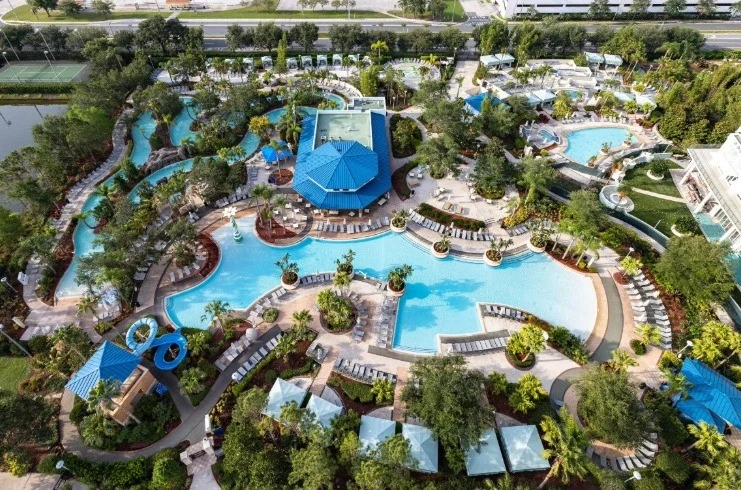


 Nila Kartika Wati
 Layla Zulfa