Layla Zulfa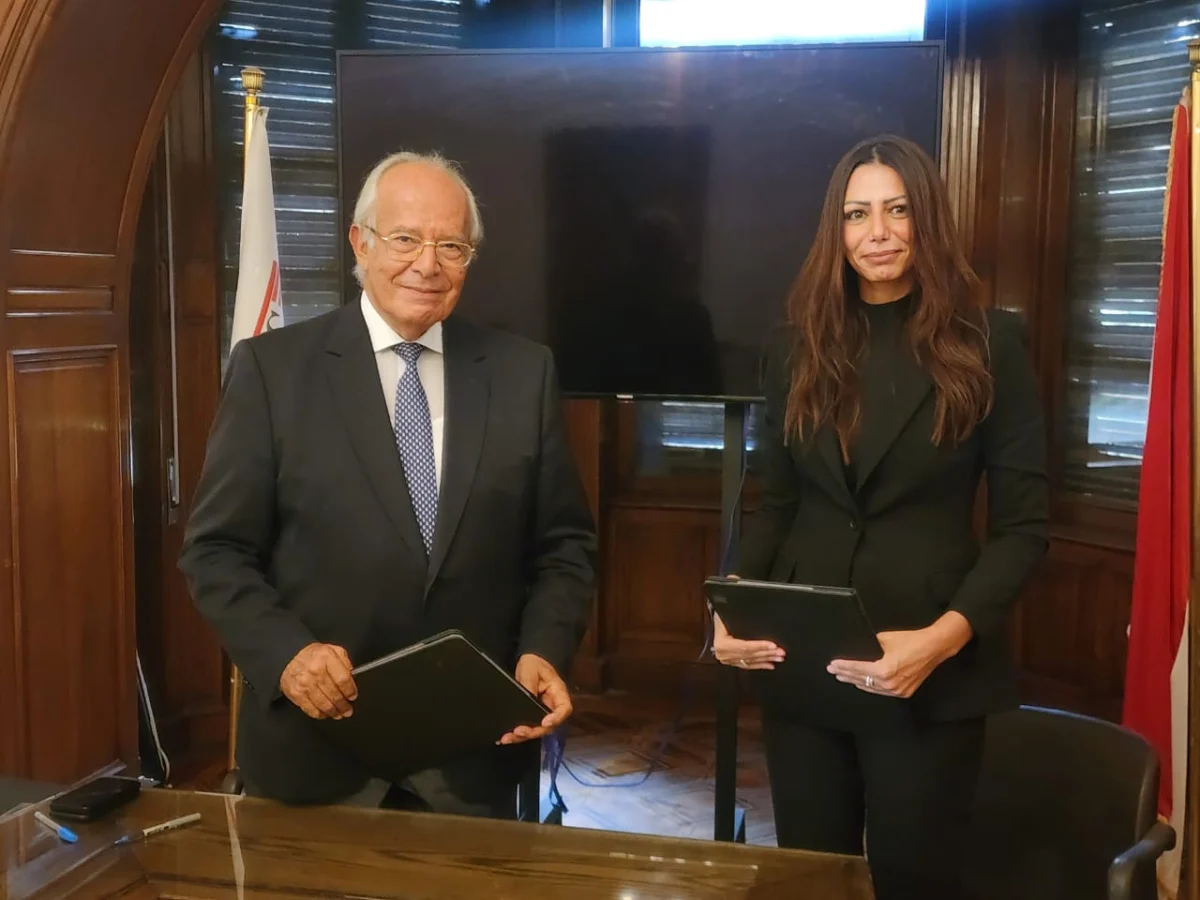
LONDON, 5th November 2025 — In a move set to redefine the operational and educational landscape of Africa’s travel and tourism sector, the World Sustainable Hospitality Alliance (the Alliance) has officially entered into a strategic Memorandum of Understanding (MOU) with Egypt’s Regional Technology Center (RTC). This landmark collaboration aims to fuse global sustainability standards with cutting-edge digital infrastructure, creating a robust framework for professional development and operational efficiency across the continent.
As Africa cements its position as one of the world’s most dynamic tourism growth markets, the partnership arrives at a critical juncture. By leveraging the Alliance’s extensive network of 300+ hotel brands and the RTC’s technical proficiency, the initiative seeks to bridge the widening digital divide, ensuring that the next generation of hospitality professionals is equipped to navigate an increasingly tech-reliant industry.
The Strategic Imperative: Why Now?
The African hospitality industry has historically faced a "skills-technology gap." While the continent possesses immense cultural and natural assets, the infrastructure for training, certifying, and digitizing the workforce has often lagged behind international benchmarks.
The Alliance, which represents over 66,000 properties and eight million rooms globally, identified Africa as a priority region for "Net Positive Hospitality"—a philosophy where the industry gives back more to local ecosystems than it consumes. By integrating the RTC’s digital tools into the regional hospitality value chain, the partners aim to move beyond traditional training methods, moving toward a data-driven, scalable model that can be replicated from Cairo to Cape Town.
Chronology of the Collaboration
The partnership did not emerge in a vacuum. It is the culmination of a multi-year effort to harmonize international hospitality standards with local African requirements:
- Q1 2024: Initial exploratory discussions between the Alliance and regional stakeholders in Cairo regarding the necessity of a unified digital repository for hospitality skills.
- Q3 2024: Identification of the Regional Technology Center (RTC) as the primary technical partner due to their proven track record in digital transformation projects across Northern Africa.
- Q1 2025: Drafting of the MOU, focusing on harmonizing curriculum standards with international certification requirements.
- November 5th, 2025: Formal signing ceremony in London, solidifying the strategic alliance and setting the roadmap for the initial phase of deployment.
- Q1 2026 (Projected): Launch of the first regional "Digital Hospitality Hub," designed to pilot remote-learning modules for rural hospitality workers.
Supporting Data: The Scale of the Opportunity
The significance of this partnership is underscored by the current state of the African tourism market. According to recent industry projections:
- Workforce Growth: The travel and tourism sector in Africa is expected to grow by 5.8% annually through 2030, outpacing global averages.
- Digital Integration: Despite high mobile penetration, less than 35% of small-to-medium hospitality enterprises in Sub-Saharan Africa utilize cloud-based management systems, limiting their ability to compete globally.
- The "Net Positive" Gap: The Alliance’s own research suggests that by digitizing supply chain monitoring, hotels could reduce food waste and energy consumption by up to 22% within three years, provided the staff is trained to utilize these systems.
These figures illustrate the "technological deficit" that the Alliance and RTC intend to close. By formalizing this partnership, the organizations are not merely providing software; they are building a digital backbone for sustainable growth.
Official Responses and Strategic Vision
Glenn Mandziuk, President & CEO of the World Sustainable Hospitality Alliance, underscored the urgency and the potential of the agreement.
"This collaboration is a vital step in supporting local communities, driving economic opportunity, and helping the hospitality workforce thrive in a digital world," Mandziuk stated during the signing ceremony. "Our vision is clear: we are unlocking technology’s potential to create a skilled, empowered, and sustainability-driven hospitality sector across Africa. We are moving from the era of manual, resource-heavy operations to an era of ‘Net Positive’ intelligence, where the technology serves both the bottom line and the environment."
Representatives from the RTC added that the partnership will prioritize "localized digital infrastructure." By creating a platform that recognizes regional languages and specific local cultural nuances, the RTC ensures that the training modules are not just imported Western concepts, but tools tailored for the African context.
Implications: A New Era for African Hospitality
The implications of this MOU extend far beyond the training of staff. The partnership is expected to influence four major pillars of the regional industry:
1. Elevating Employability and Talent Retention
One of the primary challenges in the African tourism sector is the "brain drain" of talent to other sectors or overseas. By providing internationally recognized, technology-certified training, the Alliance and RTC hope to create a clear career progression path for young Africans, keeping top talent within the continent’s hospitality ecosystem.
2. Accelerating the "Net Positive" Transition
Sustainability is no longer a luxury; it is an operational requirement. The partnership will roll out digital monitoring tools that allow hotels to track carbon footprints, water usage, and waste management in real-time. This level of transparency is essential for hotels looking to attract the growing segment of eco-conscious international travelers.
3. Strengthening SME Resilience
Large international hotel chains often have their own proprietary systems, but small-to-medium enterprises (SMEs) struggle with access to technology. The Alliance’s initiative will democratize access to essential digital management tools, allowing smaller properties to participate in the global tourism economy on a more level playing field.
4. Policy Advocacy and Standardization
By working with governments, the Alliance and RTC will advocate for national policies that favor digital tourism infrastructure. This could include tax incentives for hotels that adopt green-digital technology or the integration of hospitality-tech into national vocational education systems.
Addressing the Challenges of Implementation
While the goals are ambitious, the partners acknowledge the hurdles ahead. Connectivity remains a challenge in many parts of the continent, and the cost of hardware is a barrier for many small operators.
To mitigate this, the RTC has committed to developing "offline-first" modules—training programs that can be downloaded and completed without a constant internet connection, syncing data only when a connection becomes available. Furthermore, the Alliance is leveraging its massive network of corporate members to provide refurbished hardware and technical scholarships for workers in underserved areas.
Conclusion: A Future-Ready Continent
The MOU between the World Sustainable Hospitality Alliance and the Regional Technology Center is more than a administrative agreement; it is a declaration of intent. It acknowledges that the future of Africa’s hospitality sector lies in the intersection of its people and its digital potential.
By empowering a workforce that is both digitally fluent and environmentally conscious, the partnership is laying the groundwork for a more resilient, inclusive, and profitable tourism industry. As the world watches Africa’s tourism potential unfold, this collaboration stands as a testament to the power of strategic, cross-border partnerships in achieving global sustainable development goals.
The journey toward "Net Positive Hospitality" is long, but with the combined resources of the Alliance and the RTC, Africa is now firmly on the map as a leader in the digital evolution of the global hospitality industry. For the hotelier in a bustling city or the boutique lodge operator in the savanna, the promise of this partnership is simple: a stronger, more sustainable future, delivered through the power of innovation.


 Dwi Wanna
 Basiran