
 Sagoh
Sagoh
Morale at Flock Safety, once heralded as the darling of the "smart city" security revolution, has reached a nadir. The company, which transformed the landscape of law enforcement through its network of AI-powered automated license plate recognition (ALPR) cameras, is currently navigating a period of unprecedented turbulence. As the firm grapples with plummeting public perception and legislative resistance, internal reports indicate that 18 percent of its workforce—approximately 270 employees—will be laid off by the end of October.
This contraction follows a series of internal and external stressors that have cast a shadow over the company’s once-meteoric rise. While the layoffs are framed as a strategic adjustment, they arrive against a backdrop of intensifying bipartisan opposition and a growing movement of civil resistance that has seen the company’s hardware physically targeted by the public.
The Anatomy of the Cuts
The decision to reduce the workforce, first reported by Reuters, marks a significant turning point for a company that had previously enjoyed rapid, aggressive expansion. Flock Safety, which maintained a headcount of approximately 1,500 prior to the announcement, is moving to streamline operations.
The layoffs appear to be the culmination of a broader strategy to stabilize the company. Just three weeks prior to the news of the impending layoffs, WIRED revealed that the firm had initiated a voluntary buyout program, offering "generous" severance packages to staff. It remains unclear how many of the 270 employees slated for departure are choosing to exit via these buyouts versus those facing involuntary termination.
The move suggests a company attempting to reconcile its massive overhead with a shrinking pipeline of state and municipal contracts. For a startup that built its brand on the promise of "eliminating crime," the pivot toward austerity signals that the political and social costs of their product are beginning to outweigh the projected revenue.
A Chronology of Controversy
To understand the current crisis, one must look at the rapid proliferation of Flock technology over the last several years.
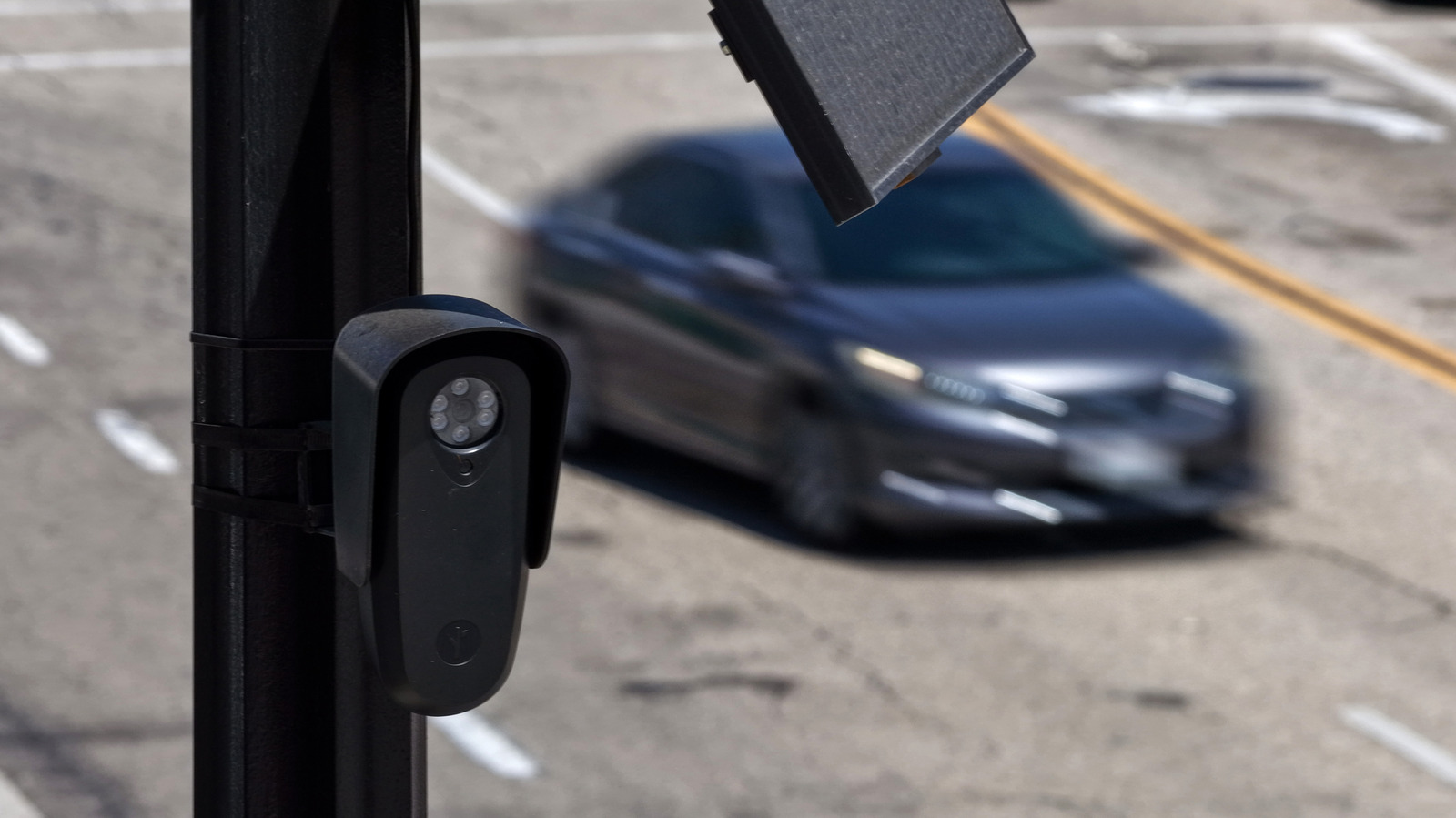
- The Early Growth Phase: Flock Safety surged into the public sector by marketing itself as a force multiplier for understaffed police departments. By utilizing motion-activated, solar-powered cameras that instantly cross-reference license plates against databases of stolen vehicles and missing persons, the company promised a "frictionless" security apparatus.
- The Tipping Point: As cameras moved from gated communities into public intersections and highways, privacy advocates began sounding the alarm. The transition from private security to public mass surveillance triggered a wave of lawsuits and public record requests.
- The Bipartisan Backlash: By 2026, the criticism was no longer confined to civil liberties groups. It reached the halls of power. In Florida, Governor Ron DeSantis enacted a ban on the cameras on state highways, citing a fundamental opposition to a "surveillance state." Similarly, in Texas, Governor Greg Abbott moved to cut off state funding for local jurisdictions using the devices, a move viewed by many as a calculated appeal to privacy-conscious conservative voters.
- The Public Resistance: The backlash also moved into the streets. Social media platforms, including X (formerly Twitter) and TikTok, have hosted viral videos of individuals dismantling or spray-painting Flock cameras. This "vigilante" movement has garnered significant support from online communities that view the cameras as an invasive, unconstitutional encroachment on public life.
Supporting Data: The Erosion of Trust
The data regarding the decline of Flock’s influence is multifaceted. While the company still maintains thousands of units across the United States, the loss of high-profile contracts has been a major blow to its reputation.
The Los Angeles Police Department (LAPD)—one of the largest law enforcement agencies in the country—recently made the decision not to renew its contract with Flock. This decision, driven by both budget concerns and pressure from local oversight boards, serves as a bellwether for other large metropolitan areas currently reevaluating their reliance on private surveillance technology.
Furthermore, the ideological spectrum of the opposition is unique in the modern political climate. It is rare for a technology to be simultaneously condemned by progressive activists, who fear the disparate impact on marginalized communities, and by right-wing populist figures. The fact that commentators as divergent as Hasan Piker and Tucker Carlson have found common ground in their disdain for Flock’s surveillance network highlights the sheer scale of the company’s public relations crisis.
Official Responses and Corporate Strategy
Flock Safety has remained largely tight-lipped regarding the specifics of the layoffs, though internal memos shared with staff suggest an attempt to pivot back to core product development. In previous statements, the company has defended its technology by emphasizing its success in solving violent crimes, such as kidnapping and carjackings.
The company’s leadership maintains that the software is a tool for law enforcement, not a tool for mass surveillance, arguing that the data is limited in scope and duration. However, these defenses have struggled to gain traction in an environment where the public is increasingly wary of "Big Brother" tech companies.
Industry analysts suggest that the company is currently caught in a "regulatory pincer." On one side, they face stricter state-level data retention laws; on the other, they are losing the municipal funding that allowed them to scale so rapidly in their early years. The current layoff strategy is an acknowledgment that the "growth at all costs" era is over, replaced by a need to appease nervous investors who are wary of the mounting legal liabilities.
Implications for the Future of Surveillance
The struggle of Flock Safety has profound implications for the future of the private-public surveillance partnership.
1. The Legal Landscape
As state legislatures in Pennsylvania, Florida, and beyond begin to codify bans on certain types of ALPR usage, the legal ground beneath Flock is shifting. We are likely to see a wave of litigation regarding the ownership of the data captured by these devices. Who owns the footage? Is it the private company or the state? As the law catches up to the technology, the operating model for companies like Flock will face intense judicial scrutiny.
2. The Normalization of Resistance
The viral nature of camera destruction suggests that public tolerance for surveillance infrastructure is at an all-time low. When a product is viewed not as a utility but as an antagonist, the cost of maintenance—including the physical protection of the assets—increases exponentially. If Flock cannot ensure the physical integrity of its cameras, the business model becomes untenable.
3. Ethical Considerations
The broader societal implication is the growing debate over the "technological solutionism" of modern policing. By offloading surveillance to private firms, police departments have bypassed public debate and democratic oversight. The pushback against Flock is, at its core, a pushback against the privatization of the police state. It represents a demand for accountability and a rejection of the idea that technology can replace the complexities of constitutional policing.
Conclusion: A Precarious Path Forward
As Flock Safety prepares to let go of 18 percent of its workforce, the company stands at a crossroads. The technical efficacy of their platform—which undoubtedly has aided in the resolution of criminal investigations—is being overshadowed by the social and political toxicity of the surveillance state it has helped construct.
Whether the company can survive by narrowing its focus or if it is destined to become a cautionary tale in the annals of Silicon Valley remains to be seen. What is clear, however, is that the era of unfettered, unvetted surveillance technology installation is coming to a close. The public, the legislatures, and even the law enforcement agencies that once courted these solutions are now retreating. For Flock Safety, the future will not be measured by the number of cameras installed, but by the company’s ability to survive in a climate that no longer welcomes its presence.


 Pevita Pearce
 Nana Muazin





