
 Raul Delapena Setiawan
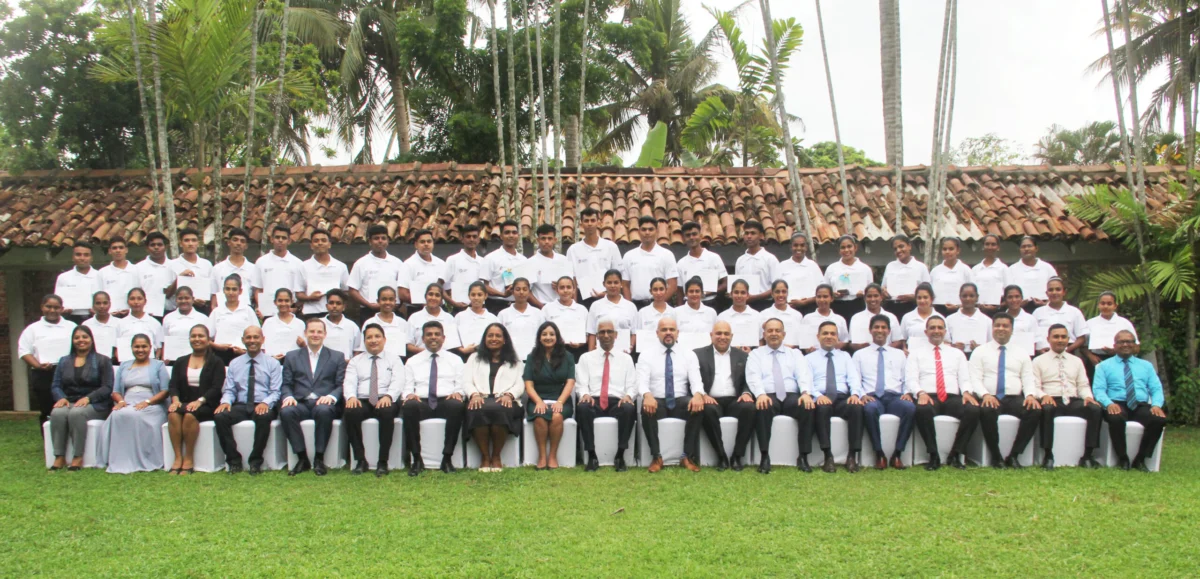
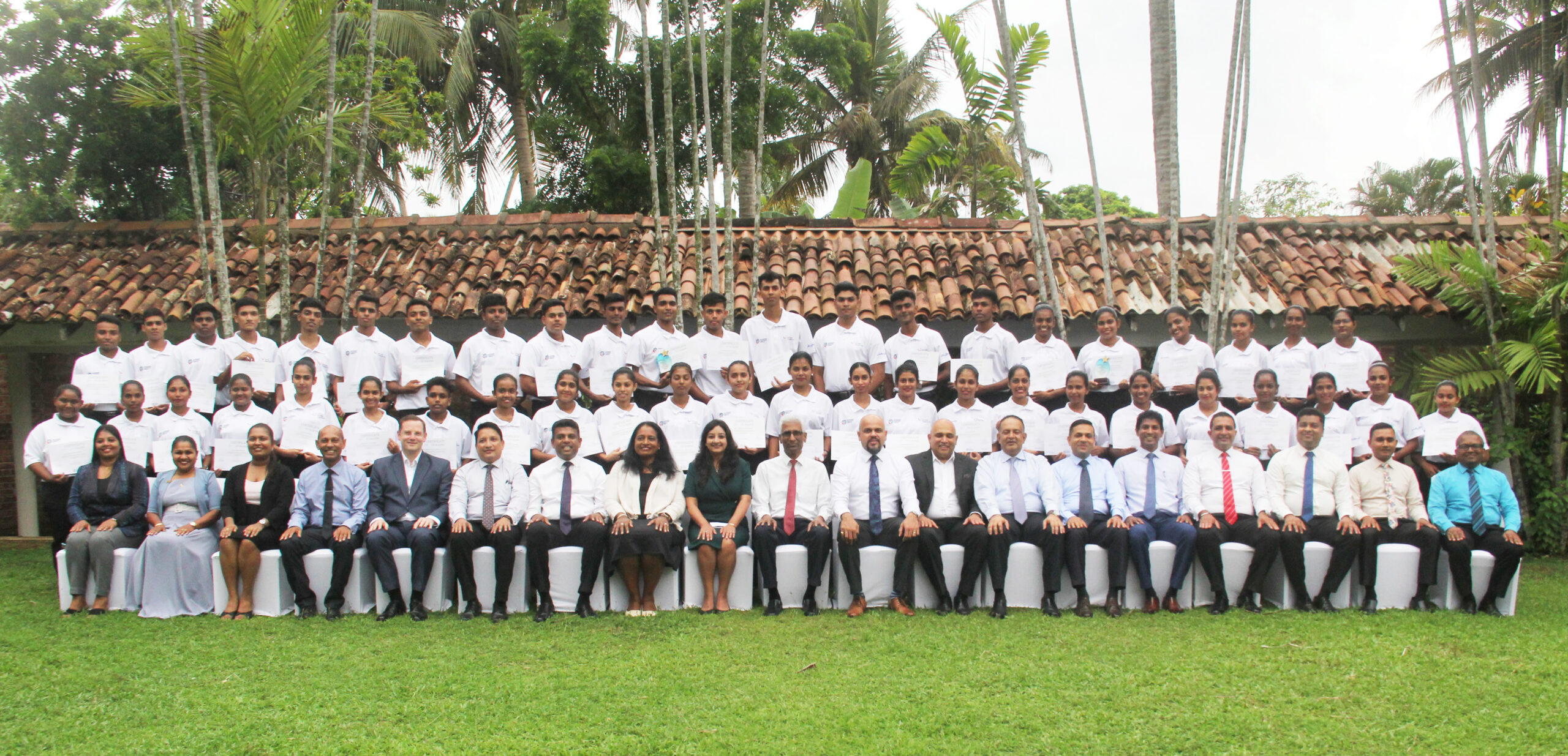
On October 17th, the picturesque setting of Heritance Ahungalla served as the backdrop for a momentous occasion: the graduation of 46 resilient young individuals from the TUI Academy. This ceremony was more than a mere presentation of certificates; it represented the culmination of an intensive journey focused on hospitality training, life skills development, and the cultivation of professional confidence. As the tourism sector in Sri Lanka continues to navigate the complexities of a post-pandemic global market, the TUI Academy stands as a beacon of hope, proving that targeted investment in human capital is the most sustainable path forward for the hospitality industry.
Main Facts: The Graduation at Heritance Ahungalla
The graduation ceremony in Ahungalla marked the successful completion of a comprehensive employability program for students hailing from two distinct hubs: Kandalama and Ahungalla. These graduates have spent months immersed in a rigorous curriculum designed not only to teach the technical nuances of hotel operations but also to instill a sense of agency and ambition.
The TUI Academy, a flagship initiative supported by the TUI Care Foundation and the Sustainable Hospitality Alliance, focuses on bridging the gap between education and employment. By aligning its curriculum with the actual needs of the hospitality sector, the Academy ensures that its graduates are not just "job-ready" but are prepared to excel in high-pressure, guest-facing environments. A notable hallmark of this specific cohort was the emphasis on gender equality; a significant number of the graduates were young women, a demographic that remains a strategic priority for the program to ensure equitable growth in the Sri Lankan labor market.
Chronology: A Path to Professional Maturity
The journey for these 46 individuals began months prior to the October 17th celebration. The TUI Academy’s methodology is built upon a structured, multi-phase developmental timeline:
- Phase 1: Recruitment and Selection. The program initiates by identifying youth from underserved backgrounds who demonstrate aptitude and a desire to pursue a career in hospitality. This phase is critical, as it focuses on candidates who may lack formal access to high-quality vocational training.
- Phase 2: Technical Skill Acquisition. Students undergo training in core departments, including Front Office, Food & Beverage, and Housekeeping. This ensures a holistic understanding of how a luxury resort like Heritance operates.
- Phase 3: Soft Skills and Life Coaching. Recognizing that technical skill alone is insufficient, the program places a heavy emphasis on "life skills." This includes conflict resolution, English language proficiency, digital literacy, and the development of emotional intelligence.
- Phase 4: Mentorship and Internship. The final phase involves hands-on experience within real-world environments. Mentorship by industry veterans allows students to internalize the standards of excellence required in international tourism.
- The Graduation (October 17th): The final milestone, where industry leaders, trainers, and family members gathered to celebrate the transition from student to professional.
Supporting Data: Why Vocational Training Matters
The necessity of the TUI Academy is underscored by the current economic climate in Sri Lanka. Tourism remains a primary pillar of the nation’s economy, yet a significant skills gap exists between the youth population and the requirements of luxury hospitality providers.
According to recent labor market reports, the youth unemployment rate in Sri Lanka has historically been a point of concern. Programs like the TUI Academy are vital because they directly address this disparity. Data from the TUI Care Foundation suggests that graduates of the Academy have a high retention rate within the hospitality sector, with many securing positions immediately following graduation.
Furthermore, the focus on women’s empowerment is supported by data indicating that women in the tourism sector often face higher barriers to entry and professional advancement. By providing a safe, structured environment, the Academy effectively removes these barriers. When young women are empowered through professional training, the economic impact is multiplied—studies show that women are more likely to reinvest their earnings into their families and local communities, creating a "ripple effect" of development.
Official Responses and Stakeholder Perspectives
The success of the program is rooted in a collaborative approach. Representatives from the Sustainable Hospitality Alliance have noted that the TUI Academy serves as a blueprint for "responsible tourism."
"We are not just training employees; we are building future leaders," remarked a spokesperson during the graduation. "The collaboration between the TUI Care Foundation and local hospitality partners like Heritance Hotels has been essential. By bringing the training directly to the regions where the youth live, we minimize the barrier of relocation and foster community pride."
For the graduates, the sentiment is one of profound transformation. Many attendees shared stories of how the program helped them overcome shyness or a lack of self-belief. "I didn’t just learn how to serve a table or check in a guest," one graduate noted during the ceremony. "I learned how to speak with confidence and how to see myself as a professional with a future."
Industry mentors also weighed in on the quality of the candidates. Managers at the Heritance properties reported that the TUI Academy graduates often bring a level of dedication and enthusiasm that sets them apart from their peers. This feedback loop is essential, as it encourages the hotels to continue investing time and resources into the training pipeline.
Implications: Sustainability and the Future of Sri Lankan Tourism
The implications of the TUI Academy’s success in Sri Lanka are far-reaching. As the global tourism industry shifts its focus toward ESG (Environmental, Social, and Governance) goals, programs that emphasize social sustainability are becoming increasingly critical.
1. Promoting Economic Independence
By creating a sustainable pipeline of talent, the Academy ensures that the economic benefits of tourism stay within the local communities. Rather than relying on external labor, hotels can foster local talent, which reduces recruitment costs and increases staff retention—a key metric for operational success.
2. The Multiplier Effect of Gender Equality
The empowerment of young women through this program is perhaps its most significant achievement. By providing women with the tools to achieve financial independence, the TUI Academy is contributing to a broader societal shift in Sri Lanka. As these women enter the workforce and move into management roles, they serve as role models for younger generations, effectively breaking cycles of poverty and gender-based exclusion.
3. A Model for Global Expansion
The TUI Academy model is highly scalable. Its success in Kandalama and Ahungalla provides a template that can be exported to other tourism-dependent nations. By tailoring the curriculum to local cultural contexts while maintaining global standards of service, the initiative demonstrates how international organizations can partner with local communities to create genuine, long-term impact.
4. Community Resilience
In a country that has faced its share of economic instability, the presence of the TUI Academy offers a sense of continuity and stability. The community sees that despite the ups and downs of the tourism market, there is a dedicated effort to ensure that the youth are not left behind. This fosters a stronger relationship between the tourism industry and the local population, mitigating potential tensions and ensuring that tourism is viewed as a beneficial partner in regional development.
Conclusion: A Call for Continued Support
The graduation on October 17th was a celebration of 46 individual journeys, but it also serves as a broader call to action. The work done by the TUI Academy is a testament to the fact that when we invest in human potential, the returns are infinite.
However, the journey does not end at graduation. To truly sustain this momentum, continued support from policymakers, hospitality leaders, and international development agencies is required. We must advocate for policies that prioritize vocational training and recognize the intrinsic value of the service industry as a career path rather than a temporary stopgap.
As we look toward the future, the TUI Academy in Sri Lanka stands as a beacon of progress. It reminds us that the most significant assets of any hotel—or any nation—are its people. By equipping the next generation with the skills, confidence, and opportunities they deserve, we are not just strengthening the hospitality industry; we are building a more inclusive, prosperous, and sustainable future for all. Let us continue to champion these initiatives, ensuring that the next cohort of graduates has the same opportunity to thrive and lead in the vibrant world of hospitality.


 Nana

 Ammar Sabilarrohman






