Neng Nana
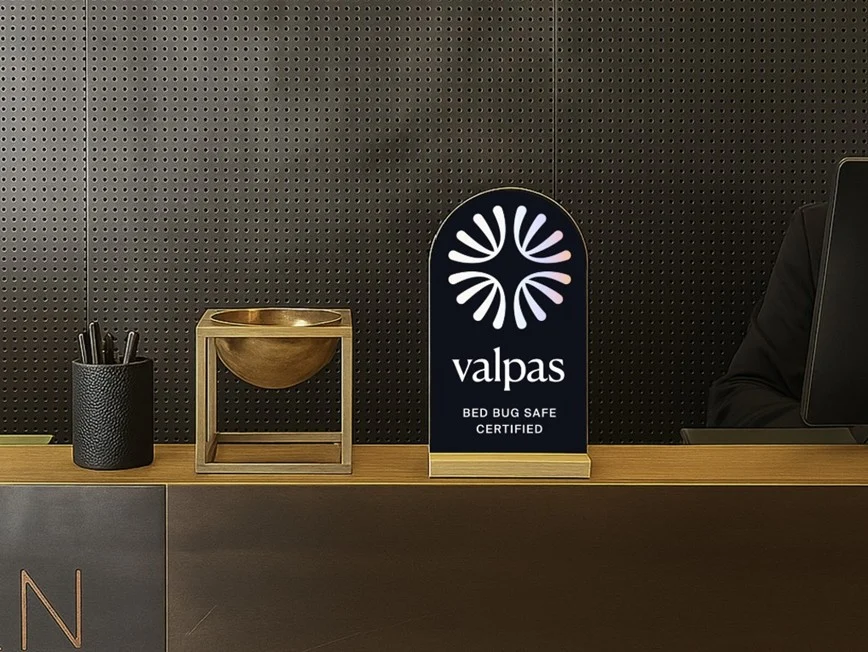
LONDON – December 3, 2025 – In a significant move that signals a paradigm shift in how the global hospitality industry approaches guest wellness and environmental stewardship, the World Sustainable Hospitality Alliance (the Alliance) has officially welcomed Valpas into its prestigious network of industry leaders. This strategic partnership aims to institutionalize a new global standard for "bed bug-safe" and "pesticide-free" hotel accommodations, effectively bridging the gap between high-end guest experiences and rigorous, non-toxic environmental safety.
The Convergence of Technology and Sustainability
The collaboration arrives at a pivotal moment for the hospitality sector. As global travel continues to rebound to record levels, the industry faces mounting pressure to address two often-conflicting challenges: maintaining pristine, sanitary environments and minimizing the reliance on harmful chemicals.
Valpas, a technology-driven company that has pioneered a proprietary method for proactive, non-toxic bed bug prevention, has emerged as the industry’s answer to these challenges. By integrating seamless in-room technology that monitors and prevents infestations before they become a guest-facing issue, Valpas offers a digital proof of safety. This innovation not only protects the structural integrity of a hotel’s reputation but also upholds the health of the local ecosystem by eliminating the need for traditional, often toxic, pest control interventions.
Chronology of a Growing Necessity
The integration of Valpas into the Alliance’s ecosystem is the culmination of years of escalating awareness regarding the "hidden" costs of hospitality.
- Pre-2020: The industry largely relied on reactive, chemical-heavy pest management. Bed bug outbreaks were viewed as a private operational failure, often handled in silence to protect brand equity.
- 2021–2023: As global travel resumed post-pandemic, the incidence of bed bug reports skyrocketed, leading to widespread consumer anxiety. The "fear factor" became a significant barrier to guest loyalty.
- 2024: Valpas gained significant traction, moving from a niche solution for boutique hotels to a standard-setter for major properties. Their certification program began appearing on major Online Travel Agencies (OTAs), providing travelers with transparency.
- December 2025: The World Sustainable Hospitality Alliance, recognizing that guest health and environmental safety are inextricably linked, formalized the partnership with Valpas to scale this standard globally.
The Science of the "Net Positive" Stay
The core of this partnership rests on the concept of "Net Positive" hospitality—a philosophy championed by the Alliance that seeks to ensure hotels give back more to their communities and the environment than they extract.
Traditional pest control methods often involve heavy synthetic pesticides, which can leach into groundwater, affect indoor air quality, and pose long-term health risks to both staff and guests. By adopting the Valpas technology, hotels are effectively decarbonizing their maintenance operations while enhancing the "wellbeing" pillar of their ESG (Environmental, Social, and Governance) reporting.
With over 300 certified hotels across 70 destinations already utilizing the technology, the impact is measurable. Hotels are reporting not only a decrease in guest complaints but also a significant reduction in long-term maintenance costs associated with chemical treatments and furniture disposal due to infestations.
Official Perspectives: A Shared Vision for the Future
The Alliance’s Strategic Outlook
Glenn Mandziuk, President & CEO of the World Sustainable Hospitality Alliance, underscored the importance of this partnership in broadening the definition of sustainability.
"We are delighted to welcome Valpas to the Alliance," Mandziuk stated. "Their innovative approach to creating safe, pesticide-free stays brings a powerful new dimension to hospitality sustainability. By tackling an often-overlooked issue in guest wellbeing and environmental health, Valpas exemplifies how technology and purpose can combine to create lasting positive impact for both people and the planet."
For the Alliance, this is not merely about pest control; it is about setting a standard that prioritizes human health as a fundamental component of a sustainable business model.
The View from the Tech Frontlines
Martim Gois, Co-founder and CEO of Valpas, believes this alliance marks the end of the "reactive era" in hotel management.
"We are delighted to join the Alliance," said Gois. "The hotel leaders in this community are already redefining what modern hospitality stands for by moving beyond outdated assumptions and taking action where others still hesitate. By choosing Valpas, the Alliance and its members send a clear signal about the present and future of 5-star hospitality: a standard that no longer plays with avoidable risks, makes no toxic compromises, and extends guest care beyond the stay itself by ensuring they take nothing unwanted home."
Implications for the Global Hospitality Market
The partnership between Valpas and the Alliance carries profound implications for the industry at large, particularly for the 66,000+ hotels represented by the Alliance’s network.
1. Consumer Trust and Transparency
Modern travelers are more informed than ever. The ability for a hotel to display a "Certified Bed Bug-Safe" badge provides a competitive advantage. In an era where online reviews can make or break a brand, the assurance of a chemical-free, safe room is a high-value commodity.
2. Operational Efficiency
The shift from reactive chemical treatments to proactive, technology-driven prevention represents a move toward "smart hotel" operations. This reduces the labor costs associated with deep-cleaning rooms after infestations and eliminates the need for expensive, recurring chemical contracts.
3. Strengthening ESG Reporting
Large hospitality groups—including the likes of Hilton, Marriott, and IHG, which are part of the Alliance’s broader ecosystem—are under constant pressure to report on their environmental impact. Integrating non-toxic, sustainable pest management protocols provides a concrete, data-backed metric to include in sustainability reports, proving that the hotel is actively working to reduce chemical footprints.
4. Setting the Global Benchmark
By establishing a unified standard, the Alliance is effectively putting pressure on the broader industry to adopt better practices. What is currently a "premium" or "innovative" service is likely to become the baseline expectation for travelers within the next five years.
The Path Forward: A Vision for 2030
As the industry moves toward 2030, the goals set by the World Sustainable Hospitality Alliance remain ambitious. The organization aims to foster a sector that is not only sustainable but regenerative.
The partnership with Valpas serves as a template for future collaborations. It demonstrates that the most effective sustainability initiatives are those that solve a tangible business problem—in this case, guest safety—while simultaneously addressing a broader environmental concern.
As more hotels join the ranks of those adopting the Valpas standard, the "toxic, reactive" model of the past will likely fade, replaced by a digital-first, health-conscious approach. This evolution is not just a win for the hotels and the technology providers; it is a fundamental improvement in the experience of the millions of guests who check into hotels every night, seeking comfort, safety, and a clean environment.
For further information regarding these initiatives and how they are shaping the future of global tourism, industry stakeholders are encouraged to engage with the resources provided by the World Sustainable Hospitality Alliance at sustainablehospitalityalliance.org.
About the World Sustainable Hospitality Alliance
The World Sustainable Hospitality Alliance (the Alliance) is the leading network for responsible hospitality. They work with the industry to address key environmental and social challenges, leveraging the collective power of their members to drive change. Their membership includes some of the world’s most prominent hotel companies, representing over 8 million rooms globally. Through collaborative action, they aim to ensure that the hospitality industry contributes to a sustainable future for all.

 Nana

 Ammar Sabilarrohman