Layla Zulfa
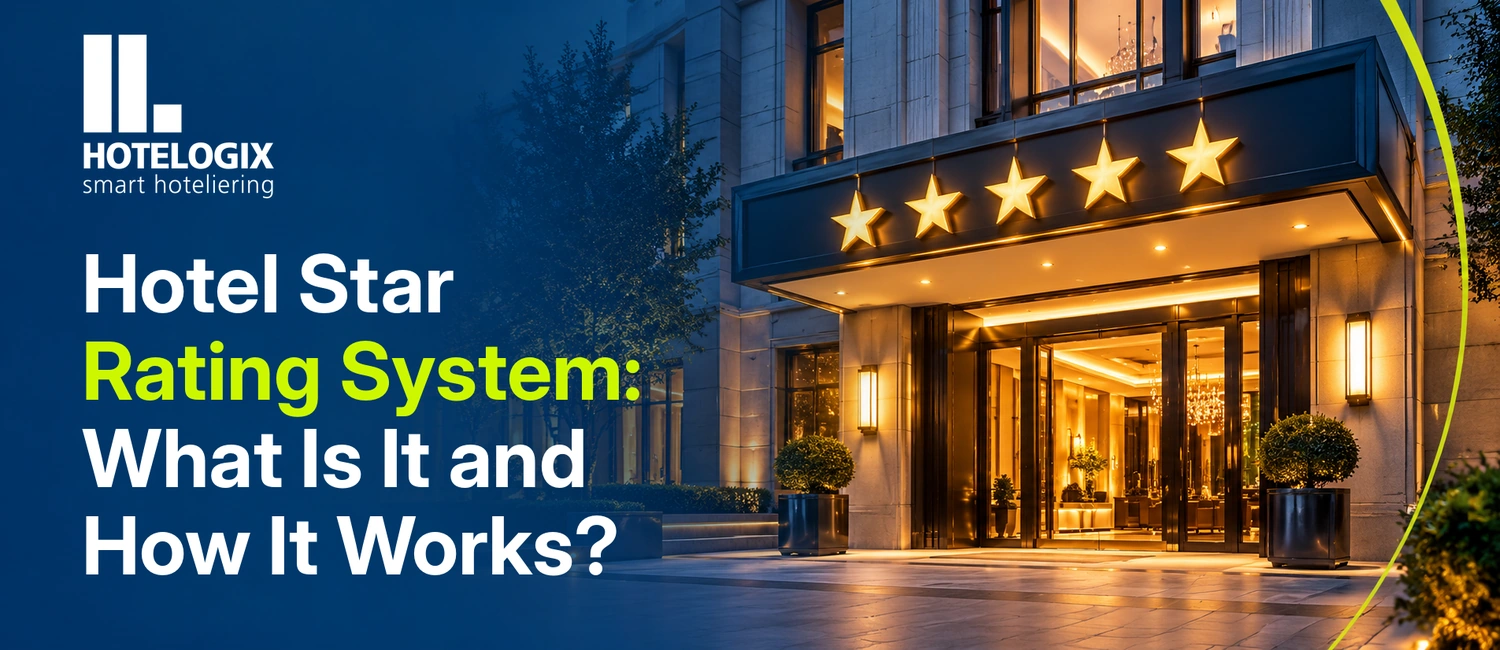
For the modern traveler, a "five-star hotel" evokes a specific mental image: crisp linens, impeccable service, and an atmosphere of effortless luxury. Yet, a frequent flyer knows that a five-star property in one corner of the globe may offer a vastly different experience than an equivalent rating in another. In the complex world of hospitality, the star rating system acts as a shorthand for quality—but it is a language that lacks a universal dictionary.
Understanding what these ratings truly represent is essential for both the discerning traveler seeking value and the hotelier striving to elevate their brand. As the industry evolves, the distinction between formal classification, independent luxury evaluations, and the raw, unfiltered feedback of guest reviews has never been more critical.
The Myth of a Universal Standard
The most prevalent misconception in the travel industry is the belief that there is a single, global authority governing hotel star ratings. In reality, no such organization exists. Instead, the hospitality landscape is a patchwork of government-led frameworks, private industry associations, and independent auditing bodies.
When a property displays a star rating, it is essentially a badge of compliance against a specific set of regional or organizational criteria. A three-star hotel in a European city governed by the Hotelstars Union, for instance, has met rigorous, standardized requirements for room size, bathroom facilities, and service hours. Conversely, in other parts of the world, a "three-star" designation might be determined by a local tourism board with entirely different priorities—perhaps focusing more on fire safety and building permits than on the quality of the breakfast buffet or the speed of the Wi-Fi.
A Chronology of Classification
The evolution of hotel grading has moved from simple, informal assessments to highly complex, data-driven frameworks.
- Early Days: Historically, classifications were loose and often relied on word-of-mouth or simple price-point indicators.
- The Rise of Standardization: During the mid-20th century, as international tourism exploded, national governments began implementing formal classification systems to protect consumers and ensure baseline health and safety standards.
- The Independent Era: As the luxury market matured, brands like Forbes Travel Guide emerged, shifting the focus from "what" a hotel has (facilities) to "how" the hotel makes the guest feel (service and experience).
- The Digital Disruption: The advent of online travel agencies (OTAs) and review platforms like TripAdvisor introduced the "Guest Review Score." This created a parallel, decentralized rating system that often conflicts with, or complements, the official stars awarded by industry bodies.
Regional Disparities: USA vs. India vs. Europe
The lack of a global standard is perhaps best illustrated by looking at how different markets approach the problem.
The United States: A Market-Driven Approach
The U.S. does not employ a federal government-run star rating system. Instead, the landscape is defined by private entities. The AAA Diamond Program is a pillar of the American hospitality industry, using a diamond-based hierarchy to assess cleanliness, comfort, and service. Similarly, the Forbes Travel Guide focuses on the ultra-luxury segment, utilizing anonymous, rigorous inspections that evaluate hundreds of objective standards. Because these systems are private, a "five-diamond" property is not officially a "five-star" property; they are apples and oranges.
India: The Government-Led Framework
In contrast, India utilizes a highly structured, government-backed system. The Ministry of Tourism, through the Hotel and Restaurant Approval and Classification Committee (HRACC), manages the classification of hotels. This system is designed to maintain national standards for quality, sustainability, and service, ensuring that properties are audited against a consistent, government-mandated checklist.
Europe: The Harmonization Movement
Recognizing the confusion caused by disparate systems, the Hotelstars Union was formed by several European countries to harmonize their classification criteria. This provides a rare example of cross-border consistency, where a four-star hotel in Germany adheres to essentially the same rigorous standards as one in Austria or Switzerland.
The Triad of Evaluation: Official, Independent, and Guest Ratings
To truly assess a property, one must distinguish between three distinct types of data:
- Official Classification: This is the baseline. It verifies that a hotel meets specific, legal, or industry-mandated requirements (e.g., fire safety, room square footage, availability of 24-hour service).
- Independent Evaluations: Bodies like Forbes or Michelin focus on the "intangibles"—the quality of the concierge, the responsiveness of housekeeping, and the sophistication of the dining experience.
- Guest Review Scores: This is the "voice of the customer." While it is not a formal classification, it provides the most up-to-date, real-world context for how a hotel functions on a daily basis.
A property can hold a five-star official rating but suffer from poor guest reviews if the service culture is toxic or the property has fallen into disrepair between inspections.
The Implications for Hoteliers
For hotel owners and operators, the star rating is more than just a marketing tool; it is a roadmap for operational excellence. Achieving a higher star category requires a fundamental alignment of physical assets and service standards.
The Gap Assessment
Hoteliers looking to upgrade their rating must conduct a thorough "Gap Assessment." This involves mapping current internal processes against the specific criteria of the desired classification body. It is rarely about buying expensive new furniture; it is about consistency. If the criteria demand 24-hour room service, the hotel must have the staff, the kitchen capabilities, and the software to manage those orders across three shifts without fail.
The Role of Technology
This is where modern technology, such as a cloud-based Property Management System (PMS) like Hotelogix, becomes indispensable. Technology does not earn stars, but it prevents the "operational friction" that causes stars to be lost.
A robust PMS connects the dots:
- Housekeeping: Automating room status updates ensures that a room is not just "clean," but "ready" exactly when the guest arrives.
- Front Desk: Centralizing guest profiles means staff can anticipate needs, fulfilling the "personalized service" requirements often found in four and five-star categories.
- Maintenance: A digital log for repairs ensures that a broken light or a dripping faucet is addressed immediately, rather than waiting for a guest to complain—a critical factor in maintaining high standards.
The Checklist for Excellence
When preparing for a classification audit, operators should focus on four pillars:
- Property & Facilities: Is the hardware maintained to the standard? (e.g., HVAC systems, plumbing, aesthetic condition).
- Service & Housekeeping: Is there a documented, repeatable procedure for every task? Are the staff trained to handle complaints with empathy and speed?
- Guest Experience: Are we delivering on the promise? (e.g., Is the check-in process seamless? Is the billing accurate?).
- Operations & Technology: Is the data flowing correctly between departments? Are we using analytics to identify bottlenecks before they impact the guest?
Final Thoughts: The Experience Outweighs the Symbol
Ultimately, a star rating is a promise of what a guest should expect. It sets the stage, but the hotel’s operational staff and their supporting technology deliver the performance.
A five-star rating is not an endpoint; it is a continuous commitment to excellence. For the hotelier, the goal should not be to chase the star, but to build an operational foundation so solid that the star becomes an inevitable byproduct of the guest experience. In an era where a single negative review can be seen by millions, the most successful hotels are those that realize that while stars set expectations, it is the quiet, consistent, and invisible work behind the scenes that keeps the guest coming back.
Whether you are a traveler choosing your next destination or an operator refining your service model, remember the cardinal rule of hospitality: Look past the emblem on the door and look for the evidence of a system that prioritizes the guest at every turn.


 Evan Lee Salim

 Iffa Jayyana