Azzam Bilal Chamdy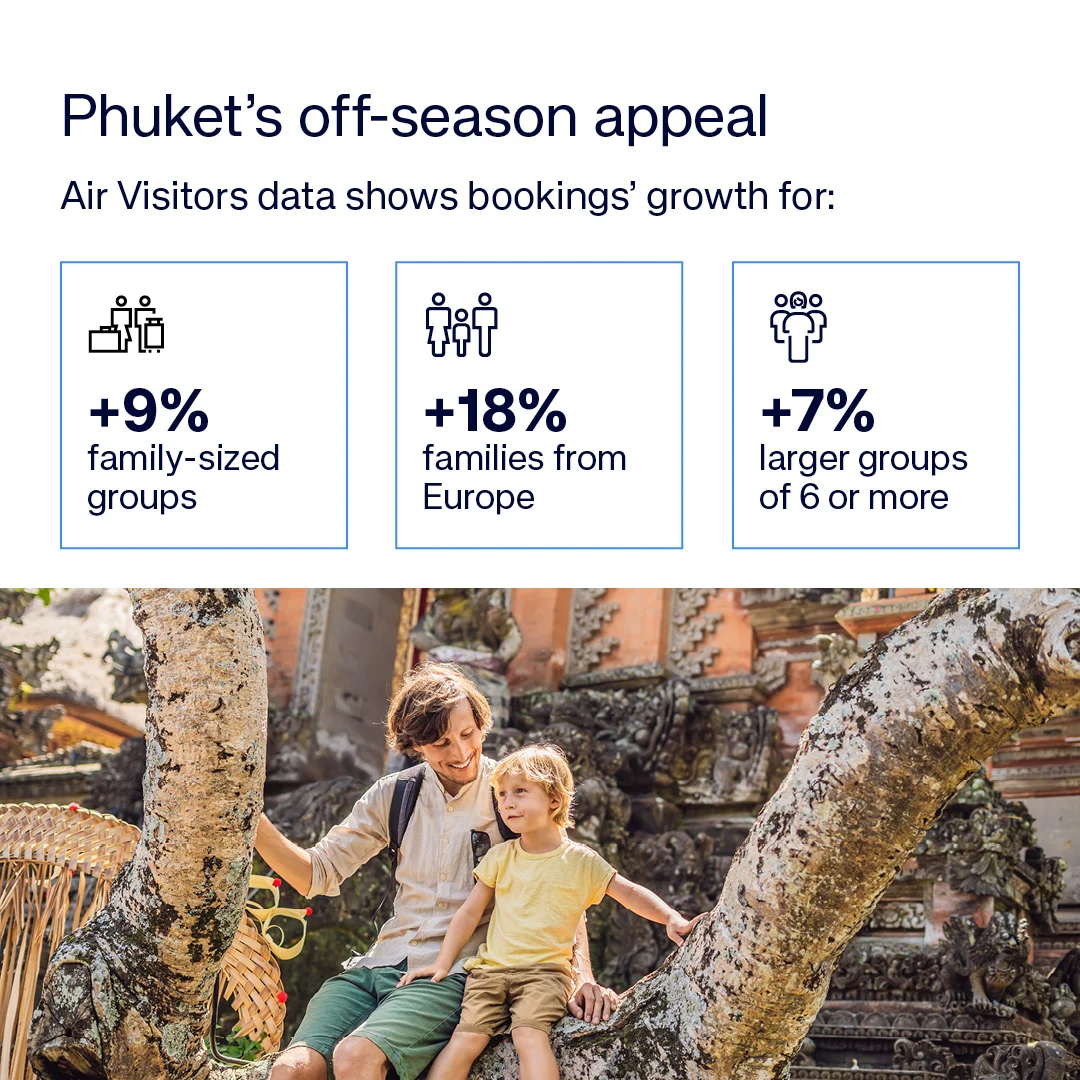
The landscape of global tourism is undergoing a profound metamorphosis, and few nations are at the epicenter of this shift as prominently as Thailand. Following years of volatility, the "Land of Smiles" is not merely recovering; it is fundamentally recalibrating its value proposition to attract a more discerning, high-value, and sustainability-conscious global traveler.
During a high-level media day hosted in the heart of Bangkok last week, industry leaders, hospitality experts, and prominent travel journalists gathered to dissect the current state of Thailand’s tourism sector. The consensus was clear: while visitor numbers are rebounding toward pre-pandemic heights, the true story lies in the evolution of the travel experience itself.
The Core Pillars of Modern Thai Tourism
The media roundtable identified four critical pillars defining the current era of Thai tourism: the rise of "slow travel," the integration of hyper-localized experiences, the dominance of digital nomadism, and an aggressive push toward sustainable luxury.
As Thailand positions itself as a destination that offers more than just sun and sand, the narrative has shifted from mass-market volume to quality-driven engagement. This strategic pivot aims to mitigate the environmental impact of over-tourism while ensuring that the economic benefits of the industry reach local communities more effectively.
Chronology of Recovery: A Timeline of Resilience
To understand where Thailand stands today, one must look back at the trajectory of the past 48 months.
2021–2022: The Sandbox Experiment
The recovery began with the "Phuket Sandbox" initiative—a bold, pioneering move that allowed vaccinated travelers to bypass strict quarantine protocols. This period was defined by caution and strict regulation, serving as a global case study for reopening borders during a health crisis.
2023: The Great Reopening
As global travel restrictions evaporated, Thailand experienced a surge in demand. The return of the Chinese market, coupled with a booming influx of European and North American travelers, tested the country’s infrastructure. This year was characterized by the "catch-up" phase, where the hospitality industry struggled to meet sudden surges in demand.
2024: The Strategic Pivot
The current year marks the shift from recovery to optimization. The government’s focus has moved toward diversifying tourist demographics and promoting secondary provinces, such as Chiang Rai and Nakhon Si Thammarat, to reduce the strain on established hubs like Bangkok and Phuket.
Supporting Data: By the Numbers
Statistical evidence confirms that Thailand’s tourism engine is firing on all cylinders. According to the latest data from the Ministry of Tourism and Sports, the kingdom welcomed over 28 million international visitors in 2023, a significant increase from the previous year.
- Average Spend Per Trip: There has been a marked 15% increase in the average daily expenditure of international tourists compared to 2019. This suggests that travelers are staying longer and opting for higher-end accommodations and curated experiences.
- Market Diversification: While regional neighbors remain the largest source of arrivals, there has been a record-breaking influx of travelers from the Middle East and India, both of which have become critical growth markets for the luxury and wedding tourism segments.
- Hotel Occupancy Rates: Bangkok’s luxury hotel sector reported occupancy rates exceeding 80% during the first quarter of 2024, signaling that the demand for premium hospitality remains robust despite global economic headwinds.
Official Responses and Strategic Outlook
During the recent media event, representatives from the Tourism Authority of Thailand (TAT) emphasized that the focus for the remainder of the decade is "meaningful travel."
"We are no longer chasing the highest number of arrivals," noted one senior official during the panel. "We are chasing the highest quality of engagement. We want travelers who stay longer, explore deeper, and contribute to the preservation of our cultural and natural heritage."
The government’s response to the challenges of over-tourism has been multi-faceted. Key initiatives include the implementation of a "Tourism Fee" (temporarily deferred to encourage growth) and the aggressive promotion of "soft power" initiatives, including Thai gastronomy, Muay Thai, and traditional wellness practices. These efforts are designed to ensure that Thailand remains a top-of-mind destination, regardless of fluctuating economic conditions in Western source markets.

Implications: The Future of the "Land of Smiles"
The implications of these shifts are far-reaching, both for the local economy and for the international traveler.
For the Hospitality Sector
Hotels are moving away from standardized service models. The new mandate is personalization. With the rise of AI-driven guest services and a focus on wellness, Thai hotels are increasingly competing with global luxury hubs like Singapore and Dubai. The emphasis is on "Wellness Tourism," with Thailand aiming to become the medical and holistic health capital of Asia.
For the Environment
The government has mandated that major tourist provinces must adopt more rigorous waste management and carbon reduction policies. The "Green Tourism" initiative, while still in its infancy, is becoming a prerequisite for international hotel chains operating in the country. Travelers are increasingly asking for eco-certifications, and the industry is responding by retrofitting properties with renewable energy solutions.
For the Global Traveler
The modern tourist can expect a more fragmented, personalized experience. Gone are the days of the standard "Bangkok-Pattaya-Phuket" loop. The current trend favors "hidden gems," where travelers are incentivized to visit lesser-known regions through tax breaks for local operators and better digital infrastructure in rural areas. This decentralization of tourism is vital for the long-term sustainability of the sector.
Challenges on the Horizon
Despite the optimism, the industry is not without its hurdles. Infrastructure strain in major cities remains a concern, with traffic congestion and environmental degradation posing threats to the visitor experience. Furthermore, the volatility of the global economy means that the industry must remain agile. The reliance on tourism—which accounts for nearly 18% of Thailand’s GDP—means that any shift in geopolitical stability or global flight costs could have an outsized impact on the national economy.
Moreover, the labor shortage in the hospitality sector remains a pressing issue. Many skilled workers who left the industry during the pandemic have not returned, forcing hotels to invest heavily in training and wage increases to maintain service standards.
Conclusion: A New Chapter
The media day in Bangkok served as a poignant reminder that tourism is not just an industry; it is the lifeblood of Thailand. The discussions held last week confirmed that while the destination is thriving, it is also maturing. By prioritizing quality over quantity, sustainability over speed, and heritage over hype, Thailand is effectively securing its position as a global tourism leader for the next generation.
As we look toward the upcoming peak season, the sentiment in Bangkok is one of cautious, well-earned confidence. The "Land of Smiles" is indeed smiling, but it is a smile that now carries the weight of a deeper, more intentional commitment to its visitors and its future. For those traveling to Thailand in the coming months, the experience promises to be more authentic, more luxurious, and more connected to the heart of Thai culture than ever before.
The data confirms the trend, the experts affirm the strategy, and the statistics reveal the growth. Thailand is not just open for business—it is open for a new kind of discovery. Whether you are a first-time visitor or a seasoned traveler returning to familiar shores, the nation’s evolution ensures that there is always something new to uncover in the ever-dynamic, resilient heart of Southeast Asia.


 Nila Kartika Wati
 Layla Zulfa