Nana Wu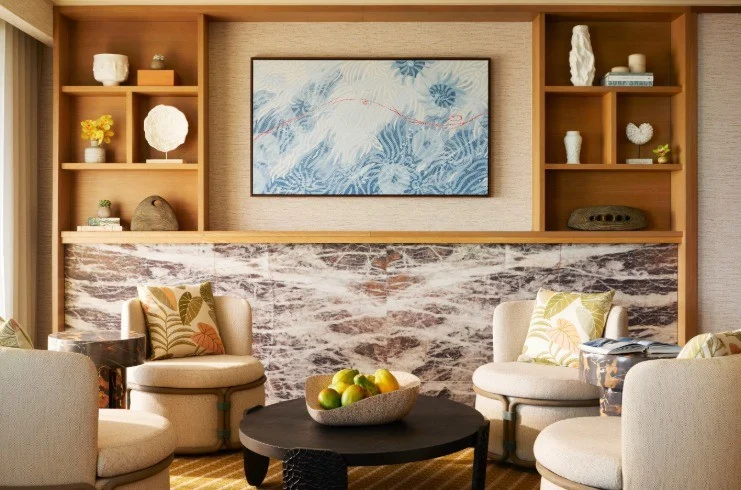
WAILEA, Hawaii — The Four Seasons Resort Maui at Wailea, a property long synonymous with the pinnacle of Pacific luxury, has officially unveiled its latest evolution: the “Club Floor.” This highly anticipated addition marks a strategic pivot toward hyper-personalized, residential-style hospitality, aiming to redefine the high-end travel experience for the resort’s most discerning clientele.
Designed by the acclaimed New York-based multidisciplinary studio Meyer Davis, the project is not merely a renovation of space, but a fundamental reimagining of how luxury guests interact with the Maui environment. With 26 meticulously curated rooms and suites, the Club Floor serves as a "resort within a resort," offering an intimate enclave defined by privacy, bespoke service, and a deep, aesthetic connection to the Hawaiian landscape.
Main Facts: A New Tier of Bespoke Hospitality
The Club Floor represents the most significant structural and service-oriented update to the Wailea property in recent years. Guests who book these specific accommodations gain access to an exclusive suite of amenities designed to streamline the travel experience from the moment of arrival.
Central to this new offering is the reimagined Club Lounge. Unlike traditional hotel concierge services, the Club Lounge acts as a private sanctuary. Staffed by a dedicated concierge team whose sole responsibility is the satisfaction of Club guests, the lounge offers a fluid, all-day dining and social experience. From a curated, health-conscious breakfast spread to the ritual of afternoon tea and the transition into sunset cocktails and evening hors d’oeuvres, the service is designed to anticipate needs before they are articulated.
Key features include:
- Exclusive Inventory: 26 luxury rooms and suites, each reflecting the design language of the new initiative.
- Dedicated Concierge: A private, high-touch team available for bespoke requests, ranging from itinerary planning to in-room dining preferences.
- Seamless Logistics: Private check-in and check-out procedures, removing the friction of traditional front-desk queues.
- Residential Design: Interiors that emphasize comfort and connection to the outdoors, utilizing high-end natural materials.
Chronology: The Evolution of a Vision
The development of the Club Floor did not happen in a vacuum. It follows a deliberate trajectory of property enhancement at the Four Seasons Resort Maui.
Phase 1: Conceptual Foundation
The vision began with the successful renovation of the property’s Maile Presidential Suite. The design team at Meyer Davis utilized that project as a laboratory to test how high-end materials—such as reclaimed wood, abaca, and custom rope detailing—could be integrated into the resort’s existing structure to create a sense of place. The success of the Maile Suite provided the "design language" that would eventually inform the entirety of the Club Floor.
Phase 2: Architectural Realization
Over the past eighteen months, the designated wing of the resort underwent a comprehensive transformation. The goal was to move away from the "corporate luxury" aesthetic that dominated the late 20th century, replacing it with a "residential-first" philosophy. The process involved gutting existing floor plans to create distinct zones for sleep, relaxation, and activity, ensuring that every square foot serves a purpose for the guest.
Phase 3: The Debut
The final weeks of preparation saw the integration of the bespoke concierge team, who underwent rigorous training to adopt the "anticipatory service" model. The official launch in May 2026 marks the culmination of this multi-year effort to position the resort as the premier destination for high-net-worth travelers seeking both privacy and service excellence.
Supporting Data: The Science of Design
The interior architecture of the Club Floor is a study in material science and cultural homage. According to Meyer Davis, the design team relied on the concept of "ancient Hawaiian celestial navigation" to guide the aesthetic choices. This is not just a thematic overlay; it is reflected in the physical infrastructure.
Material Palette and Craftsmanship
The design team prioritized tactile, natural materials that age gracefully and ground the guest in the Maui environment.

- Natural Textures: The use of raffia, seagrass, and reclaimed wood serves to soften the acoustics of the suites while providing a neutral backdrop for the vibrant blues and whites of the Pacific.
- Cultural Symbolism: Decorative screens and floor lamps are carved with patterns inspired by traditional Hawaiian canoe paddles. These are not mere ornaments; they function as room dividers that allow for natural light filtration, mirroring the way light dances across the island’s flora.
- Spatial Dynamics: The furniture layout was engineered to frame specific "moments of pause." By positioning seating vignettes toward the lanai, the designers have forced a perspective that constantly reminds the guest of their proximity to the West Maui Mountains and the neighboring islands.
Official Responses: The Philosophy of Service
Konrad Gstrein, General Manager of Four Seasons Resort Maui at Wailea, characterizes the Club Floor as a manifestation of the brand’s commitment to "refined service."
"The Club Floor represents the resort’s commitment to exceptional, personalized service in its most refined form," Gstrein stated during the launch event. "The thoughtfully designed spaces allow our dedicated team to anticipate each guest’s unique needs—whether arranging a private dinner on your lanai or greeting you in the lounge each morning with your preferred coffee. This is hospitality that feels effortless and deeply personal."
Will Meyer and Gray Davis, co-founders of the design studio, echoed this sentiment, emphasizing that the project was intended to be an extension of the island itself.
"Our goal was to create interiors that feel intrinsically connected to Maui," said Will Meyer. "We drew inspiration from ancient Hawaiian celestial navigation, where the night sky guided seafaring journeys, serving as a metaphor for discovery and return. Each space was approached as a place of both familiarity and discovery."
Gray Davis added, "Throughout the project, we focused on creating moments of pause—spaces that frame the ocean, invite shifting light into the interiors, and allow guests to settle into a slower, more reflective pace that feels true to the spirit of the island."
Implications: The Future of Luxury Travel
The launch of the Club Floor has significant implications for the luxury hospitality sector in Hawaii and beyond.
A Shift Toward Privacy
Post-pandemic luxury trends have shown a marked shift in consumer preferences. Travelers are increasingly prioritizing "seclusion without sacrifice." By creating a dedicated wing with its own lounge, check-in, and concierge, the Four Seasons is catering to the ultra-high-net-worth demographic that demands anonymity and convenience above all else. This move is expected to pressure other luxury resorts in the Wailea area to evaluate their own "club" offerings.
The Return of "Place-Based" Design
The design of the Club Floor signals an end to the era of international, generic luxury. By utilizing materials that are native to the region and honoring local artistic practices (such as the canoe-paddle-inspired woodwork), the Four Seasons is demonstrating that "luxury" is now defined by authenticity. Guests are paying for a sense of belonging, not just a high thread count.
The Operational Challenge
For the resort, the challenge will lie in maintaining this level of service at scale. The Club Floor relies heavily on the "dedicated concierge team." This requires a significant investment in human capital, requiring staff who are not only trained in service excellence but who are also deeply knowledgeable about the local culture and the specific preferences of repeat guests. The success of this model will likely serve as a blueprint for other Four Seasons properties worldwide.
Conclusion
As the Four Seasons Resort Maui at Wailea looks toward the future, the Club Floor stands as a testament to the fact that even the most established icons of hospitality must evolve. By merging the precision of modern design with the timeless rhythms of Hawaiian culture, the resort has not only created a new product; it has set a new benchmark for what it means to experience the "spirit of the island." For the guest, the promise is simple: a journey that is as seamless as the ocean horizon, and as deeply personal as the island itself.


 Nila Kartika Wati
 Layla Zulfa