 Siti Muinah
The hospitality industry is facing an unprecedented existential challenge: the widening gap between soaring guest expectations and the dwindling availability of skilled labor. In an era where travelers demand seamless, high-touch, and personalized experiences, hotels are increasingly forced to deliver five-star service with two-star staffing levels.
As the industry navigates the post-2020 landscape, the traditional model of "more hands on deck" is proving to be both financially unsustainable and operationally elusive. To survive and thrive, hoteliers are pivoting toward a new paradigm: operational efficiency through intelligent automation.
The Anatomy of the Global Staffing Crisis: Main Facts
The current labor shortage is not a temporary blip; it is a structural transformation. According to data from the U.S. Bureau of Labor Statistics, the accommodation and food services sector reported over 748,000 job openings as of early 2026. This trend is mirrored globally, with approximately 80% of hospitality operators struggling to fill vacancies.
The drivers of this crisis are multifaceted:
- High Turnover Rates: The industry suffers from an annual turnover rate exceeding 70% in many markets, leading to a constant "revolving door" of training and onboarding costs.
- Rising Recruitment Costs: Since 2020, the cost of talent acquisition has surged by 25–30%, putting immense pressure on bottom-line profitability.
- Volatile Demand Patterns: Whether it is a city hotel facing mid-week corporate spikes or a resort grappling with seasonal surges, the unpredictability of booking volumes makes static staffing models obsolete.
When experienced staff leave, the burden falls on the remaining team members, leading to burnout and a further decline in service quality. For many properties, the primary issue isn’t just a lack of bodies; it is a lack of time.
A Chronology of Operational Strain
The impact of labor shortages follows a predictable, downward trajectory if left unaddressed. Understanding this timeline is crucial for managers looking to intervene before service standards collapse.
- The Pre-Shift Bottleneck: The morning shift begins with managers spending hours manually compiling reports and reconciling spreadsheets from the night audit.
- The Morning Rush: As guests check out and arrive, the front desk is overwhelmed. Manual data entry and paper-based billing processes lead to long queues.
- The Midday Gap: Housekeeping teams, lacking real-time updates, work from outdated lists. Rooms remain uncleaned because the front desk hasn’t communicated a checkout, or conversely, a guest arrives to a room that isn’t ready.
- The Afternoon Distribution Crisis: Sales managers struggle to update rates across multiple Online Travel Agencies (OTAs). Discrepancies between the PMS and OTAs lead to overbookings or missed revenue opportunities.
- The Evening Review: Tired managers end their day by manually checking folios and summarizing performance data, missing the opportunity to provide meaningful guest interaction.
Supporting Data: Why Manual Processes Fail
The math behind the "manual work trap" is stark. When a hotel relies on legacy systems or manual workflows, they are essentially paying premium labor costs for administrative clerical work.
- Digital Check-in Efficacy: Research indicates that digital check-in solutions can reduce manual processing time by up to 90%, cutting the time a guest spends at the desk to under two minutes.
- Operational Visibility: Properties using integrated PMS (Property Management Systems) with real-time housekeeping modules see a 30% increase in room turnover speed, directly addressing the "room readiness" complaint that often leads to negative guest reviews.
- Revenue Management: Through automated channel management, hotels can eliminate inventory errors, which typically account for 5–10% of revenue leakage in properties that manage bookings across more than three OTA platforms manually.
Official Industry Responses and Strategic Shifts
Major hotel groups and boutique operators alike are responding by redefining what a "hotel job" looks like. The consensus among industry leaders is that technology should not replace the hospitality team, but rather liberate them.
"We aren’t looking to remove the human element," says one industry consultant. "We are looking to remove the machine element from the human. If a receptionist spends 80% of their day clicking through spreadsheets, they aren’t hosting; they are data processing."
Modern operators are implementing "Lean Hospitality" frameworks, which prioritize:
- Centralized Data: Moving all operations into a single, cloud-based ecosystem.
- Mobile Enablement: Allowing managers to oversee operations from the floor rather than the back office.
- Automated Communication: Using triggers to update room status and guest details automatically.
Implications: The Shift Toward Technology
For the hotel owner or general manager, the implication is clear: you cannot hire your way out of a systematic efficiency problem. Hiring more staff without fixing the underlying workflows simply results in more people performing inefficient tasks.
The Role of the Property Management System (PMS)
The PMS serves as the nervous system of the hotel. A modern, cloud-based PMS acts as a force multiplier for a lean team by:
- Consolidating Workflows: Reservations, guest profiles, and billing are unified. A single guest update reflects everywhere instantly.
- Housekeeping Automation: By giving housekeeping staff access to live updates, they know exactly which rooms to prioritize for early check-ins or VIP arrivals, eliminating the need for constant phone calls to the front desk.
- Mobile Management: Managers are no longer tethered to a desk. Whether they are at the pool, in the kitchen, or off-site, they have full visibility into occupancy and revenue performance.
Strategic Solutions by Department
Front Desk: From Data Entry to Guest Experience
By automating the check-in and checkout process, the front desk team can focus on the "hospitality" aspect of their role. Integrated payment gateways reduce the risk of manual entry errors and speed up the checkout process, directly improving guest satisfaction scores (GSS).
Housekeeping: Real-Time Optimization
Housekeeping is often the "hidden" bottleneck. When a supervisor can update a room status from "dirty" to "inspected" via a mobile app, the front desk is notified in real-time. This eliminates the "ping-pong" effect of radio calls and paper logs, allowing for faster turnover during peak hours.
Distribution: The Power of Channel Managers
Manual rate management is the fastest way to lose revenue. Channel managers ensure that as soon as a room is sold on one platform, all other platforms are updated. This single integration prevents the common, costly error of overbooking.
Conclusion: The Path Forward
The global hotel labor shortage is a wake-up call for the industry to embrace digital transformation. While the human touch remains the heart of hospitality, that heart can only beat effectively if the body—the operational structure—is healthy and efficient.
By removing repetitive manual tasks, hoteliers provide their staff with the tools they need to be productive and the time they need to be hospitable. Whether it is through a robust Cloud PMS, mobile reporting, or automated distribution, the technology to bridge the gap exists today.
The future of hospitality isn’t found in a larger headcount; it is found in the intelligence of the systems that empower the team you already have. As the industry evolves, those who leverage technology to simplify operations will be the ones who define the gold standard of guest service in the years to come.
Is your hotel ready to do more with less? By automating the mundane, you unlock the potential for the exceptional.


 Evan Lee Salim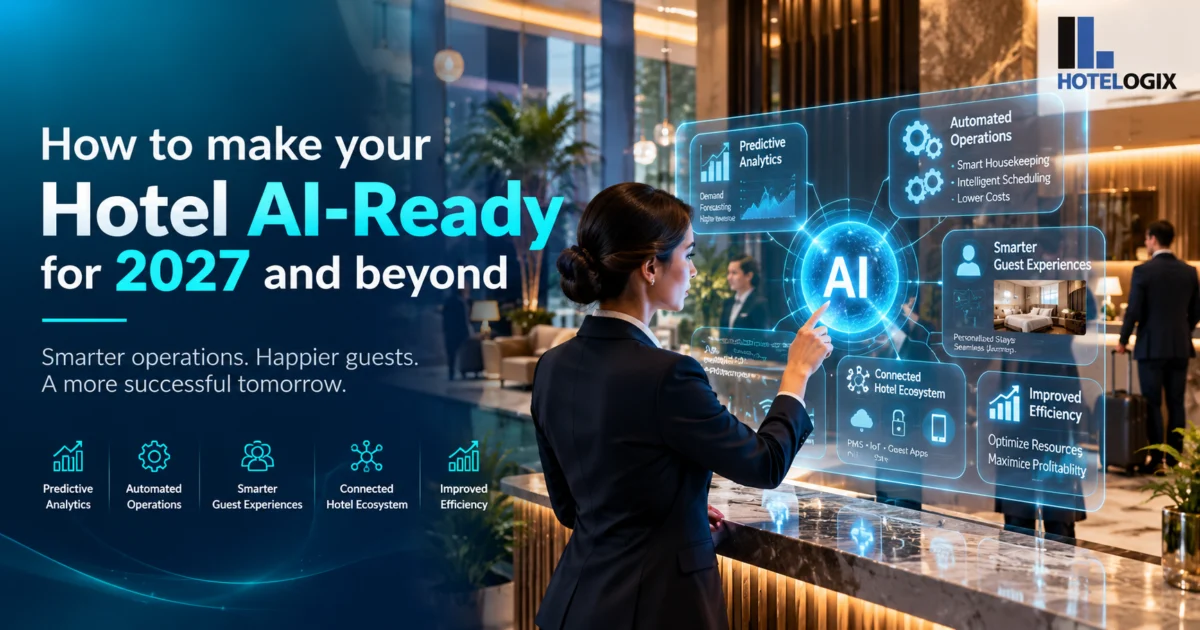
 Iffa Jayyana