Pevita Pearce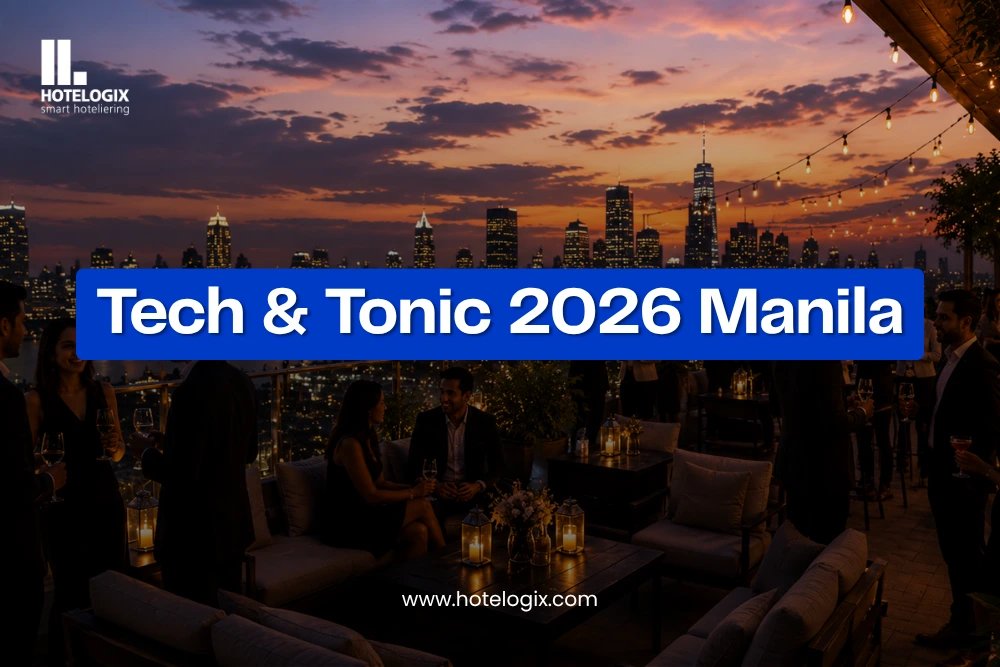
In an era where "digital transformation" is often reduced to a corporate buzzword, the hospitality sector in the Philippines recently witnessed a pivot toward pragmatic, outcome-driven innovation. Held at the sophisticated Vu’s Sky Bar & Lounge at the Marco Polo Ortigas Manila, Tech & Tonic 2026 served as a definitive forum for industry leaders to dissect the intersection of technology and operational excellence.
Hosted by Hotelogix in collaboration with industry powerhouses RateGain, TravStack, Guestara, and Mosler, the event moved away from traditional trade-show pageantry. Instead, it cultivated a high-level dialogue centered on the theme: “Technology That Works. Conversations That Matter.” By gathering hotel owners, general managers, revenue strategists, and technology architects, the event addressed the urgent need for connected systems that move beyond mere digital presence to drive measurable business growth.
The Context: A Market in Rapid Evolution
The Philippine hospitality landscape is currently experiencing a dynamic shift. From boutique resorts in Palawan to large-scale hotel groups in Metro Manila, the industry is grappling with a trifecta of pressures: the volatility of guest expectations, the persistent challenge of OTA (Online Travel Agency) dependency, and the internal struggle to manage staffing and operational efficiencies.
For many hoteliers, the decision-making process regarding technology has moved from "if" to "how." The primary challenge is no longer a lack of available tools, but rather the fragmentation of those tools. Tech & Tonic 2026 provided the venue to ask the difficult questions: Which systems actually communicate? How do we leverage AI without losing the human touch? How do we ensure that every dollar spent on tech results in a higher ROI?
Chronology of the Evening: A Blueprint for Progress
The event was structured not as a series of lectures, but as an immersive experience designed to bridge the gap between operational reality and technological potential.
Opening Remarks: The Call for Operational Cohesion
Aditya Sanghi, CEO of Hotelogix, opened the proceedings by grounding the night’s discourse in reality. His remarks underscored a fundamental truth: technology that does not solve a specific operational pain point is simply noise. Sanghi emphasized that the "connected hotel" is no longer a luxury but a baseline requirement for survival in a data-heavy market. He championed the move toward integrated systems that allow for seamless data flow—from the front desk to housekeeping, and from POS (Point of Sale) systems to revenue management dashboards.
Industry Keynote: The Strategic Vision
Mr. Benito Bengzon Jr., Executive Director of the Philippine Hotel Owners Association, provided a broader perspective, situating the technological conversation within the context of the Philippine tourism economy. His keynote highlighted that technological adoption must align with market confidence and shifting traveler demographics. For owners, this meant viewing tech not as a line-item expense, but as a strategic asset to capture emerging market segments and navigate geopolitical and economic headwinds.
Panel 1: The Hotelier’s Reality
The first panel, focusing on market growth and the impact of global shifts, brought the voice of the practitioner to the forefront. Leaders discussed how to turn challenges—such as fluctuating occupancy rates and the scarcity of skilled labor—into opportunities for automation. The consensus was clear: the most successful hotels are those that empower their staff with tools that reduce manual administrative burdens, allowing them to focus on the guest experience.
Panel 2: The Symphony of Technology
The second panel shifted the focus to the "symphony of technologies." Industry experts from the event’s partner companies analyzed the role of AI in hospitality. The discussion moved beyond the hype, focusing on how predictive analytics can influence room pricing, how automated guest communication platforms can enhance loyalty, and how a unified tech stack (PMS, Channel Manager, Booking Engine, and CRM) creates a single source of truth for hoteliers.
Supporting Data: Why Connected Systems Matter
The discussions were punctuated by a focus on key operational questions that define the current hospitality landscape:
| Hotelier Challenge | Strategic Importance |
|---|---|
| Operational Efficiency | Teams need real-time data to reduce manual errors and optimize housekeeping workflows. |
| AI Integration | AI should be used for tactical automation—speeding up check-ins and personalizing guest stays. |
| Tech Fragmentation | A unified stack (PMS + Booking Engine + POS) eliminates data silos and improves multi-property visibility. |
| Profitability | By reducing labor costs through automation and optimizing OTA/Direct channel mixes, hotels protect their margins. |
| Guest Experience | The front-end experience is directly tethered to the efficiency of back-end systems like billing and room readiness. |
Official Perspectives: The Value of Collaborative Dialogue
Throughout the evening, the emphasis remained on the "conversations that matter." Unlike traditional product showcases, Tech & Tonic 2026 prioritized the exchange of ideas between technology providers and the hoteliers who utilize them.
Hotelogix, through its role as host, positioned itself not merely as a software vendor, but as a long-term partner in the digital transformation of the Philippine market. The brand’s commitment to the region was evident in the depth of the discussions, which tackled issues ranging from cross-channel distribution management to the complexities of multi-property reporting.
The Implications for the Future of Hospitality
The takeaways from Tech & Tonic 2026 serve as a blueprint for Philippine hoteliers heading into the next fiscal year:
- AI Must Be Purpose-Driven: Hoteliers are cautioned against adopting AI for the sake of trends. The focus should be on AI that automates repetitive tasks, enhances guest engagement, and provides actionable insights for revenue management.
- Connected Ecosystems are Mandatory: The age of the standalone software tool is over. For a hotel to function optimally, its Property Management System (PMS) must function as the heart of an ecosystem that integrates seamlessly with channel managers, payment gateways, and guest-facing apps.
- Data-Led Decision Making: The reliance on intuition is being replaced by the necessity for precision. Hotels that leverage robust reporting tools to monitor OTA performance, direct booking conversions, and guest behavior are the ones poised for sustainable growth.
- The Operational Foundation: The event reiterated that the guest experience is a direct reflection of internal operations. If the front desk and housekeeping are not synced, the guest feels the friction. Technology must be the lubricant that removes this friction.
A Regional Impact: Beyond the Philippines
While the event was centered in Manila, the implications are far-reaching. The challenges faced by Philippine hotels—OTA dependency, staffing pressure, and the need for better revenue management—are mirrored across India, Southeast Asia, and the broader APAC region.
Tech & Tonic 2026 demonstrated that while the solutions must be tailored to local markets, the fundamental needs of hoteliers are universal. The success of this Manila gathering underscores the growing importance of regional thought leadership, where technology companies and local operators co-create solutions that are globally relevant but locally applicable.
Conclusion: The Conversation Continues
As the hospitality industry looks toward 2026 and beyond, the message from Tech & Tonic is clear: technology is a bridge, not a destination. For the hoteliers in attendance, the event provided more than just networking—it provided a strategic roadmap for navigating a complex, technology-driven future.
For those who were unable to attend, the dialogue remains open. The shift toward connected cloud PMS solutions is not a trend; it is the new standard of operations. Hotelogix continues to drive this narrative, inviting hotel owners and GMs to re-evaluate their current tech stacks and embrace systems that offer true visibility and control.
In a rapidly changing world, the hotels that will thrive are those that prioritize the "technology that works" and remain committed to the "conversations that matter." The insights gleaned at Vu’s Sky Bar are only the beginning of a larger transformation—one that promises to make the Philippines a hub of hospitality innovation in the years to come.
Ready to transform your hotel’s operations? The conversation doesn’t end here. Speak with Hotelogix today to explore how a connected cloud PMS can drive your property’s growth and operational success.


 Ammar Sabilarrohman
 Rifan Muazin