Asep Darmawan
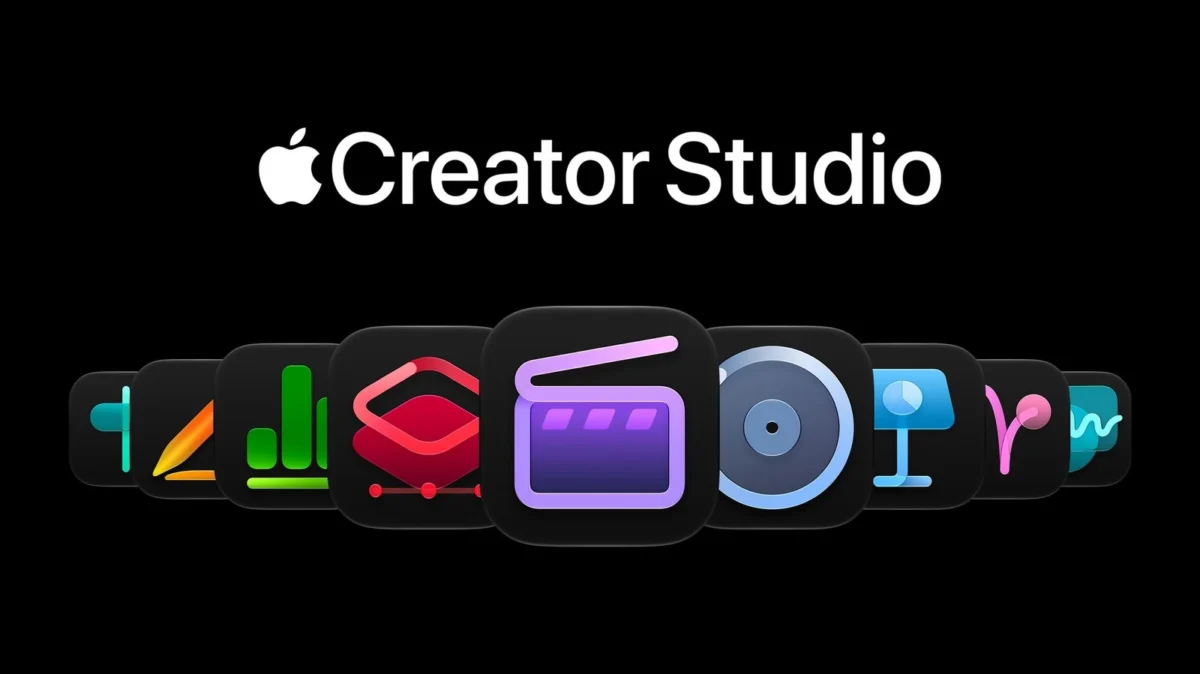
In a move signaling a tightening grip on the professional creative market, Apple has unveiled a comprehensive update to its Apple Creator Studio suite. Released in tandem with the debut of the M6-powered iMac and 14-inch MacBook Pro, this update represents the most significant architectural shift in Apple’s creative software ecosystem in years. By integrating the recently acquired MotionVFX technology directly into Final Cut Pro and embedding advanced AI capabilities across the entire suite, Apple is positioning its hardware-software synergy as an insurmountable advantage for digital creators.
The Evolution of the Creative Suite: Core Updates
For video editors, the standout feature is the long-awaited integration of MotionVFX. Since Apple’s acquisition of the studio earlier this year, speculation had mounted regarding how these industry-standard tools would be assimilated. The integration provides users with "rapid access to extensive professional video effects and content" directly within the interface.
This is not merely a plugin wrapper; it is a native integration. Editors now have seamless access to high-end graphics, complex transitions, and professional-grade rotoscoping and color grading tools that were previously only available as third-party add-ons. The new "Content Hub" serves as a centralized repository for curated stock media, backgrounds, and assets, allowing for a more fluid creative process that minimizes the need to jump between external browsers and the editing timeline.
Perhaps the most visceral change—one that has been requested by the professional editing community for over a decade—is the newfound flexibility of the primary storyline. Editors can finally detach clips from the magnetic timeline, allowing for a "free-form" editing experience that mirrors the flexibility of competitors like Adobe Premiere Pro or DaVinci Resolve, while retaining the efficiency of Apple’s unique magnetic architecture.
Chronology: From Acquisition to Integration
The road to this update began early in the year with Apple’s strategic acquisition of MotionVFX, a company renowned for its high-quality templates and plugins. Following the acquisition, industry analysts predicted a tight integration with Final Cut Pro to combat the growing popularity of AI-driven editing platforms.
- Q1-Q2: Apple quietly integrates MotionVFX engineers into the Final Cut Pro team.
- Q3: Beta testing of the unified Creator Studio suite begins under the internal project name "Golden Gate."
- October 2026: Official announcement of the suite update alongside the M6 iMac and 14-inch MacBook Pro launch.
- November 2026: Global rollout of the update to existing subscribers.
The AI Integration: Logic Pro and Beyond
Apple has moved beyond simple predictive text or basic image stabilization. The new AI features, which leverage the advanced Neural Engine in the M6 chip, represent a fundamental change in how users interact with their projects.
In Pixelmator Pro, the AI workflow is particularly impressive. By circling a specific area of an image and providing a natural language prompt, users can perform complex generative edits that previously required manual masking and cloning.
However, the most ambitious integration is the partnership with OpenAI for Logic Pro. The new "AI Assistant" acts as a collaborative partner rather than a mere tool. It can assist in drafting song arrangements, generating vocal tracks from text prompts, and suggesting structural changes to existing compositions. This assistant is not confined to music; it has been extended to Keynote, Pages, and Numbers, where it can animate slide decks based on descriptive text or organize raw data sets into coherent reports with a single command.
Technical Implications and Hardware Requirements
The performance of these new features is inextricably linked to Apple’s silicon. Apple has made it clear that while some features will be available on legacy Apple Silicon Macs, the full suite of AI-driven capabilities—specifically the Logic Pro assistant—requires an Apple Intelligence-supported Mac running macOS 27 "Golden Gate" or later.
Hardware/Software Compatibility Matrix:
- Final Cut Pro: Requires Apple Silicon and macOS 26.6+.
- Logic Pro AI Assistant: Requires M-series chips and macOS 27.
- Productivity Suite (Keynote/Pages/Numbers): Requires the latest software versions across iPhone, iPad, and Mac.
This hardware-gated strategy is a clear incentive for professionals to upgrade to the new M6 architecture. By ensuring that the most intensive AI tasks are offloaded to the M6’s advanced neural processing units, Apple guarantees a level of responsiveness that would be impossible on older Intel-based systems or even early-generation M1 hardware.
Official Responses and Strategic Vision
In an official press release, Apple’s Senior Vice President of Software Engineering stated: "Our goal with this update is to remove the friction between the creator’s imagination and the final output. By integrating professional-grade tools like MotionVFX and powerful, privacy-focused AI, we are enabling creators to spend less time managing software and more time crafting their vision."
Industry experts have noted that this move is a direct defensive maneuver against Adobe’s Creative Cloud dominance. By bundling Final Cut Pro, Logic Pro, and Pixelmator Pro into a cohesive "Creator Studio" subscription, Apple is aggressively targeting the $129/year price point—a figure that significantly undercuts the professional-tier monthly subscriptions of its rivals.
The Future of Workflow: Implications for the Industry
The implications of these updates are profound. First, the cross-app workflow improvements mean that a user can now move a frame from a Final Cut Pro timeline into Pixelmator Pro, apply an AI edit, and see the changes reflected in their video project without re-importing, re-rendering, or re-linking files. This "live-link" technology is likely to become the standard for professional post-production workflows.
Second, the democratization of high-end visual effects through MotionVFX means that solo creators and small studios can produce content that previously required a dedicated VFX department. The lowering of the barrier to entry for rotoscoping and color grading will likely raise the baseline of video quality across social media and independent cinema.
Finally, the shift toward generative AI in music production (Logic Pro) marks a turning point in audio engineering. While purists may argue that AI-generated vocals or drum stems threaten the artistic process, the professional consensus suggests that these tools serve as "force multipliers." By delegating the rote, technical work to an AI assistant, producers can focus on the creative direction and emotional core of their music.
Pricing and Availability
Apple continues to balance its ecosystem between subscription models and one-time purchases. The update will be available for free to existing subscribers of Apple Creator Studio, which remains priced at $13 per month or $129 per year.
For those who prefer a traditional model, the apps remain available as individual purchases:
- Final Cut Pro: $300
- Logic Pro: $200
- Pixelmator Pro: $50
New users can take advantage of a one-month free trial, and Apple continues to offer a generous three-month trial for those purchasing new Max-tier Macs or compatible iPads, further solidifying the link between high-end hardware sales and software adoption.
As the industry moves into 2027, the success of this update will be measured not just by the number of downloads, but by how effectively Apple can convince the creative industry that its "walled garden" is, in fact, the most fertile ground for professional growth. With the M6 chip providing the raw power and the new Creator Studio providing the intelligence, Apple has laid a formidable foundation for the next decade of digital creation.


 Azzam Bilal Chamdy

 Laily UPN