Asro
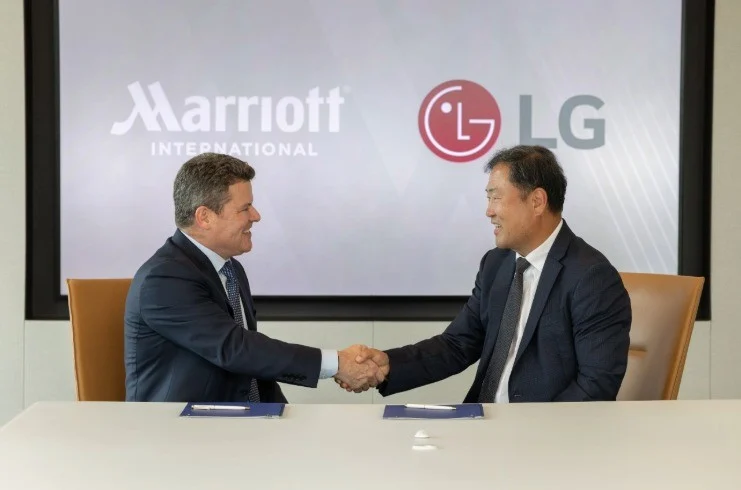
In a landmark move that signals a paradigm shift in hospitality technology, global lodging giant Marriott International and consumer electronics titan LG Electronics have announced a multi-year, strategic collaboration. The partnership is designed to overhaul the guestroom entertainment landscape, moving away from legacy hardware dependencies toward a sophisticated, cloud-native ecosystem.
By integrating LG’s cutting-edge display and connected-device capabilities with Marriott’s massive enterprise infrastructure, the two companies are positioning the guestroom television as the central hub of a smarter, more personalized, and operationally efficient hotel stay.
The Core Transformation: Moving Beyond the "Dumb" Screen
For decades, the hotel television remained a static, standalone device—often clunky, difficult to navigate, and limited to basic cable packages. The joint initiative between Marriott and LG aims to dismantle this outdated model. The centerpiece of the collaboration is a proprietary cloud-based platform that replaces traditional, on-premises video distribution infrastructure.
By migrating these functions to the cloud, Marriott intends to deliver a unified interface that blends linear television, streaming services, and bespoke hotel content. The goal is to evolve the television from a simple viewing device into an interactive command center for the guest’s entire stay.
Key Technical Pillars of the Initiative:
- Cloud-Native Architecture: By eliminating the need for extensive on-site video distribution hardware, hotels can reduce physical footprint and energy consumption.
- Device Management: A centralized dashboard allows Marriott staff to monitor the health, performance, and status of in-room displays in real-time, across individual rooms or entire global regions.
- Content Diversity: The platform supports a robust menu of over 40 OTT (Over-the-Top) applications and 250 channels, including FAST (Free Ad-supported Streaming TV) channels, ensuring that travelers do not have to sacrifice their home entertainment habits while on the road.
A Chronology of Innovation
The path to this collaboration was not forged overnight. It represents the culmination of years of iterative development in hospitality tech.
Phase 1: The Pilot Foundation (Pre-2026)
Marriott began identifying gaps in its guest experience, specifically noting that travelers increasingly expected their hotel rooms to mirror their home "smart" environments. LG, a long-term supplier of hospitality-grade displays, became the natural partner to prototype a more cohesive, integrated screen experience.
Phase 2: The Co-Development Phase (2026)
Following successful internal testing, the companies formalized their partnership. Engineering teams from both organizations began the process of aligning Marriott’s enterprise-grade hospitality software with LG’s Pro:Centric cloud ecosystem. This phase focused on creating a secure, scalable API-driven environment that could support millions of concurrent connections across various Marriott brands.
Phase 3: The North American Pilot (Current Stage)
The rollout is currently entering an initial pilot phase across 40 locations throughout the United States and Canada. This phase is critical for gathering user data, refining the user interface, and ensuring that the infrastructure can handle the demands of diverse guest behaviors.
Phase 4: Global Scalability (2027 and Beyond)
Pending the results of the North American pilot, the platform is slated for an aggressive global deployment. The roadmap includes not just guestroom integration, but the potential expansion of these digital experiences into lobbies, fitness centers, and meeting spaces.
Supporting Data and Technical Specifications
The scale of this implementation is unprecedented. Marriott’s portfolio includes thousands of properties, each with unique operational requirements. The new platform is designed to handle this complexity through several key technical features:
Infrastructure Efficiency
The move to a cloud-based distribution model significantly lowers the barrier to entry for hotel owners. By reducing the reliance on traditional head-end video equipment, property owners can see a decrease in maintenance costs and a streamlined update process. Updates to the user interface or service offerings can be pushed to all displays simultaneously via the cloud, rather than requiring manual on-site configuration.
Enhanced User Interface and Monetization
The platform leverages sophisticated client-side ad insertion. This allows Marriott to present personalized, relevant content to guests—ranging from spa promotions and restaurant reservations to loyalty program updates—without the intrusive feel of traditional advertising.

- OTT Integration: The platform natively supports major streaming services, reducing the friction of logging in and out of individual devices.
- Security Protocols: A primary concern in the digital age is data privacy. The system is designed to automatically clear guest credentials upon check-out, ensuring that no personal information is retained on the television’s hardware.
Official Perspectives: The Visionaries
The collaboration has been met with enthusiasm from the leadership of both organizations, who view this as a necessary evolution of the hospitality industry.
Drew Pinto, Executive Vice President and Chief Revenue and Technology Officer, Marriott International:
"Our collaboration with LG reflects Marriott’s commitment to building technology that elevates the guest experience across our portfolio. By combining LG’s connected-device capabilities with Marriott’s hospitality expertise and enterprise platform, we are creating a more seamless, personalized guestroom experience while helping hotel teams operate more efficiently. This work is an important step toward building a smarter technology ecosystem that evolves alongside the needs of our guests."
John Won, Senior Vice President and Head of LG’s U.S. Commercial Display Solutions B2B Business:
"A prime goal is to make the TV part of a connected guestroom experience rather than a standalone device. This new guestroom technology platform helps turn the displays into a more unified experience for travelers, providing entertainment, hotel content, and room functions with a seamless, easy-to-use system."
Implications for the Future of Hospitality
The Marriott-LG partnership has broader implications for the hospitality sector, setting a new benchmark that competitors will inevitably have to match.
1. The Death of the "Generic" Guestroom
As hotel technology becomes more personalized, the expectation for a "smart room" is shifting from a luxury amenity to a baseline requirement. Future iterations of this platform could integrate with IoT-enabled lighting, climate control, and digital room keys, all controlled via the television or a unified Marriott mobile application.
2. Operational Intelligence for Hotel Owners
For the hotelier, the ability to monitor the "health" of a device remotely is a massive operational win. If a TV in room 402 is experiencing connectivity issues, the central management platform will flag this for maintenance before the guest even has a chance to complain. This proactive approach to guest satisfaction is a core tenet of the modern hospitality business model.
3. The Shift toward Shared Spaces
While the current focus is on the guestroom, the potential for expansion is vast. LG and Marriott have indicated that they are exploring ways to bring this digital ecosystem into common areas. Imagine, for instance, a lobby display that recognizes a loyalty member and provides them with personalized updates or meeting room directions, powered by the same cloud infrastructure powering their guestroom television.
4. Data-Driven Personalization
With the platform’s capacity for analytics, Marriott will gain deeper insights into how guests interact with hotel technology. Understanding which streaming services are most popular or which hotel services are frequently accessed via the TV will allow the brand to curate its offerings more effectively, potentially leading to increased ancillary revenue and higher loyalty member engagement.
Conclusion: A New Era of Connectivity
The partnership between Marriott International and LG Electronics is more than just a hardware upgrade; it is a fundamental re-engineering of the guest experience. By prioritizing cloud-based, centralized management and a user-centric interface, the companies are ensuring that the hotel room of the future is as intuitive, connected, and personalized as the home environment.
As the pilot program continues to expand, the industry will be watching closely. If successful, this collaboration will likely serve as the blueprint for hospitality technology for the next decade, proving that in a world of rapid digital transformation, the most successful brands are those that can seamlessly bridge the gap between physical comfort and digital convenience.


 Rifan Muazin

 Evan Lee Salim