 Lina Irawan
In an era defined by rapid technological disruption and evolving traveler expectations, hotel marketing has transcended its traditional role as a simple promotional tool. Today, it serves as the strategic backbone for revenue optimization and brand identity. With the global market for hotels, resorts, and cruise lines valued at approximately USD 850 billion in 2024 and projected to grow at a CAGR of 18.8% through 2030, the pressure to stand out in a saturated digital landscape has never been greater.
To succeed in 2026, hoteliers must harmonize advanced data analytics, immersive technology, and human-centric service. This article explores the 24 critical trends shaping the industry as we navigate the post-pandemic recovery and look toward a more sophisticated, tech-driven future.
Defining Modern Hotel Marketing
Hotel marketing is an umbrella term encompassing the strategies and techniques used to promote a property and foster positive consumer sentiment. In the digital age, this process is no longer confined to physical signage or travel agents; it is an omnipresent online ecosystem. Success requires a seamless integration of website traffic, social media engagement, email marketing, and real-time customer communication. The objective remains singular: to make the property as appealing as possible to maximize occupancy and revenue.
The Strategic Importance of Differentiation
Competition is the hospitality industry’s most significant hurdle. With travelers inundated by choices, marketing serves as the primary mechanism for highlighting a property’s unique selling proposition (USP). According to recent industry projections, the explosive growth of the travel sector is rewriting the rules of engagement. As technology adoption accelerates and guest expectations rise, those who fail to adapt their marketing strategies risk irrelevance.
24 Key Trends for 2026
1. The Dominance of First-Party Data
In a cookieless future, the ability to collect and leverage first-party data is paramount. By utilizing website analytics, booking engine interactions, and direct guest communication, hotels can create highly accurate guest profiles.
- Data-Driven Success: Research from Sojern and Benchmark Research Partners indicates that 81% of hotels with a structured first-party data strategy reported revenue growth. By owning these relationships, brands can move away from reliance on third-party intermediaries.
2. Hygiene as a Competitive Advantage
The legacy of the COVID-19 pandemic persists in traveler psychology. Safety and hygiene protocols are no longer "back-office" concerns—they are marketing messages.

- Official Response: Chip Rogers, CEO of the AHLA, emphasizes that "Safe Stay" protocols are a united industry effort. With 81% of travelers citing enhanced safety as a priority, clear communication of these standards is a prerequisite for booking.
3. Sustainability and "Going Green"
Eco-conscious travel is shifting from a niche interest to a mainstream requirement. A Cornell University study found that green-certified hotels generate 6% more monthly revenue. Programs like Hilton’s Travel with Purpose highlight this trend, with 44% of Gen Z travelers specifically prioritizing sustainability in their booking criteria.
4. Frictionless Mobile Check-In
Contactless services are now the gold standard. Over 53% of travelers prefer digital check-in solutions. By integrating these services into branded apps, hotels can reduce front-desk labor while simultaneously creating a platform for real-time upsell opportunities.
5. Embracing Contactless Payments
With 68% of consumers preferring digital payments over cash, the ability to accept mobile wallets and decentralized payment options is vital. Whether through Apple Pay or other digital conduits, speed and convenience are essential drivers of the modern checkout experience.
6. Curating Destination Experiences
Modern marketing is about selling the destination as much as the room. By partnering with local tour operators—ranging from historical tours to immersive culinary classes—hotels can create emotional value that differentiates them from generic competitors.
7. The Power of Flexible Cancellations
While hoteliers initially feared the revenue risk of flexible policies, data now proves that over 50% of travelers are willing to pay a premium for the "peace of mind" that comes with free cancellation. This policy has become a cornerstone of building trust in an uncertain global environment.
8. The Rise of Video Marketing
Video is the most consumed form of content on the internet. With 91% of marketers using video in 2024, hotels must leverage this medium to showcase their amenities. Platforms like Instagram and TikTok are now acting as the primary search engines for the younger generation, often replacing traditional platforms like Google.
9. Short-Form Video Content
Attention spans are shrinking. Short-form video—YouTube Shorts, TikTok, and Reels—offers high viral potential with low production barriers. Industry data suggests that 73% of consumers prefer learning about services through these bitesize clips rather than text-heavy descriptions.
10. Artificial Intelligence (AI) and Automation
AI is revolutionizing the guest journey. From 24/7 chatbots that answer queries in multiple languages to predictive algorithms that personalize marketing content, AI is reducing the friction in the booking process. 87% of travelers want AI tools to provide them with personalized, specific travel advice.
11. Customer Experience (CX) Marketing
Hotels are increasingly marketing the experience rather than the product. Whether through smart room technology or personalized greetings, CX marketing focuses on the "why" of the stay. McKinsey & Company suggests that a superior guest experience can increase occupancy rates by up to 20%.
12. Direct Messaging as a Communication Channel
The shift toward mobile-first communication means that direct messaging—via WhatsApp, Facebook Messenger, or internal hotel apps—is becoming the preferred method for guest support. It provides an intimate, immediate line of contact that builds brand loyalty.
13. Voice Search Optimization
With 27% of the global online population using voice search, hotels that optimize their web presence for natural language queries are seeing higher conversion rates. Additionally, implementing voice-controlled hubs within rooms allows guests to access concierge services hands-free.
14. The Role of Chatbots
Chatbots are no longer just "FAQ machines." When designed with high-quality AI, they serve as the first point of contact for booking and service requests. However, as Professor Alessandro Inversini of the EHL suggests, they must be balanced with "high-touch" human interaction to maintain emotional resonance.

15. Augmented Reality (AR) Integration
AR allows hotels to overlay digital information onto the physical world. From interactive room maps to virtual concierge features triggered by a smartphone camera, AR offers a unique, tech-forward way to engage guests and differentiate the property.
16. Immersive Virtual Reality (VR) Tours
Virtual reality tours allow potential guests to "walk through" event spaces or hotel rooms from thousands of miles away. A Google Travel study confirms that listings with rich media and virtual tours generate twice the interest of those without.
17. Influencer Hotel Marketing
Influencer marketing has evolved into a $30 billion industry. By collaborating with creative voices—from travel bloggers to local artists—hotels can tap into pre-established audiences who trust their influencers’ recommendations over traditional advertisements.
18. Leveraging User-Generated Content (UGC)
Authenticity is the currency of the social media age. UGC, such as guest photos and honest reviews, is trusted by 92% of consumers more than brand-produced advertising. Encouraging guests to share content through branded hashtags is a cost-effective way to build social proof.
19. Precision Personalization
Personalization is the logical conclusion of effective data collection. By tailoring email marketing and promotional offers to a guest’s specific history and preferences, hotels can achieve transaction rates six times higher than generic, broad-spectrum campaigns.
20. The Necessity of Remarketing
Since the average hotel website conversion rate hovers between 1.5% and 2.5%, remarketing is essential to capture the remaining 98% of visitors who leave without booking. By serving targeted ads based on previous site interactions, hotels can stay top-of-mind during the research phase.

21. Virtual Reality and the Metaverse
The metaverse is no longer science fiction. As the virtual economy moves toward a $1.5 trillion valuation, hotels are using virtual spaces to host meetings and provide immersive previews of their properties, positioning themselves as leaders in the digital space.
22. Effective Social Media Marketing
Social media is the modern storefront. With 45% of guests more likely to book if they see an engaging promotion on social media, platforms like Instagram have become critical booking channels. The strategy here is not just broadcasting, but building a community.
23. Innovative Metaverse Branding
Beyond simple tours, brands like Millennium Hotels are launching full virtual versions of their properties. These initiatives are not just marketing stunts; they serve as a way to engage a younger, tech-savvy demographic that values digital connectivity.
24. NFTs as Digital Assets
Non-Fungible Tokens are becoming an extension of loyalty programs. By offering digital collectibles or membership tokens, hotels can incentivize repeat visits and provide verifiable, unique experiences that enhance the brand’s exclusivity.
Implications and Future Outlook
The landscape of hotel marketing is clearly moving toward a "digital-first, human-centric" model. As we approach 2026, the hotels that succeed will be those that view technology not as a replacement for service, but as a bridge to it. By adopting these 24 trends, hoteliers can ensure they remain relevant, competitive, and profitable in a market that never stops evolving. The challenge for the next year is not just to implement these tools, but to integrate them into a cohesive narrative that speaks directly to the needs of the modern traveler.


 Evan Lee Salim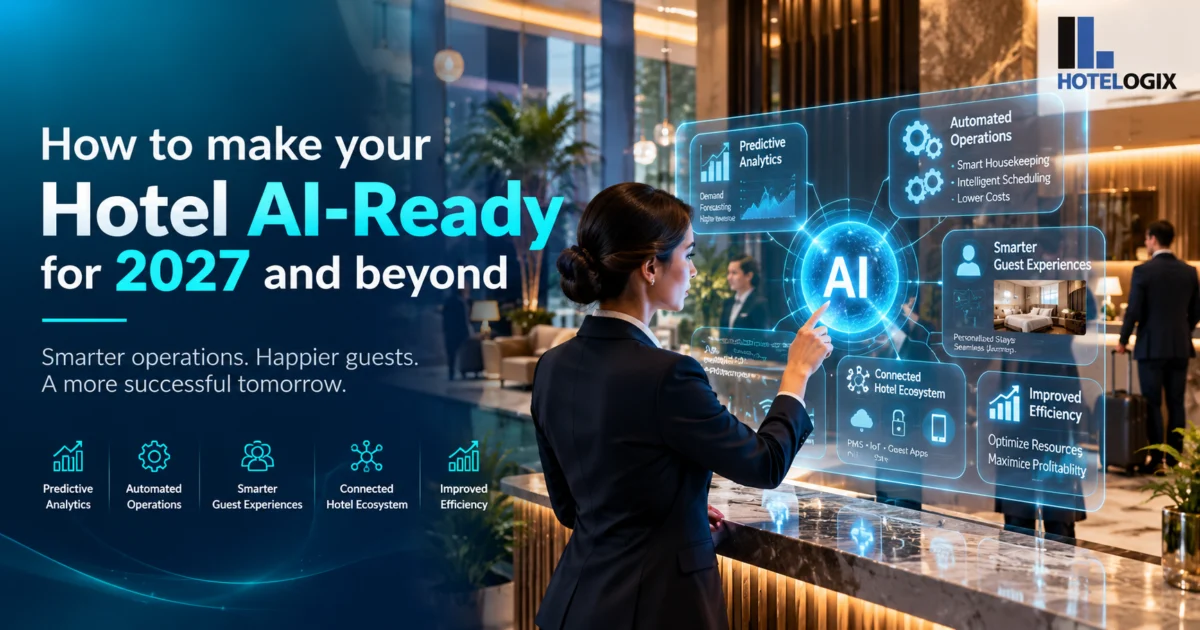
 Iffa Jayyana