Ali Ikhwan
By 2026, the hospitality landscape has shifted from a period of recovery to one of radical operational transformation. Faced with persistent labor shortages, a guest base that demands frictionless, contactless service, and the technical nightmare of synchronizing hundreds of digital distribution channels, hoteliers are finding that their legacy systems are no longer merely inconvenient—they are existential threats.
For property leaders, the decision to re-evaluate their Property Management System (PMS) is no longer a routine IT update. It is a high-stakes, multi-year strategic pivot. A modern PMS acts as the central nervous system of a hotel; choosing the right one can define a property’s viability, profitability, and competitive edge for the next decade.
Understanding the Hotel PMS: The Modern Operating System
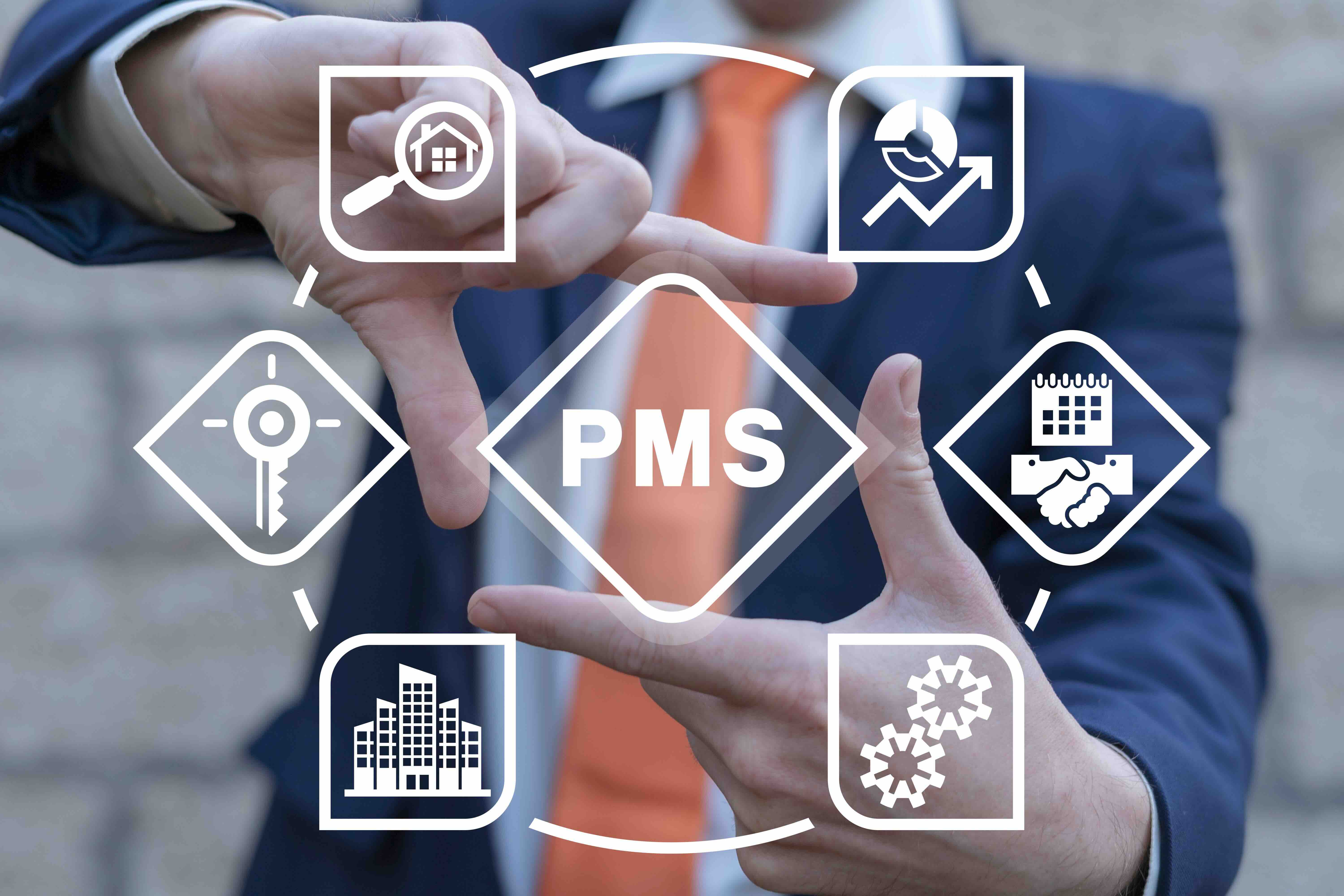
At its core, a PMS is the "single source of truth" for a hotel. It acts as the digital ecosystem that stitches together disparate departments—front office, housekeeping, reservations, accounting, and point-of-sale (POS) systems—into a unified, communicative whole.
In a modern hotel, the PMS is tasked with managing critical pillars:
- Reservation Management: Handling bookings from direct channels and OTAs simultaneously.
- Front Office Operations: Facilitating guest arrivals, departures, and room assignments.
- Guest Profiles: Aggregating data to enable personalized experiences.
- Financial Reporting & Night Audit: Automating the reconciliation of accounts.
- Housekeeping & Maintenance: Synchronizing room status updates in real-time.
By eliminating the data silos that historically plagued the industry, a sophisticated PMS allows staff to pivot away from manual data entry and toward high-touch guest engagement.
The Evolution of Hotel Tech: A Chronology of Deployment
To understand where the industry is going, we must look at where it has been. The progression of PMS technology defines the operational speed of the modern hotel.

- The 1970s–1990s (The On-Premise Era): PMS solutions were massive, complex installations requiring dedicated server rooms and on-site IT teams. These systems were built for stability but lacked agility.
- The 2000s–2015 (The Hybrid Transition): As internet connectivity improved, vendors began introducing hybrid models that allowed for some off-site reporting while maintaining local server reliability.
- 2015–Present (The Cloud-Native Revolution): With the rise of SaaS (Software-as-a-Service), the industry shifted toward cloud-native architectures. This era is characterized by open APIs, mobile accessibility, and real-time synchronization across global channels.
- 2026 and Beyond (The AI-Driven Future): We are currently witnessing the transition from reactive data management to proactive, autonomous hotel operations fueled by artificial intelligence and IoT integration.
The Five Archetypes of PMS Software
Hoteliers often fall into the trap of evaluating software based on surface-level features. However, the true differentiator lies in deployment—how the data is hosted and how the system interacts with the hotel’s broader tech stack.
1. Cloud-Based (SaaS) PMS
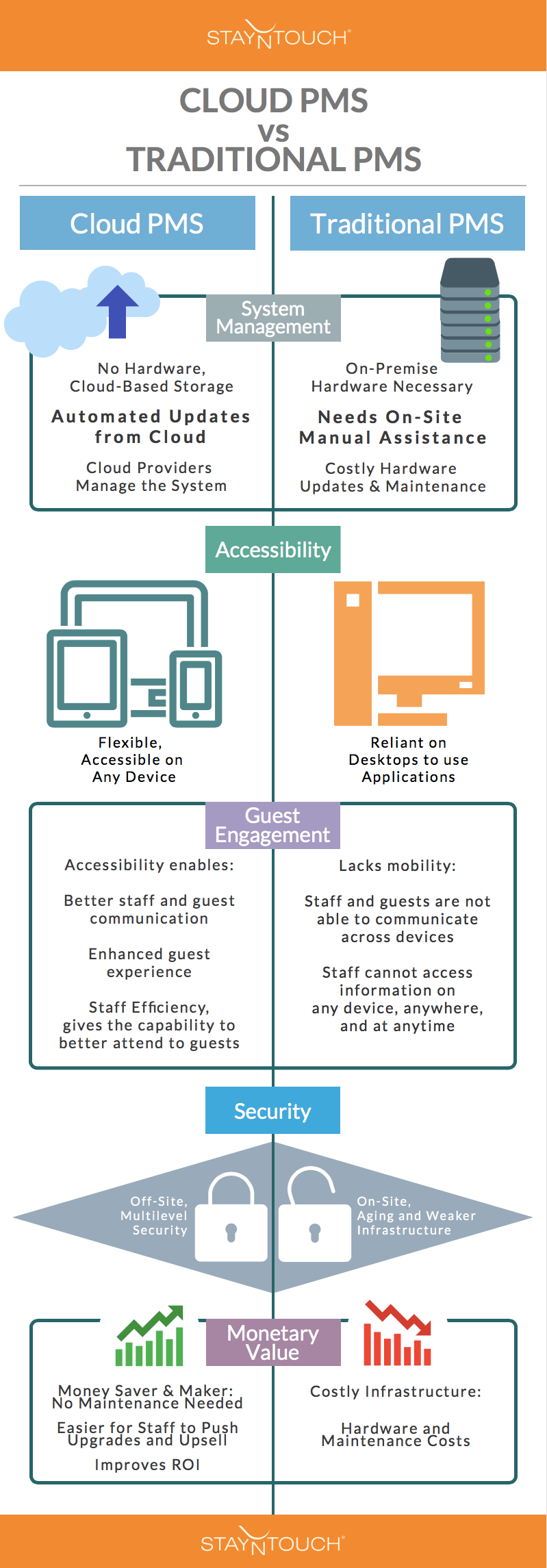
The gold standard for modern, agile properties. Because the software is hosted on secure, vendor-managed servers, staff can access the PMS via any browser or mobile device. This is essential for maintaining room availability parity across hundreds of OTAs, where even a one-minute delay in synchronization can lead to overbookings.

2. On-Premise (Legacy) PMS
While perceived as archaic, these systems persist in large, older chains and extremely remote locations where internet connectivity is unstable. They provide absolute data control but at a staggering cost: heavy hardware maintenance, constant IT overhead, and the labor-intensive "night audit" that plagues staff efficiency.
3. Mobile-First PMS
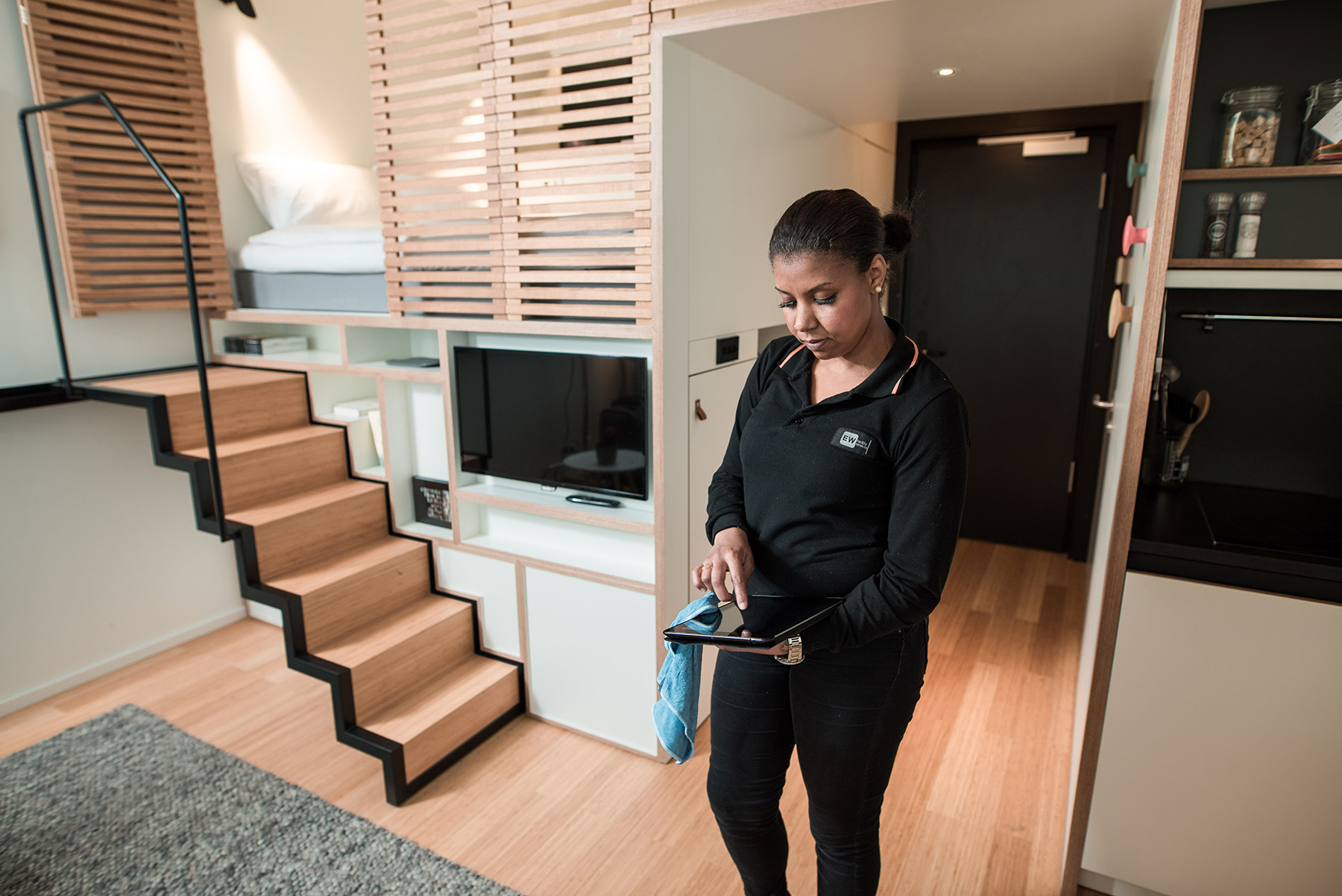
This is the evolution of the cloud PMS. Designed specifically for tablets and smartphones, platforms like Stayntouch allow staff to break away from the front desk. A staff member can check in a guest while simultaneously checking the status of a room, creating a seamless, personalized interaction that is impossible with a stationary terminal.
4. API-First / Best-of-Breed PMS
In 2026, no single system can do everything perfectly. An API-first PMS is designed to be the hub of a "best-of-breed" ecosystem. It connects effortlessly with external tools—such as CRM systems, reputation management software, and revenue management platforms—via open APIs, ensuring the hotel isn’t locked into a single, potentially mediocre, proprietary suite.
5. Hybrid PMS
These systems bridge the gap for larger, older properties. They maintain local data storage for core operations to ensure uptime during internet outages while leveraging cloud connectivity for reporting and third-party integrations.
Supporting Data: The Case for Transformation
The urgency of this transition is supported by industry data. According to recent hospitality benchmarks, properties that migrated from legacy, on-premise systems to cloud-native, mobile-first platforms reported:
- Up to 70% increase in operational efficiency through the automation of the night audit and manual data entry.
- 99.97%+ system uptime, reducing the revenue loss associated with downtime.
- Significant reductions in staff training time, as intuitive, mobile-first interfaces mimic the consumer apps employees use in their daily lives.
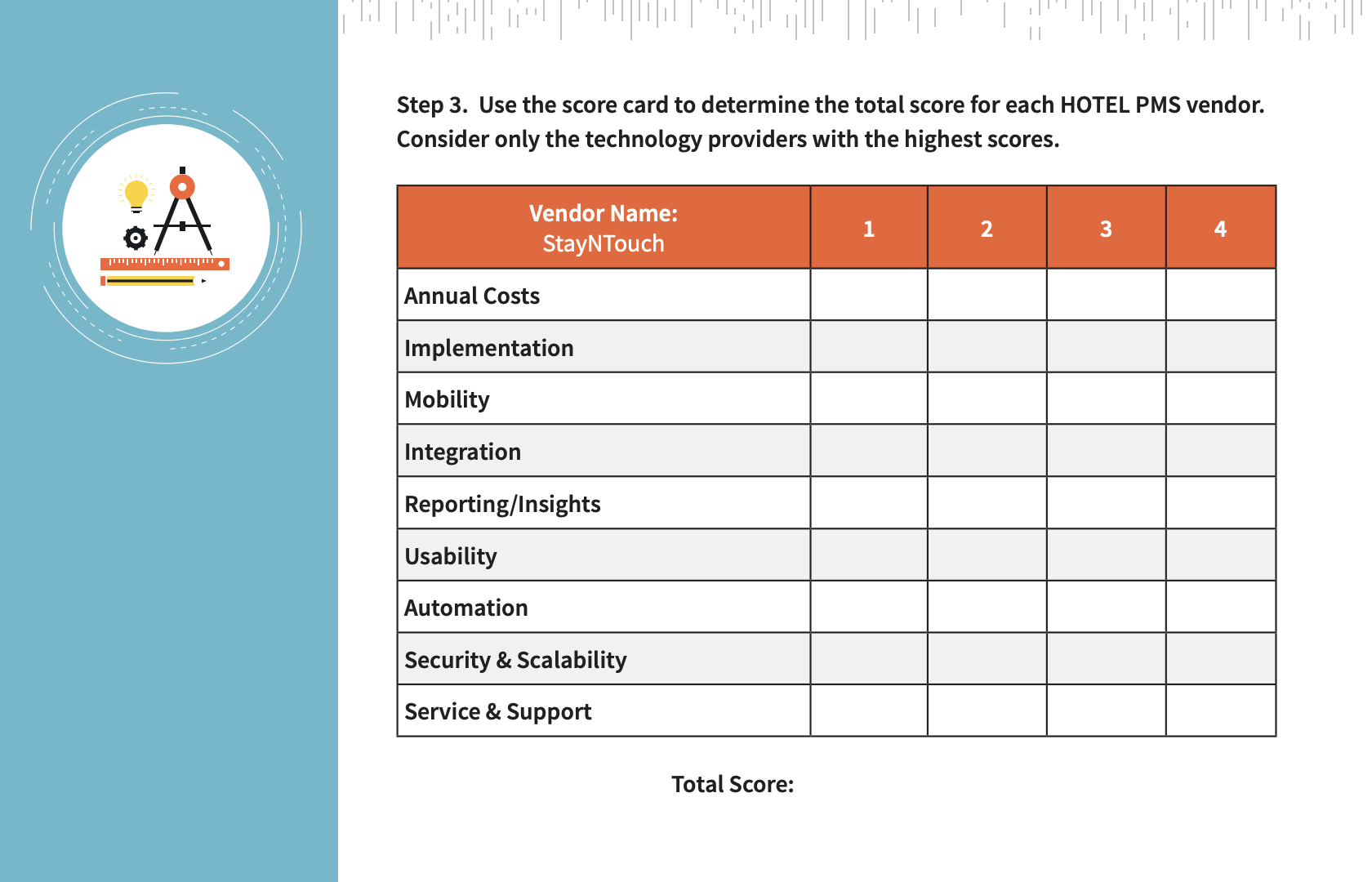
Furthermore, with 82% of hoteliers planning to expand their use of AI-driven tools in 2026, the need for a modern, data-rich PMS becomes even more critical. AI is only as effective as the data it processes; legacy systems often contain "dark data" that is inaccessible to modern machine-learning algorithms.

Official Industry Perspectives: The Strategic Pivot
Leading industry consultants emphasize that a PMS selection is a "10-year decision." A spokesperson for a major hotel group noted, "When you choose a PMS, you are choosing your innovation partner for the next decade. If the vendor doesn’t have an open-API philosophy or a roadmap for AI integration, you are effectively buying a legacy system that will be obsolete by 2028."
The focus for 2026 is no longer just on "managing rooms." It is about:
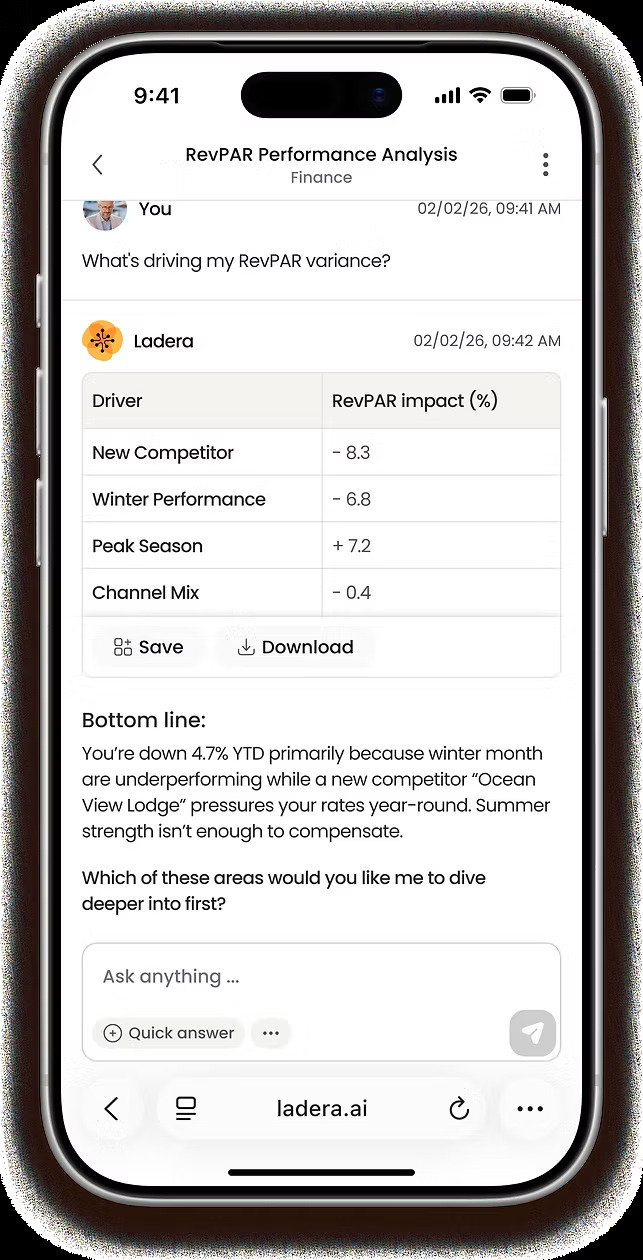
- Hyper-Personalization: Using unified guest profiles (including restaurant preferences, past room temperature settings, and loyalty history) to create a tailored guest experience.
- Sustainability via IoT: Linking the PMS to smart-room devices to automatically manage energy usage when a room is vacant.
- Autonomous Labor Management: Using AI to predict housekeeping needs and optimize shift scheduling based on real-time occupancy and arrival data.
The Implications for Property Owners
For independent, boutique, and multi-property operators, the implications are clear:
- For Independent Hotels: The shift to cloud-based, mobile-first platforms is the only way to compete with larger chains on service quality. It allows lean teams to provide a "concierge-level" experience without adding headcount.
- For Boutique/Lifestyle Properties: Design and guest experience are the product. A mobile-first PMS allows for "frictionless" hospitality—the ability to interact with the guest wherever they are, rather than forcing them to visit a front desk.
- For Multi-Property Groups: Centralization is the goal. A robust, cloud-native PMS allows for the centralized management of guest data, standardizing reporting across all properties and making portfolio scaling a matter of software configuration rather than hardware deployment.
Conclusion: How to Choose Your Path
Selecting a PMS requires an objective assessment of a property’s unique requirements. Decision-makers should utilize an evaluation scorecard to rank vendors on key metrics:
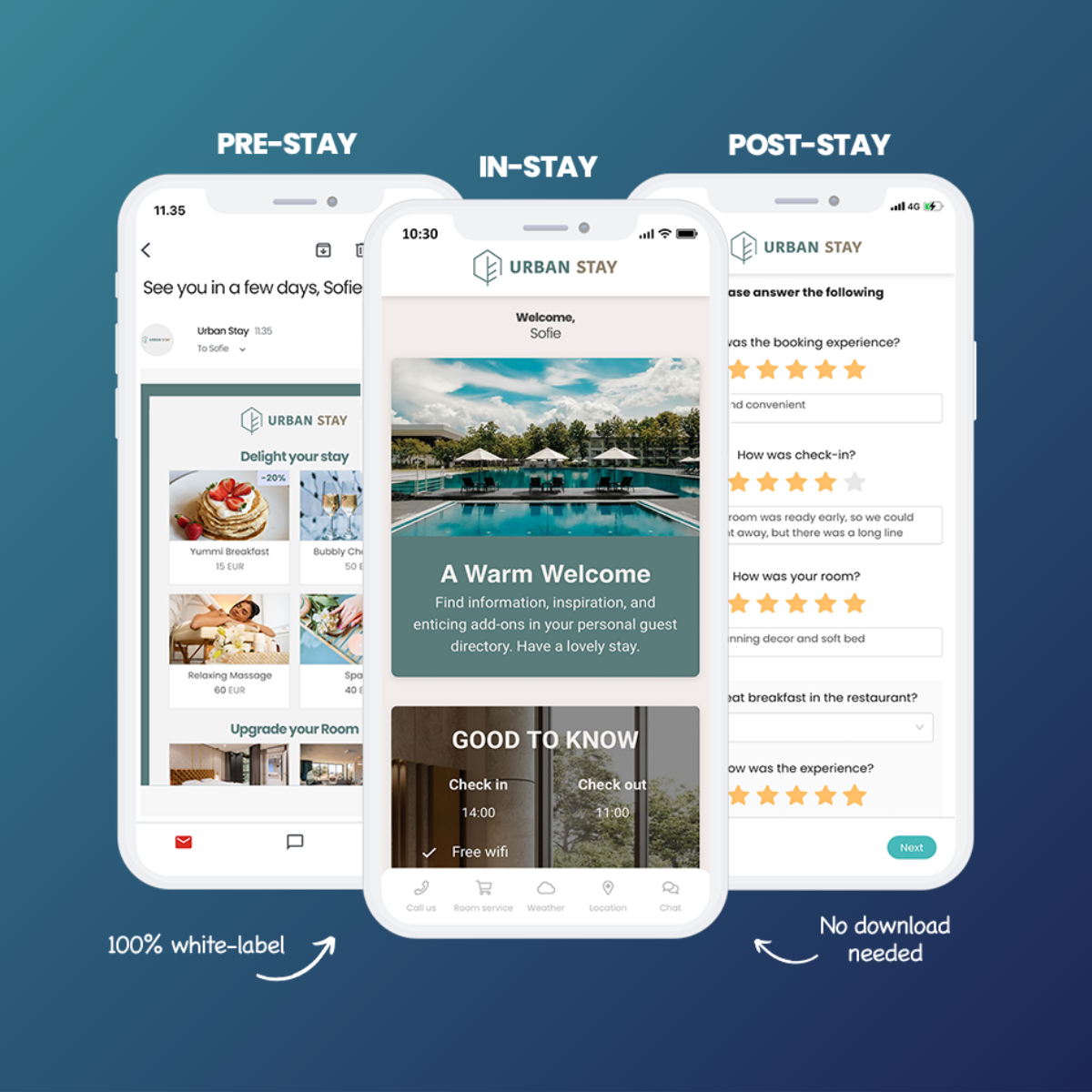
- Total Cost of Ownership (TCO): Moving beyond license fees to include maintenance, IT labor, and hidden hardware costs.
- Integration Capabilities: Does the vendor offer a robust, open API?
- Mobility & UI: Is the interface intuitive enough to reduce onboarding time for new staff?
- Scalability: Can the system grow as the business grows?
As the industry moves deeper into 2026, the PMS will continue its evolution from a reactive database to a proactive, autonomous assistant. For the hotelier, the choice is simple: continue to struggle with the "weight" of legacy systems, or embrace a digital architecture that empowers staff, delights guests, and secures long-term profitability.
For those ready to move forward, the first step is often a comprehensive demo of a mobile-first platform, measuring its real-world capabilities against the constraints of your current infrastructure. In the high-stakes world of modern hospitality, the best time to upgrade your "digital brain" was yesterday; the second best time is today.


 Nila Kartika Wati
 Layla Zulfa