
 Reynand Wu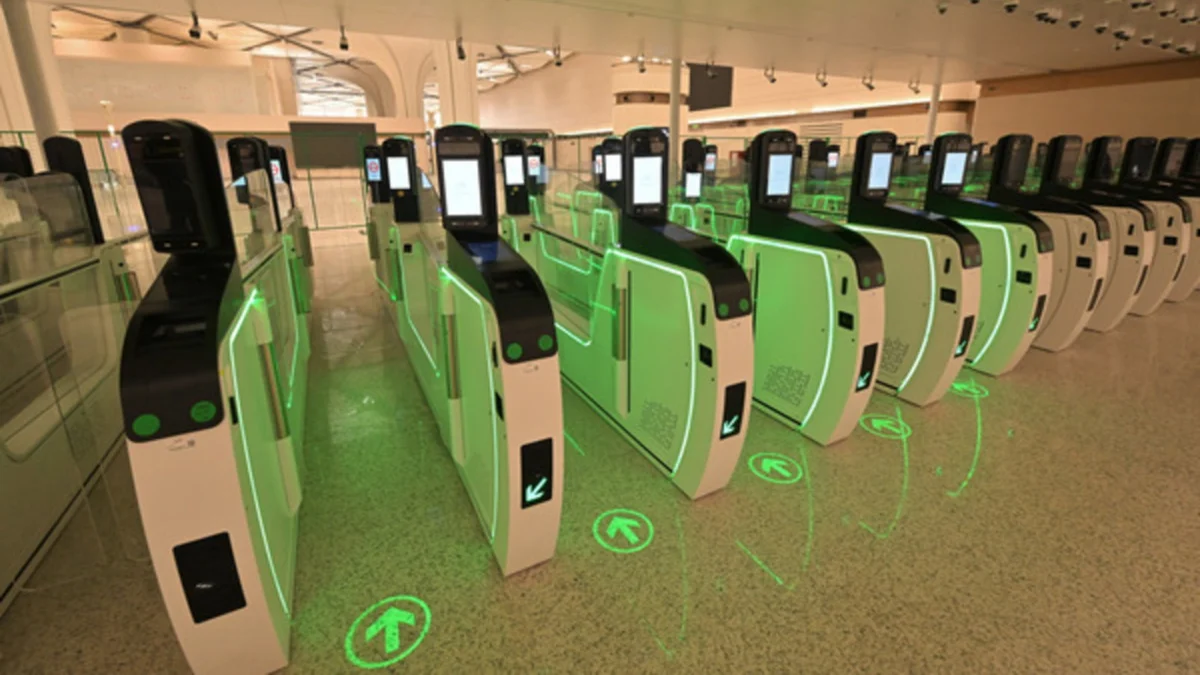
In a major leap forward for cross-boundary travel between Hong Kong and the Mainland, the redeveloped Huanggang Port is set to usher in a revolutionary "collaborative inspection" model. This advanced infrastructure, expected to be commissioned on October 12, 2026, promises to significantly truncate wait times and streamline the immigration experience for thousands of daily commuters and travelers. By consolidating Hong Kong and Shenzhen immigration procedures into a single, seamless interaction, the authorities are prioritizing efficiency and technological integration in one of the region’s busiest transit hubs.
The Core Innovation: Collaborative Inspection and Joint Clearance
At the heart of the redeveloped Huanggang Port lies the "collaborative inspection and joint clearance" mode. Traditionally, travelers crossing the border have had to undergo two distinct immigration checks: one to exit Hong Kong and another to enter Shenzhen (or vice versa). This process, while secure, often involves redundant queuing and administrative steps.
Under the new collaborative system, enrolled passengers using the designated automated channels only need to queue once and present their identity documents a single time. Through a synchronized verification process, the immigration systems of both jurisdictions process the traveler simultaneously. This reduction in friction is expected to alleviate congestion during peak travel hours, transforming the passenger experience from a two-stage hurdle into a fluid, unified transition.
Furthermore, the port has introduced the "Face Scan" clearance service for eligible individuals aged 14 and above. This cutting-edge feature allows for "identity-document-free" passage, where facial recognition technology replaces the physical scanning of documents. This technological leap represents a significant move toward a more digitized and frictionless border management framework.
Chronology: From Concept to Commissioning
The journey toward this modernized port facility has been characterized by meticulous planning and a phased implementation strategy:
- Initial Planning Phase: Following the announcement of the Huanggang Port redevelopment project, authorities focused on integrating the "Contactless e-Channel" (now rebranded as the "HK e-Channel") mobile application with the collaborative inspection backend.
- System Integration: Over the past two years, the Immigration Department (ImmD) has undergone rigorous testing to ensure that the biometric data, "iAM Smart" authentication, and cross-border database synchronization were fully operational.
- Announcement of Services: In early October 2026, the ImmD officially opened enrolment for the collaborative inspection service, allowing residents to register in advance of the port’s grand opening.
- Commissioning Date: Local media reports and official signals indicate that the state-of-the-art facility is scheduled to welcome its first travelers on Monday, October 12, 2026.
Supporting Data: Infrastructure and Capacity
The redeveloped Huanggang Port has been designed with high-volume throughput as a primary objective. The facility is equipped with a robust array of hardware to handle the anticipated surge in passenger traffic:
- Collaborative Inspection Channels: 134 automated channels dedicated to the new joint-clearance process, ensuring that the majority of travelers can utilize the speediest route.
- Traditional Manual Counters: 68 manual counters remain available for those who prefer, or require, personal assistance, ensuring that the facility remains accessible to all demographics, including those who may not be comfortable with fully automated systems.
- Enrolment Options: The port is supported by dedicated enrolment offices and self-service kiosks, providing an immediate pathway for those who did not register via the mobile application.
The design philosophy acknowledges that while technology is the primary driver of the new port, the human element—manual counters and personalized assistance—remains a vital component of a resilient transport network.
Enrolment Procedures: Who Can Access the New Service?
To ensure a smooth transition, the Immigration Department has provided clear guidelines for residents looking to register for the collaborative inspection and "Face Scan" services.
For Hong Kong Residents Aged 18 and Above
Eligible residents can complete the entire enrolment process remotely via the "HK e-Channel" mobile application:
- Download: Install the updated "HK e-Channel" app.
- Selection: Navigate to the "Collaborative Inspection" tab.
- Authentication: Utilize the "iAM Smart" platform to verify identity securely.
- Submission: Follow the on-screen prompts to register biometric data and complete the profile.
For Minors (Under 18)
Recognizing that many families travel together, the ImmD allows parents or legal guardians to complete the enrolment on behalf of their children using the parent’s own "HK e-Channel" account. This ensures that families can stay together during the clearance process, minimizing the stress often associated with cross-border travel for parents.
Mainland Visitors
Mainland visitors holding a valid Exit-Entry Permit for Travelling to and from Hong Kong and Macao are not left out. They are eligible for both the collaborative inspection and "Face Scan" services, provided they register in person at the dedicated enrolment offices within the Huanggang Port upon arrival.
Official Responses and Immigration Guidelines
The ImmD has been proactive in managing expectations, emphasizing that the convenience of automated channels does not negate the necessity of legal documentation. While the system is highly advanced, the department explicitly mandates that all travelers must continue to carry their valid travel documents at all times.
"The collaborative inspection system is designed for speed and efficiency, but it is an immigration process first and foremost," an official statement noted. "Travelers must ensure their documents meet the requirements of both Hong Kong and the Mainland authorities. Failure to possess valid documentation remains a violation of immigration laws, regardless of the method of entry."
The department also reiterated that the service is voluntary. Those who are not comfortable with facial recognition technology or who prefer a more traditional interaction retain the right to utilize the 68 manual counters, which will continue to operate with the same standard of oversight as existing ports.
Implications: The Broader Impact on the Greater Bay Area
The opening of the redeveloped Huanggang Port is more than just a local infrastructure upgrade; it is a critical component of the Greater Bay Area (GBA) integration strategy.
Economic and Professional Impact
For the professional workforce, the ability to cross the border in a fraction of the time significantly expands the "commuter zone." Professionals who work in Shenzhen but reside in Hong Kong—and vice versa—will find their daily travel burden substantially reduced, potentially leading to greater labor mobility and collaboration between the two cities.
Tourism and Social Integration
The ease of access will likely boost weekend tourism and short-term visits. By removing the "red tape" of two-stage immigration, the barrier to spontaneous travel is lowered, fostering stronger social ties between Hong Kong residents and their counterparts in the Mainland.
Setting a New Standard for Border Management
The success of the Huanggang Port model will likely serve as a blueprint for future border projects in the region. If the "collaborative inspection" model proves successful in handling high volumes with minimal incident, it is expected that the government will look to retroactively upgrade other major ports of entry. This trend points toward a future where the physical border becomes increasingly transparent, prioritizing the movement of people and the efficiency of the regional economy.
Conclusion
As the October 12, 2026, commissioning date approaches, the excitement surrounding the redeveloped Huanggang Port is palpable. By successfully blending advanced biometrics, mobile-first enrolment, and a radical rethink of the immigration clearance flow, the authorities have demonstrated a commitment to modernization.
For the millions of travelers who cross this border annually, the "collaborative inspection" service represents a significant improvement in quality of life. Whether it is a business traveler heading to a meeting in Qianhai or a family visiting relatives across the border, the new facility promises that the journey will be faster, safer, and more convenient than ever before.
As we look toward the future, the Huanggang Port stands as a testament to what is possible when infrastructure is designed with the user experience at its core, setting the stage for a new, more interconnected era in the Greater Bay Area.

 Asro
Asro
 Nana Wu





