Sagoh
Sagoh
In an unprecedented series of events that has sent shockwaves through the Russian digital economy, Yandex—the nation’s preeminent technology conglomerate—has confirmed a catastrophic disruption to its cloud infrastructure. The outages, which began earlier this month, follow a coordinated wave of drone strikes targeting key data centers across the country. As the company struggles to maintain core services, the incident has highlighted the extreme vulnerability of centralized digital infrastructure in the face of modern geopolitical conflict.
Often referred to as "Russia’s Google," Yandex serves as the backbone of the country’s digital existence. Beyond its search engine and mapping software, the company provides the essential cloud architecture that sustains government ministries, private-sector enterprises, and millions of daily consumer applications. The current crisis has left users unable to access files, triggered widespread service degradation, and prompted the company to issue an urgent warning to its corporate clients: migrate to alternative systems immediately, as the current state of the network is "unstable."
The Chronology of the Attacks: A Targeted Campaign
The disruption began on October 8, 2026, marking the start of what security analysts are calling a strategic campaign to cripple Russia’s digital operations. The attacks were characterized by high-precision strikes on Yandex’s physical infrastructure, causing localized but severe damage to critical servers and cooling systems.
The Timeline of Escalation:
- October 8: The Sasovo data center was struck, resulting in an immediate and total cessation of operations at the facility.
- October 9: The Kaluga data center, a vital node in the company’s network, was targeted. While the facility did not face a total shutdown, its operational capacity was severely degraded, leading to latency and connectivity issues for users across the region.
- October 11: The Vladimir data center was hit, resulting in a complete operational failure similar to the incident in Sasovo.
While Yandex has officially confirmed that there were no casualties reported among its staff during these incursions, the physical damage to the hardware has proven difficult to mitigate. The company has since been forced into an "emergency operating mode," scrambling to reroute traffic and salvage data across an increasingly fractured network.
The Scope of the Digital Fallout
The impact of these strikes extends far beyond simple website downtime. Because Yandex provides a holistic ecosystem—integrating everything from ride-hailing and food delivery to complex S3 storage and Kubernetes clusters—the outages have caused a cascading failure across the Russian internet.

Service Availability Status
As of the most recent updates from the Yandex status page, the company’s service architecture remains in a precarious state. While several core components, including the Console, IAM (Identity and Access Management), and the Container Registry, remain reachable, they are plagued by intermittent performance issues.
More concerning are the services that remain partially or fully offline. Compute services and AI Studio, which require heavy server-side processing, are only partially functional. Furthermore, the "Monium" platform remains entirely offline. For enterprise clients, this has resulted in significant business continuity challenges. Users have reported encountering a litany of errors—ranging from HTTP 302 redirects to critical HTTP 504 Gateway Timeouts and HTTP 500 server errors—when attempting to interact with their cloud-hosted assets.
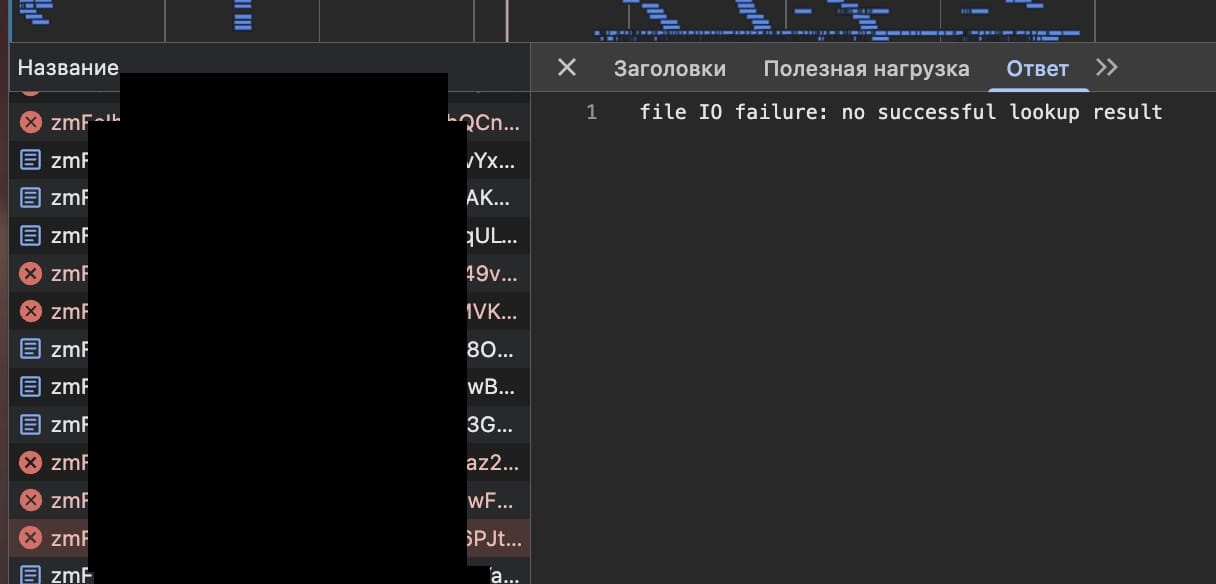
One particularly troubling report from a user on the tech forum Habr highlighted the disappearance of thumbnails on Yandex Disk, followed by a total inability to download previously uploaded files. This has sparked widespread speculation regarding the integrity of the data stored within the compromised facilities. To date, Yandex has remained silent on the prospect of permanent data loss, focusing its communications primarily on service restoration rather than data recovery assurances.
The Geopolitical Context and Global Implications
While Yandex has attributed the outages to technical difficulties arising from the strikes, international observers have pointed to a wider strategic objective. The strikes are widely believed to have been carried out by Ukrainian forces as part of a campaign to degrade the operational capabilities of the Russian state and its corporate proxies.
The geopolitical ripples are being felt as far away as Brussels. Tomáš Zdechovský, a Member of the European Parliament, noted a striking correlation between the Yandex outages and a sudden, measurable drop in communication from online accounts known for promoting far-right ideologies in Germany. This observation has led to theories that the Yandex cloud infrastructure may have been inadvertently hosting or facilitating the networking of certain influence operations, a suggestion that adds a layer of political intrigue to an already complex technical crisis.
.png)
The targeting of civilian-adjacent infrastructure—even that which serves government interests—raises significant questions under international humanitarian law. While the data centers are civilian in nature, their role in supporting government logistics and state-linked services has made them a "dual-use" target in the eyes of the conflict, blurring the lines between military and civilian infrastructure.
Official Responses and the "Unstable" Warning
In a series of candid, if alarming, updates, Yandex’s technical teams have admitted that they are operating at the edge of their capacity. The company’s messaging has shifted from routine incident reporting to a desperate plea for clients to assume the worst.
"We consider the remaining resource configuration to be unstable," the company stated in a recent status update. "The platform’s operating mode is emergency—we recommend using any other alternative disaster recovery plans."
This is an extraordinary admission for a company of Yandex’s stature. By advising customers to move their data and operations to alternative infrastructure, Yandex is essentially conceding that it cannot guarantee the safety or uptime of its own cloud environment in the near term. Furthermore, the company warned that even its communication channels for technical support might be compromised or unavailable, leaving thousands of enterprise clients effectively stranded.
Implications for Future Infrastructure Security
The Yandex crisis serves as a sobering case study for organizations globally. For years, the move toward "the cloud" has been predicated on the idea that centralized, hyperscale data centers are safer and more efficient than on-premises hardware. However, the physical destruction of these facilities proves that centralization also introduces a "single point of failure" on a national scale.
Lessons for the Industry:
- Geographic Redundancy: Relying on regional hubs that can be targeted in a singular kinetic event is no longer a viable security posture. Companies must prioritize cross-border or deeply distributed data redundancy.
- Disaster Recovery (DR) Readiness: The Yandex incident proves that having a DR plan is meaningless if the infrastructure to execute that plan is also impacted. Businesses must maintain air-gapped backups or secondary infrastructure providers that are not connected to the primary vendor’s network.
- The Vulnerability of "Smart" Infrastructure: As companies integrate AI and complex automation—as Yandex has with its AI Studio and Kubernetes services—the reliance on constant, low-latency connectivity becomes a liability. A strike on a server rack now results in the loss of "intelligence," not just storage.
Conclusion: A Long Road to Recovery
As of now, there is no reliable timeline for the restoration of full services at Yandex. The company’s engineers are working around the clock, attempting to patch a network that was built for performance and scale, not for withstanding physical combat.
The situation remains fluid. For the millions of Russian citizens and businesses who rely on the Yandex ecosystem, the past week has been a painful lesson in digital fragility. As the conflict continues to evolve, the digital infrastructure that once seemed invincible is proving to be just as susceptible to the ravages of war as the physical world. Whether Yandex can restore trust and functionality in the wake of these attacks remains to be seen, but the events of October 2026 will undoubtedly force a global re-evaluation of how we protect the data that powers our modern world.


 Neng Nana
 Ali Ikhwan