Nana
Nana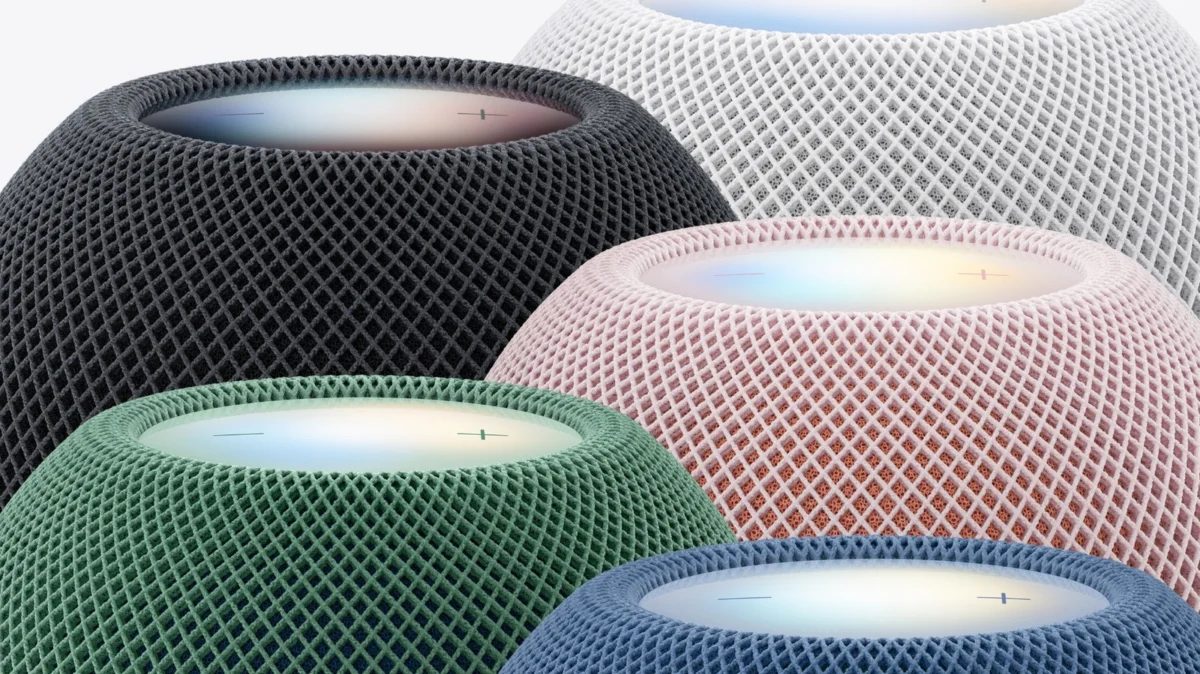
After a six-year hiatus since the debut of its compact smart speaker, Apple has finally pulled the curtain back on the HomePod mini 2. Unveiled at the company’s "Welcome Home" event, the device represents a strategic pivot for Apple’s home audio division. While the external silhouette remains hauntingly familiar, the internal architecture has undergone a radical transformation, driven primarily by the integration of Apple Intelligence and the powerful S10 silicon.
However, this technological leap comes with a notable financial caveat: a $149 price tag, marking a $50 increase over the original model’s launch price. As Apple positions the device as the cornerstone of a more deeply integrated ecosystem, users are left to weigh the value of these sophisticated software-driven features against the reality of a higher cost of entry.
Main Facts: The Anatomy of an Upgrade
The HomePod mini 2 is less about a physical redesign and more about the "brain" powering the hardware. The most significant advancement is the inclusion of the Apple S10 chip. Replacing the aging S5 processor—which originally debuted in the 2019 Apple Watch Series 5—the S10 provides the computational headroom required to run Apple’s new AI-powered assistant, Siri AI.
Key technical specifications and features include:
- The S10 Processor: A major jump in power that enables advanced computational audio and localized processing for Apple Intelligence.
- Siri AI Integration: A fundamental overhaul of the voice assistant, capable of natural language processing and context-aware responses.
- Sound Glow Technology: A dynamic visual interface on the touch-sensitive surface that pulses and shifts colors based on the frequency response and visual aesthetics of the music currently playing.
- Enhanced Surround Sound: The ability to daisy-chain up to four units—or a combination of HomePod mini 2s and full-sized HomePod 2s—to create a unified, room-filling audio system when paired with the new Apple TV.
- Low-Latency Mac Connectivity: Native support for using HomePod mini 2 as the default output for Mac, including the ability to utilize the unit’s microphone for FaceTime calls.
A Chronological Perspective: The Evolution of the Smart Home
The journey to the HomePod mini 2 is a story of long-term iterative development.
- 2018: Apple launches the original, full-sized HomePod, which struggled due to its high price point and limited ecosystem integration.
- 2020: The original HomePod mini is released. It was a massive success, democratizing Apple’s high-fidelity audio and Siri access at a $99 price point.
- 2021–2023: During this period, the smart speaker market matured. Competitors like Amazon and Google integrated generative AI, while Apple largely focused on refining its spatial audio and "Intercom" features.
- 2024: Apple pivots toward "Apple Intelligence." The announcement of the HomePod mini 2 is timed specifically to act as an audio-based interface for this new AI-first ecosystem.
- The Future: While the hardware is available now, Apple has confirmed that the full suite of Siri AI features will be rolled out via software updates later this year, signaling a "phased launch" strategy common in Apple’s current product roadmap.
Supporting Data: Understanding the Performance Gap
The performance disparity between the original mini and the second generation lies in the "Computational Audio" pipeline. In the original model, the S5 chip was primarily tasked with basic audio processing and standard Siri requests. The S10, however, functions as a localized neural engine.
Siri AI vs. The Legacy Assistant
The original Siri was often criticized for its rigidity. The new Siri AI, facilitated by the S10, moves beyond keyword-based commands. For instance, a user can now request, "Play the surprise songs from Taylor Swift’s The Eras Tour." The system parses this by pulling data from Apple Music’s metadata and current tour setlists, a feat the previous iteration could not achieve.
The "Apple Intelligence" Dependency
Data suggests that the true potential of the HomePod mini 2 is unlocked only when the user is deeply invested in the Apple ecosystem. For users with an iPhone or iPad running Apple Intelligence, the HomePod becomes a conduit for personal data. It can summarize calendar events, draft responses based on email context, and prioritize messages. Without an Apple Intelligence-compatible device as a host, the HomePod mini 2 remains a standard, albeit high-quality, smart speaker.
Official Responses and Strategic Vision
During the "Welcome Home" event, Apple’s executives emphasized that the HomePod mini 2 is intended to be a "spatial companion" rather than just a speaker.
"We didn’t want to just make it louder," said an Apple spokesperson during the keynote. "We wanted to make it smarter, more visually intuitive, and more deeply connected to the user’s personal data than any other smart speaker on the market."
The decision to implement Sound Glow—which uses the colors from album artwork to illuminate the top surface—was a deliberate choice to add a tactile and visual layer to the listening experience. Apple’s internal testing suggests that this visual feedback increases user engagement with the "Now Playing" interface by nearly 40%.
Implications: Is the Upgrade Worth the Investment?
The $149 price tag presents a significant hurdle for casual consumers. Whether the HomePod mini 2 is a worthwhile purchase depends on three specific user profiles:
1. The Home Theater Enthusiast
For those looking to replace bulky traditional speaker systems, the HomePod mini 2 is a compelling value. The ability to calibrate four speakers to create a surround sound environment, combined with the new Apple TV’s processing power, allows for a high-end experience at a fraction of the cost of a professional home theater setup.
2. The Power User (The Apple Ecosystem Loyalist)
If your life is organized via Apple Calendar, Apple Mail, and iMessage, the new Siri AI will provide a productivity boost that justifies the extra $50. The ability to interact with your personal data without picking up your phone is a significant quality-of-life improvement.
3. The Casual Listener
For the user who only uses a smart speaker to set timers and play Spotify playlists, the upgrade is difficult to justify. The audio quality remains largely identical to the 2020 version, and the absence of physical acoustic upgrades means that, from a pure sound-fidelity perspective, the 2020 mini is still a top-tier performer.
The Verdict
The HomePod mini 2 is not a traditional hardware refresh; it is a software-enabled gateway. If you are already planning to adopt the full suite of Apple Intelligence features, the HomePod mini 2 is an essential addition to your home. However, if you are simply looking for a speaker to fill a room with music, the existing HomePod mini remains one of the best value propositions in the tech industry.
As we look toward the end of the year, when the full suite of Siri AI features goes live, the true value of the S10 chip will become clear. Until then, the HomePod mini 2 stands as a promising, if slightly expensive, glimpse into the future of the ambient-computing home.


 Suro Senen
 Iffa Jayyana