Lina Irawan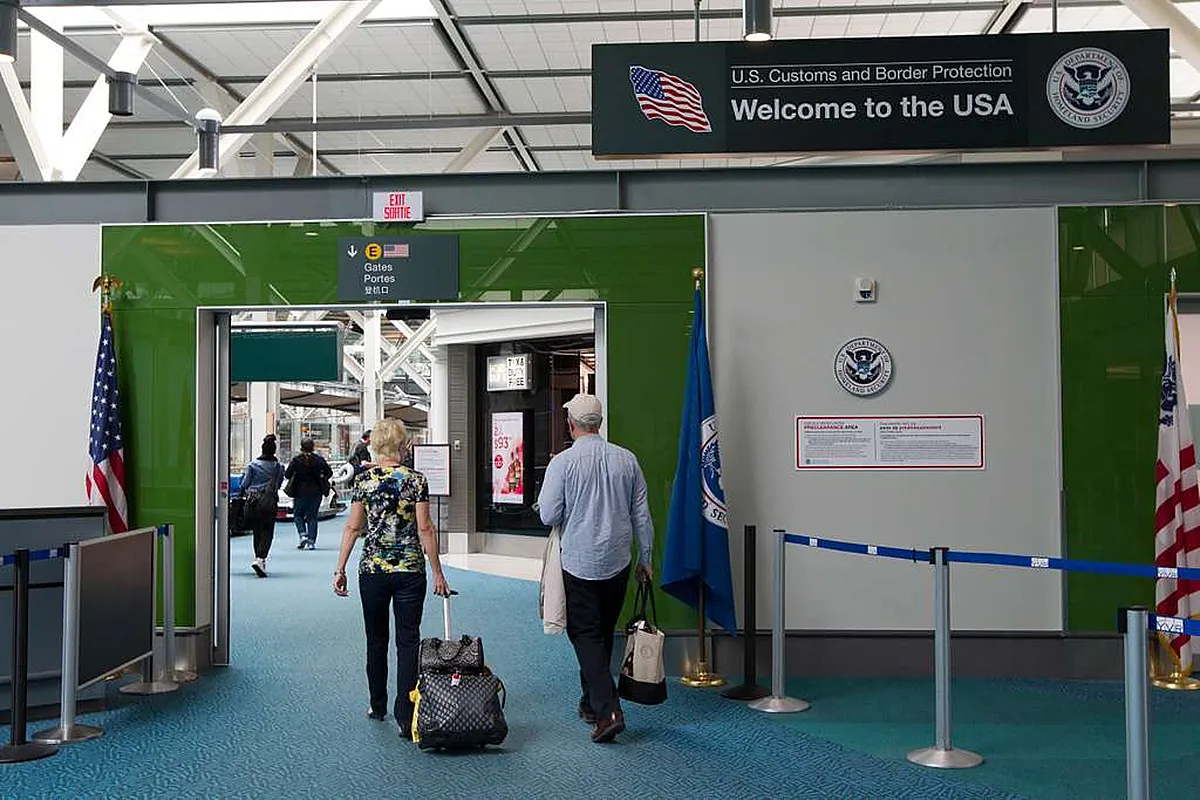
Vancouver International Airport, October 2026 – The familiar hum of international travel is steadily returning to Canada’s major airports and land crossings, yet the journey for Canadian residents to reclaim pre-pandemic travel patterns to the United States remains a protracted and intricate one. Recent data released by Statistics Canada paints a picture of gradual recovery, marked by consistent year-over-year growth, but underscored by a persistent shortfall when compared to the vibrant cross-border traffic of 2024. The image of a traveler navigating the preclearance process at Vancouver International Airport, a crucial step for many heading south, encapsulates the renewed but still evolving reality of Canada-U.S. mobility.
Main Facts: A Resurgent Yet Subdued Return
Canadian-resident return trips from the United States experienced a significant upswing in September 2026, registering a 6.8% increase compared to the same month last year. This marks the sixth consecutive month of year-over-year growth, offering a hopeful indicator that the appetite for cross-border travel is indeed on an upward trajectory. The recovery is evident across both primary modes of transportation: return trips by car saw a 5.6% increase, while air travel demonstrated even stronger momentum with an 11.6% rise.
Despite these encouraging figures, a stark reality check emerges when juxtaposing current numbers against pre-pandemic benchmarks. In September 2026, Canadian-resident return trips from the U.S. by car remained a substantial 31.1% lower than levels recorded in September 2024. Similarly, air travel, while recovering more robustly, was still down by 18.7% compared to its 2024 peak. These disparities highlight the lingering effects of the global health crisis, coupled with evolving economic conditions and potentially shifting travel behaviors that continue to shape the landscape of North American mobility. The path to fully restoring the once-seamless flow of people, commerce, and culture across the world’s longest undefended border is proving to be a complex mosaic of economic resilience, consumer confidence, and adaptive policy.
The data underscores a critical juncture for both nations, as the economic lifelines sustained by cross-border tourism, retail, and business travel continue to mend. For U.S. border communities heavily reliant on Canadian visitors, and for Canadian families and businesses with strong ties to their southern neighbors, the pace of this recovery is not merely a statistical point but a measure of economic vitality and social reconnection. The consistent, albeit slow, upward trend provides optimism, yet the substantial gap to 2024 levels serves as a powerful reminder of the profound impact of recent global events and the continued effort required to bridge the divide.
Chronology: From Unprecedented Halt to Measured Revival
The narrative of Canadian cross-border travel to the U.S. is one of dramatic shifts, from an era of unparalleled ease and volume to an abrupt halt, followed by a painstakingly slow and uneven recovery. Understanding the current state requires a look back at the defining moments that have shaped this crucial bilateral movement.
The Pre-Pandemic Boom (Before 2020)
Prior to the global health crisis, the Canada-U.S. border was one of the busiest in the world, facilitating hundreds of millions of crossings annually. Canadians frequently journeyed south for vacations, shopping trips, family visits, and business engagements. Popular destinations ranged from the sunny beaches of Florida and California to the retail hubs of Buffalo and Seattle, and the cultural attractions of New York and Boston. The ease of travel, often requiring little more than a passport or enhanced driver’s license, coupled with a favorable exchange rate for extended periods, fueled a robust outbound tourism market. This continuous flow contributed billions to the U.S. economy, supporting countless jobs in tourism, hospitality, and retail sectors, particularly in states bordering Canada. The interdependence was profound, with Canadian travelers representing a significant segment of international visitors to many U.S. regions.
The Pandemic Halt (2020-2021)
The arrival of the COVID-19 pandemic in early 2020 brought this vibrant cross-border movement to an unprecedented and near-total standstill. In March 2020, both Canada and the U.S. implemented severe restrictions, effectively closing the border to non-essential travel. While commercial traffic continued, the flow of tourists, shoppers, and casual visitors ceased almost entirely. Families were separated, businesses that relied on cross-border clientele faced existential threats, and the economic arteries connecting the two nations were severely constricted. Data from this period showed precipitous drops in travel, often exceeding 90% compared to previous years. The impact was immediate and devastating, transforming bustling border crossings into desolate checkpoints and severely impacting the livelihoods of communities on both sides.
The Reopening and Initial Recovery (2021-2023)
As vaccination rates improved and public health measures evolved, both governments began the cautious process of reopening the border. The U.S. reopened its land border to fully vaccinated Canadians in November 2021, following Canada’s earlier decision to ease restrictions for vaccinated U.S. citizens. This phased reopening, often accompanied by complex entry requirements and testing mandates, marked the beginning of a slow and often frustrating recovery. Initial travel numbers were modest, driven primarily by essential family visits and a pent-up demand for leisure. However, ongoing public health concerns, coupled with economic uncertainties, prevented a rapid return to pre-pandemic volumes. The travel industry, from airlines to hotels and tour operators, grappled with staffing shortages, fluctuating demand, and the need to adapt to new health protocols, further complicating the initial rebound.
The Current Trajectory (2024-2026)
By 2024, many of the initial travel restrictions had been lifted, paving the way for a more robust, though still incomplete, recovery. The current period, highlighted by Statistics Canada’s latest release, shows a sustained, if measured, improvement. The six consecutive months of year-over-year growth in 2026 indicate that the initial hurdles of reopening have largely been overcome, and a new baseline of consistent growth is being established. However, the comparison to 2024 levels serves as a crucial benchmark, revealing that while recovery is underway, the market has not yet fully absorbed the shock of the pandemic. Economic pressures, such as inflation and interest rates, alongside evolving consumer preferences for travel, are now playing a more dominant role in shaping the pace and nature of this ongoing revival.
Supporting Data: Deconstructing the Recovery
A deeper dive into the numbers and broader economic context reveals the nuanced factors driving — or hindering — the return of Canadian travel to the U.S. The path back to normalcy is not uniform, influenced by economic headwinds, demographic shifts, and the evolving nature of travel itself.
Detailed Breakdown of Travel Modes: Car vs. Air
The disparity in recovery rates between car and air travel offers critical insights. While both modes saw year-over-year increases in September 2026, car travel remains significantly further from its 2024 levels (31.1% down) compared to air travel (18.7% down). This gap can be attributed to several factors. Car travel is often associated with shorter, more frequent trips to border regions for shopping, gas, or day excursions. These types of discretionary trips are highly sensitive to economic conditions, including fuel prices, exchange rates, and the perceived value of cross-border shopping. With inflation impacting household budgets and the Canadian dollar often trading unfavorably against the U.S. dollar, these short trips may be less appealing than in the past.
Conversely, air travel typically signifies longer stays, more planned vacations, or essential business trips, which might be less susceptible to immediate economic fluctuations. The rise in air travel suggests a strong demand for leisure and family visits that require flying, potentially indicating that those who are traveling by air are more committed to their trips, often having saved specifically for them. Furthermore, airlines have largely restored capacity, and competitive pricing might be luring travelers back to destinations further afield than those accessible by car.
Economic Indicators: The Invisible Hand of Travel
The macroeconomic environment in Canada plays a pivotal role in shaping outbound travel. High inflation rates in Canada have eroded purchasing power, making international travel, especially to the U.S. where prices are often quoted in a stronger currency, more expensive. Interest rate hikes, aimed at taming inflation, increase the cost of borrowing and can reduce disposable income, prompting households to cut back on non-essential spending like travel.
The CAD-USD exchange rate is another critical determinant. A weaker Canadian dollar makes U.S. goods and services more expensive for Canadian travelers, directly impacting their budget for accommodation, dining, and shopping. While the exchange rate fluctuates, sustained periods of a weaker loonie can deter casual cross-border trips and encourage Canadians to explore domestic travel options instead. The U.S. economy, while generally robust, also experiences its own inflationary pressures, which can indirectly affect the perceived value for Canadian travelers. For U.S. border towns, the reduced influx of Canadian visitors has tangible economic consequences, impacting local businesses from gas stations and grocery stores to hotels and restaurants, many of whom previously relied heavily on Canadian patronage.
Demographic Shifts and Travel Habits
The pandemic has also instigated shifts in travel demographics and habits. Older Canadians, who traditionally made frequent trips south for winter stays or medical tourism, may still be exercising greater caution due to health concerns, even with reduced risks. Younger demographics, while keen to travel, might be more impacted by economic pressures or have developed new preferences for domestic travel or destinations outside the U.S. Business travel, another significant component of cross-border movement, has also been altered by the widespread adoption of remote work and virtual meetings, potentially leading to a permanent reduction in certain types of corporate trips. Analyzing these demographic nuances will be crucial for both Canadian and U.S. tourism sectors to tailor their strategies effectively.
Comparison with Other International Travel
To fully contextualize the Canadian-U.S. travel recovery, it’s beneficial to compare it with other international travel trends. Are Canadians traveling less internationally overall, or are they simply redirecting their travel to other destinations? Data on Canadian travel to Europe, Mexico, or other global destinations could reveal whether the U.S. specific recovery lag is due to unique factors (e.g., proximity, economic ties) or part of a broader shift in Canadian outbound tourism patterns. Conversely, examining U.S. travel to Canada would offer a reciprocal perspective, highlighting the health of the bilateral travel relationship from both sides. Early indications suggest that while overall international travel is recovering, the specific dynamics between Canada and the U.S. are influenced by their unique interconnectedness.
Official Responses: Governments, Agencies, and Industry Weigh In
The gradual recovery of Canadian cross-border travel has not gone unnoticed by governmental bodies, industry stakeholders, and the communities directly affected. Their responses range from data analysis and policy adjustments to marketing initiatives aimed at accelerating the return to previous travel volumes.
Statistics Canada: The Pulse of the Nation
Statistics Canada serves as the authoritative source for these travel figures, providing crucial insights into the nation’s economic and social pulse. Their regular releases on international travel are vital for policymakers, businesses, and researchers to understand trends and formulate appropriate strategies. The meticulous collection and dissemination of this data underscore the importance placed on cross-border mobility as a key indicator of economic health and bilateral relations. Their reports often come with cautious interpretations, highlighting the complexities behind the numbers and the multitude of factors at play.
Government of Canada: Facilitating and Promoting Travel
The Government of Canada, through various ministries such as Transport Canada, Tourism, and Finance, has been closely monitoring travel recovery. Official statements often emphasize the importance of safe and efficient border crossings, while acknowledging the economic benefits of robust travel flows. Efforts have focused on modernizing border processes, supporting the airline industry, and promoting Canada as a destination for international visitors. While direct interventions to stimulate outbound Canadian travel to the U.S. are less common, the government’s overall economic policies and efforts to manage inflation indirectly influence Canadians’ ability and willingness to travel internationally. Initiatives like the ArriveCAN app, though controversial at times, represented efforts to streamline entry processes during the pandemic, and lessons learned are being applied to future digital travel solutions.
U.S. Government and Agencies: Welcoming Back Northern Neighbors
On the U.S. side, agencies like Customs and Border Protection (CBP) are central to the traveler experience. The image of a traveler undergoing preclearance at Vancouver International Airport highlights a key program designed to streamline entry into the U.S. by completing immigration, customs, and agricultural inspections before departure from a foreign country. This not only enhances security but significantly reduces wait times upon arrival in the U.S. CBP officials have often spoken about managing increased traveler volumes and working to ensure efficient processing while maintaining security standards.
Beyond border operations, U.S. tourism bodies, such as Brand USA, actively market the United States as a premier travel destination. While their campaigns target a global audience, Canada remains a top priority given its proximity and historical travel volumes. These efforts include digital campaigns, partnerships with travel agents, and participation in trade shows, all aimed at reminding Canadians of the diverse attractions and experiences available south of the border. State and local tourism boards, particularly in border states, also launch targeted campaigns to lure back Canadian visitors, often highlighting specific regional attractions or shopping opportunities.
Industry Stakeholders: Airlines, Tourism, and Border Communities
The travel industry has been vocal in its call for a smoother, more predictable return to pre-pandemic travel. Airlines, after facing unprecedented losses, have been gradually restoring routes and increasing capacity, often adjusting pricing strategies to stimulate demand. Their spokespersons frequently comment on passenger load factors and route profitability as indicators of recovery.
Tourism associations in both countries, representing hotels, resorts, attractions, and tour operators, advocate for policies that support cross-border travel and invest in marketing. They provide valuable data and insights to governments, highlighting the economic contributions of tourism and lobbying for measures that reduce barriers to entry. For businesses in border communities, the recovery is existential. Chambers of commerce and local business associations in towns like Niagara Falls, NY, or Blaine, WA, regularly issue statements reflecting the impact of Canadian travel numbers on their local economies, often calling for continued governmental support or promotional efforts to entice visitors back. Their responses underscore the direct correlation between travel volumes and local economic vibrancy.
Implications: Economic Resonance and Future Horizons
The trajectory of Canadian cross-border travel to the U.S. carries significant implications, extending far beyond mere tourism statistics. It touches upon deep economic interdependencies, social connections, and the very fabric of the bilateral relationship. Understanding these implications is crucial for charting a resilient path forward.
Economic Implications: A Bilateral Boost or Lingering Drag
For U.S. border states and cities, the continued deficit in Canadian visitors represents a tangible economic drag. Businesses reliant on Canadian tourist dollars – from retail outlets and restaurants to hotels and entertainment venues – feel the pinch of reduced foot traffic and spending. This can lead to job losses, decreased local tax revenues, and a slower pace of economic recovery in these regions. The long-term implications could include businesses scaling back operations or even closing, altering the economic landscape of these communities permanently. Conversely, a full recovery promises a significant economic boost, injecting billions back into local economies and supporting a wide array of industries.
For Canada, the implications are more complex. While reduced outbound travel might theoretically mean more domestic tourism spending, the loss of cross-border shopping and other economic activities (e.g., travel agencies specializing in U.S. trips, duty-free shops at border crossings) also has an impact. A stronger Canadian dollar in the future could help, but persistent economic challenges at home continue to shape consumer spending habits. The overall health of the bilateral economic relationship, often seen as a bellwether for global trade, is also subtly influenced by the ease and volume of personal travel.
Sociocultural Implications: Reconnecting and Rebuilding Bonds
Beyond economics, the reduced travel numbers have sociocultural repercussions. The Canada-U.S. border is not just a line on a map; it’s a conduit for families, friends, and cultural exchange. Many Canadians have relatives, second homes, or long-standing traditions of visiting specific U.S. locales. The difficulty or reduced frequency of these trips can strain personal relationships and diminish the shared cultural experiences that have historically defined the two nations. Rebuilding these social bonds, facilitating easier family visits, and encouraging cultural exchange through travel are vital for maintaining the deep-seated camaraderie between Canadians and Americans. Shared events, festivals, and sporting contests that once drew significant cross-border attendance are slowly seeing renewed participation, helping to mend these social fabrics.
Future Outlook and Challenges: Navigating a New Normal
The road ahead for Canadian cross-border travel is paved with both challenges and opportunities.
Challenges:
- Persistent Inflation and Economic Volatility: The biggest near-term challenge is the global economic climate. If inflation remains high or if either nation faces a recession, discretionary travel will likely be among the first expenditures to be cut.
- Staffing Shortages: Airports, airlines, and border agencies continue to grapple with staffing issues, which can lead to longer wait times, flight delays, and a less pleasant travel experience, potentially deterring travelers.
- Environmental Concerns: A growing awareness of climate change might prompt some travelers to reconsider the frequency of air travel, potentially shifting preferences towards closer destinations or alternative modes of transport.
- Evolving Consumer Behavior: The pandemic accelerated shifts towards digital services and local experiences. Whether these changes are temporary or permanent will influence future travel patterns.
Opportunities:
- Digitalization of Travel: Continued advancements in digital identity and trusted traveler programs (like NEXUS) can significantly streamline border crossings, making travel faster and more convenient.
- Targeted Marketing: U.S. tourism bodies can refine their marketing to target specific Canadian demographics or interests, highlighting value propositions that resonate with current economic realities.
- Sustainable Tourism: Promoting sustainable travel options and experiences could attract a new generation of environmentally conscious travelers.
- Infrastructure Investment: Ongoing investments in border infrastructure and transportation networks can improve efficiency and capacity, supporting higher travel volumes.
Projections:
Industry analysts and tourism economists suggest that a full return to 2024 Canadian-resident travel levels to the U.S. might still be several years away, perhaps not before 2028 or even 2029, contingent on sustained economic stability and the absence of new global disruptions. The "new normal" for cross-border travel may not precisely mirror the past, but rather represent an evolved pattern shaped by economic resilience, technological integration, and a renewed appreciation for the ease of movement that was once taken for granted. The latest data, while showing encouraging growth, underscores that this recovery is a marathon, not a sprint, requiring continued adaptation and strategic efforts from all stakeholders involved.


 Sagoh
Sagoh
 Reynand Wu