Muslim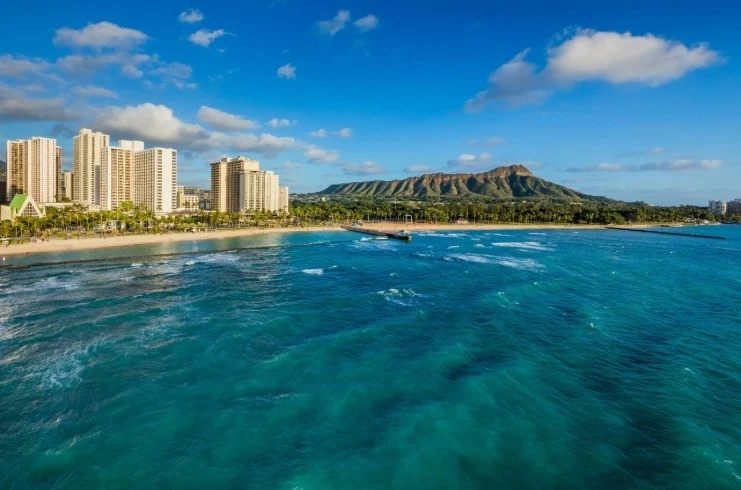
HONOLULU, Hawaiʻi — In an era where the modern traveler increasingly prioritizes experiential travel over traditional luxury, the Waikīkī Beach Marriott Resort & Spa has announced a significant expansion of its on-property programming. By blending high-tech entertainment with deep-rooted cultural preservation, the iconic beachfront property is positioning itself as a hub for both multigenerational family bonding and authentic Hawaiian immersion.
The resort, situated at the gateway to the world-famous Waikīkī Beach, has unveiled a two-pronged strategy to enhance the guest experience: the debut of the state-of-the-art "Ohana Entertainment Center" and a revitalized schedule of interactive workshops at its Cultural & Activity Center.
Main Facts: A New Chapter for the Waikīkī Beach Marriott
The resort’s latest initiatives represent a shift in the philosophy of resort management in Honolulu. Rather than merely providing a place to sleep, the Waikīkī Beach Marriott is seeking to become a self-contained destination where guests can engage in play and education without leaving the property.
At the heart of this expansion is the Ohana Entertainment Center, a facility designed to cater to the growing demand for "eatertainment" and high-energy family activities. Developed in a strategic partnership with the Family Entertainment Group—a leader in the design and operation of family-friendly attractions—the space serves as a central hub for social interaction.
Simultaneously, the resort is doubling down on its commitment to indigenous heritage. Through its Cultural & Activity Center, the property is introducing specialized workshops that go beyond the standard tourist offerings, focusing instead on the tangible arts of kapa making and bamboo stamping. These additions serve to bridge the gap between the high-energy atmosphere of Waikīkī and the quiet, storied traditions of Native Hawaiian culture.
Chronology of Development
The path to this transformation began as resort leadership observed a shifting demographic of travelers post-pandemic. According to property data, the resort saw a significant uptick in multigenerational travel, where grandparents, parents, and children were seeking shared activities that could accommodate diverse age groups.
- Early 2025: Market research conducted by the resort identifies a "experience gap" in the local hospitality sector, where families were seeking indoor, climate-controlled entertainment options to escape the mid-day tropical heat.
- Late 2025: Negotiations with Family Entertainment Group finalized, with a focus on integrating boutique bowling and VR gaming into the existing architectural footprint of the lobby level.
- Q1 2026: Curriculum development for new cultural programming begins, working in collaboration with local artisans and cultural practitioners to ensure authenticity in the teaching of kapa and bamboo stamping.
- Summer 2026 (Launch Phase): The phased rollout of the Ohana Entertainment Center commences, coinciding with the peak travel season. Simultaneously, the Cultural & Activity Center updates its permanent roster of workshops.
Supporting Data: Why "Ohana" Matters in Hospitality
The decision to invest in the Ohana Entertainment Center is backed by global hospitality trends. According to the Hospitality Trends Report 2026, travelers are 40% more likely to book a resort that offers integrated family entertainment options compared to those that offer only traditional pool-and-dining experiences.
The choice of the name "Ohana" is not merely marketing; it reflects a core business objective. By emphasizing the Hawaiian concept of family and connection, the resort aims to increase its average length of stay. Data from the property indicates that guests who engage in three or more on-site activities have a 25% higher propensity to return to the resort within 24 months.
Furthermore, the integration of technology—specifically the VR gaming suites—addresses the needs of the "Gen Alpha" and "Gen Z" traveler, who require high levels of engagement. By pairing these high-tech offerings with the tactile, slow-paced art of kapa making, the resort captures the full spectrum of the modern traveler’s needs: high-octane stimulation balanced with mindful, educational engagement.
Official Responses: A Vision for Connection
Mark Weatherill, the General Manager of the Waikīkī Beach Marriott Resort & Spa, underscored the necessity of these changes during the launch announcement.
"Today’s travelers are looking for experiences that feel engaging, easy, and memorable for everyone in the family," Weatherill noted. "Between new entertainment offerings, hands-on cultural activities, and signature experiences across the resort, we’re continuing to create more ways for guests to connect, spend time together, and experience the energy of the island."
Weatherill emphasized that the project was not just about adding amenities, but about fostering an environment of community. "When we think about the concept of ohana, it isn’t just about blood relatives. It’s about the people you choose to spend your time with. Our goal is to provide the space for those connections to happen, whether that’s over a game of bowling or while learning the intricate history of Hawaiian fabric making."

Deep Dive: The Cultural & Activity Center Expansion
The cultural programming at the Waikīkī Beach Marriott is being lauded by local observers for its focus on the "moʻolelo" (stories) behind the art.
Kapa Making: The Fabric of History
The new Kapa workshop is a standout addition. Kapa (tapa cloth) is a non-woven fabric made from the inner bark of the paper mulberry tree. It was historically a vital part of Hawaiian life, used for clothing, bedding, and ceremonial items. By hosting these workshops, the resort is providing a platform for the preservation of a dying art. Participants learn how to beat the bark, create natural dyes, and use carved stamps—a process that is as meditative as it is educational.
Bamboo Stamping: Artistic Expression
Bamboo stamping offers guests a more accessible entry point into Hawaiian design. Using traditional patterns that carry specific meanings in Hawaiian culture, guests create their own cards or prints. This activity serves as a bridge, allowing guests to take a piece of the island home with them—not as a mass-produced souvenir, but as a hand-crafted artifact of their own making.
These programs complement the resort’s existing offerings:
- Lei Making: An introduction to the floral artistry that serves as the universal symbol of Aloha.
- Hula Lessons: A physical and spiritual practice that tells the history of the Hawaiian people through movement.
- Hawaiian Language Sessions: Introductory courses designed to help visitors better understand the place names and cultural terminology they encounter during their stay.
Implications: Setting the Standard for Urban Resorts
The move by the Waikīkī Beach Marriott has broader implications for the hospitality industry in Honolulu. As the city continues to grapple with the balance between tourism and the preservation of local identity, this hybrid model offers a potential template for other resorts.
1. Combating "Tourist Fatigue"
By providing high-quality, curated experiences on-site, the resort reduces the pressure on guests to constantly travel to distant sites for entertainment. This contributes to a more sustainable tourism model, reducing the carbon footprint associated with daily excursions.
2. Economic Multiplier Effect
The partnership with the Family Entertainment Group and the hiring of local cultural practitioners creates a micro-economy within the resort. By prioritizing local artisans to lead workshops, the resort ensures that tourism dollars are directly supporting the local creative class.
3. Redefining the "Beach Resort"
For decades, the standard for a Waikīkī hotel was a room with an ocean view and proximity to the sand. The Marriott’s pivot suggests that in the coming decade, the "view" will no longer be enough. The future of luxury hospitality lies in the ability to curate the guest’s time. Whether that time is spent in the high-tech glow of a VR suite or in the quiet, focused study of ancient Hawaiian fabric production, the resort of the future must be a place where guests are constantly invited to discover, learn, and grow.
4. Cultural Stewardship
Perhaps the most significant implication is the responsibility of large-scale hospitality brands to act as stewards of the culture they occupy. By integrating authentic kapa and bamboo history into their guest programming, the Waikīkī Beach Marriott is elevating the guest’s journey from a superficial vacation to a deep-dive educational experience. This shift helps to mitigate the "Disneyfication" of culture, replacing stereotypes with actual history and tangible skill-sharing.
Final Thoughts: The Road Ahead
As the Waikīkī Beach Marriott Resort & Spa steps into this new chapter, the industry will be watching closely. If the resort succeeds in creating a seamless blend of technology and tradition, it will likely serve as a blueprint for other properties in the Marriott portfolio and beyond.
For the guests, the outcome is clear: a more enriching, connected, and memorable stay. As the sun sets over the Pacific, casting its golden light on the resort’s updated facilities, the message to the traveler is one of invitation—to bowl, to create, to learn, and ultimately, to become part of the ohana that defines the spirit of Hawaiʻi.


 Nila Kartika Wati
 Layla Zulfa