
 Ali Ikhwan
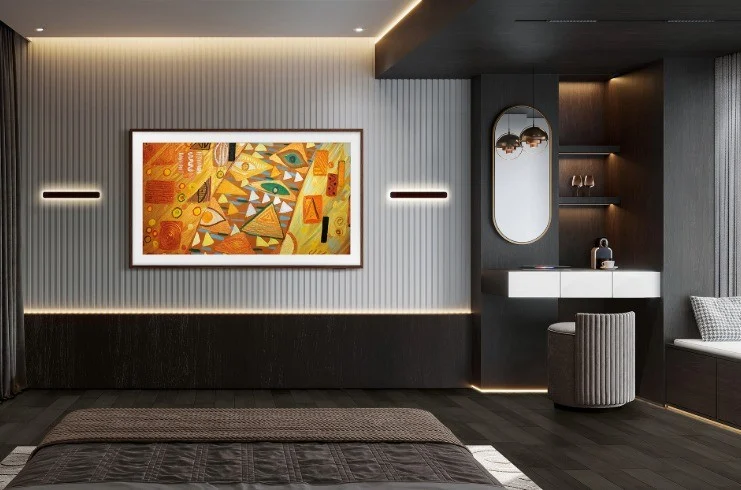
In an era where the hotel room serves as a sanctuary, a workspace, and a digital hub, the technology powering the guest experience must evolve beyond the traditional black-screen television. Recognizing this shift, Samsung Electronics America has officially announced the launch of its renowned "The Frame" hospitality display (HL03H model) for the U.S. market. By merging high-end aesthetics with cutting-edge artificial intelligence and robust enterprise-grade security, Samsung is setting a new standard for luxury hospitality environments.
Available in 55-, 65-, and 75-inch configurations, this launch marks a departure from standard commercial displays, positioning the television as a piece of interior design rather than a mere utility.
The Intersection of Aesthetics and Utility: Main Facts
The core philosophy behind the introduction of The Frame to the hospitality sector is the concept of "invisible technology." In premium hotel design, clutter and intrusive electronics are often seen as detractors from the room’s ambiance.
The HL03H model addresses this by functioning as a high-definition 4K QLED display when in use, and transforming into a piece of digital art—replete with an anti-glare, matte finish—when idle. This aesthetic versatility is further enhanced by optional magnetic, customizable bezels, allowing interior designers to match the display frame to the room’s woodwork or color palette. With a slim-fit wall mount, the unit sits flush against the wall, indistinguishable from a framed canvas.
However, the hardware is only half the story. Beneath the elegant exterior, the display serves as a sophisticated digital concierge, integrated with Smart TV functionality that allows guests to access entertainment, stream personal content, and navigate hotel services with intuitive ease.
A Chronological Evolution of In-Room Entertainment
The trajectory of hotel television has been marked by several distinct phases, each reflecting the broader technological landscape:
- The Analog Era (1980s–1990s): Hotels relied on bulky CRT televisions with limited cable channels and proprietary "pay-per-view" boxes that were notoriously difficult to navigate.
- The Digital Shift (2000s–2010s): The industry moved toward flat-panel LCD screens. While image quality improved, the UI remained cumbersome, often requiring dedicated remote controls that added to the "technological noise" of the room.
- The Connected Era (2015–2020): With the rise of streaming, guests began demanding the ability to cast their own content. Many hotels struggled to integrate these personal devices due to security concerns and network limitations.
- The Experiential Era (2024 and beyond): The arrival of The Frame signals a move toward "Integrated Living." Technology is no longer an add-on; it is woven into the room’s design, offering AI-driven personalization and seamless, secure connectivity.
By introducing The Frame now, Samsung is responding to a post-pandemic guest demographic that values hyper-personalization and expects their hotel room to be "smarter" than their home environment.
Data-Driven Insights: Why Design Matters in Hospitality
Market research into luxury hospitality consistently demonstrates that "visual friction" in a room—the presence of messy cables, bulky hardware, or dated interfaces—negatively impacts guest satisfaction scores. According to recent hospitality tech trends, nearly 70% of travelers prioritize in-room connectivity and smart entertainment as top factors in their overall rating of a hotel stay.
Samsung’s data suggests that by transforming the TV into a digital canvas, hotels can:
- Increase "Idle Time" Engagement: By displaying local art or branded content instead of a black screen, hotels maintain a premium atmosphere 24/7.
- Streamline Operations: Through the integration of LYNK Cloud, properties can transition from manual service requests to digital ones, reducing the strain on front-desk staff.
- Drive Revenue: AI-driven content management allows hotels to serve targeted promotions based on guest preferences, moving beyond static, one-size-fits-all advertisements.
Official Perspectives: The Vision for Modern Stays
The move is a strategic one, designed to keep Samsung at the forefront of the enterprise display market. Mark Kelly, Head of Enterprise Sales for the Display Solutions Division at Samsung Electronics America, underscored the importance of this release during the launch announcement.
"As luxury hospitality evolves, the most memorable in-room stays will feel more personal and connected without compromising their design integrity," Kelly stated. "The Frame hospitality model seamlessly blends art, entertainment, and hotel services together on one flexible display, helping hotels adapt to changing guest expectations and create more distinctive experiences over time."

This sentiment is echoed by industry analysts who suggest that the partnership between art and technology is no longer a niche preference but a baseline requirement for properties aiming for four- and five-star ratings.
AI-Powered Personalization and the Global Guest
One of the most compelling aspects of the HL03H model is its reliance on advanced AI to bridge cultural and linguistic gaps.
The Generative Wallpaper
The "Generative Wallpaper" feature is a standout, allowing the display to create custom imagery. For a hotel located in a historic district, the display could generate digital motifs that reflect local architectural styles. For a beach resort, it might shift to calming, oceanic textures that change with the time of day.
Language Inclusivity: Live Translate
Perhaps most significant for international hospitality is the "Live Translate" feature. In a globalized world, language barriers remain a friction point for travelers. By offering real-time translated subtitles for live broadcasts and local content, Samsung is making the hotel room feel universally accessible, regardless of the guest’s native language.
Seamless Casting
With integrated Google Cast and Apple AirPlay, the "BYOD" (Bring Your Own Device) experience is simplified. Guests no longer need to fiddle with HDMI cables or cumbersome login portals to access their Netflix, Disney+, or YouTube accounts. The display acts as an extension of their personal digital life, maintaining high security while offering maximum convenience.
Implications for Hotel Operations: Security and Management
The shift to smarter, more connected rooms creates an inevitable challenge: security. With the Tizen Enterprise Platform, Samsung has addressed this by ensuring that the display is not just a screen, but a secure endpoint.
Samsung Knox Security
In the hospitality sector, protecting guest data is paramount. The inclusion of Samsung Knox provides a multi-layered security framework. This hardware-backed protection ensures that personal data, streaming history, and device connections are wiped clean upon checkout, providing peace of mind for the guest and legal protection for the hotel.
Content Management via LYNK Cloud
From the management side, LYNK Cloud serves as the nerve center. It allows staff to:
- Configure Digital Concierge: Guests can order room service, request housekeeping, or book spa appointments directly through the interface.
- Uncover Marketing Insights: The system analyzes viewing history to provide insights into what guests are interested in. If a significant percentage of guests are viewing information about the hotel’s wine bar, the system can automatically suggest a promotion for a sommelier-led tasting.
Future Outlook: The Role of the Smart Display
The integration of The Frame into hotels is emblematic of a broader trend: the digitization of physical space. As hotels continue to compete with home-sharing platforms like Airbnb, the differentiator will increasingly be the quality of the "experience" provided.
Samsung’s strategy appears to be a dual-pronged approach: provide the hardware that satisfies the designer’s eye and the software that satisfies the operator’s bottom line. By removing the friction from in-room entertainment and enhancing the room’s aesthetic, Samsung is ensuring that the television remains the heart of the guest experience.
As this technology rolls out across U.S. luxury properties, the benchmark for what constitutes a "premium" stay will inevitably rise. The display is no longer just a screen; it is a curator of art, a concierge of services, and a bridge between the guest and the hotel’s brand identity. For the hospitality industry, this is not merely a product launch—it is a transformation of the room itself.


 Rifan Muazin

 Evan Lee Salim





