Siti Muinah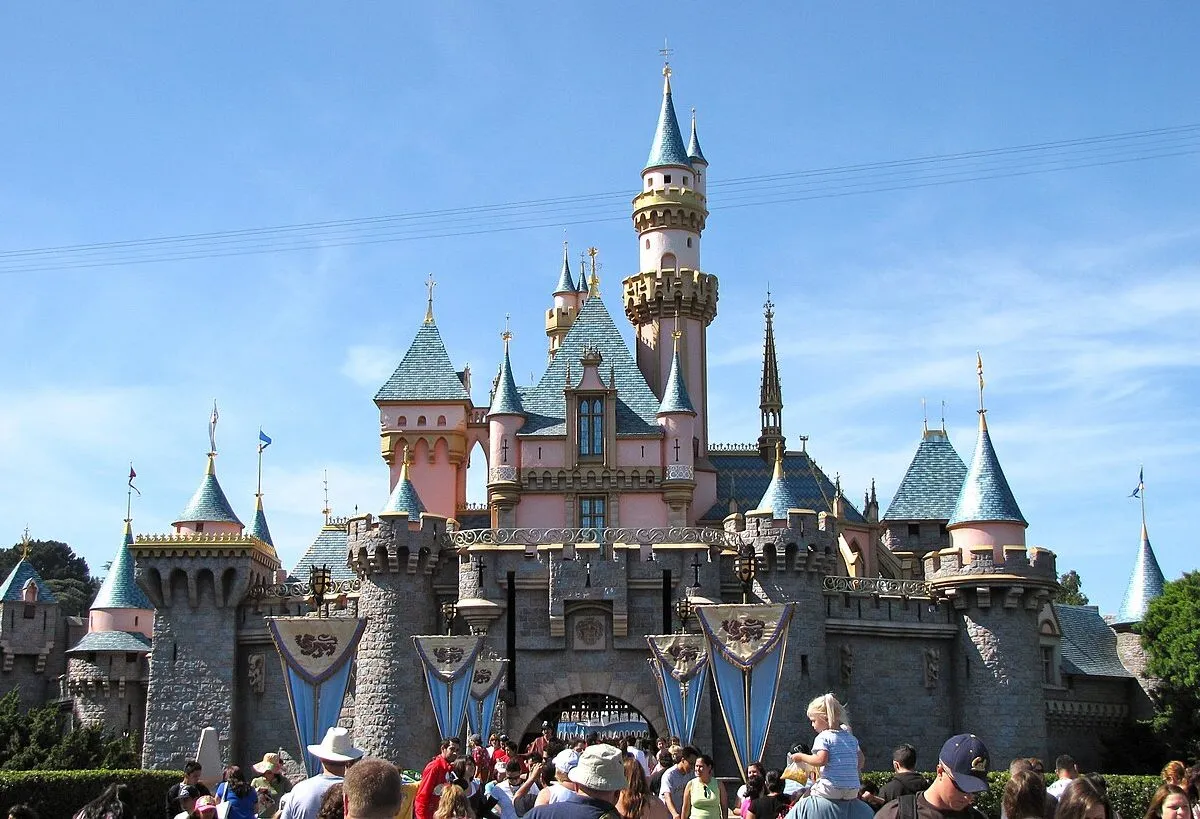
ANAHEIM, CALIFORNIA – Disneyland Resort, a cornerstone of The Walt Disney Company’s global entertainment empire, is once again adjusting its intricate pricing structure, signaling a strategic pivot designed to concurrently court budget-conscious newcomers and maximize revenue from affluent, loyal patrons. The latest round of adjustments primarily targets premium add-ons and higher-tier daily tickets, while notably maintaining stability in its most accessible, lower-tier options. This dual approach underscores Disney’s calculated gamble: nurturing a pipeline of future big-spenders by offering an initial, more affordable "on-ramp" into the magical realm, while simultaneously enhancing monetization from those willing to pay for an elevated experience.
The move comes as the global travel and leisure industry continues to navigate post-pandemic shifts, inflationary pressures, and evolving consumer expectations. For decades, Disney parks have been synonymous with family vacations and aspirational experiences, a brand image that the company meticulously cultivates even as its pricing strategies become increasingly sophisticated and, at times, controversial.
Main Facts: A Dual Pricing Strategy Unveiled
The core of Disney’s current pricing philosophy revolves around a deliberate segmentation of its visitor base. While the general perception often points to ever-increasing costs associated with a Disney vacation, the reality, as articulated by the company, is more nuanced. Recent changes, implemented across Disneyland and Walt Disney World, have seen modest increases in the upper echelons of ticket prices and specific premium services. These include, but are not limited to, multi-day ticket options, the coveted Genie+ service which offers expedited access to attractions, preferred parking, and certain dining experiences.
Conversely, the entry-level one-day ticket prices, particularly those for off-peak days, have remained largely unchanged. At Disneyland, for instance, the lowest-tier single-day ticket has held steady at $104 since 2019. This stability is not merely an oversight but a conscious decision, forming the bedrock of Disney’s "on-ramp" strategy. The objective is clear: to keep the initial barrier to entry low enough to entice young families, first-time visitors, or those with tighter budgets, hoping to foster a lifelong connection with the brand that will eventually translate into higher spending on future visits.
This strategic recalibration was recently highlighted by Chief Financial Officer Hugh Johnston at a Goldman Sachs conference. Johnston emphasized the company’s "acutely sensitive" approach to pricing, acknowledging the delicate balance between profitability and maintaining brand accessibility. He underscored Disney’s long-term vision, which involves cultivating a loyal customer base from an early age, anticipating that these "on-ramp" families will grow in wealth and subsequently invest more in premium Disney experiences over time.
Chronology: A Decade of Evolving Pricing Models
The current pricing strategy is not an isolated event but rather the culmination of a decade-long evolution in how Disney monetizes its theme park experiences. The journey from a relatively straightforward flat-rate ticket model to today’s complex, demand-based system reflects broader trends in the entertainment and leisure sectors, as well as Disney’s internal imperatives to optimize crowd flow and maximize per-guest spending.
Early 2010s: The Dawn of Tiered Pricing
A decade ago, the highest-priced one-day Disneyland tickets stood at approximately $119. While seemingly a fixed rate, even then, the company was beginning to experiment with seasonal variations. The initial shifts towards tiered pricing were subtle, often linked to peak holiday periods or summer breaks. The primary goal was to encourage visits during less crowded times, thereby distributing attendance more evenly throughout the year.
Mid-2010s: The Rise of Demand-Based Pricing
The mid-2010s saw a more aggressive embrace of demand-based pricing, a strategy common in industries like airlines and hotels. Disney introduced a multi-tier system for single-day tickets, categorizing days into "value," "regular," and "peak" tiers. This marked a significant departure from previous models, making ticket prices explicitly dependent on the anticipated crowd levels for any given day. The rationale was two-fold: to further incentivize off-peak visits and to capture additional revenue from those willing to pay a premium for the most popular attendance days. This period also saw the introduction of dynamic pricing for annual passes, with various tiers offering different levels of access and blackout dates.
Late 2010s: Introducing the "On-Ramp" and Premium Add-ons
By 2019, as the highest-tier one-day tickets continued their ascent, reaching well over $150, Disney made a critical decision: to stabilize its lowest-tier price at $104. This was a direct response to growing public perception that Disney parks were becoming increasingly unaffordable for average families. The $104 price point served as a visible commitment to accessibility, even as other prices continued to climb.
This era also heralded the widespread integration of premium add-ons as distinct revenue streams. While "fast pass" systems had existed for years, the introduction of paid services like MaxPass (the predecessor to Genie+) and later, the Genie+ and Lightning Lane systems, fundamentally altered the guest experience. These services, offering expedited access to attractions, became a primary driver of incremental revenue, allowing guests to "buy back" time in the parks, effectively creating a two-tiered experience within the park itself.
Post-Pandemic Era: Recovery, Inflation, and Refined Segmentation
The COVID-19 pandemic brought unprecedented closures and operational challenges. As parks reopened, Disney leveraged the opportunity to refine its pricing and operational strategies further. The focus shifted heavily towards maximizing "per capita spending," ensuring that each guest contributed significantly to the bottom line, especially with initial capacity constraints. Inflationary pressures across the global economy in the early 2020s provided additional justification for price adjustments. The latest round of hikes, targeting premium services and higher-tier tickets, is a direct continuation of this post-pandemic strategy, aiming to extract more value from the most eager and affluent segments of its customer base while attempting to maintain a veneer of accessibility.
Supporting Data: The Numbers Behind the Magic and the Money
The transformation in Disney’s pricing is stark when viewed over a longer timeline. Analysis from Disney news site Mickey Visit reveals that the highest-priced one-day Disneyland tickets have surged by nearly 90% over the past decade, climbing from $119 to a current high of $224. This dramatic increase reflects not just inflationary pressures but also Disney’s strategic decision to re-position its most sought-after experiences as premium products.
The $224 Experience vs. The $104 Gateway:
The $224 ticket typically grants access on the busiest days of the year – holidays, summer weekends, or school breaks – when demand is at its absolute peak. For a family of four, a single day at this price point would cost nearly $900 before accounting for parking, food, merchandise, or any premium add-ons like Genie+. When considering a multi-day visit, hotel accommodations, and travel, a Disney vacation can easily run into thousands of dollars, placing it firmly in the luxury travel category for many households.
In stark contrast, the stable $104 price point for the lowest-tier ticket is a critical component of Disney’s "on-ramp" strategy. These tickets are valid only on select, typically off-peak weekdays during slower seasons, often requiring flexibility from visitors. While these days offer a less crowded experience, they also come with limitations, potentially fewer operating hours, or fewer entertainment offerings compared to peak days. However, for local residents or those with flexible schedules, this price point remains a crucial entry barrier, allowing them to experience the magic without the prohibitive cost of peak-day admission.
The Role of Add-ons in Per-Capita Spending:
Beyond the base ticket price, Disney’s financial success in its parks division is increasingly driven by "ancillary spending" – the premium add-ons. Services like Genie+ ($25-$30+ per person, per day, depending on demand), individual Lightning Lane selections (ranging from $15-$30 per ride), preferred parking ($50+), and exclusive dining experiences significantly inflate the overall cost of a visit. These offerings are meticulously designed to appeal to different segments:
- Time-conscious visitors: Willing to pay to bypass lines and maximize ride count.
- Affluent guests: Seeking convenience, exclusivity, and a seamless experience.
- Celebration guests: Willing to splurge for special occasions.
Financial reports from The Walt Disney Company consistently highlight the robust performance of its Parks, Experiences and Products segment, often attributing growth to increased guest spending. This indicates that while attendance figures are important, the average revenue generated per guest is a key metric for investors. By offering a spectrum of premium options, Disney effectively extracts more value from its highest-spending customers, offsetting the stable lower-tier ticket prices.
Competitive Landscape and Industry Trends:
Disney’s pricing strategy is not occurring in a vacuum. Other major theme park operators, such as Universal Parks & Resorts, SeaWorld Parks & Entertainment, and Six Flags, have also adopted dynamic pricing models and introduced premium skip-the-line services. Universal’s Express Pass, for example, operates on a similar principle to Disney’s Lightning Lane, allowing guests to pay for expedited access. The industry as a whole is moving towards a model where the base ticket provides entry, but the optimal experience often comes at an additional cost. This trend reflects a broader consumer willingness to pay for convenience and personalization in many service industries.
Official Responses: Articulating the Strategy
Disney’s public statements and executive comments consistently attempt to frame these pricing adjustments within a narrative of value, choice, and strategic investment. CFO Hugh Johnston’s remarks about being "acutely sensitive" to pricing and building an "on-ramp for young families who will continue to visit as their wealth builds" are central to this narrative.
The "On-Ramp" Philosophy:
Johnston’s emphasis on the "on-ramp" strategy is a direct acknowledgement of the economic realities faced by many families. By maintaining accessible entry points, Disney aims to avoid alienating potential future customers. The logic is that an initial positive experience, even a basic one, can foster brand loyalty. As these families mature and their discretionary income increases, they are then more likely to invest in the fuller, more expensive Disney experience – including multi-day tickets, resort stays, and premium services. This long-term customer lifecycle approach is a hallmark of many successful consumer brands.
Value Proposition and Investment:
Beyond accessibility, Disney also frequently justifies price increases by pointing to ongoing investments in park infrastructure, new attractions, and enhanced guest experiences. The argument is that the increased revenue is reinvested to maintain the high standards and innovation that guests expect from a Disney park. The iconic Sleeping Beauty Castle, seen in the accompanying image, symbolizes the aspirational quality and immersive storytelling that Disney promises, a promise that requires continuous capital expenditure to uphold.
While direct quotes regarding the latest specific price changes are often scarce beyond executive conference calls, the underlying message from Disney’s communications department is usually consistent:
- Choice and Flexibility: Guests have a range of options to tailor their visit to their budget and preferences.
- Enhanced Experience: Price adjustments enable the company to continue delivering world-class entertainment and service.
- Operational Efficiency: Dynamic pricing helps manage crowd levels, leading to a better experience for all.
However, these official responses often face skepticism from consumer advocates and some segments of the public who perceive the increases as simply a drive for higher profits, potentially at the expense of the average family’s ability to experience the "magic."
Implications: The Future of the Disney Experience
The implications of Disney’s dual pricing strategy are far-reaching, affecting not only guests but also the company’s brand perception, operational efficiency, and the broader theme park industry.
Impact on Guests and Accessibility:
For budget-conscious families and first-time visitors, the stable $104 ticket offers a glimmer of hope. It provides an entry point, albeit one with significant limitations regarding dates and crowd levels. The question remains whether this "on-ramp" genuinely fosters a sense of belonging or merely highlights the divide between the basic and the full, premium experience. Some argue that being exposed to guests who can afford to bypass lines or enjoy exclusive amenities might make the basic experience feel less "magical" for those who cannot.
For affluent guests and loyalists, the strategy offers convenience and customization. The ability to purchase Genie+, Lightning Lane, or VIP tours means they can effectively buy a superior experience, minimizing wait times and maximizing enjoyment. However, even these guests may experience "premium fatigue," feeling increasingly nickel-and-dimed for services that were once included or less expensive. There’s a delicate balance between offering valuable add-ons and making guests feel like the core experience is incomplete without them.
Brand Perception and the "Magic":
Disney has historically cultivated an image as a universally accessible dream factory. The current pricing model, with its distinct tiers and add-ons, inevitably leads to questions about whether the "magic" is becoming increasingly exclusive. While the company maintains that options exist for all budgets, the perception of a widening gap between a basic visit and a truly immersive one could dilute the brand’s universal appeal. The challenge for Disney is to continue delivering an enchanting experience across all price points, ensuring that every guest, regardless of their spending level, feels they have received good value.
Operational Efficiency and Crowd Management:
From an operational standpoint, dynamic pricing and premium add-ons are highly effective tools. By varying prices based on demand, Disney can encourage guests to visit during off-peak times, thereby distributing crowds more evenly. This not only enhances the guest experience on less crowded days but also optimizes resource allocation, from staffing to ride capacities. The paid skip-the-line services further manage queues by creating an alternative path, which, while controversial, does contribute to overall guest flow management.
Industry Benchmarking and Future Trends:
Disney’s moves often serve as a benchmark for the wider leisure and entertainment industry. As Disney successfully implements and refines its segmented pricing, it is likely that other major theme parks will continue to follow suit, further entrenching demand-based pricing, tiered experiences, and premium add-ons as standard practice. This could lead to a future where highly personalized, AI-driven pricing models become even more sophisticated, tailoring offers to individual guest profiles.
Long-Term Sustainability:
The long-term sustainability of this strategy hinges on several factors. Can Disney continue to innovate and introduce new attractions that justify higher prices? Will consumer willingness to pay for premium experiences endure, especially in the face of economic uncertainties? And most critically, can Disney maintain its brand integrity and appeal across all demographics, ensuring that the "on-ramp" successfully converts initial visitors into lifelong, higher-spending patrons without alienating the very foundation of its family-friendly image?
As Disneyland and its sister parks continue to evolve, Disney’s pricing strategy will remain a fascinating case study in balancing commercial imperatives with the enduring promise of enchantment. The iconic Sleeping Beauty Castle, majestically standing at the heart of the park, continues to beckon, but the journey to its gates, and the experience within, is increasingly shaped by a finely tuned, multi-layered economic reality.

 Lina Irawan
 Sagoh
Sagoh