
 Muslim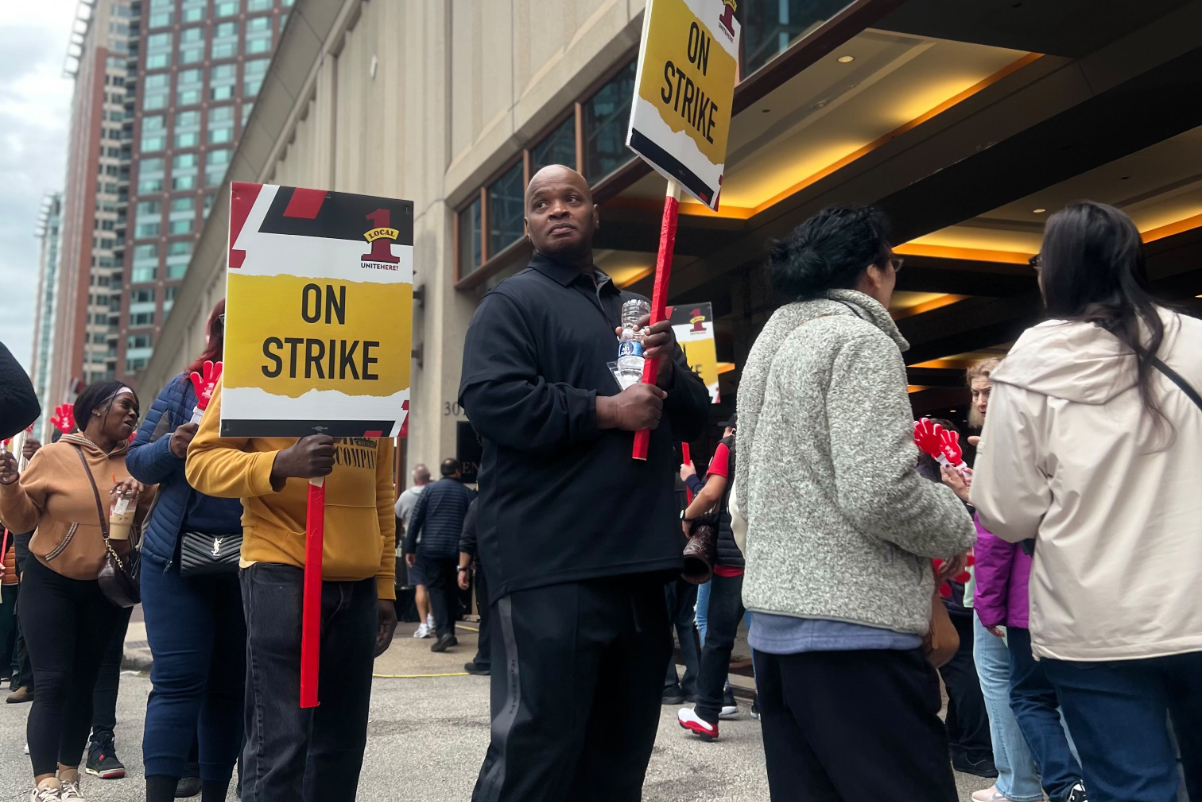
Chicago, IL – October 9th, 2026 – Chicago’s bustling downtown hotel district found itself on the precipice of significant disruption today as hundreds of unionized hotel workers initiated a walkout at six prominent properties. The strike, called by UNITE HERE Local 1, commences just two days before the highly anticipated Chicago Marathon, raising immediate concerns for thousands of visitors, participants, and the city’s tourism economy. While the initial action involves a fraction of the workforce that authorized a strike, the union has issued a stark warning: up to 40 additional hotels could face similar action at any moment, potentially paralyzing a substantial portion of the city’s hospitality sector.
The labor dispute centers on contract negotiations that have stalled for months. More than 7,000 workers across 46 hotels had overwhelmingly voted last month to authorize a comprehensive walkout, after contracts at 44 of these establishments expired on August 31st, with the remaining two also operating without current agreements. Despite the broad authorization, Local 1 President Karen Kent has strategically deployed a narrower initial strike, signaling a measured yet firm escalation.
"We’re going to have to do a lot more, whether it’s strikes or other actions," Kent stated in an exclusive interview with Skift, refusing to specify the triggers for a wider stoppage. Her message to hotel management and the public was unambiguous: "Workers at any of the remaining hotels could be on strike at any moment." This calculated uncertainty adds a layer of tension to the situation, leaving hotel operators and event organizers on high alert.
The initial list of affected properties includes three Marriott-branded hotels – the Sheraton Grand Chicago Riverwalk, The Westin Chicago River North, and The Westin Michigan Avenue Chicago – along with two Hilton-branded hotels and one Millennium property. These hotels represent a significant portion of downtown Chicago’s capacity, particularly favored by business travelers and tourists drawn to their prime locations. The timing, coinciding with one of Chicago’s most prestigious annual events, amplifies the potential for widespread inconvenience and economic fallout.
Chronology: The Path to the Picket Line
The current labor unrest is the culmination of months of simmering tensions and failed negotiations, tracing a clear timeline of increasing frustration among hotel workers.
August 31st Deadline: Contracts Expire, Uncertainty Looms
The initial flashpoint in this dispute was August 31st, 2026, when collective bargaining agreements for workers at 44 downtown Chicago hotels officially expired. These contracts, which typically dictate wages, benefits, working conditions, and job security, had been the bedrock of labor relations in the city’s hospitality industry for years. With no new agreements in place, thousands of employees continued working under the terms of their old contracts, a temporary arrangement that often breeds anxiety and puts pressure on both sides to reach a resolution. The expiration marked the formal beginning of a contentious period of "working without a contract," a phase where the threat of industrial action becomes increasingly real.
The Authorization Vote: A Mandate for Action
In the weeks following the contract expirations, UNITE HERE Local 1 mobilized its substantial membership. By late September, a critical vote took place: over 7,000 workers across 46 hotels overwhelmingly authorized their union leadership to call a strike. This authorization vote is a crucial step in labor negotiations, providing the union with a powerful bargaining chip. It signifies that workers are united and prepared to withhold their labor if their demands are not met. The sheer scale of the authorization – encompassing nearly the entire downtown hotel sector represented by Local 1 – sent an unmistakable message to hotel ownership and management: the union was serious, and its members were ready for a fight. This vote transformed the threat of a strike from a hypothetical possibility into a concrete mandate.
Stalled Negotiations: A Chasm of Disagreement
Despite the clear signal from the authorization vote, subsequent negotiation sessions failed to yield a breakthrough. Sources close to the talks, who requested anonymity due to the sensitivity of ongoing discussions, indicated that a significant chasm remained between the union’s demands and the offers presented by hotel management. Key points of contention reportedly included substantial wage increases to keep pace with Chicago’s rising cost of living and persistent inflation, robust healthcare benefits, improved pension contributions, and crucial protections regarding staffing levels and workload. The union has also reportedly expressed concerns over the increasing reliance on technology and potential job displacement, seeking guarantees for job security and training. The hotels, on the other hand, have cited economic pressures, recovery from the pandemic, and the need to maintain competitive operating costs. The inability to bridge these differences ultimately led to the union’s decision to initiate industrial action.
Strategic Timing: The Marathon as Leverage
The choice to launch the strike on Friday, October 9th, just two days before the Chicago Marathon, is a highly calculated and strategic move by UNITE HERE Local 1. The Marathon is one of Chicago’s premier annual events, drawing over 45,000 runners and hundreds of thousands of spectators from around the globe. This influx of visitors translates directly into peak demand for hotel rooms, dining, and other hospitality services. By striking during this critical period, the union aims to maximize its leverage, creating immediate operational headaches and financial pressure on the targeted hotels. The timing also garners significant media attention, amplifying the workers’ message and potentially pressuring hotel management to return to the bargaining table with more favorable offers. It highlights the indispensable role of these workers in facilitating major urban events and underscores the economic power of organized labor.
Supporting Data: The Broader Context of Labor Unrest
The current strike in Chicago is not an isolated incident but rather a localized manifestation of broader economic and labor trends shaping the hospitality industry and the national workforce. Understanding these underlying factors provides crucial context to the dispute.
Economic Realities for Hotel Workers in Chicago
For many hotel workers in Chicago, the post-pandemic economic recovery has been uneven. While hotel occupancy rates and revenues have largely rebounded, particularly in major tourist and convention cities like Chicago, the wages of frontline staff have often lagged behind the soaring cost of living. Chicago’s median rent, food prices, and transportation costs have steadily increased, eroding the purchasing power of hourly workers. Housekeepers, servers, cooks, and front desk staff frequently juggle multiple jobs or work extensive overtime just to make ends meet. Beyond wages, the pandemic exposed and exacerbated issues related to workload and health benefits. Many workers report increased responsibilities due to staffing shortages, leading to burnout and a demand for better pay to compensate for intensified labor and improved health coverage in an industry prone to health risks. The union argues that hotels, now enjoying healthy profits, have a moral and economic obligation to share that prosperity with the workers who generate it.
The Hospitality Industry Post-Pandemic: A Shifting Landscape
The COVID-19 pandemic fundamentally reshaped the hospitality industry. Initially devastated by lockdowns and travel restrictions, the sector has experienced a robust rebound, driven by pent-up demand for leisure and business travel. Major events like the Chicago Marathon are crucial to this recovery, injecting millions into the local economy. However, the recovery has also brought new challenges, including labor shortages and increased operational costs. Hotels are keen to maximize profits during peak periods, making a strike particularly painful. Simultaneously, the pandemic highlighted the essential nature of hotel workers, fostering a renewed sense of solidarity and empowerment within the labor force. Many workers feel that their sacrifices during the pandemic, enduring layoffs and health risks, were not adequately recognized or compensated once business resumed. This sentiment fuels the current demands for better contracts.
The Power and History of UNITE HERE Local 1
UNITE HERE Local 1 is a formidable force in Chicago’s labor landscape, representing thousands of workers in hotels, restaurants, and other service industries. The local has a long and storied history of successful organizing campaigns and strikes, known for its strategic acumen and its ability to mobilize its membership effectively. Past negotiations have often been contentious, but Local 1 has consistently secured strong contracts for its members, earning a reputation as one of the most powerful and effective labor unions in the Midwest. Its leadership understands the nuances of public relations and the economic levers available to them, often choosing moments of high visibility – such as major city events – to amplify their message and pressure employers. Their current actions are consistent with this history of aggressive advocacy for worker rights and improved living standards.
The Chicago Marathon’s Economic Footprint
The Chicago Marathon is more than just a race; it’s a massive economic engine for the city. Annually, the event is estimated to generate hundreds of millions of dollars in economic impact, primarily through tourism spending on hotels, restaurants, retail, and transportation. Hotels, in particular, see near-100% occupancy rates in the days leading up to and including the marathon. A strike, even a limited one, during this period directly threatens this revenue stream. Beyond direct financial losses, a widespread strike could damage Chicago’s reputation as a premier destination for major international events, potentially impacting future bids for conventions and conferences. The city prides itself on its ability to host large-scale gatherings efficiently, and labor unrest could tarnish that image.
National Labor Trends: A Resurgence of Worker Power
The Chicago hotel strike also aligns with a broader national trend of increased union activity and worker empowerment across various sectors in the United States. From autoworkers to Hollywood writers, there has been a notable surge in strikes and organizing efforts in recent years. This resurgence is driven by several factors: rising inflation eroding wages, a tight labor market giving workers more leverage, growing awareness of wealth inequality, and a generational shift in attitudes towards labor unions. Many workers feel that corporate profits have soared while their wages have stagnated, leading to a renewed determination to fight for a larger share of the economic pie. The Chicago strike is therefore not an isolated incident but part of a wider movement demanding better pay, benefits, and working conditions.
Official Responses: Voices from Both Sides and Beyond
The unfolding strike has elicited strong reactions from all parties involved, reflecting the high stakes and deep divisions that characterize this labor dispute.

UNITE HERE Local 1’s Demands: A Call for Fair Compensation and Dignity
Karen Kent, President of UNITE HERE Local 1, has been vocal in articulating the union’s core demands, emphasizing the necessity for fair compensation that reflects both the workers’ essential contributions and the city’s high cost of living. "Our members are the backbone of Chicago’s hospitality industry," Kent asserted. "They clean the rooms, cook the meals, and serve the guests who drive this city’s economy. Yet, many struggle to afford to live in the very city they serve."
The union’s key demands reportedly include:
- Significant Wage Increases: A substantial hourly wage increase that outpaces inflation and allows workers to earn a living wage in Chicago. The union points to the hotels’ strong post-pandemic performance as evidence of their capacity to meet these demands.
- Enhanced Healthcare Benefits: Improved and more affordable healthcare coverage, crucial for a workforce that often lacks robust benefits.
- Stronger Pension Contributions: Increased contributions to secure their members’ retirement.
- Guaranteed Staffing Levels: Protections against understaffing, which leads to increased workloads, burnout, and a decline in service quality. The union seeks contract language that ensures adequate staffing for all shifts and departments.
- Job Security Against Automation: As technology advances, the union is seeking guarantees that automation will not lead to job losses and that workers will receive retraining opportunities if new technologies are introduced.
"This isn’t just about a pay raise; it’s about dignity, respect, and the ability to build a stable life in Chicago," Kent emphasized. "We are ready to negotiate, but we will not back down until our members receive the fair contracts they deserve."
Hotel Management’s Stance: Balancing Recovery with Responsibility
In response to the strike, representatives from the affected hotel groups – Marriott, Hilton, and Millennium – have largely issued statements expressing disappointment and a commitment to resolving the dispute. While no specific quotes were available for this article, typical corporate responses in such situations often include:
- Commitment to Fair Negotiations: Statements reaffirming their dedication to reaching a "fair and equitable" agreement with the union.
- Disappointment in Strike Action: Expressing regret that the union chose to strike, particularly during a peak event like the Marathon, citing the potential negative impact on guests and the city.
- Prioritizing Guest Experience: Assurances that they are implementing contingency plans, including utilizing management staff and temporary workers, to minimize disruption to guests.
- Economic Challenges: Reiterating the ongoing economic challenges faced by the hospitality industry, even during recovery, and the need to balance worker demands with sustainable business operations.
- Competitive Compensation: Highlighting that their current compensation and benefits packages are already competitive within the market.
One hotel manager, speaking anonymously to avoid corporate repercussions, stated, "We value our employees greatly and believe we have offered competitive packages. This strike creates significant operational challenges, and our primary focus is on ensuring our guests have a positive experience, especially with the Marathon approaching." The operational reality for striking hotels involves a frantic scramble to reassign duties, hire temporary staff, and potentially reduce services to cope with the absence of hundreds of experienced workers.
City Hall’s Perspective: Concern for Chicago’s Image and Economy
Chicago Mayor Lori Lightfoot’s office, along with Choose Chicago (the city’s official tourism and marketing organization), has expressed concern over the strike’s timing and potential impact. While typically refraining from taking sides in private labor disputes, city officials are keenly aware of the economic implications.
A spokesperson for the Mayor’s office issued a statement urging both parties to return to the bargaining table and find a swift resolution. "The City of Chicago values its hospitality workers and the vital role they play in our economy," the statement read. "We also recognize the immense economic benefit of events like the Chicago Marathon. We encourage both UNITE HERE Local 1 and hotel management to engage in good faith negotiations to reach an agreement that supports our workforce and protects our city’s reputation as a premier global destination."
There is an underlying anxiety in City Hall about the optics of a major labor dispute during such a high-profile event, fearing it could deter future conventions and tourism.
Guest and Business Traveler Impact: Frustration and Support
Initial reactions from potential guests and marathon participants have been mixed. Many expressed frustration at the potential for disrupted travel plans, delayed check-ins, or reduced hotel services. "I’ve been planning this marathon trip for a year," said Sarah Chen, a runner from California. "The thought of a strike making things harder is really disappointing." Others, however, expressed solidarity with the striking workers. "These people deserve fair wages," commented David Miller, a business traveler caught in the potential disruption. "If a strike is what it takes, then I support them, even if it’s inconvenient for me."
Implications: A City on Edge
The UNITE HERE Local 1 strike has far-reaching implications, not only for the immediate future of Chicago’s hospitality sector but also for the broader landscape of labor relations in the city and potentially across the nation.
Immediate Disruption and the Marathon’s Shadow
The most immediate and visible impact of the strike will be felt by guests booked into the six affected hotels during one of Chicago’s busiest weekends. Travelers arriving for the Marathon, already expecting crowded conditions, may face longer check-in times, limited housekeeping services, reduced dining options, or even re-bookings to alternative accommodations if the strike escalates. For the Marathon organizers, the strike presents an unexpected logistical challenge. While the race itself will likely proceed, the surrounding infrastructure of hotels and hospitality services is crucial for participant and spectator experience. Any significant disruption could lead to negative reviews, reduced attendance in future years, and a diminished overall perception of the event. Hotels will be under immense pressure to maintain operations with skeleton crews, potentially leading to overworked management and temporary staff struggling to meet the high standards expected during a premium event.
The Threat of Escalation: A City-Wide Paralysis?
Karen Kent’s warning that "40 more hotels could follow" introduces a severe threat of escalation. Should UNITE HERE Local 1 expand the strike to all 46 hotels that authorized action, the consequences for Chicago would be profound. This would effectively paralyze a significant portion of the city’s downtown hospitality sector, impacting thousands of rooms, countless events, and hundreds of restaurants and bars. Such a widespread strike would be an economic earthquake, forcing major event cancellations, significant revenue losses for hotels, and a substantial blow to Chicago’s reputation as a convention and tourism hub. The logistical nightmare for visitors, who would struggle to find alternative accommodations, could lead to a mass exodus from planned trips, further compounding the financial damage.
Economic Fallout for the City
Beyond the direct impact on hotels and guests, a prolonged or widespread strike carries significant economic fallout for the city of Chicago itself. Hotels contribute substantially to local tax revenues through occupancy taxes, sales taxes, and property taxes. A reduction in hotel operations and bookings would directly translate to a loss of these vital funds, impacting city services and infrastructure projects. Furthermore, the ripple effect would be felt by ancillary businesses: restaurants, shops, transportation services, and entertainment venues that rely on tourist and business traveler spending. Negative publicity generated by the strike could deter future bookings for conventions and large-scale events, leading to long-term economic damage that extends far beyond the duration of the labor dispute. Chicago’s carefully cultivated image as a welcoming and efficient host city could be severely tarnished.
A Precedent for Labor Relations: The Chicago Model
The outcome of this strike will undoubtedly set a significant precedent for labor relations in Chicago’s hospitality industry and potentially beyond. If UNITE HERE Local 1 secures a favorable contract, it could embolden other unions in the city and across the country to pursue more aggressive bargaining strategies, particularly in sectors experiencing a post-pandemic rebound. Conversely, if the hotels successfully resist major concessions, it could weaken the union’s bargaining power in future negotiations. This dispute is a critical test of the current balance of power between labor and management, reflecting national trends of increasing worker activism. The resolution in Chicago could serve as a blueprint or a cautionary tale for other major urban centers facing similar labor challenges in their service industries.
The Future of Hospitality Work
Ultimately, this strike is also a battle over the future of hospitality work. It highlights fundamental questions about fair wages in a high-cost urban environment, the impact of technology on job security, the physical and emotional toll of intensified workloads, and the responsibility of profitable corporations to their frontline employees. The resolution will not only determine the immediate terms for thousands of workers but will also contribute to shaping the evolving relationship between labor and capital in an industry that is central to the global economy. As the picket lines form and the Marathon approaches, all eyes are on Chicago, watching to see how this crucial chapter in labor history unfolds.


 Sagoh
Sagoh
 Rifan Muazin



