
 Pevita Pearce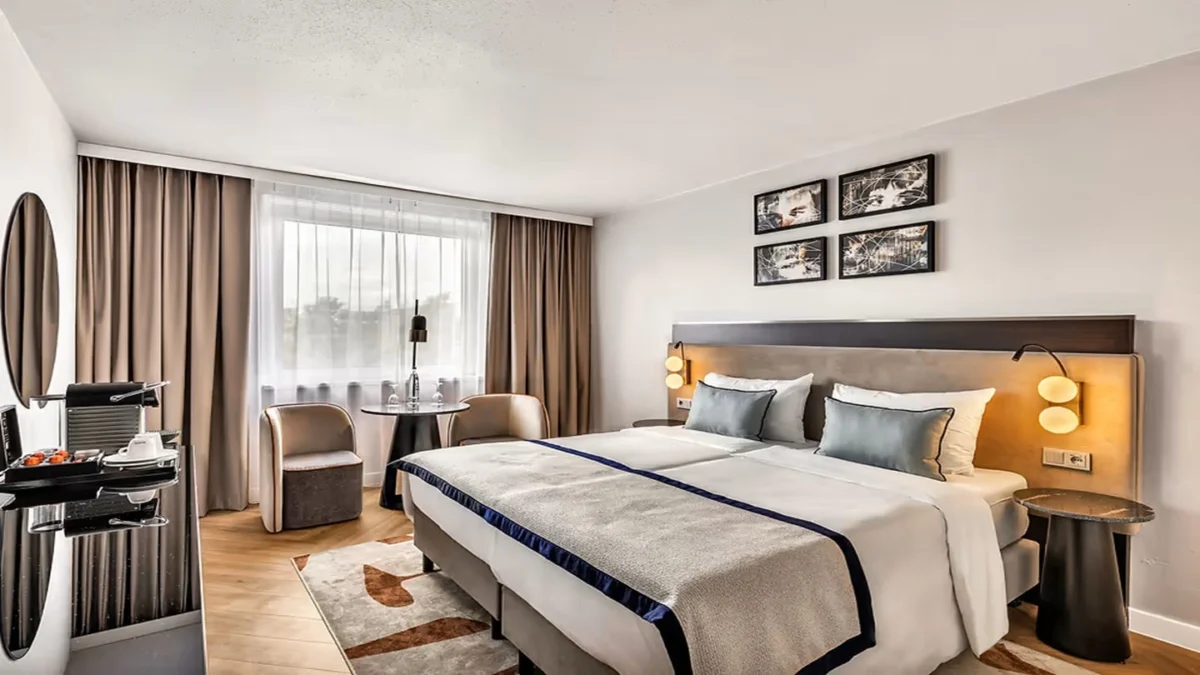
Hannover, Germany – Leonardo Hotels Central Europe has officially launched the rebranded and comprehensively revitalized Leonardo Hannover Medical Park, a significant undertaking that has unified two previously distinct hotel properties into a singular, expansive 208-room establishment. This strategic amalgamation and subsequent modernization represent a forward-thinking approach to hospitality, aiming to cater to a diverse clientele, with a particular emphasis on business travelers and those attending events in the vibrant city of Hannover. The project underscores Leonardo Hotels’ commitment to enhancing its portfolio through intelligent repositioning and contemporary design.
The Genesis of a Unified Hospitality Hub
The Leonardo Hannover Medical Park stands as a testament to strategic growth and thoughtful integration within the hospitality sector. The decision to combine two separate hotel entities into one cohesive property was driven by a vision to create a more efficient, appealing, and comprehensive guest experience. This consolidation not only streamlines operations but also allows for the creation of a more unified brand identity and a richer amenity offering.
The newly formed 208-room hotel occupies a prime location, strategically positioned between the bustling medical campus and a serene city park, offering proximity to the verdant Eilenriede City Forest. This advantageous setting provides guests with both convenience for professional engagements and access to recreational opportunities, a dual appeal increasingly sought after in modern travel.
The transformation involved a meticulous redesign, spearheaded by the renowned interior designer Andreas Neudahm. In a collaborative effort with TUI BLUE, the hotel’s concept has been meticulously updated to reflect contemporary aesthetics and functional demands. This partnership is particularly noteworthy, as it visibly bridges the hotel with its direct neighbor, the TUI Campus, fostering a sense of integrated corporate and hospitality presence.
A Chronological Journey of Transformation
The genesis of the Leonardo Hannover Medical Park’s transformation can be traced back to the strategic decision by Leonardo Hotels Central Europe to optimize its existing real estate and enhance its market offering. While the exact timeline of the initial acquisition and planning phases remains proprietary, the operational integration and subsequent refurbishment represent the culmination of significant investment and planning.
The project’s execution can be broadly categorized into several key phases:
- Strategic Consolidation: The initial phase involved the legal and operational merging of the two formerly independent hotel structures. This complex process would have entailed significant administrative, financial, and logistical coordination to bring the properties under a single management umbrella and brand.
- Design and Planning: With the consolidation underway, the focus shifted to the conceptualization and detailed planning of the renovation. Renowned interior designer Andreas Neudahm was brought on board, alongside collaborators from TUI BLUE, to envision a modern, cohesive, and appealing guest environment. This phase would have involved extensive architectural reviews, space planning, and material selection to achieve the desired aesthetic and functional outcomes.
- Phased Refurbishment: The actual renovation work was likely conducted in phases to minimize disruption to any ongoing operations or to facilitate a smooth transition for the integrated property. The approach taken, as detailed by the hotel, involved a differentiated strategy for the two original sections of the building:
- Section One (112 Rooms): This part of the hotel saw a careful refurbishment where existing elements in good condition were preserved and integrated into the new design. This approach demonstrates a commitment to sustainability and cost-effectiveness, leveraging existing assets while elevating their appeal through updated furnishings, materials, and color palettes.
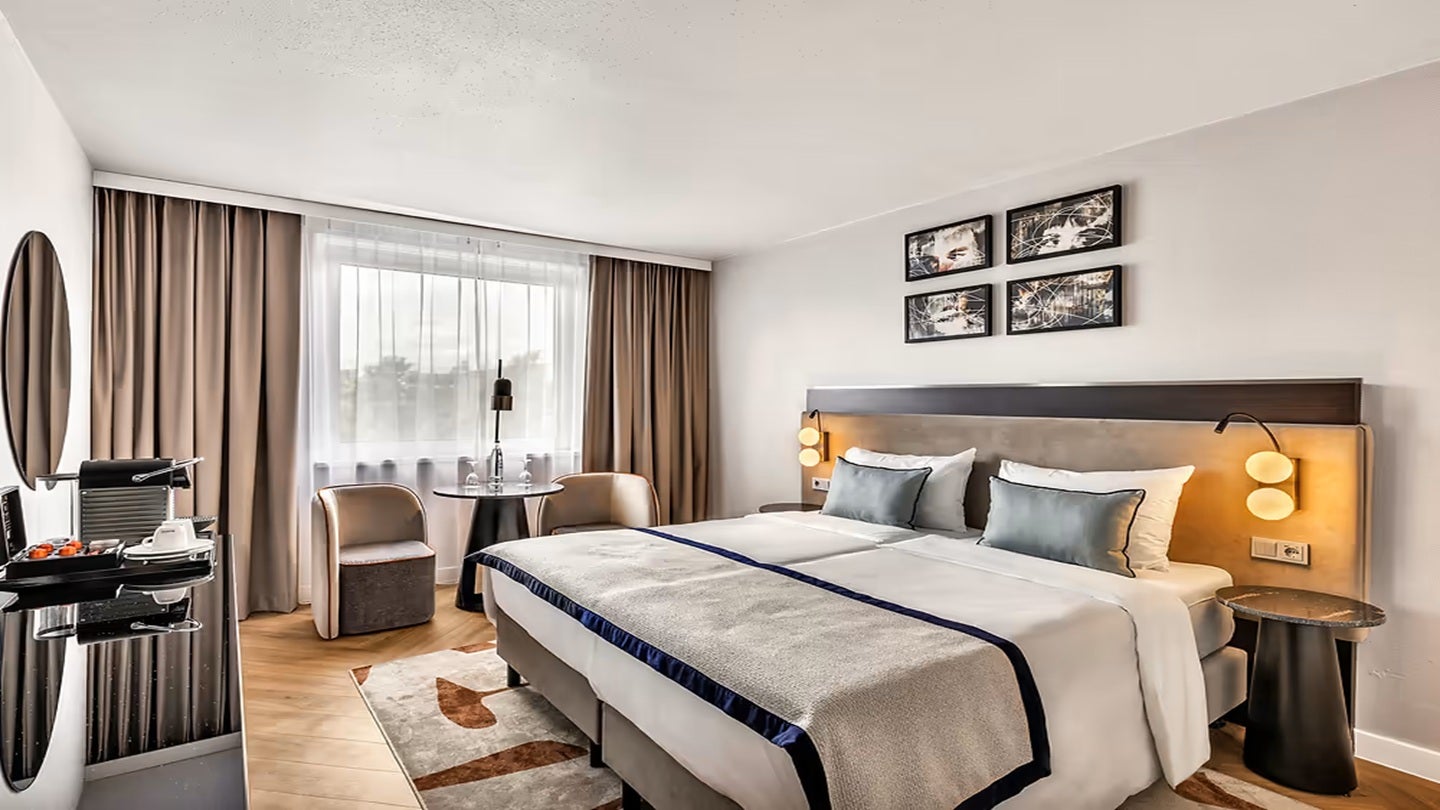
- Section Two (96 Rooms): In contrast, this section underwent a more comprehensive redesign. The emphasis here was on creating a sense of spaciousness through light furnishings, vibrant color schemes, and the use of high-quality fabrics. This approach likely aimed to introduce a distinct yet complementary aesthetic to the overall property.
- Public Space Enhancement: Beyond the guest rooms, significant attention was paid to the communal areas. The bar, restaurant, and breakfast areas were all redesigned to offer an improved guest experience. The reception area was renewed with new furniture, creating a more welcoming and functional point of arrival.
- Amenity Expansion and Modernization: The renovation also encompassed an expansion of the restaurant’s capacity, catering to larger groups and events. Furthermore, the co-working and conference facilities within the second section of the building were remodeled, acknowledging the growing demand for flexible business spaces. The addition of an outdoor pool, a gym, and a mini-market further enhances the hotel’s appeal as a comprehensive destination for various guest needs.
- Grand Re-opening and Rebranding: The culmination of these efforts was the official unveiling of the Leonardo Hannover Medical Park, marking its debut as a unified and modernized hospitality offering under the Leonardo Hotels banner.
Supporting Data and Design Philosophy
The success of the Leonardo Hannover Medical Park hinges on its well-defined design philosophy and the strategic utilization of its 208 rooms. The property’s spatial configuration and aesthetic choices are meticulously crafted to appeal to its target demographics.
Room Breakdown and Design Nuances:
- Section One (112 Rooms): This segment of the hotel embodies a philosophy of thoughtful preservation and subtle enhancement. By retaining existing features that were in good condition, Leonardo Hotels has demonstrated a commitment to sustainable practices and a respect for the building’s history. The integration of selected furnishings, materials, and colors ensures a cohesive update without compromising the structural integrity or established character of these rooms. This approach likely targets guests who appreciate a blend of familiar comfort with modern amenities, offering a grounded and reliable stay.
- Section Two (96 Rooms): Here, the design narrative shifts towards a more pronounced contemporary feel. The use of light furnishings and bright color schemes is a deliberate strategy to enhance the perception of space and create an airy, uplifting atmosphere. High-quality fabrics further contribute to a sense of luxury and comfort. This section is likely designed to attract guests seeking a modern, stylish, and potentially more energizing environment.
Public Space Redesign:
The revitalization extends beyond individual rooms to the shared areas, which are crucial for the overall guest experience and operational efficiency.
- Bar, Restaurant, and Breakfast Area: The redesign of these spaces aims to create inviting and functional environments for dining and socializing. An increased restaurant capacity indicates an anticipation of higher guest volumes and potentially a broader catering strategy, perhaps including events and conferences.
- Reception: The renewal of the reception area with new furniture signifies an effort to create a more welcoming and efficient point of contact for guests. This space is the first impression, and its updated design would contribute to a positive overall guest perception.
- Co-working and Conference Facilities: The remodeling of these facilities in the second part of the building underscores a keen understanding of the evolving needs of business travelers. The provision of enhanced co-working spaces and modernized conference rooms caters to the demands of remote work, business meetings, and corporate events, positioning the hotel as a hub for productivity.
Additional Amenities:
The inclusion of an outdoor pool, a gym, and a mini-market rounds out the comprehensive offering. These amenities are designed to provide convenience and leisure options for guests, catering to both their professional and personal needs during their stay. The outdoor pool offers a recreational escape, while the gym caters to fitness enthusiasts. The mini-market provides a convenient solution for immediate needs, enhancing the self-sufficiency of the property.
Official Responses: A Vision for the Future
The launch of the Leonardo Hannover Medical Park has been met with enthusiasm and a clear articulation of its strategic importance by Leonardo Hotels Central Europe. Yoram Biton, the Managing Director of Leonardo Hotels Central Europe, has provided insightful commentary on the project, highlighting its innovative approach and its alignment with market demands.
Yoram Biton, Managing Director of Leonardo Hotels Central Europe, stated:
"The Leonardo Hannover Medical Park shows just how an existing hotel can be repositioned in a contemporary way. This project is a prime example of our strategy to enhance and integrate our existing properties to meet the evolving needs of the modern traveler. We are not just renovating; we are reimagining how hospitality can be delivered in a dynamic urban environment."
Biton’s statement emphasizes the hotel’s adaptability and forward-thinking nature. The repositioning is not merely cosmetic but a fundamental shift in how the property serves its guests.
Catering to the Business Traveler:
A significant focus of the hotel’s repositioning is its appeal to business travelers. Biton elaborated on this aspect:
"Business travellers will find everything they need for a productive stay, regardless of whether they are attending a trade fair, an appointment in Hanover or indeed an in-house meeting."
This statement underscores the hotel’s intent to be a comprehensive solution for professionals. The strategic location, coupled with enhanced co-working and conference facilities, aims to provide a seamless experience for those on business trips. The mention of trade fairs and appointments in Hannover acknowledges the city’s status as a significant business and exhibition hub.
The Significance of the TUI BLUE Collaboration:
The partnership with TUI BLUE has been highlighted as a key element of the hotel’s new identity:
"We are particularly pleased about the cooperation agreement with TUI BLUE. This makes the connection to our direct neighbour, the TUI Campus, clearly visible in the hotel."
This collaboration signifies a strategic integration with a neighboring corporate entity, TUI Campus. The visible connection suggests a synergy in operations, branding, or perhaps even shared services and amenities, further solidifying the hotel’s role as a hub for business and professional activity. It also indicates a commitment to leveraging partnerships to enhance guest experience and operational efficiency.
Acknowledging the Team and Partners:
Biton concluded his remarks with a note of gratitude, acknowledging the collective effort behind the project:
"I would like to thank the entire team, Andreas Neudahm and all our partners."
This expression of thanks is crucial in recognizing the contributions of the hotel’s internal staff, the design team led by Andreas Neudahm, and all external partners who played a role in bringing the Leonardo Hannover Medical Park to fruition. It underscores the collaborative nature of such large-scale projects and the importance of strong working relationships.
Implications and Future Outlook
The repositioning of the Leonardo Hannover Medical Park carries significant implications for Leonardo Hotels Central Europe, the local hospitality market in Hannover, and the broader travel industry.
For Leonardo Hotels Central Europe:
This project exemplifies Leonardo Hotels’ strategic approach to portfolio management. By consolidating and modernizing existing assets, the company demonstrates a commitment to maximizing the value of its real estate. The success of this venture can serve as a blueprint for future renovations and integrations within their network. Furthermore, the emphasis on catering to business travelers aligns with a key segment of the hospitality market, potentially driving increased occupancy and revenue. The partnership with TUI BLUE also opens avenues for further collaborative ventures and strengthens their presence in key business districts.
For the Hannover Hospitality Market:
The introduction of a newly revitalized, larger-capacity hotel is likely to enhance the overall hospitality offering in Hannover. The Leonardo Hannover Medical Park, with its contemporary design and comprehensive amenities, is poised to attract both domestic and international business travelers, as well as tourists seeking a well-appointed base for exploring the city. The increased restaurant capacity and improved conference facilities can also contribute to Hannover’s appeal as a destination for corporate events and meetings. This development could spur further investment and innovation within the local hospitality sector.
For the Broader Travel Industry:
The trends observed in the Leonardo Hannover Medical Park’s repositioning – consolidation of properties, emphasis on contemporary design, integration of co-working spaces, and strategic partnerships – reflect broader shifts in the hospitality industry. The focus on providing a holistic experience that caters to both leisure and business needs is becoming increasingly vital. The project also highlights the growing importance of sustainability in hotel renovations, by retaining and repurposing existing structures where feasible. As the travel landscape continues to evolve, hotels that can adapt, innovate, and offer integrated solutions are likely to lead the market. The Leonardo Hannover Medical Park stands as a compelling case study in this ongoing transformation.


 Sagoh
Sagoh
 Rifan Muazin



