
 Reynand Wu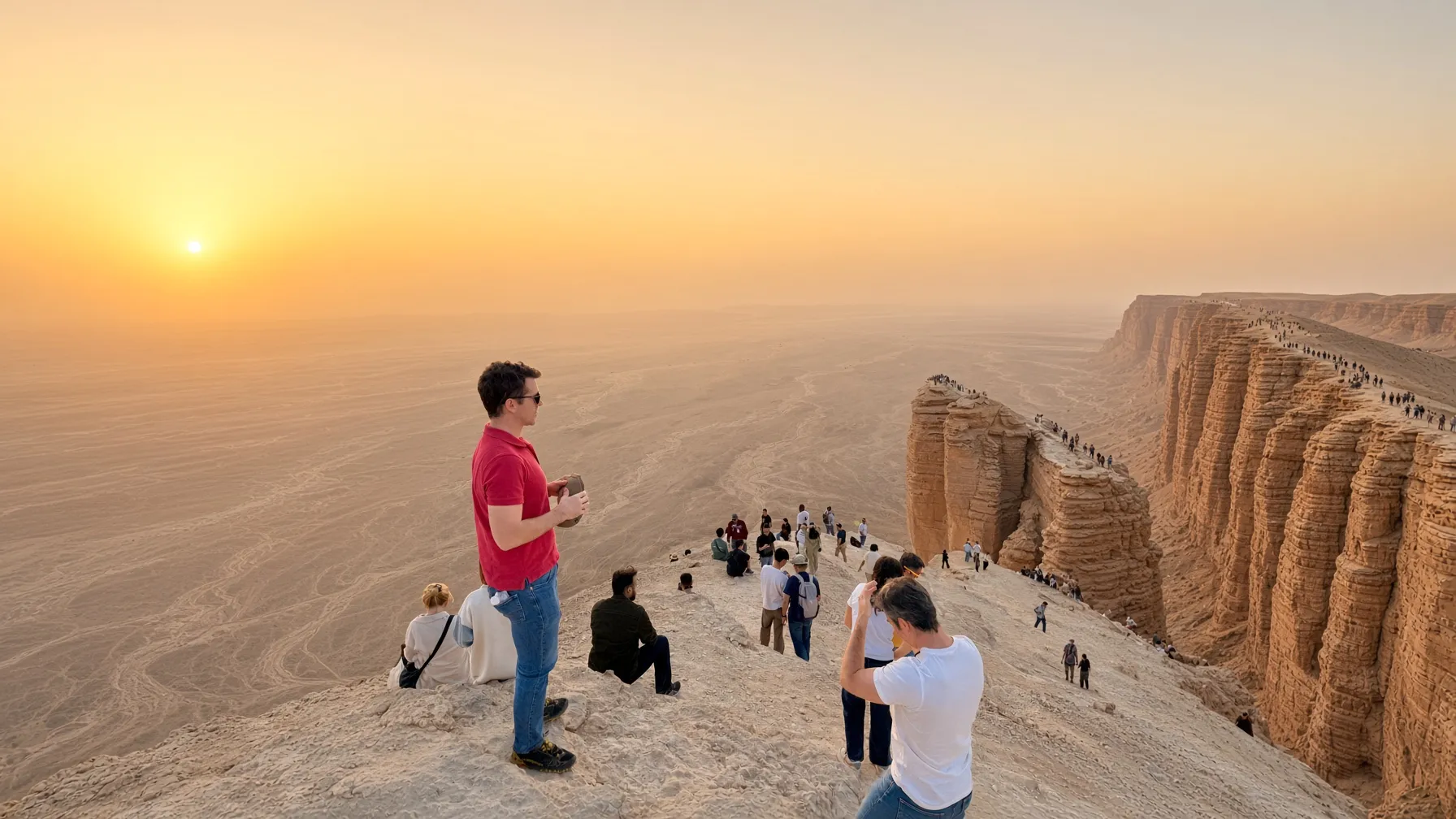
ATLANTA/RIYADH – October 12, 2026 – Delta Air Lines is poised to make aviation history with the inaugural nonstop flight from Atlanta (ATL) to Riyadh’s King Khalid International Airport (RUH) on October 23, marking the first such service by a U.S. carrier. This ambitious launch, however, is set against a backdrop of escalating regional tensions, coming less than two weeks after a devastating attack on the very airport Delta intends to serve. The incident, which Saudi authorities reported resulted in 12 fatalities and over 300 injuries, forced a temporary suspension of operations at RUH and has cast a long shadow over the route’s impending debut. Iran-backed Houthi forces in Yemen have claimed responsibility for earlier attacks on the airport, raising serious questions about the security environment. As of this writing, Delta has maintained its commitment to the October 23 launch, with no announcement of postponement.
The decision to proceed has ignited a complex debate within the aviation industry and among geopolitical observers. While Delta’s move signals a strategic push into a burgeoning market driven by Saudi Arabia’s Vision 2030, it simultaneously highlights the inherent risks of operating in regions prone to conflict. The contrasting decision by Virgin Atlantic, 49% owned by Delta, to cancel its London-Riyadh service in April, citing conflict, safety assessments, and scheduling difficulties, further underscores the precarious balance airlines must strike between commercial opportunity and passenger security.
Main Facts: Delta’s Riyadh Launch Amidst Regional Turmoil
Unprecedented U.S. Service to Saudi Capital
Delta Air Lines’ announcement of nonstop service from its Atlanta hub to Riyadh on October 23, 2026, represents a significant milestone. This route is not merely a new addition to Delta’s extensive international network; it is the first direct connection offered by a U.S. airline to the Saudi capital. The service is expected to cater to a diverse clientele, including business travelers drawn by Saudi Arabia’s ambitious economic diversification plans, government officials, and a growing number of tourists and religious pilgrims. For years, direct air links between the U.S. and Saudi Arabia have been limited, often requiring layovers in Europe or other Middle Eastern hubs. Delta’s entry aims to streamline travel, fostering stronger economic and diplomatic ties between the two nations. The airline’s confidence in this market has been evident through proactive measures, including an aggressive promotional campaign launched in August.
The Shadow of Conflict: Recent Airport Attack
The strategic importance and potential profitability of the Riyadh route are now critically juxtaposed with severe security concerns. On October 10, King Khalid International Airport, the very destination for Delta’s inaugural flight, suffered a deadly attack. According to official Saudi reports, the incident tragically claimed the lives of at least 12 individuals and left more than 300 injured, leading to a temporary suspension of airport operations. While the specific nature of the attack is under ongoing investigation, it follows a pattern of previous assaults claimed by Houthi forces operating from Yemen, targeting key Saudi infrastructure, including airports and oil facilities. These attacks are a stark reminder of the ongoing conflict and the volatile security landscape in the region. The proximity of this incident to Delta’s scheduled launch creates an immediate and pressing challenge for the airline regarding passenger and crew safety, operational continuity, and public perception.
Chronology: A Route Paved with Ambition and Apprehension
Genesis of the Atlanta-Riyadh Route
The conceptualization of the Atlanta-Riyadh route by Delta Air Lines has been a strategic initiative several years in the making. The airline identified Saudi Arabia as a key growth market, aligning with the Kingdom’s Vision 2030, which aims to transform its economy and open up to international business and tourism. The rigorous process involved extensive market research, bilateral discussions, and securing necessary regulatory approvals.
Summer Promotions and Early Bookings
In August, Delta embarked on an aggressive promotional campaign to stimulate demand for the new Riyadh service. The airline offered one-way award seats for as little as 15,000 miles, a remarkably low redemption rate designed to incentivize early bookings and introduce travelers to Riyadh. This move was interpreted by industry analysts as a clear signal of Delta’s determination to establish a strong foothold in the market quickly, potentially offsetting any initial hesitations travelers might have had about a new, long-haul destination. The success of such promotions is often critical for new route launches, helping to build initial load factors and generate positive momentum.
Virgin Atlantic’s Precedent: A Cautionary Tale
Adding a layer of complexity to Delta’s unwavering commitment is the recent decision by Virgin Atlantic, an airline in which Delta holds a 49% stake. In April, Virgin Atlantic announced the cancellation of its London-Riyadh service, citing a confluence of factors including the ongoing conflict in the region, heightened safety assessments, and persistent difficulties in maintaining a reliable flight schedule. This move by a closely affiliated carrier provides a potent counter-narrative, suggesting that the risks associated with operating in Saudi Arabia were deemed too high for Virgin Atlantic. The divergence in strategy between Delta and Virgin Atlantic, despite their shared ownership, raises questions about differing risk appetites, market analyses, or perhaps even varying geopolitical pressures influencing their respective decisions.
Escalation of Regional Tensions
The broader context for these aviation decisions is the protracted conflict in Yemen, which has seen Houthi rebels frequently launch missiles and drones targeting Saudi Arabia. These attacks have historically focused on military installations and oil infrastructure, but civilian targets, including airports, have also been impacted.
Houthi Strikes on King Khalid International Airport
King Khalid International Airport in Riyadh has been a recurring target for Houthi forces. While Saudi air defenses have intercepted many incoming projectiles, some attacks have managed to breach defenses, causing damage and operational disruptions. These incidents have not only highlighted the persistent threat but also forced airport authorities to continuously reassess and upgrade their security protocols. Each successful or near-successful attack sends ripples of concern through international aviation circles, prompting airlines and regulatory bodies to review their risk assessments for the region.
The October 10th Attack: A Fatal Interruption
The October 10th attack on King Khalid International Airport represents a critical escalation. The reported fatalities and injuries underscore the severe human cost of the conflict and the direct threat it poses to civilian life and infrastructure. The subsequent suspension of airport operations, even if temporary, disrupts global connectivity and reinforces perceptions of instability. For Delta, this incident occurring just days before its inaugural flight presents an immediate and formidable challenge. It forces a public reckoning with the safety assurances it can offer its passengers and crew, and demands a robust communication strategy to address mounting concerns.
Supporting Data: Navigating Risk, Reward, and Geopolitics
The Strategic Rationale Behind Delta’s Move
Delta’s decision to launch the Atlanta-Riyadh route, despite the evident security concerns, is underpinned by a robust strategic rationale, deeply intertwined with Saudi Arabia’s ambitious national development plan.
Tapping into Saudi Vision 2030
Saudi Arabia’s Vision 2030 is a transformative blueprint to diversify the Kingdom’s economy away from oil, focusing on sectors like tourism, entertainment, technology, and logistics. Riyadh, as the capital and a burgeoning global city, is at the heart of this transformation. Major infrastructure projects, new economic zones like NEOM, and a push for international investment are generating substantial business travel. Delta aims to be a primary beneficiary of this economic boom, connecting American businesses and investors directly to the opportunities in the Kingdom. The "Edge of the World" photo (Jabal Fihrayn), a stunning natural escarpment outside Riyadh, visually represents the Kingdom’s emerging tourism potential, a key pillar of Vision 2030, which Delta likely hopes to tap into as the security situation stabilizes.
Business, Diplomacy, and Religious Tourism
Beyond general business, the route holds significant appeal for various segments. Diplomatic traffic between the U.S. and Saudi Arabia remains substantial, with both governments seeking to enhance bilateral relations. Furthermore, the Kingdom is home to Islam’s holiest sites, Mecca and Medina, attracting millions of Muslim pilgrims annually for Hajj and Umrah. While these sites are not in Riyadh, King Khalid International Airport serves as a major gateway for many international travelers heading to other parts of Saudi Arabia. Delta’s service could potentially capture a portion of this lucrative religious tourism market, offering a more convenient connection for North American pilgrims.
Market Dynamics and Competitive Edge
The absence of a direct U.S. carrier on this route has long left a vacuum. European and Middle Eastern airlines have traditionally dominated this segment. By being the first U.S. airline, Delta gains a first-mover advantage, potentially securing preferential slots, building brand loyalty among key demographics, and establishing itself as the carrier of choice for U.S.-Saudi travel. The aggressive mileage promotion in August was a tactic to rapidly capture market share and create an initial customer base, crucial for the long-term viability of a new international route.
The Evolving Threat Landscape
The Houthi attacks are not isolated incidents but part of a broader, protracted conflict, requiring a nuanced understanding of the threat.
Analysis of Houthi Capabilities and Intent
Houthi forces have demonstrated increasing sophistication in their drone and missile capabilities, often attributed to Iranian backing. Their intent to disrupt Saudi infrastructure and exert political pressure is clear. While many projectiles are intercepted, the sheer volume and occasional success of these attacks necessitate constant vigilance. Analysts suggest that the Houthis primarily aim for symbolic targets to inflict economic damage and psychological impact, rather than indiscriminate civilian casualties, though such outcomes are tragically unavoidable in conflict zones.
Airport Security Protocols and Resilience
King Khalid International Airport, like other major airports in conflict-adjacent regions, operates under stringent security protocols. These include advanced radar systems, anti-missile defenses, and heightened ground security. Following the October 10th attack, these measures would undoubtedly have been reviewed and reinforced. Airport resilience, the ability to quickly restore operations after an incident, is also paramount. However, no security system is infallible, and the human element of fear and uncertainty can be as disruptive as physical damage.
Assessing Passenger and Crew Safety
For Delta, the paramount concern is the safety of its passengers and crew. This involves not only assessing the physical security of the airport but also the inflight safety during approach and departure. Airlines typically rely on intelligence from their own security divisions, government agencies (like the FAA and State Department), and international aviation bodies. The decision to proceed implies that Delta’s internal assessments, combined with external intelligence, suggest an acceptable level of risk, or that mitigating measures are deemed sufficient.
Airline Risk Assessment and Industry Precedents
Aviation operates in a globalized yet fractured world, where geopolitical risks are a constant consideration.
Comparing Delta’s Stance to Global Carriers
Delta’s decision contrasts sharply with Virgin Atlantic’s withdrawal and provides an interesting case study. Other global carriers often modify routes, adjust schedules, or suspend services entirely when security risks escalate. For instance, flights to Ukraine were suspended long before the full-scale invasion, and certain airspace corridors are routinely avoided due to active conflict zones. Delta’s move could be seen as an outlier, or as a calculated gamble based on proprietary intelligence and a long-term strategic vision that outweighs immediate, short-term risks.
The Financial Calculus of High-Risk Routes
Operating in a high-risk environment entails significant financial implications. These include higher insurance premiums for aircraft and passenger liability, increased operational costs for enhanced security measures, and the potential for revenue loss due to reduced passenger confidence or further operational disruptions. Airlines must weigh these costs against the potential long-term profitability and strategic advantages of market entry. The aggressive award seat promotion suggests a strong desire to secure bookings, perhaps indicating that the long-term strategic value is deemed very high.
Insurance, Liability, and Reputation
In the event of an incident, the liability for an airline operating in a declared conflict zone can be substantial. Insurance policies typically have specific clauses for acts of war or terrorism. Beyond financial liability, an incident could severely damage Delta’s brand reputation, particularly its image as a safe and reliable carrier. This aspect alone often deters airlines from entering or remaining in highly volatile regions.
Historical Context of U.S. Aviation in the Kingdom
The absence of a direct U.S. carrier service to Riyadh until now is not coincidental.
Past Engagements and Challenges
Historically, U.S. airlines have had a limited presence in Saudi Arabia, primarily due to a combination of factors including stringent visa requirements for tourists, complex regulatory frameworks, and geopolitical considerations. While Saudi Arabian Airlines (Saudia) has maintained direct flights to several U.S. cities, American carriers have largely focused on more established and less complex markets. The challenges included navigating cultural differences, securing necessary bilateral agreements, and assessing the demand for direct service from the U.S.
Regulatory Frameworks and Bilateral Agreements
The establishment of the Atlanta-Riyadh route would have necessitated updated or new bilateral air service agreements between the U.S. and Saudi Arabia. These agreements dictate flight frequencies, designated carriers, and operational freedoms. The approval of Delta’s service signifies a positive shift in these diplomatic and regulatory frameworks, reflecting a mutual desire to strengthen air connectivity, perhaps influenced by the broader U.S.-Saudi strategic partnership.
Official Responses: Silence, Condemnation, and Reassurance
Delta’s Unwavering Commitment
Despite the recent attack, Delta Air Lines has, as of this writing, maintained public silence regarding any potential changes to its October 23 launch schedule. This non-response can be interpreted in several ways.
Corporate Communications and Crisis Management
A major airline’s communication strategy during a crisis is meticulously planned. Delta’s current stance may reflect a deliberate decision to avoid premature announcements that could cause further alarm or be reversed. It could also indicate ongoing internal assessments, consultations with security experts, and discussions with Saudi authorities before a definitive statement is issued. The absence of a postponement suggests that, for now, Delta’s internal risk assessment allows for the flight to proceed.
Stakeholder Engagement
Behind the scenes, Delta is likely engaging with a multitude of stakeholders: passengers with bookings, flight crews, union representatives, travel agencies, and corporate clients. Reassuring these groups while maintaining operational integrity is a delicate balancing act. Any official statement from Delta will need to address safety concerns directly and transparently.
Saudi Authorities’ Stance on Security
The Saudi government has consistently reiterated its commitment to protecting its citizens and infrastructure, including critical transportation hubs like King Khalid International Airport.
Official Statements and Investigations
Following the October 10th attack, Saudi authorities would have condemned the act, initiated immediate investigations, and pledged to hold perpetrators accountable. These statements typically emphasize the resilience of the Kingdom and the effectiveness of its security forces. The quick restoration of airport operations after such incidents is often highlighted as proof of this resilience.
Reassurances for International Travel
For international partners like Delta, Saudi authorities would provide specific reassurances regarding enhanced security measures at the airport and along flight paths. These would include details on improved air defense capabilities, heightened ground security, and intelligence sharing to mitigate future threats. The Kingdom’s reputation as a safe destination for business and tourism is paramount to its Vision 2030 objectives.
U.S. Government’s Position
The U.S. government’s position on air travel to Saudi Arabia plays a crucial role for American carriers.
Travel Advisories and Diplomatic Support
The U.S. State Department issues travel advisories that guide American citizens on risks abroad. Any significant change in the threat level would prompt an updated advisory. For Delta to proceed, it is highly probable that the State Department’s current assessment does not prohibit travel to Riyadh or that diplomatic channels have provided specific assurances. The U.S. government typically supports its commercial enterprises abroad, and the launch of a direct flight to a strategic partner like Saudi Arabia aligns with broader diplomatic and economic objectives.
Implications: A Test of Resolve and a Glimpse into the Future
For Delta Air Lines: Brand, Profitability, and Precedent
Delta’s decision to proceed with the Riyadh route is laden with significant implications for the airline.
Pioneering a New Frontier vs. Perceived Recklessness
By being the first U.S. carrier to offer nonstop service to Riyadh, Delta positions itself as a pioneer, demonstrating bold leadership and a long-term strategic vision. This could enhance its brand as an airline willing to expand into challenging yet lucrative markets. Conversely, if the security situation deteriorates further or if the route faces repeated disruptions, Delta risks being perceived as reckless, potentially damaging its safety-conscious brand image and eroding passenger trust.
Long-Term Market Positioning
The success or failure of this route will significantly influence Delta’s future expansion strategies in the Middle East and other emerging markets. If successful, it could pave the way for more direct U.S. flights to the region, solidifying Delta’s market position. If not, it could lead to substantial financial losses and a reassessment of its risk appetite for similar ventures.
For U.S.-Saudi Relations: A Bridge or a Vulnerability
The direct air link carries symbolic weight beyond commercial aviation.
Economic Ties and Geopolitical Alliances
The route strengthens economic ties by facilitating business and investment. It also underscores the enduring geopolitical alliance between the U.S. and Saudi Arabia, despite periodic tensions. Air connectivity is a tangible demonstration of commitment and partnership. However, any security incident involving a U.S. airline in Saudi airspace or on the ground could become a diplomatic flashpoint, testing the resilience of this alliance.
The Role of Air Connectivity
Direct flights are more than just transportation; they are conduits for cultural exchange, diplomatic engagement, and economic growth. The Atlanta-Riyadh route, therefore, serves as a crucial bridge, fostering closer interaction at various levels.
For the Global Aviation Industry: Risk Management in Volatile Regions
Delta’s experience with the Riyadh route will serve as a critical case study for the entire global aviation industry.
Lessons from Conflict Zones
Airlines worldwide constantly grapple with operating in or near conflict zones. Delta’s approach to mitigating risks, its intelligence gathering, and its communication strategy will be closely scrutinized. It could establish new best practices for route assessment and operational management in high-risk environments, or it could highlight the extreme difficulties involved.
The Future of Air Travel to Emerging Markets
Many emerging markets, particularly in the Middle East, Africa, and parts of Asia, offer immense growth potential but are often characterized by political instability or regional conflicts. Delta’s pioneering effort in Riyadh could either encourage other airlines to follow suit with careful consideration or reinforce a more cautious approach to such markets.
Passenger Sentiment and the Future of Tourism
Ultimately, the success of the route hinges on passenger willingness to fly it.
Balancing Adventure and Security: The "Edge of the World" Paradox
The allure of destinations like the "Edge of the World" outside Riyadh, showcased in the article’s accompanying photo, speaks to Saudi Arabia’s burgeoning tourism ambitions. However, the recent attack on King Khalid International Airport creates a paradox: how can a destination promote its natural beauty and cultural heritage when its gateways are perceived as targets? Passenger sentiment will be a delicate balance between the desire for new experiences and paramount safety concerns.
The Impact on Riyadh’s Global Image
For Riyadh, a city striving to become a global hub for business and tourism, the perception of security is vital. A successful, uninterrupted direct flight from a major U.S. carrier would significantly boost its international image. Conversely, any further incidents or the eventual cancellation of the route would be a considerable setback for the Kingdom’s efforts to project stability and openness to the world.
As the clock ticks towards October 23, Delta Air Lines stands at a crucial juncture, navigating a complex web of commercial ambition, geopolitical realities, and passenger safety. The launch of the Atlanta-Riyadh service will not only redefine U.S.-Saudi air travel but also offer profound insights into the future of global aviation in an increasingly unpredictable world.


 Sagoh
Sagoh
 Rifan Muazin



