 Reynand Wu
When hoteliers conduct a "service audit," their checklists are typically dominated by the tactile and the aesthetic: the thread count of the linens, the speed of the Wi-Fi, the plating of the room-service breakfast, and the lobby’s ambient fragrance. Yet, in an era where guest satisfaction is hyper-quantified by digital reviews and social media sentiment, a critical failure point remains largely overlooked until it is too late: the parking garage.
For many travelers, the hotel experience does not begin at the front desk. It begins at the curb. As guest expectations for frictionless, tech-enabled travel reach an all-time high, the parking process—once a back-of-house utility—has evolved into a high-stakes amenity that defines the first and final impressions of a stay.
The Paradigm Shift: Hospitality Begins at the Curb
In the modern hospitality landscape, the "arrival experience" has been radically compressed. Travelers book rooms via mobile apps, check in digitally, and utilize keyless entry systems. They are accustomed to a world where their smartphone acts as a concierge. When these same guests arrive at a property, the transition from a high-speed digital booking process to a low-tech, confusing parking situation creates a psychological "friction gap."
The Psychology of Arrival
Psychologists in the hospitality space suggest that the first five minutes of a guest’s arrival set the "anchor" for their entire stay. If that time is spent circling a garage, struggling with a ticket machine, or waiting for a valet who is nowhere to be found, the guest’s cortisol levels spike. Even if the guestroom is pristine, the residual frustration from a chaotic arrival can negatively color their perception of the property.
"The parking process is the silent ambassador of your brand," says industry consultant Marcus Thorne. "If the entrance is poorly lit, the signage is ambiguous, or the valet process is sluggish, the guest subconsciously assumes that the hotel’s attention to detail is lacking elsewhere. It is a signaling problem."
Chronology of a Guest Journey
To understand the impact of parking on the bottom line, we must map the chronological journey of a typical guest:
- Pre-Arrival: The guest receives a confirmation email. Does it include parking instructions? Is there a digital link to pre-book a spot or request a valet early?
- The Approach: As the guest approaches the property, is there clear, intuitive signage? Are they directed seamlessly to the correct lane, or are they left to navigate a labyrinth of urban traffic?
- The Hand-off: Upon reaching the curb, how long does the interaction take? Is the valet staff prepared for their arrival?
- The Stay: Does the guest have the ability to call for their vehicle via an app? Can they settle parking charges on their final folio without waiting in a lobby line?
- The Departure: The final memory. A swift, professional exit that validates the quality of the stay.
When these steps are synchronized, the parking process disappears—which is the hallmark of true luxury. When they are disjointed, they become the primary source of negative reviews.
Data-Driven Friction: Why Parking Matters
Recent industry data highlights a direct correlation between parking satisfaction and Net Promoter Scores (NPS). According to surveys conducted by hospitality tech firms, nearly 30% of negative guest reviews for urban hotels mention parking-related issues.
Furthermore, data shows that "frictionless arrival" is a top-three priority for business travelers. In an environment where time is the most valuable currency, the ability to transition from vehicle to meeting room in under three minutes is a significant competitive advantage.
Operational Efficiency Metrics
- Turnaround Time: Properties that utilize automated valet request systems report a 25% decrease in guest wait times.
- Congestion Management: Hotels that implement license plate recognition (LPR) technology see a 40% reduction in vehicle idling time at entry points.
- Revenue Optimization: Dynamic parking pricing, similar to revenue management for room rates, can increase parking revenue by up to 15% during peak event periods.
The Role of Technology: Enhancing, Not Replacing
A common misconception among hotel operators is that technology is meant to replace the human element of hospitality. This is a false dichotomy. In reality, technology is the tool that frees the human staff to perform at their best.

By automating the "administrative" side of parking—payments, ticket validation, and space allocation—valet staff are liberated from the kiosk. Instead of processing credit cards, they are opening doors, offering umbrellas, and providing the warm, human welcome that automated systems simply cannot replicate.
Emerging Technologies to Watch:
- Mobile Parking Reservations: Allowing guests to secure a spot at the time of room booking.
- Digital Wallets & Contactless Payment: Eliminating the need for physical tickets and cash transactions.
- License Plate Recognition (LPR): Seamless entry and exit without the need for scanning or stopping.
- Valet-on-Demand Apps: Giving guests the power to request their vehicle from their room, ensuring it is ready the moment they walk out the lobby door.
Operational Implications: Managing Complexity
Large-scale resorts and mixed-use urban properties face a unique challenge: the "competing arrival pattern." A hotel that shares its garage with a busy restaurant, a commercial office building, and residential tenants must juggle diverse user groups.
Effective management requires a shift from viewing parking as a standalone operation to integrating it into the property’s holistic guest management system. This means synchronizing parking demand with hotel occupancy data. If a major conference is checking in at 3:00 PM, the parking management plan must reflect the surge, deploying additional staff and signage to prevent the "bottleneck effect."
The Final Impression: Departure as a Strategic Touchpoint
If arrival sets the tone, departure cements the memory. A guest who has enjoyed a flawless weekend getaway often finds their experience undone by a 20-minute wait for their car in a crowded valet lobby.
"The last interaction is the one that stays with the guest during the drive home," notes luxury hotelier Elena Rossi. "If they leave in a state of agitation, they are less likely to book again, regardless of how comfortable the bed was. We must treat the departure as a final concierge service."
To mitigate this, successful hotels are moving toward "frictionless departure." This involves allowing guests to pay for parking via their mobile app, receiving a push notification when their car is at the curb, and utilizing a dedicated lane for quick exits.
Conclusion: The Holistic Guest Experience
In the competitive landscape of modern hospitality, every square foot of a property must work to reinforce the brand promise. Parking is no longer a peripheral service; it is a fundamental component of the guest experience.
Hotels that invest in optimizing the parking journey—through smart technology, clear communication, and empathetic staff training—are not just solving a logistical problem. They are removing the barriers to guest satisfaction. By the time a guest reaches the front desk, they should already feel that they are in the hands of professionals who have thought of everything.
Ultimately, parking may never be the primary reason a guest books a stay, but it is frequently the reason they choose not to return. By prioritizing the curb, the entrance, and the exit, hoteliers can ensure that the guest experience remains seamless, professional, and memorable from start to finish. In the business of hospitality, consistency is the ultimate service.


 Rifan Muazin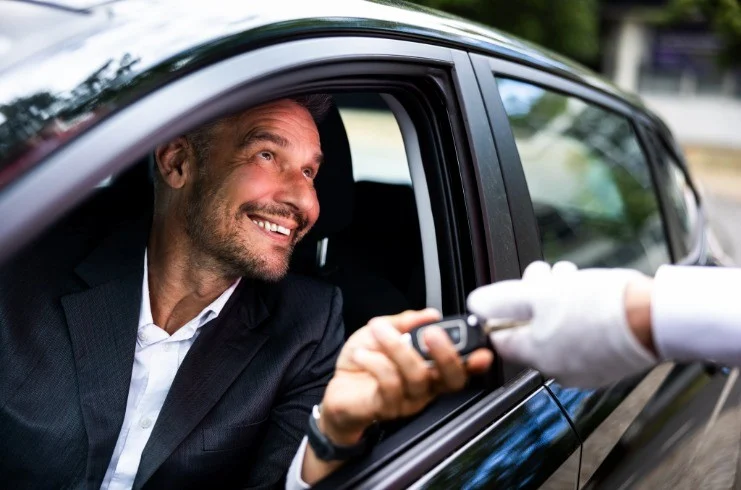
 Evan Lee Salim