
 Asro
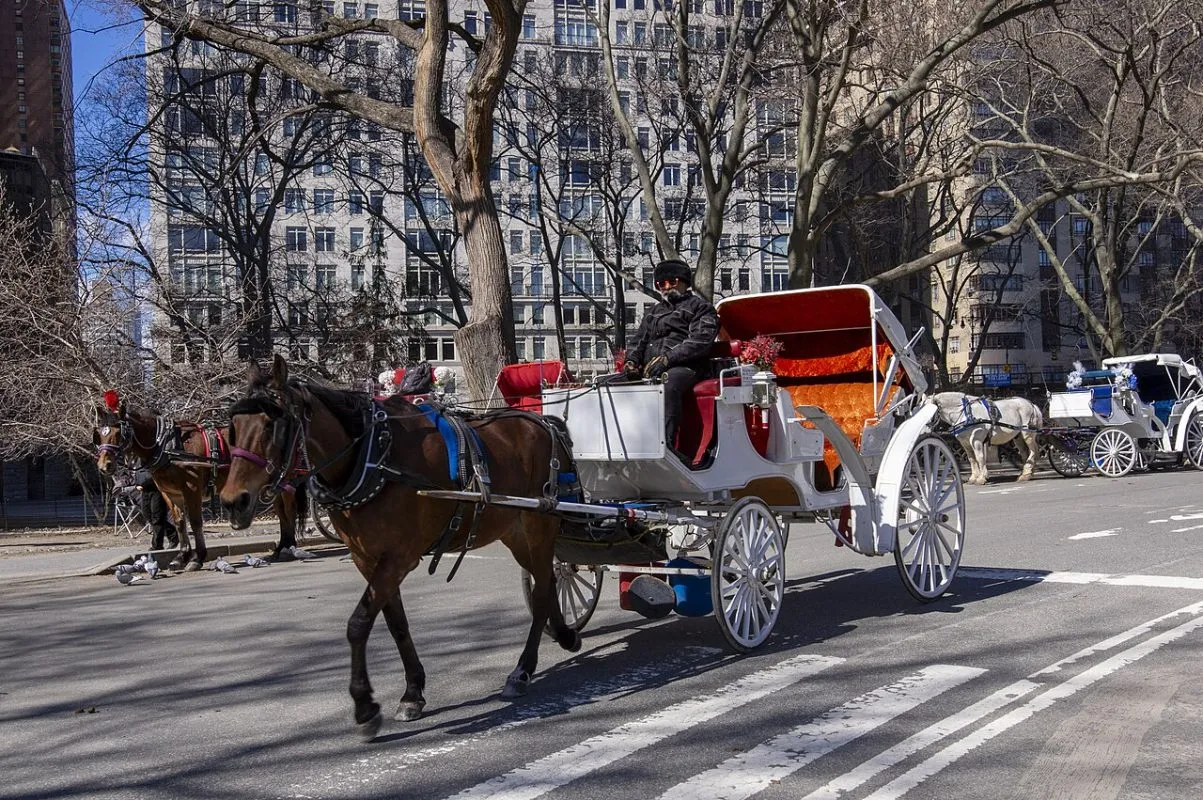
NEW YORK CITY – After gracing the iconic streets and verdant pathways of Central Park for over 165 years, the era of New York City’s horse-drawn carriages is drawing to a close. In a landmark decision that concludes a decades-long, often acrimonious debate, the New York City Council on Thursday passed a bill that will phase out the industry by mid-2028. The move marks a profound shift in how the city balances cherished tradition with evolving public sentiment regarding animal welfare and urban safety.
For generations, the clip-clop of hooves on asphalt has been an inseparable part of the quintessential New York experience, a romanticized tableau that drew tourists from across the globe. Conor McHugh, a longtime carriage driver and stable manager, encapsulated this sentiment during a public hearing earlier this year. “People from all over the world know about us and travel to New York to come for a carriage ride in the park. A ride in the park is folklore,” McHugh asserted, highlighting the industry’s deep roots in the city’s tourism appeal. Yet, this romantic image has been increasingly overshadowed by persistent concerns over animal welfare and public safety, concerns that ultimately proved insurmountable.
The decisive legislative action comes in the wake of a tragic incident in June that galvanized public opinion and reignited the push for a ban. The death of Romanch Mahajan, a teenage tourist from India, following an incident involving a runaway carriage horse, served as a stark and heartbreaking reminder of the inherent risks associated with operating large animals in a bustling urban environment. The bill’s passage, therefore, is not merely a bureaucratic decision but a testament to a city grappling with its identity, its past, and its ethical obligations in the 21st century.
A Chronology of Conflict: From Enduring Icon to Contentious Relic
The history of horse-drawn carriages in New York City stretches back to the mid-19th century, predating the widespread adoption of automobiles. They initially served as a vital mode of transport before evolving into a popular leisure activity, particularly with the establishment of Central Park in the 1850s. For over a century, the carriages were an unchallenged symbol of romance and old-world charm, an integral part of countless proposals, anniversaries, and family vacations.
The Rise of Animal Welfare Advocacy:
The mid-to-late 20th century, however, saw the gradual emergence of organized animal welfare movements. As societal views on animal rights evolved, the practice of keeping horses in demanding urban conditions began to face scrutiny. Initial concerns focused on the horses’ living conditions, their exposure to harsh weather, exhaust fumes, and the relentless noise and traffic of Manhattan. Activists argued that these majestic animals were ill-suited for a life spent pulling heavy carriages on city streets, confined to small stables when not working.
Early Attempts at Regulation and Ban:
By the early 2000s, the debate had intensified significantly. Animal rights organizations like People for the Ethical Treatment of Animals (PETA) and, later, New Yorkers for Clean, Livable, and Safe Streets (NYCLASS) became vocal proponents of a ban. They cited numerous instances of horses collapsing, being spooked by traffic, or suffering from heatstroke during summer months. These groups organized protests, launched public awareness campaigns, and lobbied city officials relentlessly.
One of the most notable figures to champion a ban was Bill de Blasio, during his mayoral campaigns and subsequent tenure. De Blasio made phasing out the carriages a central promise of his 2013 mayoral bid, describing the practice as "inhumane." While his efforts during his mayoralty were met with fierce resistance from the carriage industry and failed to secure enough City Council support, his vocal stance cemented the issue as a persistent political hot potato. Each legislative session saw new bills introduced, followed by impassioned hearings, rallies, and counter-rallies, but no definitive action.
The Tragic Catalyst: The Romanch Mahajan Incident:
The stalemate was tragically broken on a fateful day in June of this year. Romanch Mahajan, a 17-year-old tourist visiting from India, was enjoying a stroll near Central Park when a harrowing incident unfolded. A carriage horse, reportedly startled by an unexpected noise or traffic, bolted from its driver, galloping wildly down a busy street. In the ensuing chaos, Mahajan was struck and fatally injured. The incident sent shockwaves through the city and across the nation, instantly shifting the narrative from a long-standing debate to an urgent call for action.
The death of a young, innocent tourist, far from home, laid bare the inherent dangers that animal welfare advocates had warned about for years. The emotional resonance of the tragedy provided an undeniable impetus for city legislators, who had previously wavered, to confront the issue decisively. Public outcry reached an unprecedented level, and the political will to enact a ban solidified. Within weeks, new legislation was fast-tracked through the City Council, culminating in Thursday’s historic vote.
Supporting Data: Arguments for and Against the Ban
The protracted battle over horse-drawn carriages has been characterized by passionate arguments from both sides, each presenting compelling data and ethical considerations.
The Case for the Ban: Animal Welfare and Public Safety:
Advocates for the ban consistently emphasized two primary concerns: the well-being of the horses and the safety of the public.
- Animal Welfare: Organizations like the ASPCA and NYCLASS argued that the urban environment is inherently unsuitable for horses. They highlighted issues such as:
- Stress and Exhaustion: Horses are sensitive animals, and the constant exposure to traffic noise, exhaust fumes, vibrations, and dense crowds causes chronic stress. Long working hours, especially during extreme heat or cold, were frequently cited as leading to exhaustion and health problems.
- Housing Conditions: Stables in Manhattan, while regulated, are often perceived as inadequate for animals accustomed to open pastures. Limited space and lack of natural exercise were concerns.
- Diet and Hoof Health: Critics claimed that horses often suffered from lameness and respiratory issues due to poor air quality and constant pounding on hard asphalt, despite industry assurances of regular veterinary care.
- Lack of Natural Behavior: Confined to pulling carriages on fixed routes, horses are deprived of the ability to graze, socialize naturally, and engage in behaviors essential for their psychological well-being.
- Public Safety: The Mahajan incident was the most tragic illustration, but not an isolated one.
- Runaway Incidents: Horses, being prey animals, can be easily spooked by sudden loud noises, flashing lights, or unexpected movements, leading to dangerous runaway situations that endanger pedestrians, other vehicles, and the horses themselves.
- Traffic Collisions: Despite drivers’ skills, the sheer volume of urban traffic increases the risk of collisions between carriages and motor vehicles, often with severe consequences.
- Pedestrian Accidents: The large size and unpredictable nature of horses, especially when startled, pose a direct threat to pedestrians in crowded areas.
The Case Against the Ban: Tradition, Livelihoods, and Responsible Stewardship:
The carriage industry, supported by some unions and traditionalists, mounted a vigorous defense, emphasizing the industry’s historical significance, economic contributions, and claims of responsible animal care.
- Economic Impact and Livelihoods: The industry argued that a ban would decimate the livelihoods of approximately 300 individuals, including drivers, stable hands, veterinarians, blacksmiths, and feed suppliers. Drivers often inherited their licenses and businesses, representing generations of family tradition and investment. They argued that these were well-paying jobs, supporting families in an expensive city.
- Responsible Animal Care: Industry representatives and many drivers asserted that their horses received top-tier care, including regular veterinary check-ups, nutritious feed, comfortable stabling, and ample rest. They pointed to stringent city regulations regarding working hours, temperature limits, and veterinary inspections, arguing that their horses were healthier and lived longer than many wild or farm horses. Conor McHugh and others often expressed deep affection for their animals, viewing them as partners.
- Iconic Status and Tourism: The carriages were promoted as a unique, irreplaceable tourist attraction, drawing visitors who sought an authentic, romantic New York experience. The industry claimed that removing them would diminish Central Park’s allure and reduce tourist revenue for the city.
- Proposed Alternatives: Rather than an outright ban, the industry often proposed stricter regulations, better training, or even a transition to electric horse-drawn carriages (though this was met with skepticism from some activists who argued it wouldn’t solve the core safety issues of large vehicles in the park).
Official Responses and the Road Ahead
The passage of the bill evoked a range of reactions, from jubilant celebrations among animal rights activists to profound disappointment from the carriage industry.
City Council’s Stance:
Council Member Robert Cornegy Jr., a key sponsor of the legislation, captured the prevailing sentiment among proponents: "Passing this law proves not simply that we are committed to making our city safer, but that we are committed to compassion. For too long, these majestic animals have been subjected to the harsh realities of urban life. This bill is a testament to our evolving understanding of animal welfare and our responsibility to protect all creatures in our city." Many council members echoed this sentiment, emphasizing the balance between tradition and progress. The vote was a clear majority, reflecting a decisive shift in political will.
The Mayor’s Office:
Mayor Eric Adams, who had previously expressed concerns about the industry, is expected to sign the bill into law, solidifying its passage. His administration has indicated a willingness to support a transition plan for affected workers. A statement from the Mayor’s office is anticipated to underscore the city’s commitment to both animal welfare and assisting those whose livelihoods will be impacted.
Animal Welfare Advocates’ Triumph:
For groups like NYCLASS and PETA, the bill’s passage represents the culmination of decades of tireless advocacy. Edita Birnkrant, Executive Director of NYCLASS, declared it a "historic victory for animal protection and public safety in New York City." She emphasized, "The horrific death of Romanch Mahajan was the tragic tipping point that finally propelled our city leaders to act. This ban is a moral imperative and a progressive step forward for a world-class city like New York." PETA also released a statement applauding the decision, calling it a "monumental achievement" and urging other cities to follow New York’s example.
The Carriage Industry’s Disappointment:
The reaction from the carriage industry was one of deep disappointment and concern. Stephen Malone, a spokesperson for the industry, expressed profound sadness, stating, "This is a heartbreaking day for our drivers, their families, and for New York City itself. We have been an iconic part of this city’s fabric for generations, and we have always taken immense pride in caring for our horses. This ban will destroy livelihoods and erase a beloved tradition, all based on misinformation and emotional rhetoric." Many drivers are now contemplating their future, facing the daunting prospect of retraining and finding new employment. Legal challenges, while not explicitly stated, remain a possibility as the industry explores its options.
Implications: A New Chapter for Central Park and Urban Ethics
The phase-out of horse-drawn carriages by mid-2028 carries significant implications for New York City, extending beyond the immediate cessation of rides.
Transition and Support for Drivers and Horses:
A critical aspect of the legislation will be the transition plan. The bill likely includes provisions for the retirement of the horses to sanctuaries or suitable private homes, ensuring their well-being after their working lives. For the drivers, the city is expected to offer support programs, including retraining initiatives. One potential avenue is a transition to operating electric vintage-style vehicles, offering a similar, albeit modernized, tourist experience in Central Park. This could provide an alternative livelihood for many drivers, leveraging their knowledge of the park and tourist routes.
Impact on Tourism and Central Park’s Ambiance:
While some argue that the absence of carriages will diminish Central Park’s charm, others believe it will pave the way for new, more ethical attractions. The park’s natural beauty and myriad activities will undoubtedly continue to draw millions of visitors. The quiet hum of electric vehicles could replace the clip-clop, potentially enhancing the park’s tranquil atmosphere for many. This change aligns with a broader trend in urban tourism, where sustainability and ethical practices are increasingly valued.
A Precedent for Other Cities:
New York City’s decision is likely to send ripples across other global cities where horse-drawn carriages still operate. As a major cultural and economic hub, New York’s stance on animal welfare and urban safety could set a powerful precedent, encouraging other municipalities to re-evaluate similar practices within their own jurisdictions. This ban reflects a growing global awareness and a shifting ethical landscape regarding the use of animals for entertainment and tourism in urban settings.
The End of an Era, the Dawn of Another:
Ultimately, the phasing out of New York City’s horse-drawn carriages marks the end of a long-standing tradition. It is a moment of reflection on the city’s past, its evolving values, and its vision for the future. While the romantic image of carriages in Central Park will fade into history, it makes way for a new chapter – one where the city strives to be both a global beacon of innovation and a compassionate steward of its environment and its inhabitants, both human and animal. The journey towards mid-2028 will be a period of adaptation and change, but it signifies New York City’s commitment to a future that prioritizes safety, ethics, and a modernized urban experience.


 Sagoh
 Laily UPN





