
 Evan Lee Salim
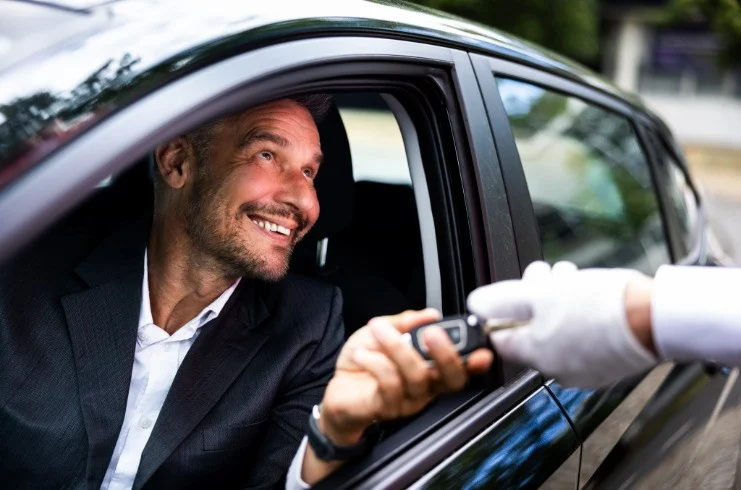
For decades, the hospitality industry has poured billions of dollars into refining the "wow" factor of the lobby, the thread count of the linens, and the aesthetic of the cocktail lounge. Yet, a growing body of evidence suggests that the most critical touchpoint in a guest’s experience often occurs before they even set foot inside the building.
Parking—long relegated to a back-of-house utility—is rapidly emerging as a pivotal strategic asset. As guest expectations for frictionless service reach an all-time high, hotel executives are being forced to rethink their approach to arrival, storage, and departure. If the parking experience is a chaotic prelude to a stay, the rest of the hospitality experience is effectively playing catch-up.
The Evolution of the Arrival Experience
The traditional view of a hotel parking lot was purely functional: a slab of concrete or a subterranean grid designed to hold vehicles. Today, that view is obsolete. In an era defined by mobile check-ins and digital keyless entry, guests arrive at a property with a heightened expectation of immediacy.
When a guest pulls into a hotel, they are not merely looking for a parking space; they are looking for a continuation of the brand promise. A confusing, poorly lit garage, a disorganized valet queue, or an unclear payment process acts as a "friction point"—a psychological hurdle that detracts from the anticipation of a stay. Conversely, a seamless arrival acts as an immediate confidence booster.
Chronology of a Guest Interaction
To understand the importance of parking, one must look at the guest’s timeline:
- Pre-Arrival (The Digital Hook): The guest receives an automated email or app notification providing instructions on valet drop-off zones or self-parking access.
- The Curb (The First Impression): Upon arrival, the guest encounters either a warm, organized welcome or a cluttered, stressful queue.
- The Transition (The Frictionless Hand-off): Whether through license-plate recognition or quick valet ticket processing, the hand-off between vehicle and lobby must be instantaneous.
- The Departure (The Lasting Impression): The guest returns to their vehicle. If this process is sluggish or cumbersome, it often serves as the final, lingering memory of the stay—and the primary factor in their online review.
The Data Behind the Friction
Industry analysts have noted a direct correlation between arrival efficiency and Net Promoter Scores (NPS). According to recent sentiment analysis in the hospitality sector, guests who report a "stress-free arrival" are 30% more likely to book a return visit compared to those who report "confusion" or "long wait times" during check-in and parking.
Furthermore, with the rise of digital review platforms like TripAdvisor and Google Reviews, a single bad experience in a parking garage can be amplified. Guests are increasingly documenting their arrival frustrations in detail, noting issues such as:
- Wayfinding: The inability to find the entrance or the correct level for hotel parking.
- Pricing Transparency: Hidden fees or lack of clarity regarding overnight parking costs.
- Technology Gaps: The need to wait for a physical ticket or interact with an outdated payment kiosk when they are already accustomed to contactless mobile payments.
Technology: Removing Friction, Not Humanity
There is a common misconception that implementing parking technology is an attempt to automate the guest experience at the expense of hospitality. The reality, according to industry leaders, is the exact opposite.

The objective of modern parking technology—such as license plate recognition (LPR), mobile reservation systems, and automated valet request apps—is to clear the "clutter" of manual operations. By digitizing the transactional elements of parking, hotels liberate their staff. Instead of fumbling with paper tickets or manual gate logs, a valet attendant can spend that time opening a door, greeting a guest by name, or assisting with luggage.
Key Technological Implementations:
- Pre-Arrival Messaging: Providing clear instructions before the guest is even within a mile of the property reduces anxiety and congestion.
- License Plate Recognition (LPR): Eliminates the need for tickets or key cards, allowing for a "drive-through" arrival experience.
- Dynamic Pricing: Allows hotels to manage demand during peak periods, such as major conferences or weddings, ensuring that hotel guests are prioritized over transient parking users.
Implications for Hotel Operations
Managing a hotel parking facility involves a complex balancing act. Many modern properties share their parking footprint with mixed-use elements, such as retail centers, office spaces, or restaurants. This creates competing "arrival patterns." A hotel guest arriving for a business trip at 9:00 AM may be entering the garage at the same time as office workers, while a wedding guest arriving at 6:00 PM may conflict with dinner patrons at the hotel’s restaurant.
When parking is managed as a standalone operation, these conflicts lead to congestion and frustration. When managed as an integral part of the hospitality ecosystem, it becomes a tool for revenue management and flow control.
Strategic Benefits of Integrated Management:
- Capacity Optimization: Real-time data allows management to adjust parking availability based on occupancy forecasts.
- Revenue Diversification: Hotels can monetize unused parking capacity by opening it to the public during off-peak hours through third-party apps, provided it does not impact the guest experience.
- Safety and Security: Enhanced lighting, surveillance, and clear signage—integral to a good parking strategy—significantly reduce liability and improve guest perception of property safety.
The Final Touch: Why the Exit Matters
Hospitality does not end when the guest checks out; it ends when the guest is safely on their way home. The departure is the final "touchpoint." If a guest has spent a premium on a luxury stay, they do not want to end their trip standing in a humid, disorganized garage waiting twenty minutes for their car.
The "Last Impression" rule is a fundamental principle of psychology: humans are more likely to remember the end of an event than the middle. By investing in efficient vehicle retrieval, hotels protect the goodwill they have cultivated throughout the duration of the guest’s stay. A fast, polite, and organized departure leaves the guest with a feeling of lingering satisfaction—a key component in building brand loyalty.
Looking Ahead: The Future of Arrival
As electric vehicles (EVs) become the standard, the definition of "parking" is shifting once again. Hotels that offer convenient, high-speed charging stations are already finding themselves at a competitive advantage. The ability to charge a vehicle overnight is becoming the modern equivalent of the "complimentary breakfast."
Ultimately, the goal for any hotelier should be to make the parking process so efficient that it becomes invisible. When the guest doesn’t have to think about the logistics of their vehicle, they are free to focus on the experience they came for.
In a hyper-competitive hospitality market, the details matter. While a well-designed lobby or a high-tech room is essential, they cannot compensate for a poor arrival. By viewing the parking garage as the first "front desk," hotels can ensure that their service begins at the curb, setting the stage for a flawless stay from start to finish. The hotels that master this "invisible amenity" will not only win the battle for five-star reviews but will secure the loyalty of the modern, time-sensitive traveler.


 Rifan Muazin
 Dwi Wanna





