
 Reynand Wu
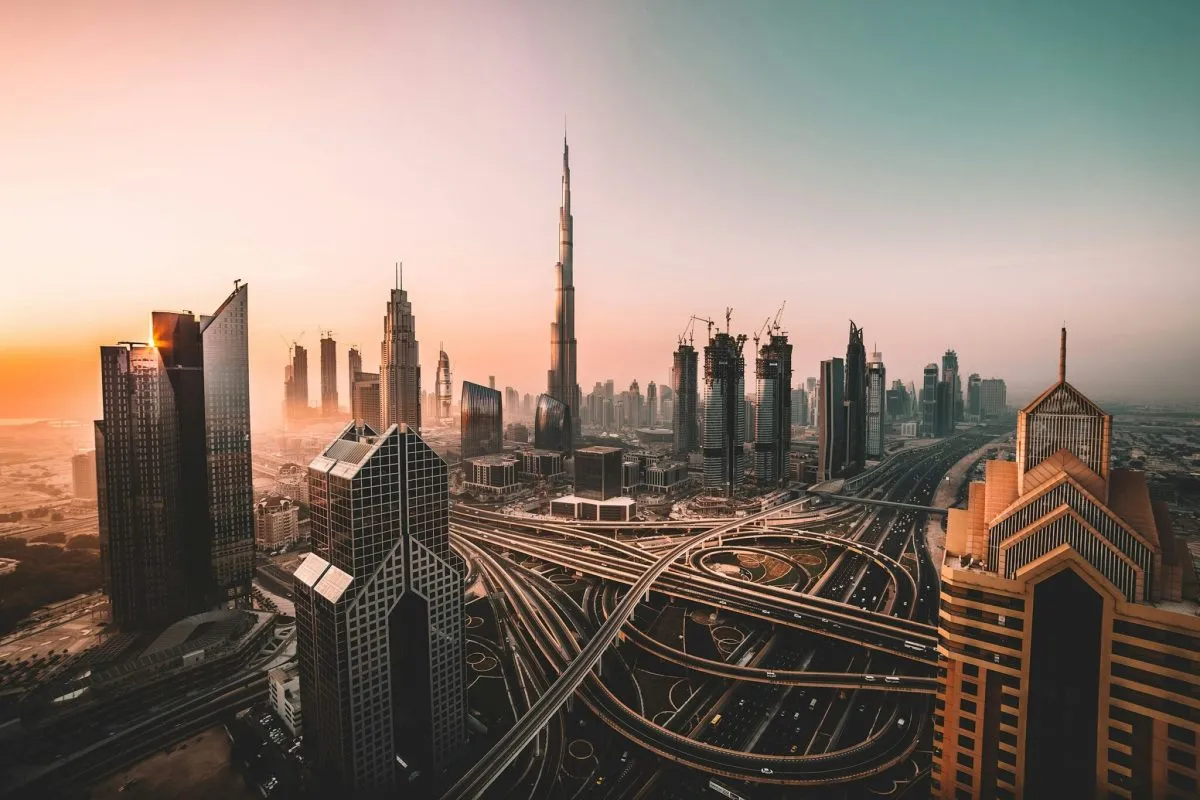
Dubai, UAE – In a significant recalibration of its acclaimed tourism strategy, the United Arab Emirates’ hospitality sector is increasingly focusing its formidable resources on short-haul travel markets. With iconic skylines and world-class attractions defining its global appeal, the UAE, particularly Dubai, is actively courting visitors from countries like India, China, and Russia. This strategic pivot is a direct response to persistent global economic headwinds, including soaring airfares, and the lingering effects of regional geopolitical uncertainties that have historically impacted long-haul travel.
The shift marks a pragmatic adaptation by a sector renowned for its ambition and resilience, seeking to secure its recovery and future growth by tapping into accessible, high-volume source markets. Hotel operators are not merely reacting to current challenges but are proactively shaping a more diversified and robust tourism landscape for the Emirates.
The Strategic Pivot: Navigating a New Global Landscape
For years, the UAE positioned itself as a premier destination for global luxury and leisure, attracting a significant influx of travelers from Western Europe, North America, and Australia. However, the economic realities of the post-pandemic era, compounded by ongoing global inflation and elevated jet fuel prices, have fundamentally altered the calculus of international travel. Long-haul journeys, once a staple of the UAE’s visitor profile, have become prohibitively expensive for a broader segment of potential tourists, forcing a re-evaluation of market priorities.
Saurabh Tiwari, Vice President for the Middle East, Maldives, and Sri Lanka at IHCL, which operates the prestigious Taj brand, articulated this strategic imperative succinctly. "We’re targeting short-haul markets like India, China, and Russia, that are a five- to six-hour flight away," Tiwari stated. "Since jet fuel prices are more expensive than before, it is hard to expect people to come from long-haul markets like the Americas or Australia. Attracting visitors from long-haul [markets] is going to be wishful thinking for the immediate future." This candid assessment underscores the severity of the challenge and the decisive nature of the industry’s response.
From Global Ambitions to Regional Resilience
The UAE’s tourism success story has been built on a foundation of ambitious infrastructure projects, unparalleled luxury offerings, and a vision to be a global crossroads. This ambition fostered a reliance on international long-haul travel, which, while lucrative, also exposed the sector to vulnerabilities associated with global economic downturns, currency fluctuations, and geopolitical instability. The current environment has brought these vulnerabilities into sharper focus, necessitating a shift towards a strategy that prioritizes regional accessibility and volume.
The focus on short-haul markets isn’t just about reducing travel costs; it’s also about leveraging demographic shifts and burgeoning middle classes in these neighboring economies. India, with its vast population and growing disposable income, has long been a vital market for the UAE, benefiting from strong cultural ties, business links, and a large expatriate community. China, with its immense outbound tourism potential, represents another cornerstone of this new strategy, particularly as its international travel market continues its post-pandemic resurgence. Russia and other CIS countries, despite geopolitical complexities, have also shown consistent demand for UAE holidays, particularly within the luxury segment.
Saurabh Tiwari’s Insights: The Short-Haul Imperative
Tiwari’s comments highlight a fundamental economic reality: the cost of aviation fuel directly impacts ticket prices, and thus, traveler behavior. A significant increase in jet fuel prices disproportionately affects long-haul routes, where fuel consumption is higher and the competitive landscape for budget airlines is often less fierce. For a destination like Dubai, which prides itself on connectivity, this rise in operational costs for airlines has had a ripple effect across the entire tourism ecosystem.
India, in particular, has emerged as IHCL’s most reliable source market throughout various crises. Its proximity, coupled with more competitive flight prices compared to distant destinations, makes it an attractive and sustainable pipeline for visitors. Moreover, the UAE’s hospitality sector is keenly aware that by offering more affordable room rates and attractive packages, Dubai can become accessible to a broader demographic within these short-haul markets, appealing to travelers who might have previously considered it out of reach. This dual approach – targeting geographically closer markets and adjusting pricing strategies – forms the bedrock of the current recovery and growth plan.
A Timeline of Transformation: Responding to Evolving Challenges
The current strategic pivot by UAE’s hospitality sector is not an isolated event but the culmination of several interconnected challenges and adaptive responses over the past decade.
Pre-2020: The Era of Unprecedented Growth
Before the turn of the decade, the UAE’s tourism trajectory was one of relentless ascent. Dubai, in particular, was a poster child for rapid development, attracting over 16 million international overnight visitors in 2019. Its appeal was global, drawing tourists from every continent with promises of luxury shopping, futuristic architecture, pristine beaches, and world-class entertainment. This era saw massive investments in airports, airlines (Emirates, Etihad), hotels, and attractions, solidifying the UAE’s reputation as a premium long-haul destination.
The Geopolitical Undercurrents
While not a direct "war" in the conventional sense, regional geopolitical tensions and instability in the wider Middle East have, at various points, cast shadows over travel perceptions and operational costs for airlines. Concerns over security, fluctuating oil prices influenced by regional dynamics, and increased insurance premiums for flights traversing certain airspaces contributed to an environment where travel could be perceived as more complex or costly. These underlying factors, while not always front-page news, subtly influenced airline routing, operational expenses, and traveler sentiment, gradually pushing operators to consider diversified risk mitigation strategies.
The Pandemic’s Catalytic Role
The COVID-19 pandemic acted as an unprecedented catalyst, forcing an immediate and drastic re-evaluation of global tourism. With international borders largely shut, the UAE hospitality sector, like many others globally, experienced a severe contraction. Dubai’s international visitor numbers plummeted to around 5.5 million in 2020. This period highlighted the inherent risks of over-reliance on international long-haul travel and spurred an initial focus on domestic tourism and regional travel bubbles. The lessons learned during the pandemic about agility, market diversification, and the importance of accessible source markets laid the groundwork for the current strategic shift.
The Post-Pandemic Reality: Fuel Prices and Inflation
As the world emerged from the pandemic, new economic challenges took center stage. Global inflation, supply chain disruptions, and the conflict in Ukraine sent crude oil prices soaring. This, in turn, led to a significant increase in jet fuel costs, a major operating expense for airlines. According to industry reports, jet fuel prices saw an average increase of over 60% between late 2020 and mid-2022, and while they have stabilized somewhat, they remain elevated compared to pre-pandemic levels. This translates directly into higher airfares, making long-haul travel a luxury for an increasing number of potential visitors and pushing them towards closer, more affordable destinations. For the UAE, this meant that while the desire to travel was returning, the economic feasibility of long-haul journeys was not.
Data-Driven Decisions: The Numbers Behind the Shift
The pivot to short-haul markets is not merely anecdotal; it is firmly supported by emerging tourism data and economic indicators. The UAE’s tourism authorities and hotel groups are closely monitoring these trends to fine-tune their strategies.
UAE Tourism Performance: A Snapshot
Dubai, as a primary gateway, saw a robust recovery, welcoming 14.36 million international overnight visitors in 2022, closing in on its 2019 pre-pandemic levels. This recovery has been largely fueled by the strong performance of short-haul markets. Hotel occupancy rates across Dubai averaged 72.9% in 2022, among the highest globally, with RevPAR (Revenue Per Available Room) significantly surpassing 2019 figures, indicating strong pricing power and demand. However, the composition of these visitors has notably shifted.
The Ascendancy of Short-Haul Markets
- India: Consistently ranks as the top source market for Dubai. In 2022, India contributed over 1.84 million visitors, a 157% year-on-year increase. This growth is driven by strong air connectivity, a large Indian diaspora in the UAE, increasing business ties, and a burgeoning middle class seeking international leisure experiences. Indian travelers often visit for shorter durations but contribute significantly to retail and dining sectors.
- China: Following the lifting of travel restrictions, the Chinese market is poised for a strong comeback. While 2022 numbers were modest due to lingering restrictions, projections for 2023 and beyond anticipate a rapid return to pre-pandemic levels. Prior to COVID-19, China was a top-five source market, known for its high-spending group tours and luxury travelers. UAE hotel chains are actively preparing for this influx with Mandarin-speaking staff, Chinese payment systems, and tailored culinary offerings.
- Russia and CIS Countries: Despite geopolitical challenges, Russia remained a resilient market, ranking among Dubai’s top five source countries in 2022 with over 1.15 million visitors. The direct flight connectivity and the UAE’s neutral stance have made it a preferred destination for Russian travelers seeking leisure and luxury. Similarly, visitors from other CIS countries have also shown consistent growth, drawn by proximity and visa-friendly policies.
In stark contrast, while markets like the UK, USA, and Saudi Arabia also showed strong recovery, the overall pace of return for many long-haul markets has been slower. This disparity underscores the efficacy of the short-haul pivot in driving the overall recovery.
Airfare Dynamics and Fuel Costs
The data on jet fuel prices provides a clear economic rationale for the shift. From January 2020 to peak levels in mid-2022, average jet fuel prices surged by over 150%. While receding slightly, they remain significantly above pre-pandemic benchmarks. This translates to an average increase of 20-40% on long-haul economy class tickets compared to 2019, making a trip from, say, New York or Sydney to Dubai considerably more expensive. Short-haul routes, conversely, have seen more modest increases, often offset by competitive pricing from regional carriers and a higher frequency of flights. This cost differential is a major deterrent for budget-conscious long-haul travelers.
Affordability Factor: Dubai’s Value Proposition
Recognizing the economic pressures on travelers, UAE hotel operators are actively adapting their pricing strategies. While Dubai maintains its luxury offerings, there’s an increasing focus on value-added packages, mid-range options, and family-friendly deals. The idea is to dispel the notion that Dubai is exclusively a high-end destination and to make it more accessible to the burgeoning middle classes of short-haul markets. This includes bundling flights and accommodations, offering complimentary experiences, and providing tailored packages that cater to specific cultural preferences and travel durations common in India, China, and Russia.
Official Responses and Industry Adaptations
The strategic pivot has garnered strong support from government entities and seen comprehensive adaptations across the hospitality and tourism industry.
Government Endorsement: A Vision for Diversification
Official bodies like Dubai’s Department of Economy and Tourism (DET) and the UAE Ministry of Economy have openly endorsed the strategy of market diversification. Issam Kazim, CEO of Dubai Corporation for Tourism and Commerce Marketing (DCTCM), has frequently emphasized the importance of resilience and agility in navigating global tourism trends. The "Dubai Tourism Vision 2030" and "UAE Tourism Strategy 2031" both highlight the need to strengthen existing key markets while exploring new, emerging ones to ensure sustainable growth. The government is actively investing in new attractions, cultural experiences, and entertainment venues to broaden Dubai’s appeal beyond its traditional luxury image, catering to a wider demographic spectrum from these target markets. Events like Expo City Dubai continue to showcase the emirate’s capabilities in hosting global events, attracting both business and leisure visitors from around the world, including short-haul regions.
Hotel Operators: Tailoring the Experience
Beyond pricing, hotel operators are deeply engaged in tailoring their services and offerings to meet the specific needs and preferences of short-haul travelers.
- IHCL/Taj: The Taj brand, with its Indian heritage, is uniquely positioned to cater to Indian travelers. This includes offering diverse Indian culinary options, facilitating large family bookings for weddings and events, and providing staff proficient in various Indian languages.
- Major International Chains: Brands like Marriott, Accor, Hilton, and Emaar Hospitality are implementing multilingual training programs for their staff, ensuring a welcoming environment for Chinese, Russian, and Indian guests. This extends to in-room amenities, entertainment options (e.g., Chinese TV channels), and even adapting check-in/check-out processes. Many hotels are also focusing on creating bespoke experiences, from guided cultural tours to shopping excursions tailored to the preferences of these markets.
- Focus on Value and Family Travel: Given that many short-haul travelers are families or groups, hotels are increasingly offering interconnected rooms, kids’ clubs, and family entertainment packages. The goal is to provide a comprehensive, value-driven experience that encourages repeat visits.
Airline Partnerships
The synergy between UAE-based airlines (Emirates, Etihad, Flydubai) and short-haul carriers is crucial. These airlines are expanding direct routes to secondary cities in India and China, increasing flight frequencies, and exploring codeshare agreements. Special promotional packages, including flight-and-hotel bundles, are being developed in collaboration with tour operators to make travel more seamless and affordable for these target markets. This collaborative ecosystem ensures that the demand generated by hotel marketing efforts is met with adequate and accessible air capacity.
Implications: Reshaping the Future of UAE Tourism
The strategic pivot towards short-haul markets carries profound implications for the long-term trajectory and character of UAE tourism.
Economic Resilience and Stability
Diversifying source markets reduces the UAE’s vulnerability to economic downturns or geopolitical shifts in any single region. By tapping into multiple, robust economies, the tourism sector can maintain a more consistent revenue stream, contributing to greater economic stability for the Emirates. This strategic resilience is crucial for an economy heavily reliant on tourism and related services.
Infrastructure and Development
The shift will continue to influence future infrastructure development. While luxury will remain a cornerstone, there will likely be increased investment in attractions and facilities catering to a broader range of budgets and preferences. This includes more mid-range hotels, family entertainment zones, cultural heritage sites, and retail experiences that appeal to the diverse tastes of Indian, Chinese, and Russian visitors. Projects like the ongoing development around Expo City Dubai and various cultural districts will be designed with this diversified visitor profile in mind.
Cultural Exchange and Soft Power
The increased influx of visitors from India, China, and Russia will foster greater cultural exchange. This interaction enriches the local tapestry, promotes understanding, and strengthens bilateral ties between the UAE and these important emerging economies. Tourism, in this context, becomes a powerful tool of soft power, enhancing the UAE’s global standing as a welcoming and inclusive nation.
Talent and Workforce
The demand for multilingual staff, particularly those fluent in Hindi, Mandarin, and Russian, will intensify within the hospitality sector. This creates new job opportunities and necessitates training programs to equip the workforce with the cultural sensitivity and language skills required to provide exceptional service to these diverse markets.
Sustainability Challenges and Opportunities
Managing increased visitor numbers from short-haul markets, while economically beneficial, also presents sustainability challenges. The UAE will need to continue investing in eco-friendly tourism practices, waste management, and conservation efforts to mitigate the environmental impact of growing visitor footfall. This also presents an opportunity to promote responsible tourism and educate a wider audience on sustainable travel.
The Long-Haul Dilemma: What’s Next?
While the immediate focus is on short-haul markets, the UAE is unlikely to abandon its long-term ambition of attracting global visitors. The strategy may evolve to differentiate offerings for long-haul guests, focusing more intensely on ultra-luxury, bespoke experiences, and niche segments like MICE (Meetings, Incentives, Conferences, and Exhibitions) tourism, where budget constraints might be less pronounced. Innovation in air travel, such as the development of sustainable aviation fuels, could eventually bring down long-haul costs, but until then, the short-haul strategy provides a pragmatic bridge.
Conclusion
The UAE’s hospitality sector is demonstrating its characteristic adaptability by strategically pivoting towards short-haul markets. Driven by the economic realities of elevated airfares and a desire for greater resilience against global fluctuations, this shift is more than a temporary adjustment; it represents a fundamental re-orientation of how the Emirates positions itself on the global tourism map. By leveraging strong regional ties and catering to the specific needs of travelers from India, China, and Russia, the UAE is not just recovering from past challenges but is actively building a more diversified, robust, and sustainable future for its tourism industry, ensuring its continued prominence as a leading international destination, even if the journey for many visitors now begins a little closer to home.


 Sagoh
 Laily UPN





