
 Iffa Jayyana
It is a milestone that marks the definitive end of an era while simultaneously highlighting the enduring power of design. Twenty-five years ago, Steve Jobs stepped onto a stage at Apple’s Cupertino headquarters and introduced a device that would change the trajectory of the music industry and consumer electronics forever: the iPod. To commemorate this silver anniversary, Apple has quietly launched an interactive tribute hidden within the depths of its own website—a digital Easter egg that invites users to dust off their muscle memory and rediscover the iconic click wheel.
The 404 Tribute: A Portal to 2001
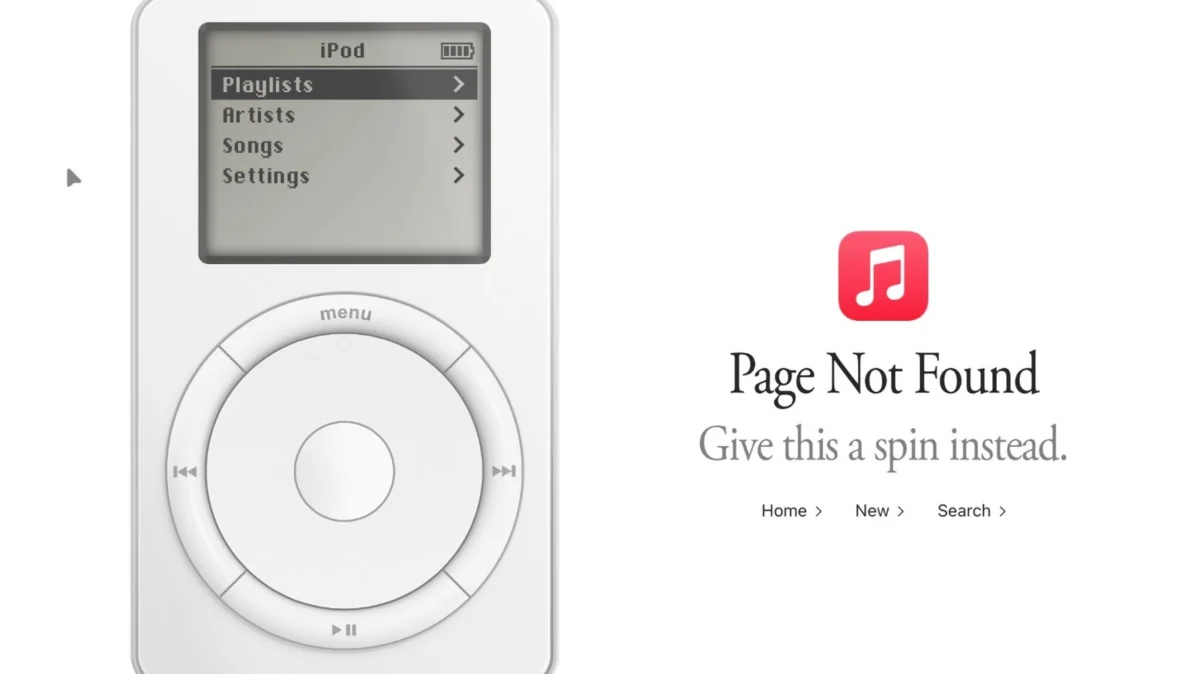
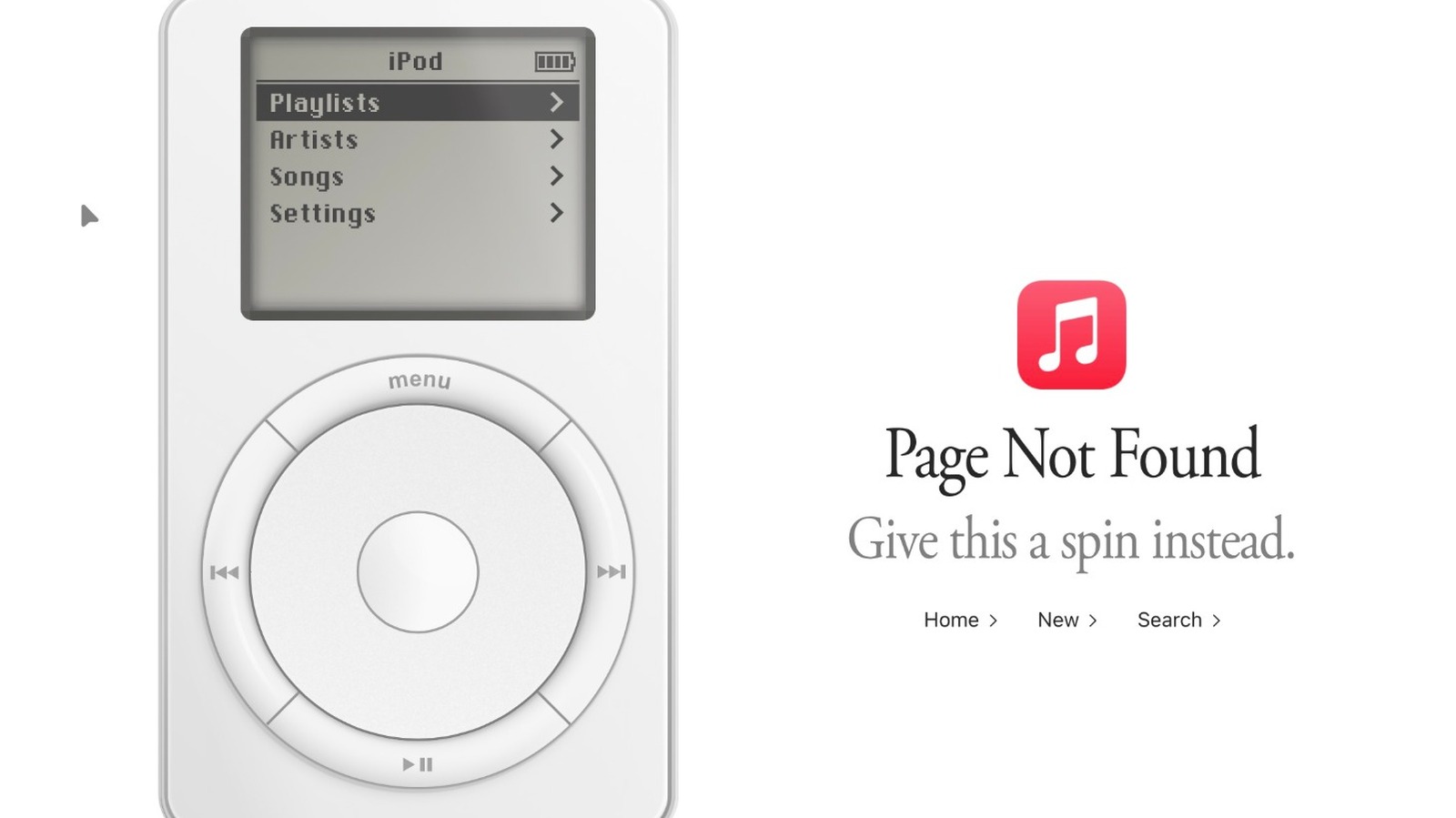
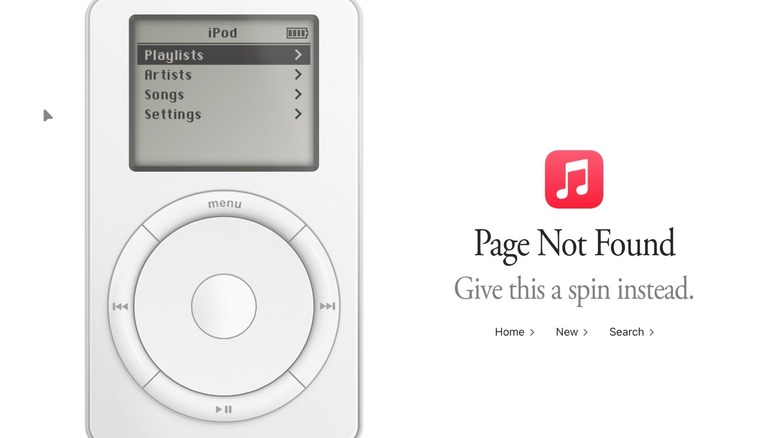
The anniversary tribute is not a headline-grabbing press release or a flashy social media campaign. Instead, it is a subtle, playful nod to the company’s history. If a user navigates to a non-existent or broken page on the Apple Music website—such as the intentionally erroneous music.apple.com/sfswf—they are not greeted by the standard, sterile "Page Not Found" message.
Instead, visitors are presented with a fully interactive, virtual recreation of the first-generation iPod. Below the standard error notification, a prompt invites the user to "give this a spin instead." What follows is a remarkably faithful emulation of the device that famously promised "1,000 songs in your pocket." The interface is entirely functional: users can navigate through menus for Playlists, Artists, and Songs, all while the virtual click wheel responds to mouse clicks or touch-screen gestures. It is a masterclass in interactive web design, offering a sensory experience that feels surprisingly tactile despite its digital nature.
A Chronology of the iPod Revolution
To understand the significance of this anniversary, one must look back at the technological landscape of the late 1990s and early 2000s. The digital music space was fragmented, dominated by clunky, low-capacity MP3 players that were notoriously difficult to use and aesthetically uninspired.
- October 23, 2001: Apple unveils the first-generation iPod. With a 5GB hard drive and a mechanical scroll wheel, it set a new standard for portable audio.
- 2002–2003: The introduction of the Windows-compatible iPod and the launch of the iTunes Music Store turned the device from a Mac-exclusive accessory into a global phenomenon.
- 2004: The iPod Mini arrives, introducing the iconic color palette and the "click wheel" design that would define the brand for the rest of the decade.
- 2005: Apple pivots toward video with the iPod Nano and the iPod Video, signaling the company’s broader ambitions in media consumption.
- 2007: The launch of the iPhone effectively cannibalized the iPod’s market share, setting the stage for the device’s eventual transition into a niche product.
- 2022: Apple officially discontinues the last remaining model, the iPod Touch, effectively closing the book on the hardware era.
Supporting Data: Why the iPod Still Matters
The impact of the iPod cannot be overstated. When it launched, it wasn’t just a gadget; it was a cultural force. In its first year, Apple sold roughly 125,000 units. By 2007, that number had exploded to over 50 million units annually. The device transformed Apple from a struggling computer manufacturer into a lifestyle brand.
The virtual tribute features a library of 1,029 songs—a nod to the original storage capacity claims—curated with a distinct "early 2000s" aesthetic. Users can sample 90-second clips of tracks from artists like Baha Men, blink-182, and Eminem. The inclusion of these tracks serves as a sonic time capsule, transporting users back to the era of wired white earbuds and the iTunes library.
Furthermore, true to the spirit of the original hardware, the Easter egg includes the secret Brick game. By navigating to the "About" screen on the virtual device and holding the center button for several seconds, users can unlock the Breakout-style game that served as a staple of boredom-busting for millions of commuters and students in the mid-2000s.
Industry Perspectives and Official Silence
Apple has not issued a formal press statement regarding the specific implementation of this Easter egg, maintaining its signature policy of letting the product—or in this case, the hidden feature—speak for itself. However, the tech community has responded with widespread acclaim.
"It’s a masterclass in brand heritage," says tech analyst Marcus Thorne. "Apple doesn’t usually spend time looking backward, but this move acknowledges that the iPod is the DNA of the modern iPhone. By making the interface interactive, they aren’t just showing us a picture of a device; they are letting us feel the tactile legacy of the click wheel, which is something that has been lost in the age of flat glass touchscreens."
Critics and nostalgic users alike have noted that the emulation is not perfect—it suffers from minor bugs and latency issues on certain browsers—but that arguably adds to the charm. It replicates the slightly unpredictable nature of early-generation consumer electronics, reinforcing the sense of "authentic" nostalgia.
The Implications: Why Look Back?
The decision to include this tribute raises an interesting question: Why does a company as forward-looking as Apple choose to celebrate a defunct product line?
The Preservation of Design Language
The iPod’s design language—the minimalist white plastic, the intuitive hierarchy of the menu, and the tactile click wheel—is considered a cornerstone of industrial design. By recreating it on the web, Apple is reinforcing the idea that its design principles have remained consistent even as technology has evolved. It reminds current consumers that Apple’s core value proposition—making complex technology accessible and beautiful—began with the iPod.
The Power of "Emotional Utility"
In an era where tech companies are often criticized for planned obsolescence, this Easter egg serves as a reminder of the emotional connection consumers develop with hardware. The iPod was not just a tool; it was a personal curator. By allowing users to interact with a virtual version, Apple is engaging in a form of "emotional utility." They are providing no practical service, yet they are providing significant value in the form of joy, reminiscence, and brand loyalty.
A Bridge to the Future
Finally, the tribute serves as a subtle marketing vehicle for Apple Music. By placing the iPod inside the modern Apple Music infrastructure, the company is effectively linking its past (the 1,000 songs in your pocket) with its present (the millions of songs available via subscription). It illustrates the journey of the company from a hardware-centric music player manufacturer to a service-oriented digital entertainment powerhouse.
Conclusion: An Enduring Legacy
Whether you view the iPod as the greatest piece of industrial design in the 21st century or simply as the device that introduced you to your favorite teenage bands, the 25th-anniversary tribute is a must-visit for any tech enthusiast. It is a rare moment where a trillion-dollar company takes a breath to acknowledge the humble beginnings of its global dominance.
As you navigate the virtual menu, scroll through the artist list, and perhaps lose a few minutes to a game of Brick, it is hard not to feel a sense of gratitude for the device that started it all. The iPod may be gone, but its soul—the simple, elegant promise of music in your pocket—lives on in the very devices we use today. So, head to the broken page, click the wheel, and enjoy a moment of digital nostalgia. It is, after all, exactly what the 2001 version of ourselves would have wanted.


 Azzam Bilal Chamdy

 Laily UPN




