Nila Kartika Wati
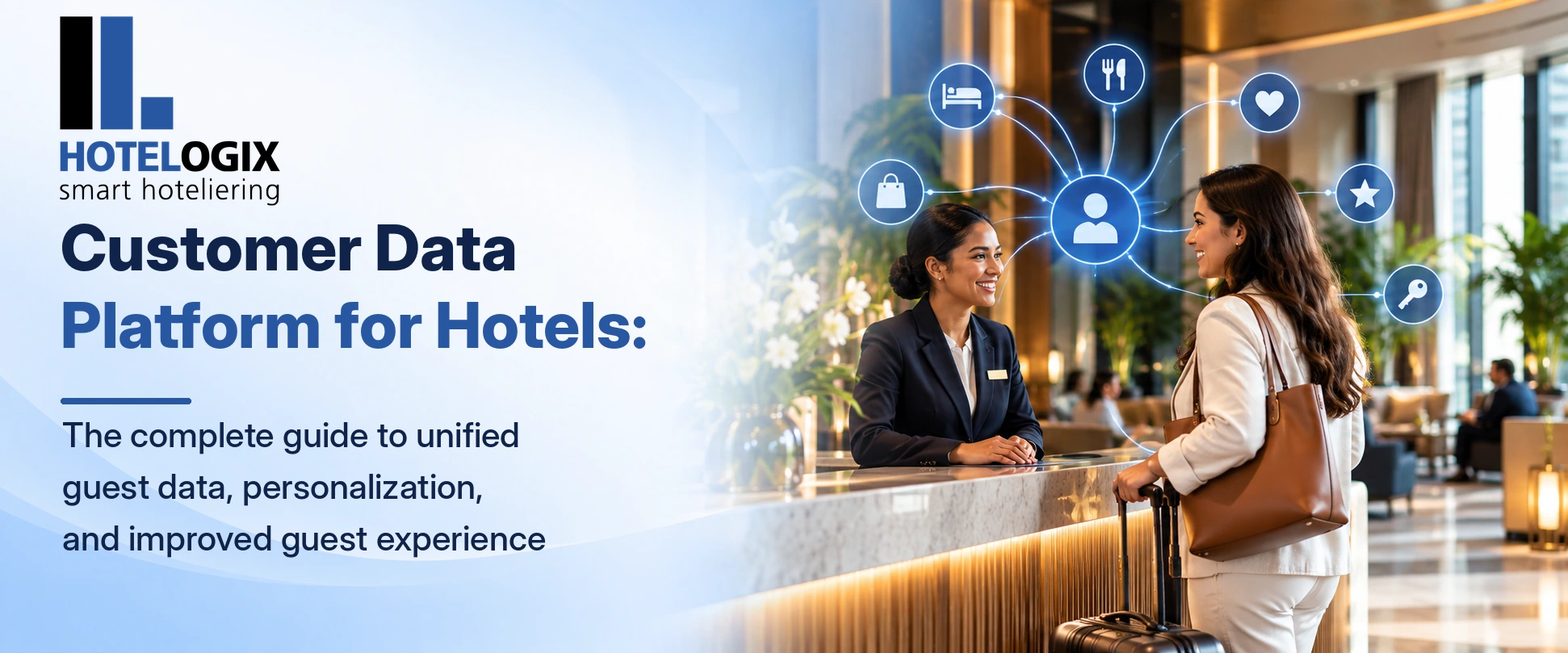
In the modern hospitality landscape, the distance between a satisfied guest and a lost booking is often measured in data. As the industry faces unprecedented competition from both traditional rivals and disruptive digital platforms, the ability to recognize, understand, and anticipate guest needs has shifted from a "value-add" to an operational imperative.
For many hoteliers, the biggest obstacle isn’t a lack of information—it is an abundance of fragmented, siloed data. This article explores the transformative power of the Customer Data Platform (CDP) for hotels, a technology designed to turn scattered digital footprints into coherent, actionable guest profiles.
The Core Challenge: The "Data Silo" Syndrome
Every time a guest interacts with a hotel, they leave a trail. They might browse room rates on a mobile device, book through an Online Travel Agency (OTA), request an early check-in via email, dine at the hotel’s restaurant, and eventually sign up for a loyalty program.
In a traditional hotel infrastructure, these touchpoints live in isolation. The Property Management System (PMS) sees a reservation; the CRM sees an email address; the Point-of-Sale (POS) system sees a transaction; and the loyalty database sees membership points. Because these systems rarely communicate effectively, the hotel often treats the same individual as four different people.
This leads to "data silos," where the left hand of the marketing department does not know what the right hand of the front desk is doing. The implications are significant: guests receive duplicate emails, are offered promotions for services they have already purchased, or—most damagingly—are asked to reintroduce themselves to staff despite having stayed at the property multiple times.
Defining the Hotel Customer Data Platform (CDP)
A Customer Data Platform (CDP) is sophisticated software designed to act as the "single source of truth" for guest information. Unlike a standard CRM, which primarily tracks interactions, a CDP actively collects, cleans, and synthesizes data from every corner of the hotel’s tech stack.
By integrating with the PMS, booking engines, websites, and loyalty programs, the CDP performs Identity Resolution. This process intelligently links multiple data points—such as an email address, a loyalty ID, and a credit card token—to a single, unified 360-degree guest profile.
Key Functions of a Hotel CDP:
- Data Aggregation: Pulling information via APIs and webhooks from disparate sources.
- Data Cleaning: Standardizing formats (e.g., correcting "R. Smith" and "Robert Smith" to a single record) and removing duplicate entries.
- Identity Resolution: Using sophisticated algorithms to ensure that the person booking the room is correctly identified, even when travel arrangers or corporate accounts are involved.
- Activation: Pushing this unified profile back into marketing or service systems to trigger personalized experiences.
Supporting Data: The Current State of Hospitality Tech
The need for CDPs is underscored by the current inefficiencies in the industry. According to the h2c AI Hotel Chain Tech Report 2026, the state of guest data management is precarious.
- Low Profile Accuracy: Guest profile quality scores average a mere 5.6 out of 10 across the industry.
- Manual Over-Reliance: A staggering 69% of hotels still rely on manual processes to collect and augment guest preference data, leading to human error and data latency.
- Integration Struggles: 66% of hoteliers openly admit to struggling with the unification of guest data across their existing systems.
These statistics paint a clear picture: while hotels have access to more data than ever before, they lack the structural framework to make it work for them. Relying on spreadsheets or disconnected software is no longer a viable strategy for properties aiming to scale.
The Chronology of Implementation: A Step-by-Step Guide
Transitioning to a data-driven model requires a disciplined approach. Implementing a CDP is not merely a software installation; it is a shift in organizational behavior.
Phase 1: The Audit
Before choosing a platform, management must audit every system that touches guest data. This includes POS, spa management systems, F&B software, and even reputation management tools. You must ask: Where is the data stored? Who has access? How often is it updated?
Phase 2: Defining the Profile
Hoteliers must decide what constitutes a "perfect" guest profile. At a minimum, this should include:
- Demographic data: Name, contact details, and location.
- Behavioral data: Booking patterns, search history, and channel preferences.
- Transactional data: Past spending, preferred room types, and ancillary purchases.
- Sentiment data: Feedback, complaints, and satisfaction scores from past stays.
Phase 3: The Hospitality-Native Selection
General-purpose CDPs, often designed for retail, frequently fail in the hospitality context because they do not understand the nuance of the "booking journey." When evaluating vendors, hoteliers should prioritize solutions that understand the distinction between the "booker," the "payer," and the "stayer."
Phase 4: Integration and Cleaning
Once the software is selected, the integration of the Hotel PMS is the most critical step. The PMS provides the operational heartbeat of the hotel. A cloud-based PMS ensures that real-time changes—such as a last-minute cancellation—are instantly communicated to the CDP, preventing the embarrassment of sending a "we look forward to your stay" email to a guest who has just cancelled.
Phase 5: Execution and Scaling
With a clean database, hotels can begin to build segments. Start with high-impact, simple segments: "Frequent Business Travelers," "Families Booking Summer Vacations," or "First-Time Guests." From there, move into predictive modeling to offer personalized upsells based on historical preferences.
Implications: The Shift Toward Predictive Hospitality
The shift toward a unified data strategy has profound implications for the future of hotel operations.
Enhanced Guest Service
When a guest arrives, the front desk can access a single dashboard that displays not just the reservation, but the guest’s previous feedback, room preferences, and dietary requirements. This turns a routine check-in into a personalized welcome.
Marketing Efficiency
Marketing teams can move away from "batch-and-blast" email campaigns. Instead, they can target guests with highly relevant offers. For example, if a guest consistently orders room service wine, a targeted offer for a vineyard tour or a premium dinner reservation will likely yield a higher conversion rate than a generic spa discount.
Operational Agility
By eliminating manual data entry and correction, staff can focus on high-value interactions. Furthermore, the ability to resolve guest complaints in real-time by accessing their full history prevents a minor issue from escalating into a negative public review.
Conclusion: The Path Forward
The modern hotelier is essentially a data manager. As guests increasingly demand recognition and frictionless experiences, the technology stack must evolve to support these expectations. A Customer Data Platform is no longer an optional luxury for large chains; it is becoming a fundamental requirement for any hotel that wants to compete on the basis of service excellence.
By centralizing and cleaning guest information, hotels can finally stop treating their guests like strangers and start treating them like the loyal customers they aim to be. The journey to a unified guest experience begins with the decision to break down the silos and embrace the power of integrated data.
Is your hotel ready for the next level of guest service?
To see how industry-leading tools like Hotelogix are transforming the way hotels manage their data, book a live demo today and discover how a unified platform can redefine your guest relationships.


 Evan Lee Salim

 Iffa Jayyana