
 Sagoh
Dubai, UAE – May 15, 2024 – The escalating geopolitical tensions stemming from Houthi attacks on Saudi Arabia are sending tremors through the broader Gulf tourism sector, prompting a palpable sense of apprehension among international travelers. While the direct impact of these strikes remains largely confined to Saudi Arabian territories, the perception of regional instability has created a significant "spillover effect," leading to softer forward bookings and an increase in safety-related inquiries for destinations like the United Arab Emirates and Oman. Despite hard data indicating a less severe hit compared to Saudi Arabia, hospitality leaders and tour operators in these nations report a noticeable chill in inbound tourism, underscoring the delicate interplay between regional security and economic vitality.
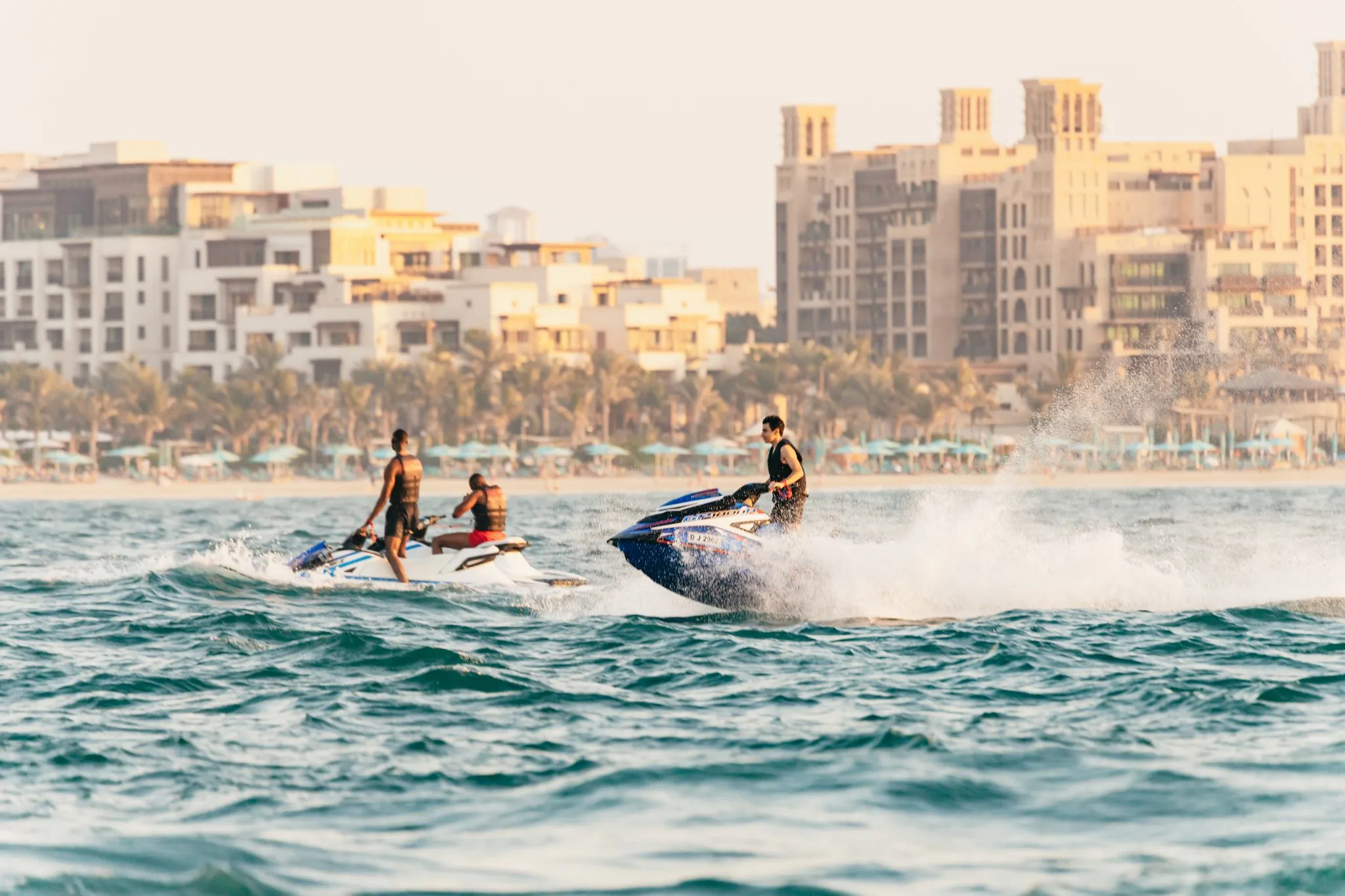
"Unfortunately, the media doesn’t separate the Middle East as such and places an umbrella approach on the region, hence the spillover is a natural phenomenon," explains Naim Maadad, CEO of Gates Hospitality, which manages the luxurious Six Senses Zighy Bay resort in Oman. Maadad highlights a confluence of factors exacerbating the situation: "Fueled by travel alerts from embassies and consulates, travel insurance restrictions, [and] airlift service restrictions… we continue having very little tourism, if any, since the end of February. Tourist fears have been reignited by the Saudi strikes as travel advisories have gone back to stricter levels." His observations paint a stark picture, noting that nearly all current bookings are originating from local residents, and most are made at the last minute, reflecting a cautious and localized travel sentiment. The image of a vibrant speedboat tour against Dubai’s iconic skyline, often a symbol of the region’s allure, now serves as a poignant backdrop to an industry grappling with unforeseen challenges.
The Unfolding Chronology of Regional Instability
The current challenges facing Gulf tourism are rooted in a complex and evolving geopolitical landscape, where localized conflicts have demonstrated an increasing capacity to ripple across borders and impact global perceptions.
A Decade of Growth and Diversification
Prior to the recent escalation, the Gulf Cooperation Council (GCC) states, particularly the UAE and Saudi Arabia, had embarked on ambitious tourism diversification strategies. Dubai had long cemented its status as a global hub for luxury, business, and leisure, attracting millions with its iconic architecture, world-class events, and vibrant cultural scene. Abu Dhabi emerged as a cultural beacon with institutions like the Louvre Abu Dhabi and the Grand Mosque. Oman, meanwhile, carved a niche in sustainable and luxury eco-tourism, leveraging its stunning natural landscapes and rich heritage. Saudi Arabia, under its Vision 2030, was aggressively investing in mega-projects like NEOM, Diriyah, and the Red Sea Project, aiming to become a top-tier global tourism destination. These efforts underscored a collective ambition to reduce reliance on hydrocarbon revenues and build resilient, diversified economies.
Escalation of the Yemen Conflict and Red Sea Crisis
The conflict in Yemen, which began in 2014, has been a persistent source of regional instability. However, the Houthi movement’s capability and willingness to target critical infrastructure in Saudi Arabia, often using drones and ballistic missiles, significantly intensified from 2019 onwards. Key incidents, such as the attacks on Saudi Aramco’s Abqaiq and Khurais oil facilities in September 2019, sent shockwaves through global markets and highlighted the vulnerability of regional assets. While Saudi Arabia has invested heavily in air defense systems, sporadic attacks have continued, albeit with varying degrees of success.
The situation further deteriorated dramatically following the October 2023 conflict in Gaza. The Houthis, declaring solidarity with Palestinians, began launching missile and drone attacks towards Israel and, crucially, initiated a campaign targeting commercial shipping in the Red Sea. This maritime aggression, impacting a vital global trade artery, provoked military responses from a U.S.-led coalition and elevated the perception of the entire region as a conflict zone. While these Red Sea attacks are primarily maritime and distinct from land-based attacks on Saudi Arabia, the sheer volume of negative news and the geographical proximity on global maps created a narrative of widespread instability across the Arabian Peninsula.
The Evolution of Travel Advisories
In direct response to these developments, numerous Western governments, including the United States, the United Kingdom, Canada, and Australia, have periodically updated and, in many cases, tightened their travel advisories for the region. These advisories often employ broad language, warning citizens of potential risks across entire countries or regions, rather than distinguishing between specific, localized threats and generally safe tourist areas. Such blanket warnings, as Maadad notes, contribute significantly to the "umbrella approach" that conflates the safety profiles of diverse nations within the Middle East, irrespective of their direct involvement or proximity to specific conflict zones. The re-escalation of advisory levels after Saudi strikes serves as a potent deterrent, causing potential travelers to reconsider or cancel plans, even for destinations thousands of miles away from the immediate danger.
Supporting Data and Anecdotal Evidence
While the direct kinetic impact of Houthi strikes is not felt in the UAE or Oman, the psychological and logistical reverberations are undeniable. The "much smaller hit than in Saudi Arabia" is a crucial distinction, yet it doesn’t negate the very real challenges faced by tourism operators in these seemingly distant markets.
The Nuance of Booking Trends
The term "softer forward bookings" signifies a decline in reservations for future dates, indicating a lack of confidence among international travelers in planning trips months in advance. Tour operators across Dubai, Abu Dhabi, and Oman report a significant slowdown in bookings from key source markets such as Europe, North America, and Australia. Luxury travel agencies, which typically book high-value, long-lead-time itineraries, are particularly affected. "We’ve seen a noticeable drop-off in enquiries for bespoke tours to Oman’s wadis and deserts," says an independent travel consultant specializing in the Gulf region, who requested anonymity. "Clients are expressing concerns about flight routes, insurance coverage, and simply whether it’s ‘safe’ to be in the Middle East at all, even when we explain the distance from Yemen."
This hesitancy is further compounded by the anecdotal evidence presented by Naim Maadad. His observation of "very little tourism, if any, since the end of February" for his luxury resort in Oman underscores a critical downturn in the international leisure segment. The reliance on "local residents" for "last-minute" bookings points to a domestic market providing a temporary buffer, but one that cannot fully compensate for the absence of high-spending international visitors. This shift impacts not only hotel occupancy but also the entire tourism ecosystem, from tour guides and transportation providers to local artisans and restaurants.
Addressing Heightened Safety Questions
Travelers are increasingly scrutinizing every aspect of their journey. Beyond general safety inquiries, specific questions include:
- Proximity to Conflict Zones: Despite clear geographical distances, travelers often lack precise knowledge of regional geography, leading to questions about the safety of airports (e.g., Dubai International, Muscat International) and major cities.
- Airport Security: Concerns about heightened security risks at regional airports and potential disruptions to air travel.
- Travel Insurance Validity: As Maadad highlighted, travel insurance restrictions are a major deterrent. Many standard policies include clauses that exclude coverage for acts of war or terrorism in specified regions, leaving travelers exposed and unwilling to take the risk.
- Overflight Routes: Travelers are asking about the flight paths airlines are using, particularly regarding airspace over potentially sensitive areas.
Disparate Impacts Across the Gulf
Saudi Arabia has undeniably borne the brunt of direct Houthi attacks, with missiles and drones targeting cities like Riyadh, Jeddah, and Abha. Its proximity to Yemen and its direct involvement in the Yemen conflict make it a more immediate target. This direct exposure has led to more stringent travel advisories and a greater reluctance from international visitors.
In contrast, the UAE and Oman, while not direct targets of Houthi aggression, suffer from the "perception gap." Dubai, a global aviation hub, and Muscat, a serene capital, are geographically hundreds of miles away from the primary conflict zones. For instance, Sanaa, Yemen, is approximately 1,600 kilometers (1,000 miles) from Dubai and about 1,000 kilometers (620 miles) from Salalah, Oman’s southern city, with major landmasses and often desert separating them. Yet, the continuous news cycle about "Middle East tensions" blurs these distinctions for the average traveler. This perception has had a particular impact on segments like MICE (Meetings, Incentives, Conferences, and Exhibitions), where organizers prioritize absolute stability and ease of travel for large groups, and on the cruise industry, which has seen some operators reroute ships away from the Red Sea, impacting itineraries that included Gulf ports.
Official Responses and Industry Adaptations
In the face of these challenges, governments, tourism boards, and industry stakeholders across the UAE and Oman are employing a multi-faceted approach to mitigate the impact and reassure potential visitors.
Government and Tourism Board Reassurance
Both the UAE and Omani governments have consistently reiterated their commitment to safety and security. Official statements often emphasize the stability of their respective nations and the robust security measures in place. Tourism boards, such as Dubai’s Department of Economy and Tourism (DET) and Oman’s Ministry of Heritage and Tourism, are actively engaged in targeted marketing campaigns. These campaigns aim to:
- Highlight Distances: Visually illustrate the geographical separation between their destinations and conflict zones.
- Emphasize Safety Protocols: Showcase advanced security infrastructure and low crime rates.
- Focus on Unique Selling Points: Redirect attention to cultural attractions, luxury offerings, and natural beauty, distinct from regional geopolitical narratives.
- Engage Travel Trade: Conduct webinars and workshops with international travel agents and tour operators to provide accurate information and address concerns directly.
Airline Adjustments and Airlift Restrictions
Naim Maadad’s reference to "airlift service restrictions" points to another critical factor. While major carriers like Emirates, Etihad, and Oman Air continue to operate globally, some international airlines, particularly those from Europe and North America, have adjusted routes or reduced capacity to the broader Middle East. This is often driven by security assessments, insurance premiums, or simply a decline in demand. Reduced flight frequencies or rerouted flights can increase travel time and cost, further deterring travelers. Airlines and airports in the UAE and Oman are working closely with international aviation authorities to maintain confidence in their airspace and operational safety.
The Role of Travel Insurance
The issue of travel insurance restrictions is a significant barrier. Many policies contain "war risk" or "terrorism" exclusions, particularly for regions deemed high-risk by government advisories. This leaves travelers with a difficult choice: travel uninsured, purchase expensive specialized policies, or cancel their trips. Industry bodies are lobbying insurance providers to offer more nuanced policies that differentiate between specific risk areas within a broader region, rather than applying blanket exclusions. Some hotels and tour operators are also exploring partnerships with specialized insurers to offer bespoke coverage to their clients.
Hospitality Sector Adaptations
Hospitality groups are implementing various strategies to navigate the downturn:
- Flexible Policies: Offering more flexible cancellation and rebooking policies to alleviate traveler apprehension.
- Targeted Promotions: Shifting marketing focus towards domestic and regional GCC markets, offering attractive staycation packages and deals.
- Enhanced Guest Experience: Doubling down on service excellence to ensure that guests who do visit have an exceptional and reassuring experience.
- Staff Training: Equipping front-line staff to confidently and accurately address guest concerns about safety and regional stability.
- Diversification of Offerings: Investing in new experiences that appeal to local residents and regional visitors, such as wellness retreats, culinary journeys, and adventure tourism close to home.
Implications and Future Resilience Strategies
The current geopolitical climate presents both immediate challenges and long-term implications for the Gulf’s tourism ambitions. Sustaining growth and maintaining its appeal as a premier global destination will require strategic foresight and adaptive resilience.
Economic Repercussions Beyond Tourism
The tourism sector is a significant contributor to the non-oil GDP of the UAE and Oman. A sustained downturn in international arrivals has cascading effects across various economic sectors, including retail, transportation, entertainment, and real estate. Reduced tourism revenue can impact employment, stifle investment in new projects, and slow down the broader economic diversification agenda. The reliance on domestic tourism, while providing a temporary boost, often does not match the spending power or volume of international visitors, leading to a net economic loss.
Protecting Reputational Capital
The "umbrella approach" to media coverage highlighted by Naim Maadad poses a significant threat to the Gulf’s carefully cultivated image as a safe, stable, and welcoming destination. Rebuilding and maintaining this reputational capital is paramount. Negative perceptions, once ingrained, can be difficult and costly to reverse, impacting not only tourism but also foreign direct investment and talent attraction.
Strategies for Future Resilience
To counter these challenges and foster long-term resilience, Gulf nations and their tourism sectors must implement multi-pronged strategies:
-
Refined Crisis Communication and Digital Diplomacy: Governments and tourism boards need robust crisis communication plans that can swiftly and accurately address misinformation. This includes leveraging social media and digital platforms to showcase real-time safety, highlight positive visitor experiences, and directly engage with international audiences to provide nuanced geographical context. Partnerships with trusted travel influencers and media outlets can help disseminate accurate narratives.
-
Enhanced Regional Cooperation: A unified approach among GCC states to address security perceptions could be beneficial. Collaborative marketing campaigns that emphasize the collective stability and diversity of the region, while also clearly delineating safe zones, could help counter blanket negative portrayals. Sharing intelligence and best practices in tourism security and crisis management will also be crucial.
-
Diversification of Source Markets: While traditional Western markets are vital, increasing focus on emerging markets in Asia (e.g., China, India, Southeast Asia), Africa, and Latin America can reduce over-reliance on regions more sensitive to Middle East geopolitics. These markets often have different perceptions and travel motivations.
-
Product Diversification and Niche Tourism: Continuing to develop and promote diverse tourism products beyond traditional luxury and leisure. This includes medical tourism, educational tourism, sports tourism, and adventure tourism, which might appeal to different segments of travelers less deterred by generalized regional instability. Oman’s focus on sustainable tourism and ecotourism, for example, could be further amplified.
-
Strengthening Domestic and Intra-GCC Tourism: Sustaining and growing the domestic and regional travel market will remain a crucial buffer during periods of international hesitancy. This involves continuous investment in local attractions, events, and promotions tailored to residents and visitors from neighboring GCC countries.
-
Proactive Security Assurances: While security measures are often invisible, visible demonstrations of safety (e.g., highly professional airport staff, well-maintained public spaces) and clear communication about security protocols can reassure travelers. Engaging with international security consultants to validate and communicate safety standards can also build confidence.
The current climate serves as a stark reminder that the fortunes of the Gulf’s vibrant tourism sector are inextricably linked to regional stability. While the immediate impact of Houthi strikes on the UAE and Oman is largely a matter of perception rather than direct physical threat, this perception is powerful enough to alter travel patterns and challenge the region’s ambitious tourism goals. The resilience of these nations, demonstrated through proactive government policies, adaptive industry strategies, and clear communication, will be key to navigating these turbulent waters and ensuring the continued allure of the Arabian Gulf as a world-class destination.



 Laily UPN





