
 Basiran
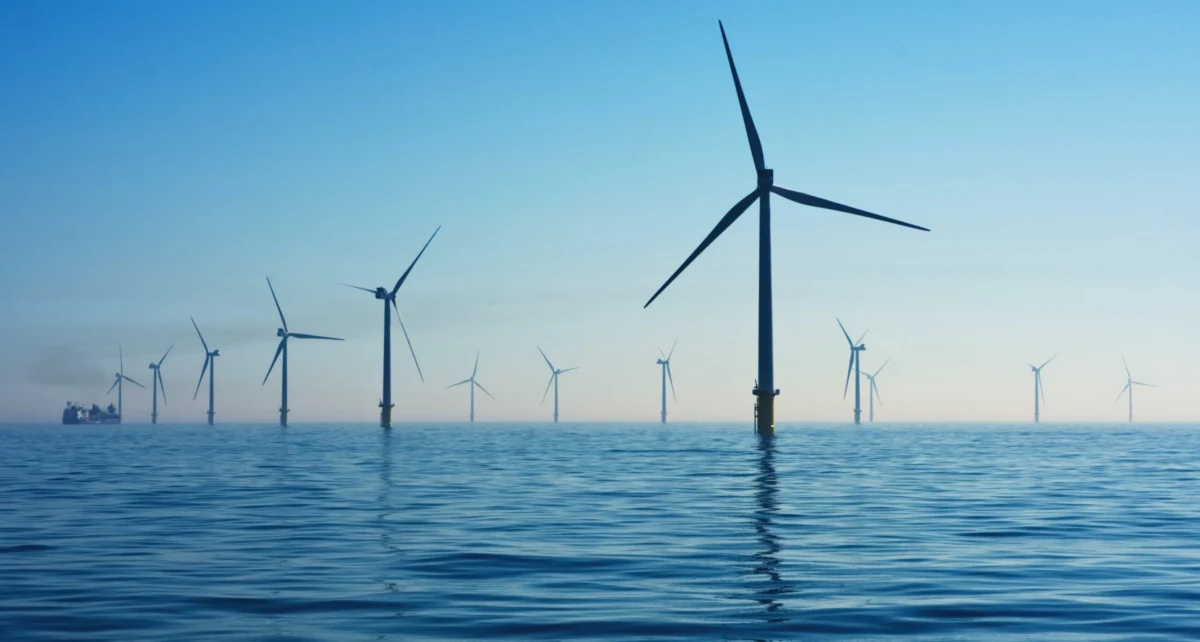
London, UK — June 25, 2026 — In a landmark development for global climate action, the World Sustainable Hospitality Alliance (WSHA) has unveiled a comprehensive feasibility study that could fundamentally reshape how the tourism sector sources its power. By validating a collaborative model for renewable energy procurement, the Alliance has provided a definitive roadmap for hospitality businesses to transition away from fossil fuels while simultaneously insulating themselves against the volatility of global energy markets.
This initiative, supported by an influential coalition including the World Travel & Tourism Council (WTTC), Accor, Radisson Hotel Group, American Express Global Business Travel (Amex GBT), STX Group, and EY, marks a departure from traditional, fragmented energy sourcing. As the industry faces mounting pressure to meet net-zero targets, this collective approach promises to turn individual sustainability goals into a unified, market-moving force.
The Core Challenge: Why Collective Action Matters
For years, the hospitality sector has struggled to reconcile rapid operational growth with the need for aggressive decarbonization. Hotels, which often operate around the clock with high energy demands for climate control, lighting, and guest amenities, have historically been tethered to local grid energy, much of which remains carbon-intensive.
Individual attempts to transition to renewable sources have frequently been thwarted by technical barriers, high entry costs, and a lack of purchasing leverage. Large-scale renewable energy projects—such as dedicated wind or solar farms—are often out of reach for individual hotel chains, particularly those with fragmented ownership models or decentralized operations.
The WSHA study confirms that these barriers are not insurmountable. By aggregating demand, the industry can achieve the necessary scale to enter into long-term Power Purchase Agreements (PPAs), negotiate more favorable pricing, and provide the financial certainty that energy developers require to bring new green projects online.
A Chronology of the Initiative
The road to this week’s announcement has been one of rigorous analysis and cross-sector collaboration.
- Q1 2025: The World Sustainable Hospitality Alliance identifies renewable energy procurement as a "high-impact" lever for achieving net-positive hospitality. Initial discussions begin with key stakeholders, including the WTTC and industry sustainability leads.
- Q3 2025: A formal coalition is established. The group defines the scope of a feasibility study, focusing on how a multi-brand, multi-region procurement model could function within the complexities of international energy law and varying national regulations.
- Q4 2025 – Q1 2026: Technical analysis is conducted by project partners, including EY and STX Group, modeling potential pricing structures, risk-sharing mechanisms, and the impact on carbon reporting.
- Q2 2026: The final report is synthesized, confirming that a collaborative procurement model is not only commercially viable but essential for future-proofing the sector.
- June 25, 2026: Official launch of the findings and a global Call to Action for the broader industry to join the inaugural implementation forum.
The Economic and Environmental Case: Supporting Data
The feasibility study goes beyond mere environmental idealism; it is grounded in the hard economics of the modern energy transition. As energy markets become increasingly susceptible to geopolitical instability and supply chain shocks, "energy security" has climbed to the top of the C-suite agenda.
Key Findings and Strategic Advantages
- Market Leverage: By pooling demand, the industry can bypass smaller, retail-level energy suppliers and engage directly with utility-scale renewable producers. This shifts the balance of power, allowing hotel groups to act as anchor tenants for new green infrastructure.
- Price Stability: Long-term, collective procurement provides a hedge against the notoriously erratic spikes in wholesale energy prices. This predictability is vital for long-term capital expenditure planning and operational budgeting.
- Scalable Decarbonization: The model provides a clear pathway for Scope 2 emission reductions. For hotel groups under pressure from investors and ESG-conscious travelers, this provides a measurable, verifiable way to report carbon progress.
- Operational Simplicity: While the legal structures of collective buying are complex, the study highlights how a centralized procurement vehicle could simplify the administrative burden for individual properties, allowing them to focus on guest experience while benefiting from a sophisticated, professionalized energy strategy.
Official Perspectives from the Coalition
The release of the study has been met with enthusiasm from the partners who helped bring the project to life, each emphasizing a different dimension of the initiative’s value.
Glenn Mandziuk, CEO of the World Sustainable Hospitality Alliance, underscored the urgency of the moment:
"Hospitality businesses are operating in a rapidly changing energy environment. This initiative is not simply about reducing emissions; it is about helping the industry secure access to renewable energy, improve long-term resilience, and manage costs. The feasibility study demonstrates that there is a credible pathway forward. The next step is bringing together organizations that want to turn that opportunity into action."
Christopher Imbsen, SVP of Advocacy & Research at the WTTC, noted the strategic necessity of the pivot:
"As demand grows and competition intensifies, energy security and cost predictability are now business-critical for hotels worldwide. This study shows that by joining forces, hospitality businesses can hedge their costs and access renewable energy with a scale and pricing power that would be out of reach individually. It is a pivotal opportunity to accelerate our decarbonization trajectory together."
Evan Konwiser, Chief Product & Strategy Officer at Amex GBT, highlighted the broader impact on the travel ecosystem:
"We are supporting the travel industry in its decarbonization journey with this initiative. We look forward to advancing this project together with our hotel partners to improve access to clean electricity, not just for individual hotels, but for the wider travel value chain."
Austin C. Wentworth, Head of North America at Strive by STX, reaffirmed his firm’s commitment to implementation:
"STX Group has served as both a trusted advisor and implementation partner. We are proud to deepen our commitment by helping turn ambitious sustainability goals into measurable, lasting outcomes."
Strategic Implications for the Future
The implications of this study are profound, reaching far beyond the hotel rooms themselves. By creating a template for collective procurement, the WSHA is effectively creating a new "green standard" for the travel industry.
1. Reaching the Supply Chain
The study specifically notes that this model is designed to be scalable across the entire travel and tourism value chain. This means that, in the future, the benefits of this renewable energy access could extend to independent accommodation providers, regional boutique brands, and even auxiliary services like conference centers and transport hubs that operate within the global hospitality network.
2. The Implementation Forum
The next phase, set for Q3 2026, will see the launch of the Hospitality Renewable Energy Implementation Forum. This will be the true "proving ground" for the study’s findings. Organizations that step forward now will be tasked with navigating the governance arrangements and legal frameworks required to turn the feasibility model into an operational reality.
3. A New Paradigm for ESG Reporting
As governments tighten reporting requirements, the ability to demonstrate a clear, direct link between a hotel’s operations and new renewable energy generation will become a competitive advantage. This initiative provides the framework for such claims, shielding participants from accusations of "greenwashing" by providing a transparent, collaborative path to genuine energy transition.
Conclusion: An Invitation to Act
The message from the World Sustainable Hospitality Alliance is clear: the era of working in silos to solve global energy issues is coming to an end. The feasibility study has provided the blueprint, the coalition has provided the momentum, and the market provides the necessity.
The transition to a net-positive future is no longer a distant aspiration; it is a logistical challenge that can be solved through cooperation. As the industry looks toward the Implementation Forum in the coming months, the focus shifts from "can we do it?" to "how quickly can we scale it?"
For those in the hospitality, energy, and finance sectors, the Call to Action issued by the WSHA represents a rare opportunity to shape the infrastructure of a more sustainable travel industry. The tools are ready, the partners are aligned, and the path is open. The question that remains is which leaders will take the next step to turn this vision into a standard for the global industry.
For more information on the feasibility study or to express interest in the upcoming Implementation Forum, stakeholders are encouraged to visit the World Sustainable Hospitality Alliance website.


 Nana

 Ammar Sabilarrohman






