Rifan Muazin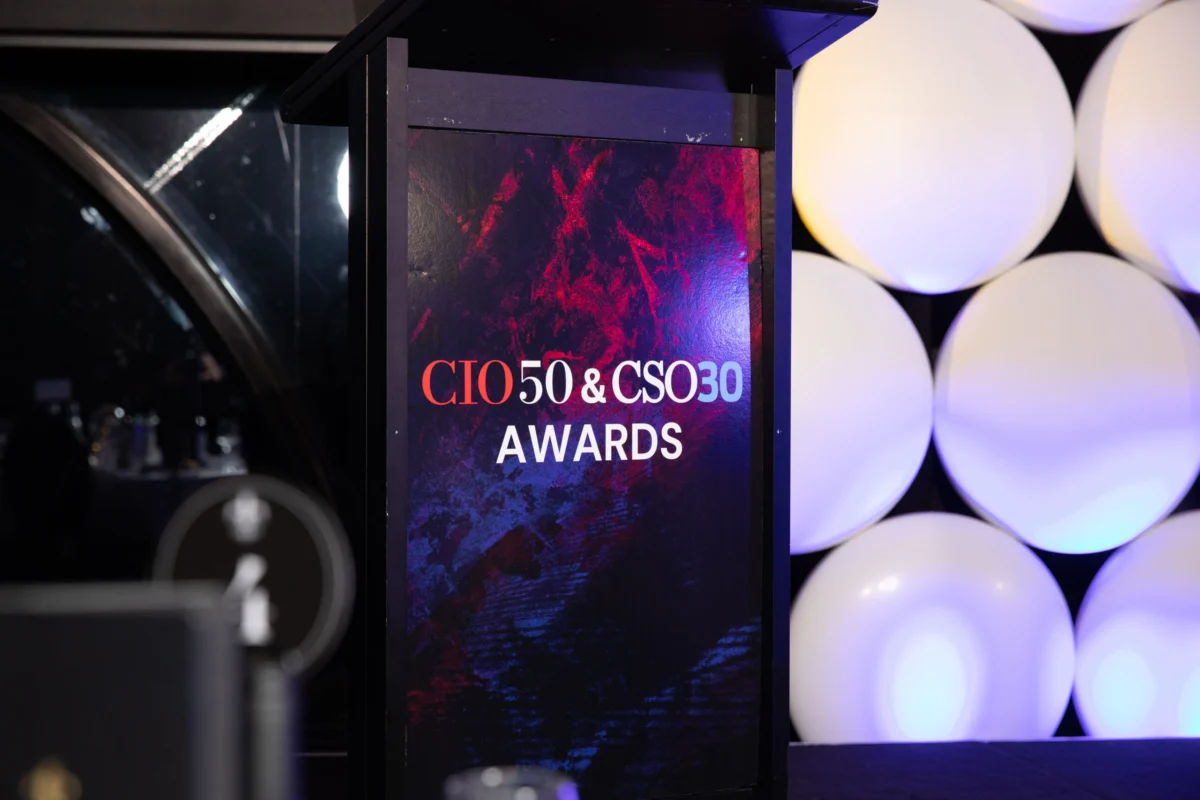
The landscape of Australian business is undergoing a seismic shift, driven by rapid advancements in artificial intelligence, a heightened focus on cybersecurity, and an urgent need for sustainable digital growth. At the heart of this evolution are the technology leaders who bridge the gap between technical infrastructure and boardroom strategy. Recognizing these pivotal figures, CIO Australia has officially opened nominations for the 11th annual CIO50 Australia Awards.
The CIO50 program has long served as the definitive benchmark for IT leadership in the region. As it enters its second decade, the awards seek to spotlight the Chief Information Officers (CIOs), Chief Digital Officers (CDOs), and senior technology executives who are not merely managing systems, but are fundamentally redefining how value is created in the modern economy.
Main Facts: A Call to Australia’s Tech Elite
The 2026 CIO50 Australia Awards represent the pinnacle of professional recognition for technology leaders. Hosted by CIO Australia, a subsidiary of Foundry (formerly IDG), the program is designed to identify the top 50 technology leaders who have demonstrated excellence across three core pillars: business insight, innovation, and leadership.
Event Logistics and Deadlines
The culmination of the nomination process will be a prestigious gala event held in Sydney on September 22. In a strategic move reflecting the convergence of technology and security, the CIO50 ceremony will be held alongside the CSO30 Awards, which recognize the country’s top cybersecurity executives.
The deadline for submissions is strictly set for Friday, June 26. Nominations are open to any senior executive with primary responsibility for their organization’s ICT vision and strategy. Crucially, the program allows for both self-nominations and nominations submitted by colleagues or industry peers, ensuring a broad and diverse pool of talent is considered.
Core Objectives
The primary objective of the CIO50 is to move beyond technical proficiency. While uptime and infrastructure stability remain foundational, the judging panel—comprised of former CIOs, industry analysts, and academic experts—prioritizes "impact." This includes how a leader has leveraged emerging technologies to drive revenue, improve customer experience, foster internal culture, or navigate the complex regulatory environment of the Australian market.
Chronology: Eleven Years of Technological Evolution
To understand the significance of the CIO50, one must look at the trajectory of the Australian IT sector over the past decade. The program’s 11-year history mirrors the changing mandate of the technology executive.
The Early Years (2015–2018): From Support to Strategy
When the CIO50 first launched in Australia, the role of the CIO was often viewed through a functional lens. Success was measured by the successful migration to the cloud or the implementation of large-scale ERP systems. The early winners were pioneers of "Agile" methodologies, fighting to move IT from the basement to the boardroom.
The Middle Years (2019–2022): Crisis and Acceleration
The global pandemic served as a crucible for technology leadership. During this period, the CIO50 recognized leaders who performed "miracles of speed"—transitioning entire workforces to remote environments in days rather than years. This era solidified the CIO as a critical partner in business continuity and resilience. It was during these years that the distinction between "digital" and "business" began to vanish.
The Modern Era (2023–Present): The AI and Data Frontier
As we approach the 2026 awards, the focus has shifted toward the ethical and productive integration of Artificial Intelligence (AI) and Machine Learning (ML). Today’s CIO50 nominees are being judged on their ability to govern data effectively while fostering an environment of rapid experimentation. The chronology of the awards shows a clear trend: the "Technical Manager" of 2015 has evolved into the "Strategic Orchestrator" of 2026.
Supporting Data: The High Stakes of Australian Tech
The importance of the CIO50 is underscored by the current state of the Australian technology sector. According to recent industry data, Australia’s digital economy is expected to contribute significantly to the national GDP over the next five years, but this growth is contingent on effective leadership.
Investment Trends
- IT Spending: Gartner forecasts that IT spending in Australia will exceed AUD $130 billion in the coming year, with a significant portion allocated to software and IT services.
- AI Adoption: A recent survey of Australian enterprises indicated that over 70% of organizations are currently piloting or deploying generative AI solutions. However, only 15% feel they have the necessary governance frameworks in place—a gap that CIO50 leaders are expected to bridge.
The Skills Gap
The Australian government’s "Digital Economy Strategy" aims for 1.2 million tech-related jobs by 2030. Currently, the industry faces a talent shortage. The leaders recognized in the CIO50 are those who have successfully implemented "talent-first" strategies, including upskilling programs and diversity initiatives, to combat this shortage.
Security and Risk
With the average cost of a data breach in Australia rising to over AUD $4 million per incident, the integration of the CIO50 with the CSO30 highlights a critical data point: 90% of successful digital transformations now list "security by design" as a top-three priority.
Official Responses: Insights from the Organizers
While the nomination process is an objective evaluation of achievements, the sentiment from the organizers at CIO Australia emphasizes the human element of technology.
In a statement regarding the opening of the 2026 nominations, the editorial team at CIO Australia noted: "The CIO50 is more than a list; it is a community. We are looking for stories of resilience. We want to see how leaders handled failure, how they empowered their teams during periods of uncertainty, and how they used technology to solve real-world Australian problems—whether in healthcare, finance, or the public sector."
Industry experts who have served on previous judging panels suggest that the most successful entries are those that quantify their success. "It isn’t enough to say you ‘implemented AI,’" says one former judge. "We want to see that the implementation resulted in a 20% reduction in churn, or a 30% increase in operational efficiency, or a measurable improvement in employee engagement."
The dual nature of this year’s event—combining the CIO50 and CSO30—also reflects an official recognition of the "converged leader." The organizers have stated that the synergy between the two programs reflects the reality of modern enterprise: you cannot have innovation without security, and you cannot have security without a deep understanding of the technology stack.
Implications: The Future of Australian Leadership
The opening of the CIO50 nominations carries significant implications for the individual leaders, their organizations, and the broader Australian business ecosystem.
For the Individual: Career Catalyst
Being named to the CIO50 list is often a career-defining moment. It provides a platform for leaders to share their insights on a national stage, increases their visibility for board-level positions, and validates their strategic vision. In an era where "personal branding" is increasingly important for executives, the CIO50 offers a gold standard of peer-reviewed excellence.
For the Organization: Attracting Talent and Investment
For companies, having a CIO50-ranked leader is a powerful recruitment tool. In a competitive labor market, top-tier tech talent wants to work for recognized innovators. Furthermore, investors and stakeholders increasingly look at "digital maturity" as a proxy for long-term viability. A CIO50 recognition serves as an external audit of a company’s technological health.
For the Industry: Setting the Standard
The collective insights from the CIO50 cohort often set the agenda for the following year. The trends identified in the winning submissions—whether it’s a shift toward "Sovereign Cloud," the adoption of "Green IT" for ESG compliance, or the use of "Digital Twins" in manufacturing—become the roadmap for other organizations to follow.
The Integration of Security and Innovation
By holding the CIO50 and CSO30 concurrently, the industry is acknowledging that the "siloed" approach to IT and security is dead. The implication for future leaders is clear: the CIO of the future must be as well-versed in threat vectors as they are in digital growth, and the CSO must understand business value as deeply as they understand encryption.
Conclusion: A Milestone for Australian Innovation
As nominations for the CIO50 Australia Awards 2026 proceed toward the June 26 deadline, the tech community is reminded of the vital role these leaders play. In a world of volatile markets and rapid technological disruption, the CIO50 provides a moment of reflection and celebration.
The September 22 gala in Sydney will not just be about trophies; it will be a gathering of the minds that are building the future of Australia. Whether through pioneering AI applications, navigating complex migrations, or building the next generation of tech talent, the nominees of the CIO50 are the architects of our digital age.
For those ready to showcase their impact, the portal is open. The journey to being recognized as one of Australia’s top 50 technology leaders begins with a single nomination—a testament to the power of technology to transform business and society alike.
For more information on the nomination process or to submit an entry, visit the official CIO50 Australia website. For inquiries regarding the 2026 program, contact the CIO Australia editorial and awards team via their official communication channels.


 Ammar Sabilarrohman
 Asro
Asro