Rifan Muazin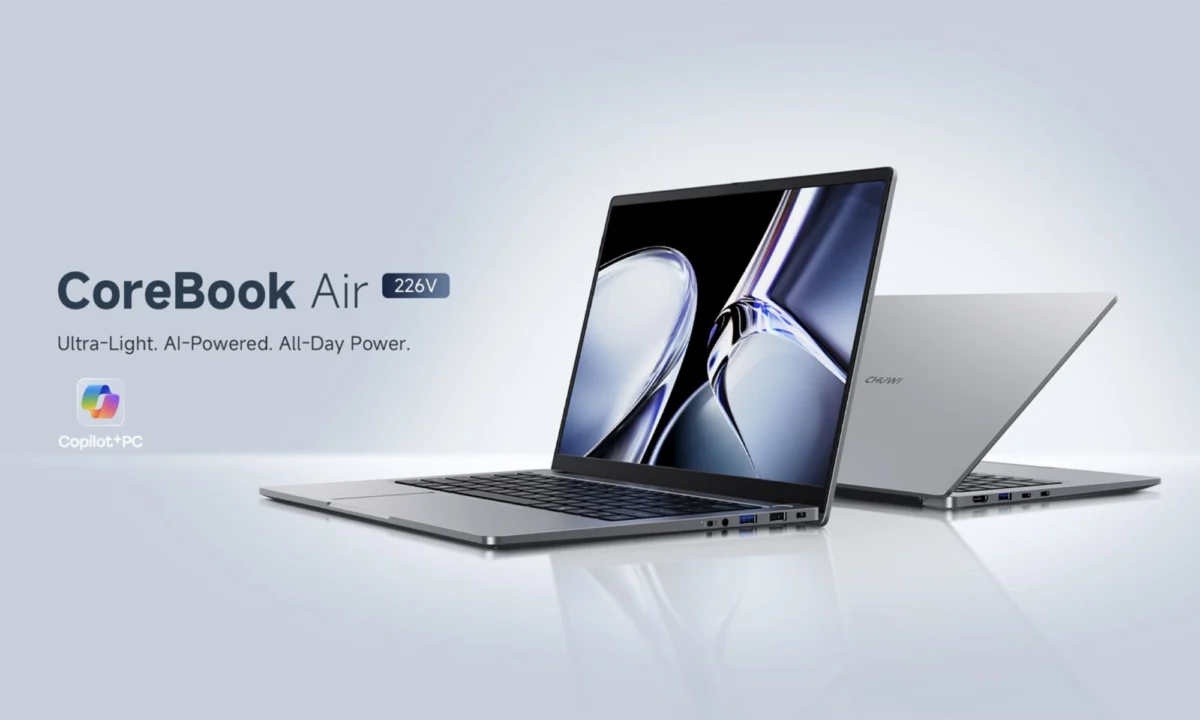
For years, the name "Chuwi" has been synonymous with the budget-conscious segment of the PC market. The brand carved out a niche by offering utilitarian, no-frills hardware at price points that made desktop computing accessible to students, casual users, and those in emerging markets. However, the tech industry is currently undergoing its most significant hardware transformation in a decade: the pivot toward AI-integrated computing.
With the launch of the new CoreBook Air 226V, Chuwi is attempting a daring repositioning. No longer content with merely filling the "affordable" void, the company is aiming for the premium "Copilot+ PC" space. By packing cutting-edge Intel Lunar Lake silicon into a sub-1kg aluminum chassis, Chuwi is asking consumers to rethink their perception of the brand. At $800, the 226V is either a genuine market disruptor or a cautionary tale about why brand heritage matters as much as a spec sheet.
The CoreBook Air 226V: Main Facts and Technical Prowess
At the heart of this machine lies the Intel Core Ultra 5 226V processor. Built on a 3nm process, this chipset is the engine room of the device, clocking up to 4.5 GHz. What makes this significant for a brand like Chuwi is the integration of the Neural Processing Unit (NPU).
The 226V delivers a total of 97 TOPS (Trillions of Operations Per Second) of AI compute power. This figure is derived from a combination of 40 TOPS from the dedicated NPU, with the remaining overhead provided by the Arc 130V GPU and the CPU itself. In practical terms, this allows the CoreBook Air 226V to handle intensive Copilot+ features natively on the device. Users can run real-time live captions, local AI assistants, advanced background blurring during video calls, and high-fidelity voice transcription without relying on cloud-based latency.
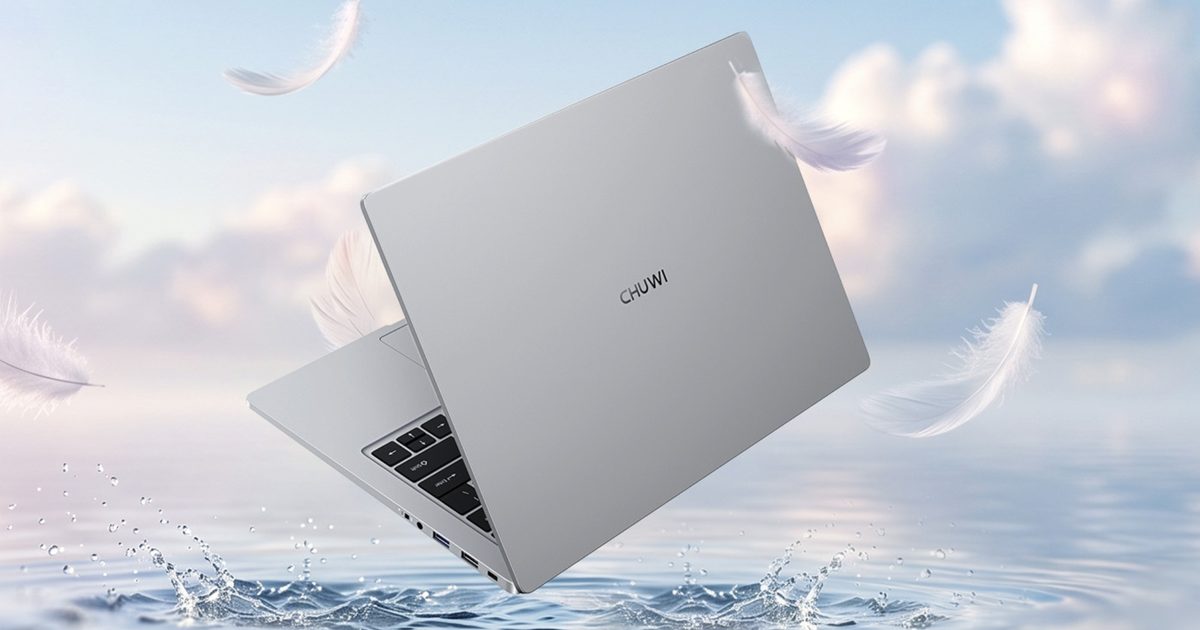
The display is equally ambitious. The 14-inch panel boasts a 2.8K resolution and a 90Hz refresh rate, with a 100% sRGB color gamut coverage, positioning it well for creative workflows. All of this is housed in an aluminum chassis weighing just under one kilogram, putting it in direct competition with premium ultra-portables that often cost double the price.
Chronology: From Budget Mainstay to AI Challenger
Chuwi’s evolution has been a slow climb. Historically, the company relied on older-generation processors and plastic-heavy builds to keep costs low.

- Early Years: Chuwi focused on entry-level tablets and 2-in-1 hybrids, often utilizing Intel Celeron chips.
- Mid-Cycle Pivot: The brand introduced the "CoreBook" series, moving toward metal unibodies and faster SSDs, gaining traction in the DIY and enthusiast tech forums for being a "bang-for-your-buck" option.
- The AI Transition (2025): As the industry shifted toward NPU-equipped laptops, Chuwi began sourcing higher-end chips, testing the waters with refreshed Ryzen 5 configurations that undercut competitors by significant margins.
- The Current Breakthrough (2026): The release of the CoreBook Air 226V marks the first time Chuwi has adopted Intel’s flagship-adjacent "Lunar Lake" architecture, signaling an end to their reliance on legacy components.
This trajectory reflects a broader trend in the Chinese OEM space, where manufacturers are increasingly bypassing the "budget" reputation by leveraging the democratized access to high-end silicon.
Supporting Data: The Price-to-Performance Paradox
To understand the gamble Chuwi is taking, one must look at the competitive landscape. $800 is an awkward price point for a newcomer to the premium segment. It is too expensive for the traditional "budget" shopper who is used to Chuwi’s $400-$500 pricing, yet it enters the "prosumer" territory where buyers are typically brand-loyal to companies like Lenovo, Dell, or Apple.
| Feature | CoreBook Air 226V | Typical Competitor (Mid-Range) |
|---|---|---|
| Processor | Intel Core Ultra 5 226V | Core Ultra 5 / Ryzen 5 (Older) |
| AI Compute | 97 TOPS | 40–50 TOPS |
| Weight | <1.0 kg | 1.2 kg – 1.4 kg |
| Display | 2.8K / 90Hz | 1080p / 60Hz |
| Price | $800 | $900 – $1,100 |
While the spec-to-price ratio is mathematically superior to almost any major OEM, the "Chuwi Tax"—or lack thereof—is precisely what worries industry analysts. Can the build quality, thermal management, and long-term driver support live up to the promise of the internal components?

Official Responses and Industry Outlook
Chuwi has maintained that the 226V is not merely a laptop, but a "platform" for the next generation of AI-native software. In press materials, the company emphasizes that their overhead is lower due to direct-to-consumer sales models, which they claim allows them to pass savings directly to the user without compromising on components.
However, industry analysts remain cautious. When asked about the 226V, hardware experts often point to "The MacBook Neo Effect." Apple’s dominance in the ultra-portable space has forced prices down across the board, but it has also established a standard of reliability that software-driven AI features cannot replicate.
"The silicon is only one piece of the puzzle," says a prominent industry consultant. "Chuwi is using the same Intel chip as the big players. The question is: when the firmware needs an update, or when the hinge starts to loosen after six months, who is the customer going to call? That is where the $800 price tag is tested."

Implications: The Future of the "Value" Laptop
The CoreBook Air 226V is a litmus test for the PC market. If successful, it could force established players to reconsider their profit margins on premium laptops. If it fails due to quality control or lack of software optimization, it may reinforce the stigma that "budget" brands cannot compete in the AI era.
1. The Death of the "Cheap" Feel
The 226V proves that lightweight, premium-feeling aluminum chassis are no longer exclusive to the $1,500 price bracket. This will likely put downward pressure on the entry-level offerings of Dell’s XPS or Lenovo’s Yoga lines.
2. The AI Divide
With 97 TOPS of compute power, the 226V is "future-proofed" for at least the next three years of Windows AI updates. This creates an interesting dynamic where a cheaper, lesser-known brand offers more AI headroom than some of the "Pro" laptops currently sitting on store shelves.

3. The Trust Factor
The most significant implication is the shift in consumer psychology. Can a company that built its name on $300 laptops convince a professional to rely on their device for high-stakes, AI-driven work? The hardware is there, but the brand prestige is not.
Conclusion
The Chuwi CoreBook Air 226V is an aggressive, impressive, and deeply fascinating piece of hardware. It is a bold statement that the era of paying a premium solely for a logo on the lid may be drawing to a close. Yet, for all its technical brilliance, it serves as a reminder that the PC market is built on more than just numbers on a spec sheet. It is built on trust, support, and the confidence that a machine will function flawlessly when the deadline hits.
Chuwi has delivered the specs. Now, they must deliver the experience. Whether the 226V becomes a classic of the new AI age or a forgotten footnote depends entirely on how it holds up once it leaves the lab and enters the chaotic, demanding lives of real-world users. For now, it remains the most interesting gamble of the year—a device that invites you to look at the internals, ignore the brand, and decide for yourself if $800 is the new floor for premium computing.

 Ammar Sabilarrohman
 Asro
Asro