Laily UPN
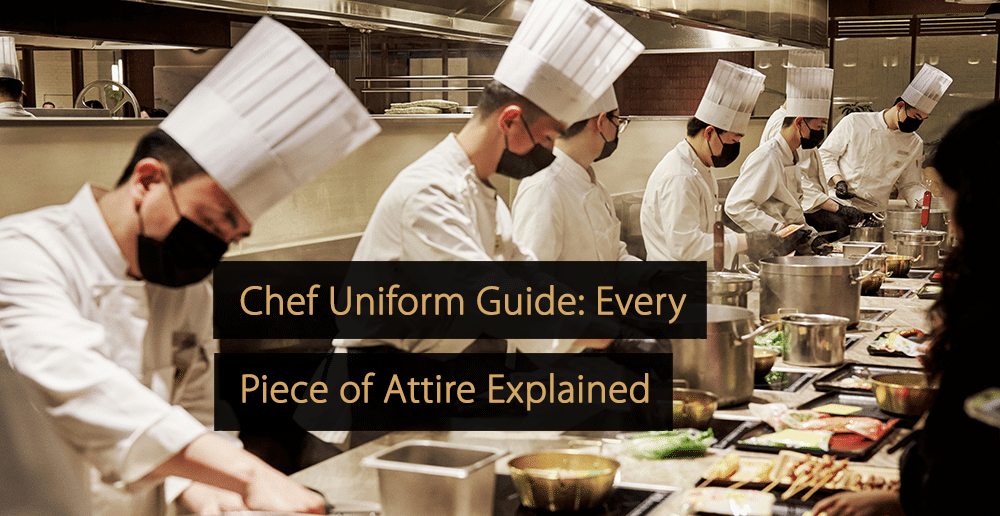
Every element of a professional chef’s uniform exists for a reason. Far from being a relic of aesthetic tradition, the iconic whites, double-breasted jackets, and checkered trousers are the result of centuries of refinement within the crucible of the commercial kitchen. In an environment defined by extreme heat, razor-sharp blades, high-velocity spills, and rigorous health regulations, the chef’s uniform serves as the first line of defense.
For restaurant operators, hotel F&B managers, and executive chefs, understanding the engineering behind these garments is essential. It is not merely about looking the part; it is about outfitting a team for peak performance, safety, and hygiene.
The Evolution and Functionality of the Kitchen Brigade
The history of the chef’s uniform is inextricably linked to the "Brigade de Cuisine," a system established by Auguste Escoffier in the 19th century. Escoffier sought to bring military-style discipline and efficiency to the kitchen. The uniform was designed to signify hierarchy, maintain sterile conditions, and protect the wearer from the occupational hazards of the era.
While the modern kitchen has adopted new fabrics and technologies, the core requirements remain unchanged. The uniform must mitigate the "Big Three" risks: heat, contamination, and physical injury.
Chronology of the Modern Uniform
- 1800s: The adoption of the Toque Blanche and double-breasted jacket becomes standard, popularized by Marie-Antoine Carême.
- 1950s–1980s: The introduction of synthetic blends and easier-to-clean fabrics begins to replace heavy, starch-laden cotton.
- 2000s–Present: A shift toward ergonomic designs, breathable mesh panels, and brand-aligned customization emerges as open-kitchen concepts become a hallmark of fine dining.
The Chef Jacket: A Shield of Fabric
The chef jacket is the most recognizable component of the uniform, and its design is a masterclass in protective engineering.
Why Double-Breasted?
The double-breasted front panel is not a stylistic choice; it provides two layers of fabric across the chest and stomach—the areas most vulnerable to steam, boiling oil, and oven heat. In the event of a spill, the chef can quickly reverse the outer panel to present a clean, unsoiled front, allowing them to step into a front-of-house setting without compromising the restaurant’s professional image. Furthermore, fabric-knotted buttons are used instead of plastic, as they are heat-resistant and will not crack or melt under the high temperatures of a commercial dishwasher or industrial dryer.
Fabric Composition and Thermal Regulation
Modern jackets often utilize a blend of cotton and polyester. Pure cotton offers superior breathability and heat resistance, but cotton-polyester blends are increasingly preferred for their ability to withstand the rigors of commercial laundering without shrinking or losing color. When sourcing, look for reinforced stitching at stress points—underarms, cuffs, and the collar—as these are the zones where inferior garments inevitably fail.
The Chef Apron: The First Line of Defense
The apron functions as a sacrificial layer. While the jacket protects the body, the apron intercepts the majority of the day-to-day mess.
Bib vs. Waist: Selecting for Service
- Bib Aprons: Offering full-torso coverage, these are essential for line cooks and prep staff. The critical safety feature here is the ability to remove the apron in seconds. If a pot of boiling stock spills, the ability to "peel off" the outer layer can be the difference between a minor incident and a severe burn.
- Waist Aprons: Often used in service or lighter prep roles, these prioritize ease of movement and presentation. They provide essential protection for the legs and hips but should not be used in high-heat or high-risk cooking environments.
Chef Pants: Movement and Stain Management
Chefs spend their shifts in a state of constant motion. Trousers must be loose-fitting to facilitate crouching, reaching, and fast-paced maneuvers between stations.
The Logic of the Checkered Pattern
The traditional houndstooth or checkered pattern is a functional design choice. In a busy kitchen, small splashes, flour dust, and oil droplets are inevitable. Solid white or black pants highlight these imperfections immediately; patterns, conversely, camouflage minor stains, allowing a chef to maintain a professional appearance throughout a grueling 12-hour shift.
The Hierarchy of the Headwear
The chef’s hat is often misunderstood as a purely ceremonial item, but it is a legal requirement in nearly every food safety framework.
From Toque Blanche to Skull Cap
The Toque Blanche (the tall, pleated white hat) was designed to promote airflow at the crown and keep hair away from food. Traditionally, the height and number of pleats signified rank within the brigade. In modern, high-volume kitchens, the toque has largely been replaced by more practical alternatives:

- Skull Caps and Beanies: These fit close to the head, ensuring there is no loose fabric to snag on equipment.
- Mesh-Top Alternatives: These allow for ventilation, which is crucial in kitchens where temperatures regularly exceed 40°C (104°F).
Footwear: The Foundation of Kitchen Safety
Slip-and-fall incidents are the leading cause of worker injury in the hospitality industry. A standard uniform is incomplete without purpose-built non-slip footwear.
Technical Specifications
The ideal kitchen shoe must provide:
- High-Traction Outsoles: Specifically rated for grease and water resistance.
- Reinforced Toecaps: To protect against dropped knives or heavy pans.
- Slip-on Architecture: In the event of a spill involving boiling liquids, the ability to kick off a shoe instantly is a vital safety protocol.
- Ergonomic Support: Given that chefs spend up to 12 hours on their feet, professional-grade insoles are not a luxury—they are a medical necessity to prevent long-term joint and back issues.
Customization: Branding Meets Function
In the contemporary hospitality landscape, the uniform is a brand touchpoint. As open kitchens become more prevalent, the appearance of the culinary team directly influences the guest’s perception of quality.
Strategic Customization
Customization—whether through embroidered logos, specific color palettes, or tailored fits—serves to unify the team. However, operators must balance aesthetics with durability.
- Embroidery Integrity: Logos must be stitched with high-tensile threads that can survive hundreds of industrial wash cycles.
- Color Fastness: When selecting branded colors, ensure the fabric is dyed using processes that resist fading from bleach and high-heat detergents.
Best Practice for Managers: Before committing to a bulk order, request a "wear test." Have a member of your team wear the garment through five full shifts and five commercial wash cycles. This will reveal any issues with stitching, fabric pilling, or comfort long before you have committed your budget to a fleet of uniforms.
Implications for Operations and ROI
Investing in high-quality uniforms is a financial decision as much as a cultural one. A well-outfitted team is more productive, safer, and less likely to suffer from work-related injuries.

Key Decision Factors for Procurement
- Safety Compliance: Does the gear meet local health and safety standards for the specific environment?
- Wash Durability: Can the fabric withstand industrial cleaning cycles?
- Comfort and Ergonomics: Will the staff be able to move freely and stay cool during peak service?
- Brand Alignment: Does the uniform accurately reflect the restaurant’s identity and level of service?
Conclusion: The Professional Standard
Every component of the professional chef’s uniform exists to address a specific risk. The jacket acts as thermal armor; the apron serves as a shield against the chaotic nature of prep; the pants provide the mobility needed to execute precise culinary tasks; and the shoes ensure the team remains upright and safe.
For the modern operator, the goal is to view the uniform not as an expense, but as an investment in the human capital of the kitchen. By choosing equipment that respects both the history of the craft and the demands of modern food science, you ensure that your team is protected, professional, and ready to perform.
In a world where margins are thin and the pressure of service is constant, a well-engineered uniform is the foundation upon which great culinary experiences are built.
Revfine.com provides industry-leading insights into the hospitality and travel sectors. For more expert advice on operational management, marketing, and revenue strategies, visit our dedicated hospitality and operations categories.


 Pevita Pearce
 Reynand Wu