Reynand Wu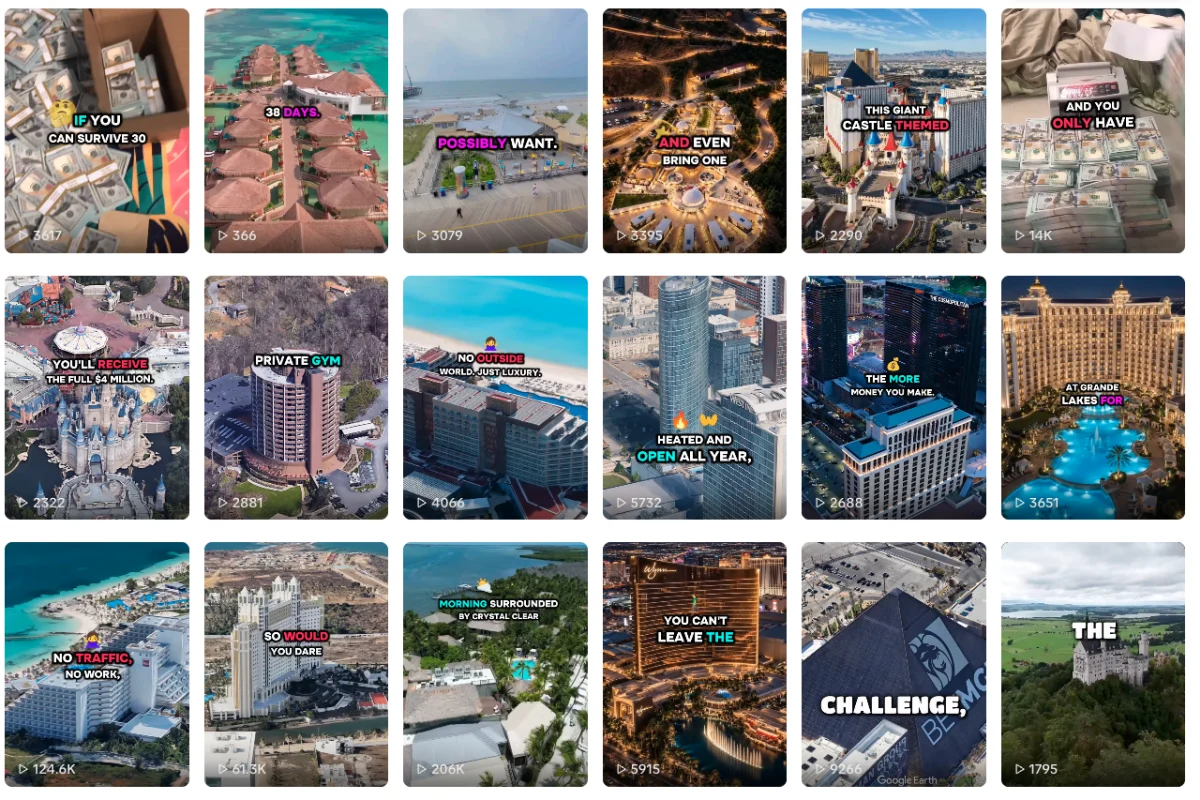
SEDONA, AZ – In an alarming demonstration of how rapidly digital misinformation can impact real-world businesses, Ambiente Sedona, an acclaimed luxury resort, has found itself at the center of a sophisticated social media hoax. A fabricated "hotel challenge" promising fortunes to guests who complete a month-long stay without leaving the property has gone viral, leading to a flurry of confused inquiries and significant operational disruption for the high-end establishment. This incident underscores a growing vulnerability for the hospitality industry in an era dominated by viral content and increasingly sophisticated online deception.
The challenge, which has gained traction primarily on platforms like TikTok, suggests an enticing, almost too-good-to-be-true proposition: stay for 30 consecutive days within the confines of the luxury resort, and walk away with a payout potentially in the thousands, or even millions, of dollars. For the unsuspecting public, it presents an irresistible fantasy of easy money coupled with a lavish retreat. For Ambiente Sedona, however, it has become a tangible headache, exposing the dark underbelly of viral internet culture.
Jennifer May, the owner of Ambiente Sedona, is no stranger to the perils of digital falsehoods. She previously spoke out against AI-generated videos that inaccurately depicted her property, a clear precursor to the current predicament. The re-emergence of misleading content, this time a direct attempt to exploit her resort’s reputation, highlights a troubling trend where businesses, especially those in the luxury sector, become unwitting targets in the vast and often unregulated landscape of social media.
Main Facts: The Viral Deception Targeting Luxury Hospitality
Ambiente Sedona, renowned for its stunning architecture and immersive natural surroundings, positions itself as a sanctuary for discerning travelers. It is a place where tranquility and bespoke experiences are paramount, not a venue for speculative viral stunts. The resort’s identity as a beacon of luxury and exclusivity makes it an attractive, albeit unfortunate, backdrop for such an audacious fabrication.
The "hotel challenge" itself is a masterclass in digital allure. It taps into widespread desires for wealth and escapism, offering a seemingly effortless path to both. The concept is simple: immerse oneself completely in the lap of luxury for an extended period, adhering to a strict no-departure rule, and be rewarded handsomely. The specific figures cited for the prize money, ranging from "thousands of dollars" to "millions," are designed to amplify the perceived stakes and appeal, making the challenge seem tantalizingly real to a broad audience.
The immediate impact on Ambiente Sedona was swift and disruptive. Front desk staff, accustomed to fielding inquiries about reservations, amenities, and local attractions, were suddenly confronted with calls about a promotion that simply did not exist. Each call required time and explanation, diverting resources and attention from genuine guest services. This administrative burden, though seemingly minor on an individual basis, quickly accumulated, signaling a deeper problem that required immediate attention.
Jennifer May’s prior experience with AI-generated misinformation gave her a heightened sense of urgency and recognition when the new wave of misleading videos surfaced. This prior exposure, while frustrating, perhaps prepared her to identify and address the issue more proactively, understanding the speed and scale at which such digital falsehoods can propagate and inflict damage. Her resort, once again, found itself grappling with an attack not on its physical premises, but on its digital integrity and public perception.
A Disturbing Chronology of Misinformation
The unfolding of this particular hoax at Ambiente Sedona followed a pattern that is becoming increasingly familiar in the age of viral internet content: a slow burn of initial inquiries that rapidly escalates into a significant operational challenge.
The Initial Calls and Emails
The first sign of trouble emerged in early October. A call reached the Ambiente Sedona front desk, inquiring about a challenge allegedly spotted on social media – the one promising a substantial payout for a month-long, uninterrupted stay. The front desk worker, undoubtedly puzzled, explained that no such promotion existed. It was dismissed as an isolated incident, perhaps a misunderstanding or a prank call.
However, the calls did not stop. Soon after, another inquiry arrived, echoing the same bizarre premise. The initial dismissal gave way to concern. The situation escalated dramatically with an email from a luxury travel agent based in South Korea. This agent, representing "several" U.S. clients, expressed serious interest in enrolling them in the supposed challenge. The involvement of a professional travel agent, albeit an unwitting one, signaled that the hoax had transcended casual social media browsing and was now influencing travel plans and professional networks.
"Over one weekend, we had four different people call our front desk asking about this particular challenge," property owner Jennifer May recounted, emphasizing the rapid acceleration of inquiries. This clustering of calls over a short period indicated that the misleading content had hit a viral threshold, spreading quickly and effectively across various social media feeds and online communities. The cumulative effect of these inquiries began to strain the resort’s operational capacity, forcing staff to repeatedly address a fictional promotion instead of focusing on actual guest needs.
Discovery and Previous Precedents
It was Jennifer May herself who discovered the source of the confusion: another round of misleading videos proliferating on social media, specifically identified as being hosted on TikTok through a screenshot. These videos, racking up views and engagement, were explicitly promoting the non-existent "hotel challenge," using the Ambiente Sedona as its focal point.
This was not an isolated incident for May or her property. Her previous struggles with AI-generated videos inaccurately depicting Ambiente Sedona had already highlighted the vulnerability of businesses to digital manipulation. Those earlier videos, though different in nature, shared a common thread: the misuse of the resort’s image and brand for content that was fundamentally false. The current "hotel challenge" represents an evolution of this problem, moving from mere misrepresentation to an active scam that directly impacts operations and public perception.
The pattern suggests a deliberate, or at least highly effective, targeting strategy. Whether the creators of these hoaxes intentionally choose luxury properties like Ambiente Sedona for their prestige and aspirational appeal, or if these properties simply become unwitting victims of algorithms pushing engaging (even if false) content, the outcome is the same: reputational risk and operational burden.
The Spreading Digital Wildfire
The speed at which such content goes viral on platforms like TikTok is a critical factor. Short-form video, often accompanied by trending audio and hashtags, is designed for rapid consumption and sharing. A captivating, albeit false, narrative like the "hotel challenge" can quickly transcend geographical boundaries and demographic filters, reaching millions of users in a matter of hours or days. The gamified nature of these platforms, where engagement metrics like likes, shares, and comments drive visibility, inadvertently fuels the spread of sensational content, irrespective of its veracity. Once a video gains initial traction, algorithms often amplify its reach, creating a feedback loop that makes it incredibly difficult to contain or debunk.
Supporting Data: The Broader Landscape of Digital Deception
The incident at Ambiente Sedona is not an anomaly but a symptom of a much larger, more complex problem: the pervasive threat of online hoaxes and misinformation in the digital age.
The Pervasive Threat of Online Hoaxes
Online challenges and hoaxes have become a ubiquitous feature of the internet landscape. From harmless pranks to dangerous stunts and elaborate scams, their variety is immense. What distinguishes the Ambiente Sedona case is its direct impact on a legitimate business, turning a fictional scenario into a real-world operational challenge. Research consistently shows a significant increase in online scams and misinformation campaigns, often leveraging current events, popular trends, or aspirational themes to ensnare unsuspecting victims. The hospitality sector, with its public-facing nature and reliance on brand image, is particularly susceptible to these kinds of attacks.
The Role of AI and Synthesized Media
Jennifer May’s previous encounter with AI-generated videos provides crucial context. The rapid advancements in artificial intelligence, particularly in areas like deepfakes and generative media, have made it easier than ever to create highly convincing but entirely fabricated content. Images can be manipulated, videos can be synthesized, and even voices can be cloned to create narratives that appear authentic. While the current "hotel challenge" might not directly involve deepfake video, the general environment of easily created false content lowers the public’s guard and makes them more susceptible to believing seemingly legitimate-looking digital promotions. This erosion of trust in digital media is a significant challenge for businesses trying to communicate genuine offers.
Economic and Reputational Costs for Businesses
The costs associated with such hoaxes extend far beyond the immediate inconvenience. For Ambiente Sedona, the staff time spent fielding calls about a non-existent challenge represents a direct financial drain. Every minute spent on a hoax call is a minute not spent on a paying guest or essential operational task. More critically, there’s the potential damage to brand reputation. Confusion among prospective guests, even if ultimately resolved, can sow seeds of doubt. What if a guest arrives expecting a promotion that doesn’t exist? The resulting disappointment could lead to negative reviews, harming the resort’s carefully cultivated image and potentially impacting future bookings. In an industry where reputation is paramount, even a seemingly innocuous hoax can have long-lasting economic repercussions.
The Psychology of Viral Content
Understanding why such challenges go viral requires delving into human psychology. The allure of "easy money" combined with the fantasy of a luxurious, month-long retreat taps into fundamental human desires for wish fulfillment and escape. Social media platforms, with their emphasis on novelty and shareability, create an environment where sensational content, regardless of its truthfulness, thrives. Users are often more likely to share content that evokes strong emotions (excitement, surprise, disbelief) without thoroughly verifying its authenticity. This phenomenon is exacerbated by confirmation bias, where individuals are more likely to believe information that aligns with their existing desires or worldview. The "gamification" aspect of the challenge – the idea of "winning" a stay – further contributes to its virality, transforming a passive viewing experience into an interactive fantasy.
Social Media’s Misinformation Challenge
Data consistently shows that false information tends to spread faster and wider than true information on social media platforms. Studies have indicated that misinformation can reach 1,500 people six times faster than truthful news. Platforms like TikTok, with their global reach and algorithmic amplification, face an immense challenge in moderating the vast volume of content uploaded daily. While these platforms have policies against scams and misinformation, their enforcement can be inconsistent, and the sheer scale of content makes it difficult to catch every instance. The "report" function, while available, often proves insufficient against a rapidly spreading viral wave, leaving businesses like Ambiente Sedona to fight an uphill battle.
Official Responses and Industry Vigilance
The response to such digital attacks requires a multi-faceted approach, involving the targeted business, the platforms hosting the content, and broader industry efforts.
Ambiente Sedona’s Proactive Stance
Ambiente Sedona’s immediate response has been crucial. By training its front desk staff to recognize and correctly address inquiries about the fake challenge, the resort has minimized confusion and maintained a consistent message. This internal communication strategy is vital in preventing staff from inadvertently legitimizing the hoax or providing inconsistent information. Furthermore, Jennifer May’s decision to speak out, as she has done previously, demonstrates a commitment to transparency and a proactive approach to protecting her brand. The resort’s next steps will likely involve formal reports to TikTok and other relevant platforms, requesting the removal of the misleading videos. Public statements, if issued, would also serve to directly debunk the challenge for a wider audience.
Social Media Platforms’ Accountability
The onus also falls heavily on social media platforms like TikTok. Their content policies typically prohibit scams, fraudulent activities, and misinformation that causes harm. However, the effectiveness of these policies is constantly under scrutiny. While platforms invest in AI moderation tools and human content reviewers, the sheer volume of user-generated content often overwhelms these efforts. The incident at Ambiente Sedona highlights the need for platforms to not only have robust policies but also to implement them with greater speed and efficacy, especially when real-world businesses are being harmed. This includes improving their reporting mechanisms, accelerating content removal processes for clear hoaxes, and potentially implementing proactive monitoring for trending scams.
Expert Perspectives on Digital Security and Reputation Management
Experts in digital marketing and cybersecurity consistently advise businesses to adopt a vigilant stance in the digital realm. "Businesses today must assume they are operating in a constantly scrutinized environment," says Dr. Emily Chen, a digital reputation management consultant. "Proactive social listening, rapid response protocols, and clear, consistent communication are no longer optional, especially for luxury brands where reputation is paramount." Cybersecurity experts also point to the need for businesses to educate their staff on identifying online scams and to have a crisis communication plan ready. The hospitality industry, in particular, should consider industry-wide initiatives to share intelligence on emerging digital threats.
Legal Avenues and Challenges
Pursuing legal action against the creators of such hoaxes can be incredibly challenging. The anonymity afforded by the internet, the global nature of content creation and dissemination, and the complexities of jurisdictional laws make it difficult to identify and prosecute individuals responsible for spreading misinformation. Furthermore, legal action against the platforms themselves for facilitating such content is often a protracted and expensive battle, frequently limited by "safe harbor" provisions that shield platforms from liability for user-generated content. This legal landscape often leaves targeted businesses in a difficult position, primarily reliant on platform cooperation and their own proactive measures.
Far-Reaching Implications for Industry and Consumers
The Ambiente Sedona incident is a microcosm of broader challenges facing both the hospitality industry and the general public in an increasingly digital and often deceptive world.
The Future of Hospitality Marketing and Crisis Management
For the hospitality industry, this incident signals a new frontier in marketing and crisis management. Resorts and hotels must now integrate robust online monitoring into their operational frameworks, actively searching for mentions, reviews, and importantly, misrepresentations of their brand across all major social media platforms. Rapid response strategies are no longer just about addressing customer complaints but about swiftly debunking hoaxes and misinformation before they gain uncontrollable momentum. This includes having clear lines of communication with social media platforms and potentially engaging in proactive educational campaigns for their audience. The industry must adapt to a reality where its digital image is as vulnerable as its physical assets.
The Erosion of Trust and Media Literacy
For consumers, the proliferation of such hoaxes contributes to a broader erosion of trust in online information. When even seemingly legitimate-looking promotions can turn out to be elaborate fictions, the public becomes more skeptical, making it harder for genuine businesses to connect with their audience. This highlights the critical need for enhanced media literacy education. Consumers must be equipped with the skills to critically evaluate online content, verify sources, and recognize red flags (like offers that are "too good to be true"). The ability to discern fact from fiction online is no longer a niche skill but a fundamental requirement for navigating modern society.
Redefining Platform Responsibility
The incident also reignites the ongoing debate about the ethical and legal responsibilities of social media companies. Are they merely neutral platforms, or do they bear a greater burden for the content that thrives within their ecosystems, especially when that content directly harms individuals or businesses? As these platforms become increasingly integral to global communication and commerce, there is growing pressure for them to take more aggressive steps in content moderation, transparency, and accountability for the societal impacts of misinformation. This includes investing more in human moderation, improving AI detection, and potentially revising their liability frameworks.
A Call for Collective Action
Ultimately, combating digital misinformation is not a task for any single entity. It requires a concerted, collaborative effort. Businesses need to be vigilant and proactive; social media platforms need to be more responsible and responsive; governments need to consider effective regulatory frameworks that balance free speech with protection against harm; and individual users need to cultivate a discerning eye for online content. The Ambiente Sedona hoax serves as a stark reminder that in our hyper-connected world, the lines between the digital and physical realms are increasingly blurred, and the consequences of online deception are very real. Without collective action, the digital landscape risks becoming an increasingly treacherous space for both businesses and consumers alike.


 Jia Lissa
 Neng Nana