
 Rifan Muazin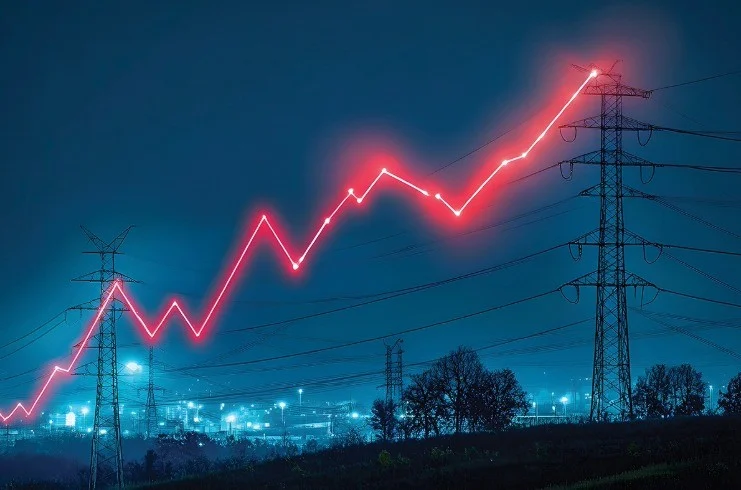
Three months into 2026, the hospitality industry has reached an uncomfortable inflection point. The era of viewing utility expenses as "background noise"—predictable line items to be managed at the margins—has effectively ended. For hotel owners and operators, the operating environment is signaling a seismic shift: the cost of running a hotel has become structurally more expensive. This is not a cyclical fluctuation or a temporary inflationary spike; it is a fundamental reconfiguration of the cost of business.
As two critical forces—energy and water costs—converge on the profit and loss (P&L) statement, the industry is finding that neither trend shows signs of reversing. To remain profitable, the hospitality sector must transition from passive consumption to active, data-driven resource intelligence.
The Hidden Tax: Energy as a Core Operating Burden
The primary driver of the current energy crisis is a phenomenon few anticipated a decade ago: the AI-driven infrastructure boom. While the public focuses on the software capabilities of artificial intelligence, the physical reality of the AI revolution is an insatiable demand for electricity.
The AI Infrastructure Squeeze
Data centers are proliferating across the United States at a pace that existing power grids were never designed to accommodate. Utilities are currently scrambling to keep up, pouring billions into transmission upgrades, grid hardening, and new generation capacity. These multi-billion-dollar investments are not being absorbed by shareholders; they are being passed directly to the commercial consumer. For hotels, this translates into a "hidden tax" on every kilowatt-hour consumed.
The California Preview
The situation in California serves as a harbinger for the rest of the nation. Pacific Gas & Electric (PG&E) electricity rates have surged roughly 61 percent since 2020. Current forecasts suggest an additional 30 percent hike by 2030. Industry experts warn that this is not a localized California anomaly; it is a structural preview of what is coming to every major market in the U.S.
For hotel operators, this shift necessitates a complete overhaul of how they view energy. What was once considered a minor overhead cost is now frequently one of the top three operating expenses on a property’s balance sheet. The strategy of "optimizing around the edges" is no longer a viable path to profitability. Energy management has officially migrated from the maintenance department to the boardroom as a core operational discipline.
Water: The Invisible Game Changer
If energy is the visible, rising cost that keeps operators awake at night, water is the silent threat that often catches them completely off guard.
The Scarcity Crisis
The hydrological trends of 2026 are sobering. The snowpack that typically feeds Western reservoirs failed to materialize at expected levels this past winter, and groundwater supplies across several key states remain under extreme, long-term pressure. More concerningly, water-stressed conditions are no longer confined to the arid Southwest; they are spreading into regions that, until recently, were considered water-secure.
The Math of Consumption
To understand the financial exposure, one must look at the volume. The average hotel consumes approximately 400 gallons of water per room per day, accounting for the full spectrum of operations: guest use, commercial laundry, kitchens, landscaping, and mechanical cooling systems.
For a mid-sized 200-room property, this equates to more than 80,000 gallons of water per day. Historically, this volume was manageable because water was abundant, cheap, and subject to minimal regulation. Today, all three of those conditions are eroding simultaneously. As municipalities implement tiered pricing, surcharges, and usage quotas, the cost of water is climbing, and the threat of service interruption is becoming a legitimate business risk.
Operational Inefficiency: The Silent Leak
While energy and water bills are the most visible symptoms of the current crisis, there is a third, perhaps more insidious, factor: operational waste.
The Food Waste Drain
For properties with active Food & Beverage operations, waste is a significant, often overlooked, profit leak. Industry data suggests that food waste can account for up to $40,000 in annual losses for a single property. This is typically driven by outdated procurement habits, rigid forecasting models that fail to account for modern occupancy fluctuations, and rampant overproduction in kitchens.
The Electricity "Ghost" Load
Energy waste follows an eerily similar pattern. Studies consistently show that 40 percent to 60 percent of electricity consumed in commercial buildings is essentially "ghost energy"—unnecessary power draw. This includes HVAC systems running at full capacity in unoccupied guestrooms, lighting grids that operate on fixed timers rather than occupancy sensors, and back-of-house equipment running 24/7 despite operational demand cycles.
A New Philosophy: The "Resource-Smart" Hotel
To survive this era of structural cost increases, the hospitality industry requires a new operating philosophy. The properties that will thrive in the latter half of the 2020s are those that move beyond simple sustainability metrics and embrace "resource intelligence."
The Systems-Level Approach
Resource-smart hotels are those that treat every utility as a variable, controllable input. By implementing a systems-level approach, operators are discovering that modest, incremental improvements across departments—from laundry cycle optimization to smart irrigation and automated leak detection—can collectively deliver massive reductions in operating expenses.
Efficiency is no longer just an environmental goal; it is a form of operational resilience. By reducing reliance on the grid and lowering water consumption, hotels insulate themselves against the volatility of utility markets and the inevitable price hikes that are coming down the pipeline.
Implications for the Future of Hospitality
The macro-forces reshaping resource demand are not decelerating. The massive infrastructure build-out for AI is still in its infancy; grid investment cycles are measured in decades; and water tables are not recovering.
The Competitive Advantage
In this environment, the "next generation" of successful hotels will not necessarily be the ones with the most opulent lobbies or the fastest internet. They will be the ones that have mastered the art of resource efficiency.
Operators who choose to act now will secure a structural cost advantage that their competitors will find impossible to replicate in three to five years. While laggards are forced to pass rising utility costs onto guests—potentially hurting occupancy—resource-smart operators will be able to maintain competitive pricing while protecting their margins.
Conclusion: A Present Decision
The current crisis is not a future problem to be solved by the next management team. It is a present-day reality that dictates the viability of the current asset. The decision to invest in real-time monitoring, AI-driven utility management, and efficiency-first procurement is no longer a "sustainability initiative." It is a fundamental requirement of modern hotel ownership.
As we move through 2026, the signal is clear: the hotel of the future is not just a place of comfort—it is a marvel of resource intelligence. Those who ignore this shift are betting against the math, and in the high-stakes world of hospitality, the math is rarely wrong.


 Nila Kartika Wati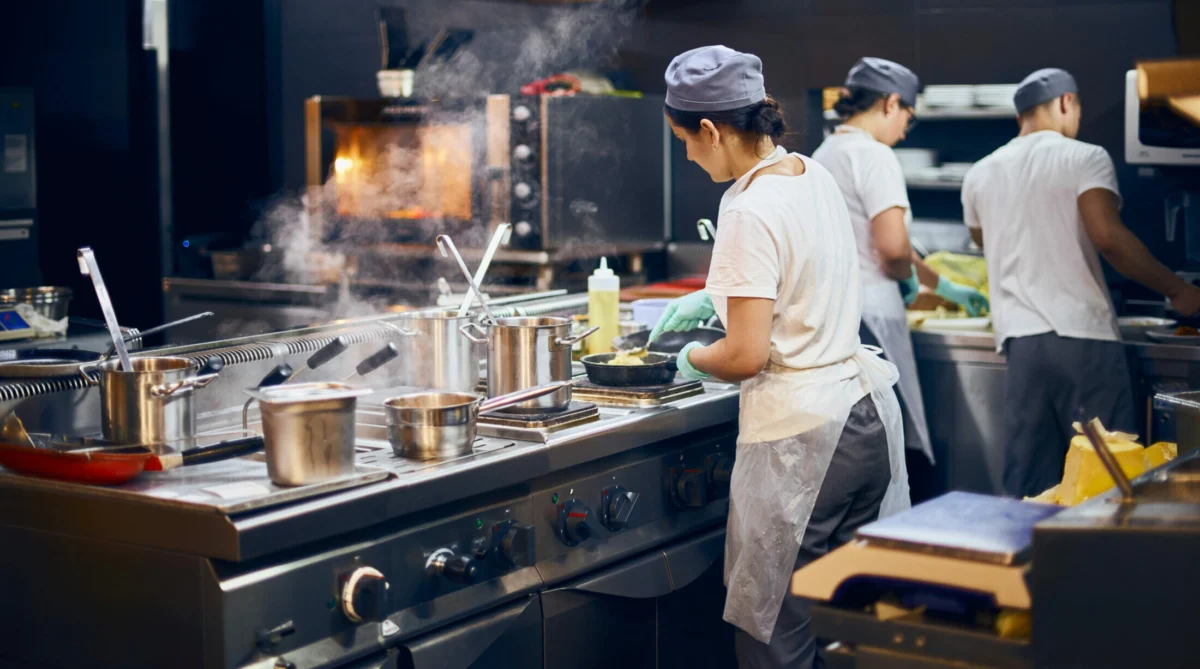
 Basiran





