Laily UPN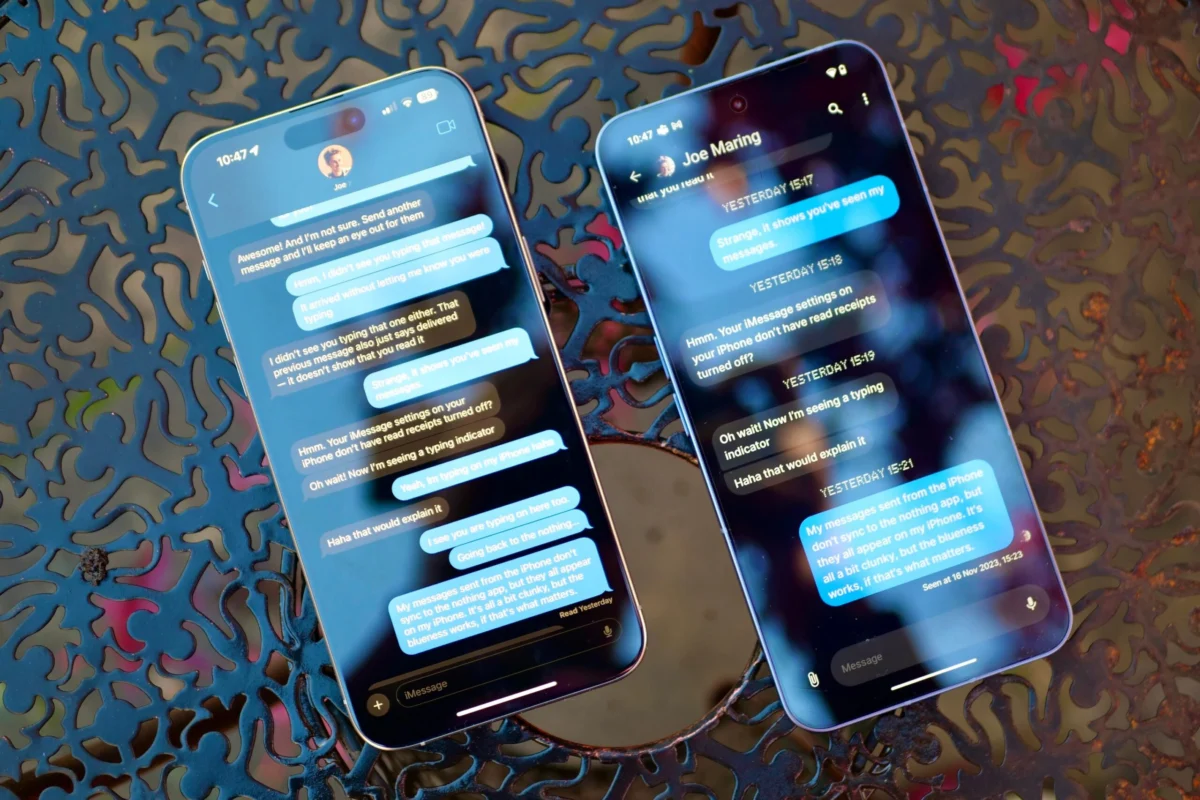
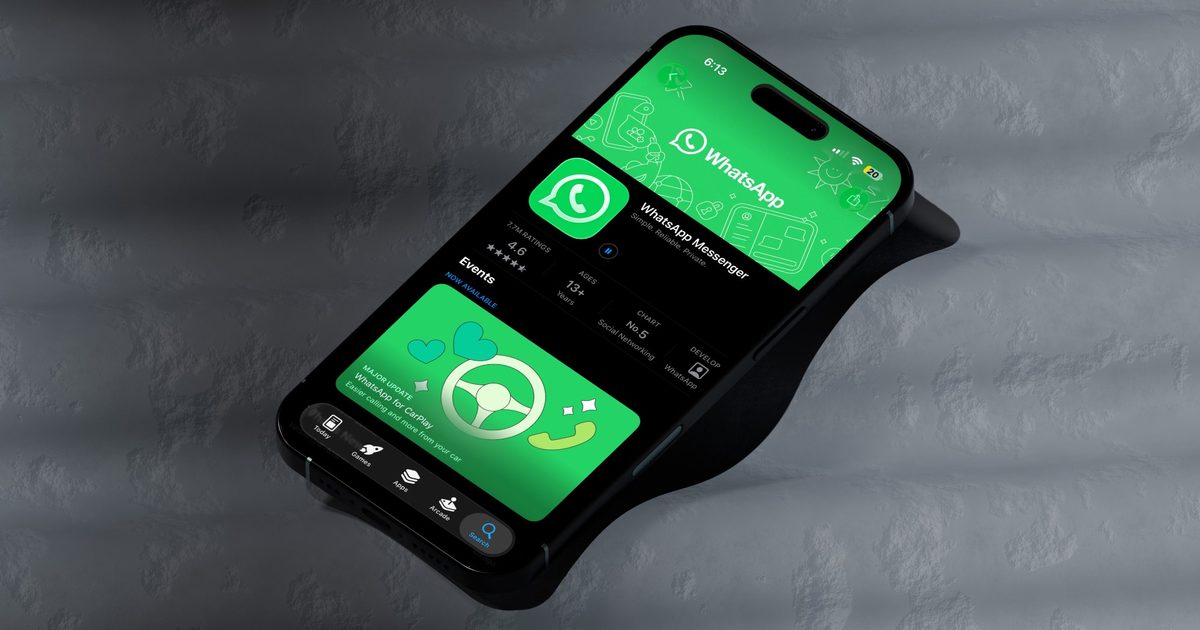
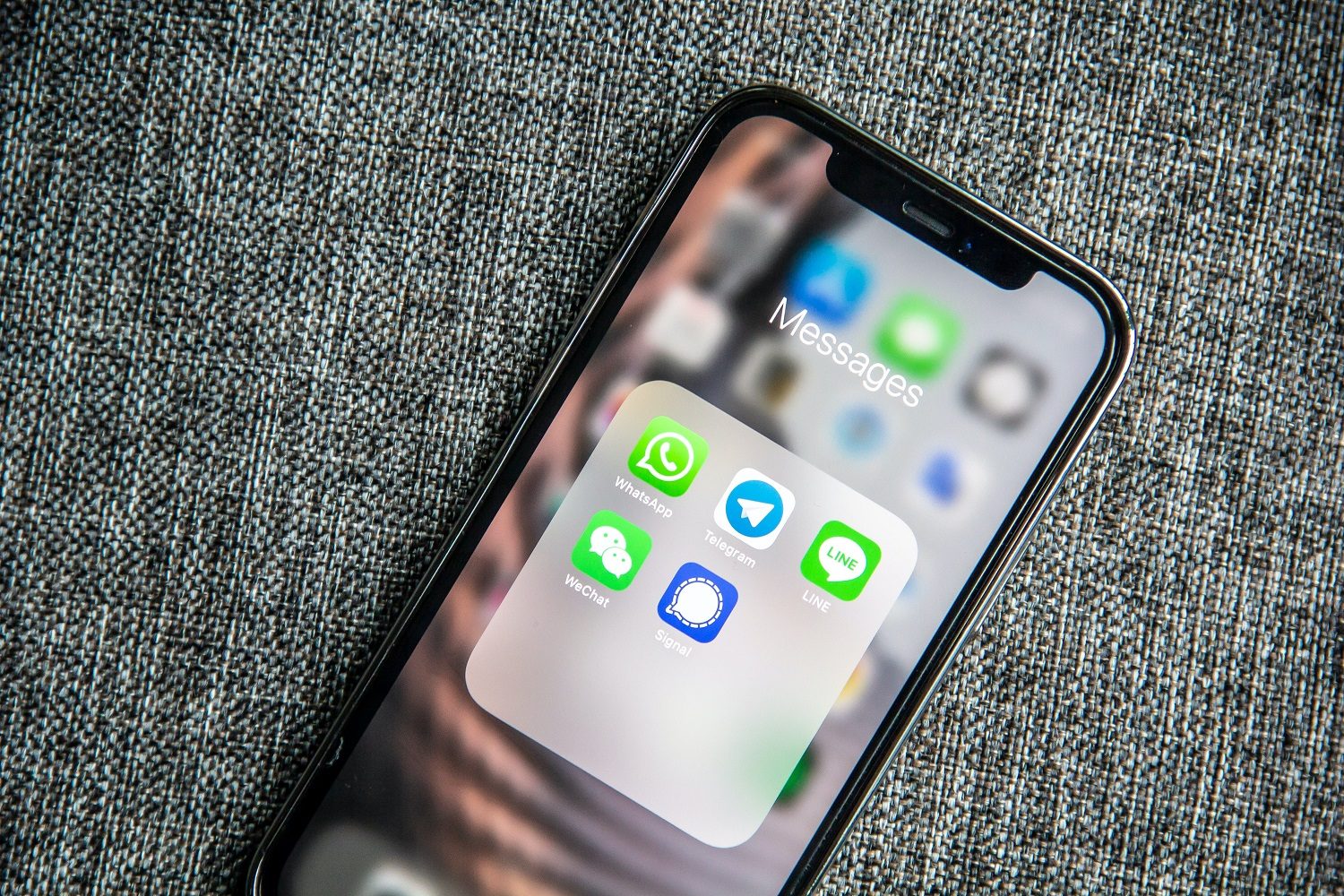
In the vast, crowded digital landscape of the 21st century, few applications have achieved the ubiquity of WhatsApp. Born from a simple idea—to create a modern, reliable alternative to the antiquated SMS protocol—it has transformed from a startup project into the primary communication lifeline for over 3 billion people worldwide. As smartphones revolutionized personal computing, the limitations of traditional text messaging became glaringly apparent. Today, WhatsApp stands as the de facto global standard for cross-platform messaging, bridging the divide between Android, iOS, and desktop environments.
The Evolution of Connectivity: A Chronology
The story of WhatsApp began in early 2009. Founded by Brian Acton and Jan Koum, two former Yahoo engineers, the app was conceived as a lightweight tool to replace SMS. Unlike the walled gardens of the era, WhatsApp focused on simplicity and cross-platform accessibility.
- 2009: WhatsApp is launched, initially struggling to gain traction before finding its footing as a user-friendly SMS alternative.
- 2010–2013: The platform experiences exponential growth, hitting a quarter-million users in its first year and ballooning to 400 million active monthly users by the end of 2013.
- 2014: Facebook (now Meta) announces its acquisition of WhatsApp for approximately $19 billion, a landmark deal that signaled the app’s dominance in the messaging space.
- 2016: WhatsApp officially drops its $1-per-year subscription fee, pivoting to a free-to-use model that catalyzed its adoption in developing markets.
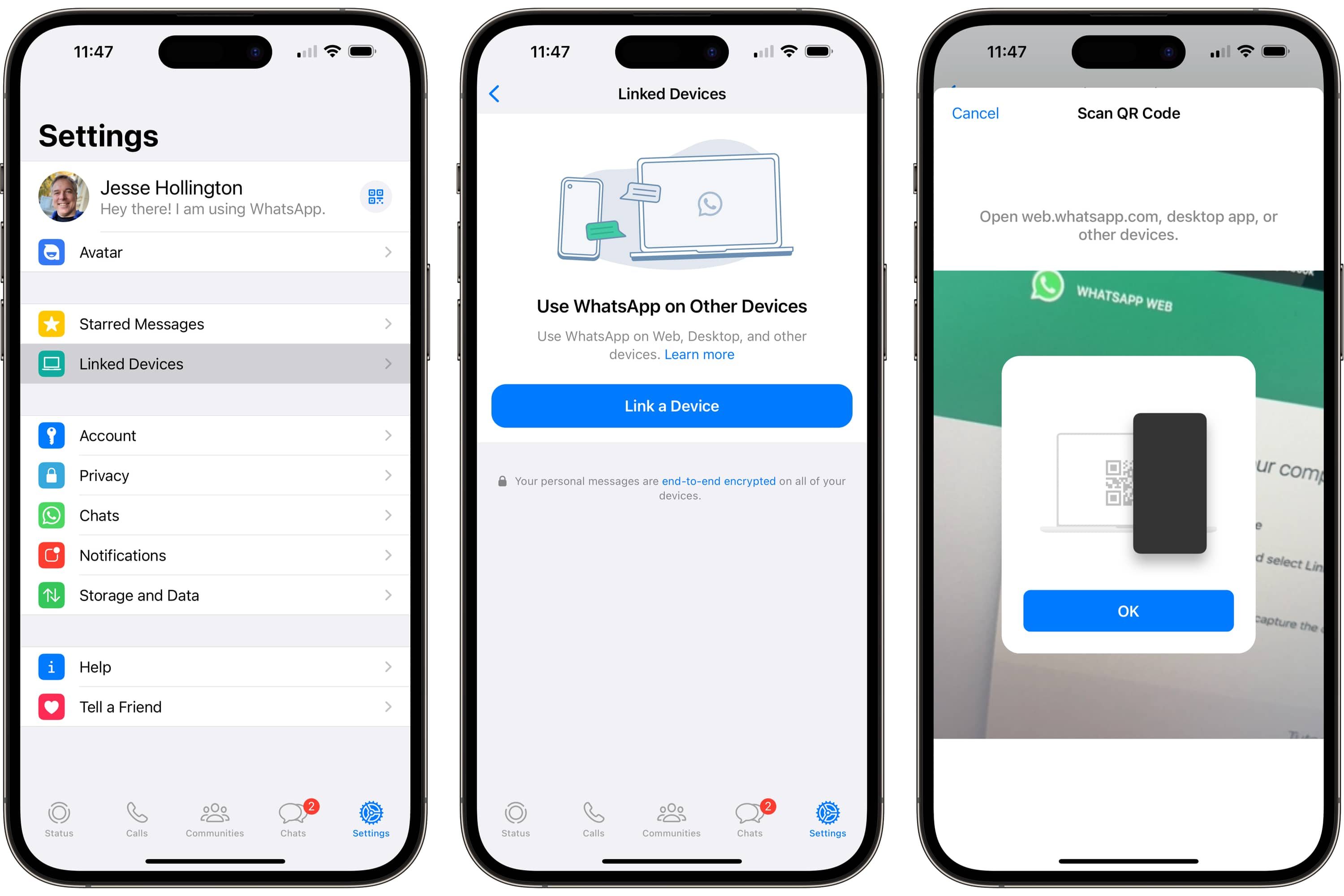
- 2021–2023: The company introduces major infrastructure updates, moving away from phone-dependent sync to independent multi-device support, allowing users to remain connected on desktops even when their primary phone is offline.
- 2024–Present: Integration of Meta’s broader ecosystem, including business-to-consumer tools, "Channels" for public broadcasting, and the gradual introduction of business-related status advertisements.
The Technical Imperative: Why SMS Became Obsolete
To understand WhatsApp’s success, one must first recognize the failings of SMS. Designed in the 1980s, SMS was built for a low-bandwidth era. It is constrained by a 160-character limit, lacks support for high-resolution media, and offers no native read receipts or status indicators. While MMS was developed to support images, it proved cumbersome, often failing to deliver files reliably.

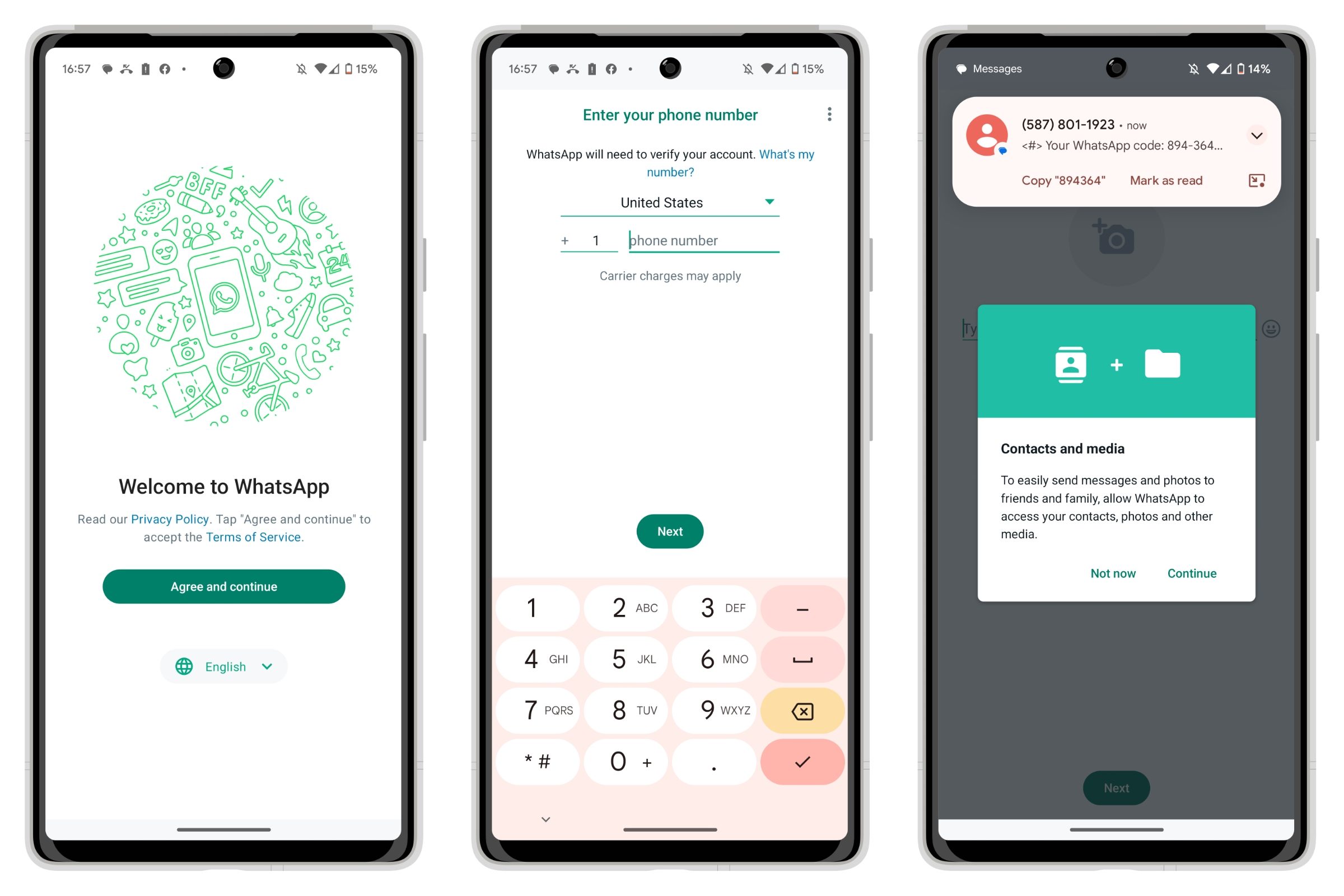
WhatsApp addressed these "dark age" limitations by utilizing the data connection of a smartphone. This allows for rich media sharing—photos, full-length videos, documents, and voice notes—without the degradation inherent in cellular carrier protocols. Furthermore, by tying accounts to mobile numbers rather than cumbersome usernames, WhatsApp lowered the barrier to entry, making it as accessible as a standard text message.

The Global Ecosystem: Data and Market Impact
WhatsApp’s footprint is nothing short of staggering. With over 5 billion installs on the Google Play Store and an active monthly user base of 3 billion, it is a dominant force in markets as diverse as India, Brazil, Europe, and parts of Africa.

Unlike Apple’s iMessage, which is strictly limited to the Apple ecosystem, or Google’s previous fragmented messaging attempts, WhatsApp offers a platform-agnostic experience. Even as Apple begins to adopt the RCS (Rich Communication Services) standard, cross-platform messaging remains a patchwork of inconsistent features. WhatsApp remains the constant, providing a uniform experience whether the user is on a high-end iPhone or a budget-friendly Android device.
Security and Privacy: The End-to-End Encryption Standard
Perhaps the most significant pillar of WhatsApp’s trust-building strategy has been its implementation of end-to-end (E2EE) encryption. This technology ensures that only the sender and the recipient can read the contents of a message. Not even Meta, the parent company, can intercept or decrypt these conversations.

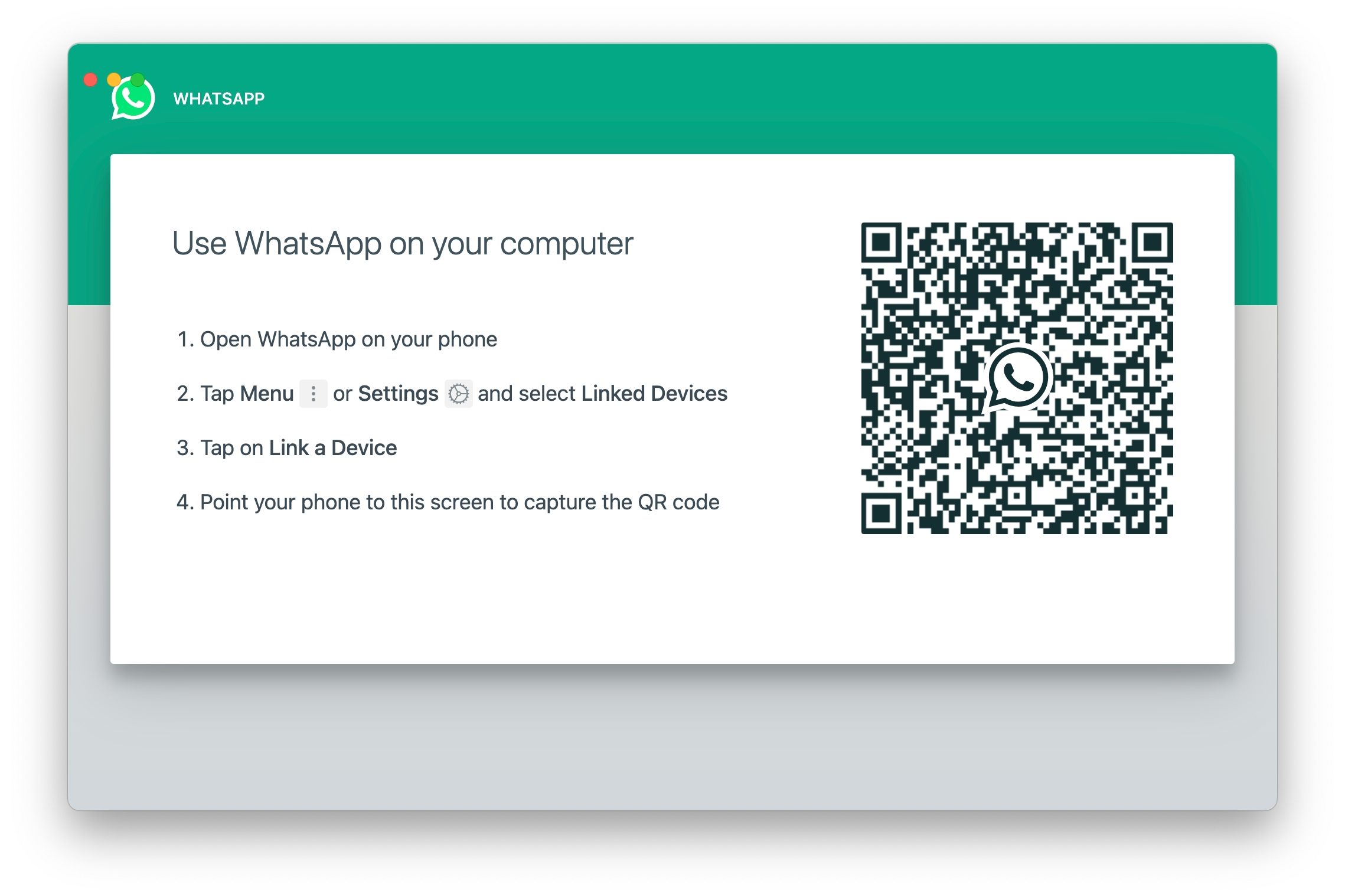
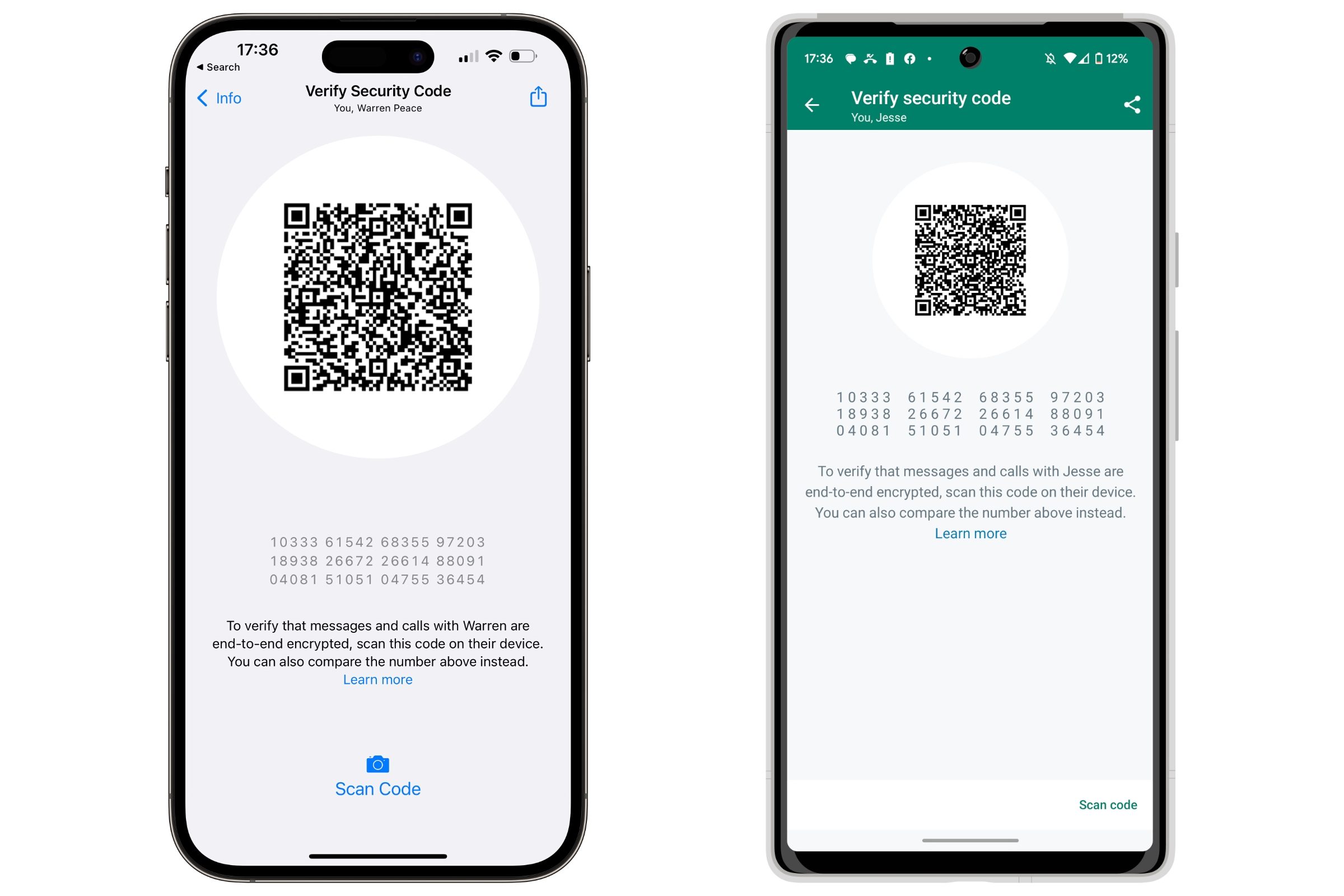
Users can verify this security protocol by accessing the "Encryption" tab within a contact’s info. This generates a 60-digit security code or a QR code that, when matched with the recipient’s, provides visual confirmation of a secure connection. Furthermore, the company has extended this protection to backups, allowing users to encrypt their cloud-stored chat histories on iCloud or Google Drive.
The Monetization Dilemma: From Free to Profitable
While WhatsApp has remained free for personal users for nearly a decade, the transition to a revenue-generating asset for Meta is well underway. The strategy is multifaceted:
- WhatsApp Business: This tier allows companies to engage directly with customers at scale, with fees structured based on conversation volume.
- Channels: A one-to-many broadcast feature that allows brands, creators, and public figures to disseminate information to large audiences.
- Status Advertisements: Meta has begun testing ways to integrate promotional content into the "Status" feature, a move that signals the company’s intent to slowly monetize the massive user attention the app commands.
Implications for the Modern User: Privacy and Digital Hygiene
While the app is robust, its popularity makes it a target for malicious actors. Spammers and scammers frequently attempt to infiltrate user chats. However, WhatsApp provides a suite of privacy controls to mitigate these risks. Users can hide their "Last Seen" status, restrict their profile photos, and block or report suspicious accounts. Because the platform is encrypted, reporting a user triggers a specific protocol: the last five messages from the reported thread are sent to the moderation team, allowing them to assess the situation without compromising the integrity of the rest of the conversation.

Mastering the Experience: Advanced Tips and Tricks
As the app has grown, so has its complexity. Many users find themselves overwhelmed by the sheer volume of content and notifications. To regain control, consider these power-user strategies:
1. Curating the Chat View
Business-related messages often clutter the primary inbox. Instead of deleting them, swipe right-to-left and select Archive. This keeps your primary view reserved for friends and family, while moving commercial interactions into a separate, easily ignored folder.
2. Strategic Information Management
Group chats are often a source of noise. If you cannot leave a group, Mute it for a set duration (8 hours, 1 week, or always) to preserve your focus. Additionally, if a message contains vital information, use the Star feature (long-press the message) to save it to a dedicated section in your profile, preventing the need to search through hundreds of messages later.

3. Media Quality Control
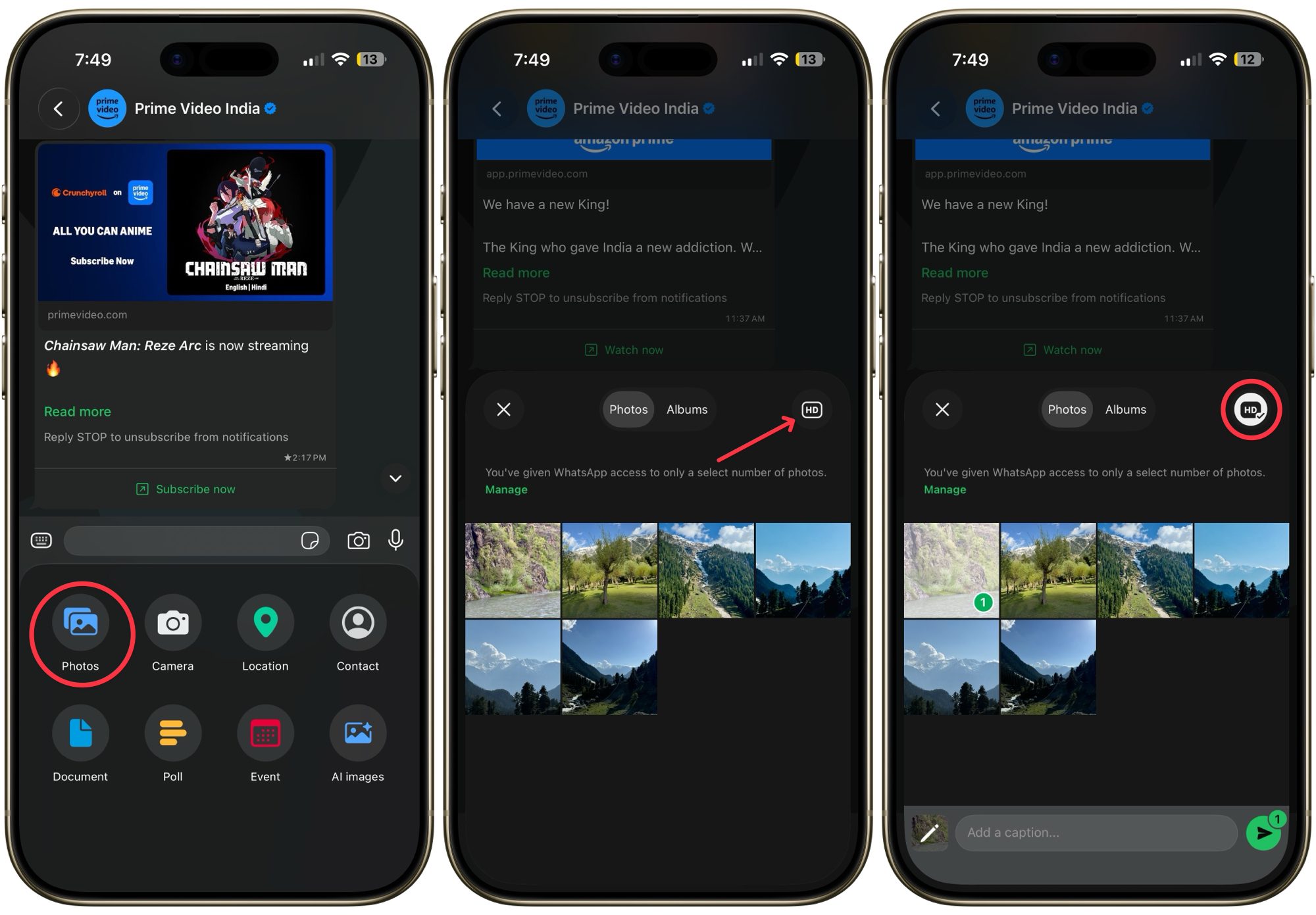
WhatsApp defaults to media compression to save user data. For those who need high-fidelity sharing, ensure you are sending in HD quality by tapping the "HD" icon before hitting send. You can also permanently change this in Settings > Storage & Data > Upload Quality.

4. Privacy Empowerment
For those who prefer to remain "ghosts" in the digital world, navigate to Privacy settings. Disabling Read Receipts prevents the blue checkmarks from appearing, and setting your Last Seen & Online status to "Nobody" removes the pressure to reply instantly.

5. Confidentiality with "One-View"
When sharing sensitive information, use the One-View (the icon with the number 1 inside a circle) option. This ensures the photo or video disappears permanently from the recipient’s device the moment they finish viewing it.
Conclusion
WhatsApp has fundamentally altered the way humanity communicates, turning the globe into a single, interconnected village. While the transition toward monetization through business features and advertisements continues to evolve, the core value proposition—speed, reliability, and security—remains the foundation of its success. By understanding both the technical capabilities and the privacy tools available, users can ensure that WhatsApp remains a tool that serves them, rather than an app that dictates their digital behavior. As we look toward the future, the challenge for Meta will be to maintain that delicate balance between user experience and the necessity of sustaining a global platform.


 Lina Hope
 Jia Lissa