Jia Lissa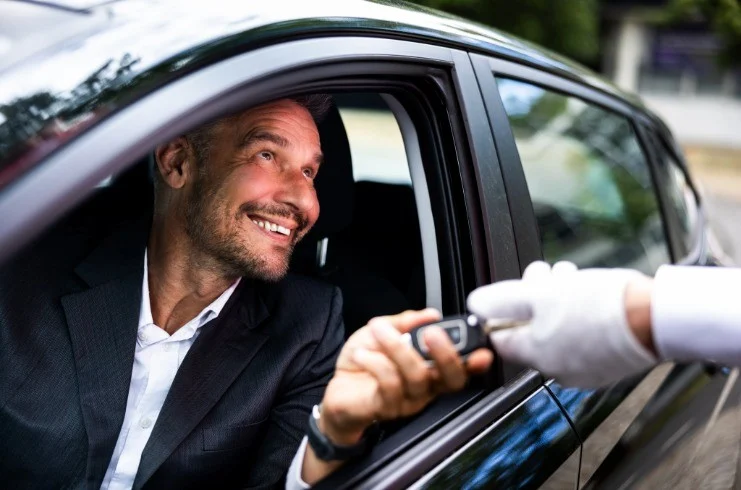
When hoteliers architect the guest journey, their focus is often fixated on the "high-touch" elements: the thread count of the linens, the ambiance of the lobby, the culinary innovation in the dining room, or the seamless integration of mobile technology for room access. However, in an era defined by hyper-convenience and digital-first expectations, one critical component is frequently relegated to the background: the parking facility.
For the modern traveler, the hospitality experience does not begin at the check-in desk; it begins the moment they pull onto the property. Parking is no longer a mere logistical necessity or a back-of-house operational concern. It has evolved into a vital amenity—a make-or-break touchpoint that, if handled poorly, can sour a guest’s perception before they even step foot in the lobby.
Hospitality Begins at the Curb: The Psychology of Arrival
The transition from the stress of travel—whether it be navigating airport traffic or enduring a long highway drive—to the tranquility of a hotel stay is a delicate psychological shift. A confusing garage entrance, ambiguous signage, or a long, unmanaged wait for valet service acts as a "friction point" that shatters the anticipation of a relaxing stay.
In today’s landscape, where booking decisions are increasingly influenced by granular online reviews, a negative parking experience is often the first thing a frustrated guest highlights in a digital critique. Conversely, a smooth, intuitive arrival sets a positive tone that cascades through the entire stay.
The Digital Expectation
Today’s travelers are accustomed to an ecosystem of simplicity. They book rooms via sophisticated OTAs, receive automated confirmations, and utilize mobile keys. When these same guests arrive at a property, the juxtaposition of a high-tech room experience against a low-tech, manual, and chaotic parking process creates a jarring disconnect. Successful properties are now bridging this gap, recognizing that the "curb-to-lobby" transition must be as frictionless as the digital booking process itself.
Removing Friction: The Intersection of Tech and Service
The hallmark of a superior parking experience is invisibility. When the process functions perfectly, it is seamless; guests barely notice the mechanics of the system. Achieving this level of operational excellence requires a strategic blend of infrastructure, technology, and human hospitality.
Infrastructure and Communication
Clear, intuitive signage is the first line of defense against guest frustration. However, the modern hotelier must go beyond paint on the concrete. Providing detailed parking instructions—via pre-arrival emails, SMS notifications, or integrated app messaging—empowers the guest before they even arrive. Knowing exactly where to park or how to initiate a valet request minimizes anxiety and optimizes the flow of traffic, particularly in high-density urban environments or sprawling resorts.
Leveraging Technology to Empower Staff
There is a common misconception that technology in hospitality replaces the human element. In the context of parking, the inverse is true. Implementing license plate recognition (LPR), digital payment gateways, and automated valet request systems serves to automate the mundane, freeing up valet attendants and front-desk staff to focus on what they do best: welcoming guests and providing personalized service. By reducing the time spent on manual transactions or searching for lost tickets, staff can dedicate their energy to meaningful interactions.
Operational Synergies: Beyond the Guest Room
Parking management is a complex balancing act, particularly for hotels that share facilities with retail, corporate offices, or residential tenants. When parking is managed as a standalone silo, it often results in congestion and operational bottlenecks.
Managing Competing Arrival Patterns
A successful parking strategy views the garage as a dynamic asset. By integrating parking data into the broader hotel management system, operations teams can predict surges in demand—such as when a large conference concludes or during peak dinner service—and allocate resources accordingly. This proactive approach ensures that the parking experience remains consistent regardless of the property’s current occupancy or external event schedule.

The Last Impression: The Departure Experience
If the arrival sets the tone, the departure cements the memory. A guest may have enjoyed an impeccable stay, but if their final interaction with the hotel involves a long wait for a vehicle, an unclear exit route, or a confusing payment process, that irritation will often become the lingering memory of their trip.
The "last impression" is just as critical as the first. A frictionless departure, characterized by quick retrieval and clear signage, reinforces the property’s commitment to service. In the competitive landscape of hospitality, where customer loyalty is built on consistency, the parking experience acts as a final validation of the hotel’s brand promise.
Supporting Data and Industry Trends
Recent industry studies indicate that parking-related complaints are among the top three contributors to negative feedback in urban hotel markets. Furthermore, properties that have modernized their parking operations—through the integration of mobile-first payment platforms and real-time occupancy tracking—have reported a 15% increase in guest satisfaction scores related to "arrival ease."
The trend is shifting toward "frictionless mobility." As electric vehicle (EV) adoption continues to rise, hotels are finding that EV charging availability is becoming a primary factor in booking decisions. A property that offers not just parking, but intelligent, service-oriented parking, differentiates itself from competitors who still treat the garage as a mere concrete void.
Official Perspectives: The Expert View
Leading hospitality consultants emphasize that the investment in parking technology is an investment in brand equity. "Hotels that fail to treat their parking facilities as an extension of the lobby are effectively ceding a critical competitive advantage," says one industry analyst. "When you consider that the guest is paying a premium for the ‘hospitality’ experience, they expect that experience to be pervasive. A neglected garage sends the message that the hotel’s commitment to service stops at the curb."
Future Implications for Property Design
Looking ahead, architectural design for new hotels is increasingly incorporating "active" parking zones. These are spaces designed for efficiency and safety, with integrated lighting, intuitive layouts, and direct, guest-friendly paths to the lobby. The goal is to eliminate the "dungeon" feel of traditional parking structures and replace it with a welcoming, well-lit, and branded experience that feels like a natural part of the hotel interior.
Conclusion: The Holistic Approach to Hospitality
Hospitality is an exercise in managing expectations. It is built on the foundation of consistency, where every touchpoint—no matter how small—reflects a commitment to convenience and care. While parking will likely never be the primary reason a guest selects a particular hotel, it possesses the unique power to either solidify a guest’s loyalty or permanently damage a brand’s reputation.
By embracing technology to reduce friction, investing in clear communication, and training staff to treat the curb as a vital guest touchpoint, hoteliers can create a comprehensive experience that is seamless from the moment the guest arrives until they drive away. In the final analysis, great hospitality is the absence of stress and the presence of service, and that begins, quite literally, in the parking lot.
As the industry continues to evolve, the properties that prioritize the entire guest journey—from the curb to the checkout—will be the ones that thrive, ensuring that every guest interaction is an opportunity to build lasting value and a return visit.


 Nila Kartika Wati
 Layla Zulfa