
 Nana Wu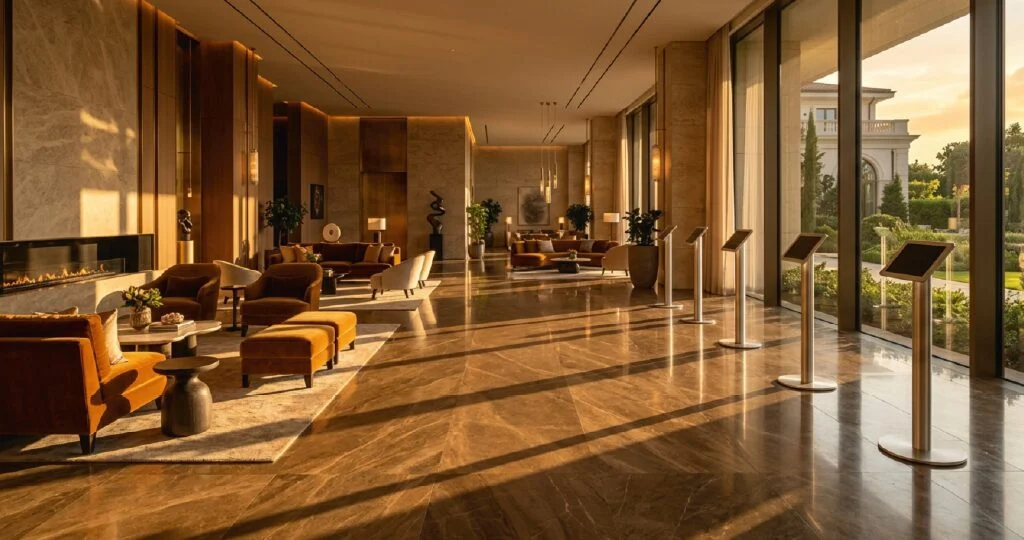
For decades, the image of the hotel "front desk" has been the bedrock of the guest experience—a polished marble counter where weary travelers trade identification for a room key, accompanied by a standard greeting. However, a significant shift is currently reshaping the industry. As hotels increasingly adopt mobile check-in, kiosks, and cloud-based management systems, a persistent debate has emerged: Does the move toward self-service signal the death of genuine hospitality, or is it the key to its evolution?
According to recent insights adapted from Hospitality Net, the industry is undergoing a necessary evolution. The fear that "self-service" equals an "empty lobby" is a misconception that prevents hoteliers from unlocking greater operational efficiency and, paradoxically, more meaningful human connections.
Main Facts: Redefining the Check-In Experience
The core premise of modern hotel technology is not the elimination of staff, but the liberation of staff from the confines of a desk. When hoteliers view self-service merely as a cost-cutting measure or a way to replace human interaction, they miss the strategic value.
The transition toward digital, self-service check-in models is driven by a shift in guest expectations. Modern travelers, shaped by the seamless experiences of the retail and airline sectors, increasingly value time-efficiency. They want the option to bypass the traditional queue when they are tired or in a hurry, while still retaining the ability to engage with staff when they need personalized assistance.
Crucially, the "front desk" is no longer a physical location; it is a service philosophy. By utilizing mobile check-in, staff can transition from being administrative gatekeepers to becoming mobile ambassadors of the brand, free to move across the property to assist guests where they are needed most.
Chronology: From Static Counters to Dynamic Service
The evolution of the hotel check-in process has moved through three distinct phases over the last twenty years:
- The Era of the Gatekeeper (2000–2010): The front desk was the sole point of entry for all guest services. Interaction was entirely centralized, and administrative tasks—such as processing credit cards and printing registration cards—dominated the staff’s time.
- The Rise of Peripheral Tech (2010–2020): Hotels began experimenting with basic digital solutions, such as early mobile apps and rudimentary lobby kiosks. During this time, technology was often disconnected from the Property Management System (PMS), leading to fragmented guest experiences and "siloed" data.
- The Integrated Ecosystem (2020–Present): Today, we are in the age of the "connected guest journey." Cloud-based PMS platforms now unify reservations, mobile keys, payments, and guest messaging. This allows the digital and physical worlds to converge, enabling a guest to choose their preferred level of interaction without losing the benefit of high-touch service.
Supporting Data: What the Research Says
The shift toward technology is not merely a trend—it is a response to measurable guest preferences and operational realities.
According to the HotelTechReport 2025 State of Hotel Guest Technology study, nearly 50% of surveyed guests prefer to check in via their mobile devices rather than visiting the front desk. This statistic is often misinterpreted as a desire for isolation. However, data suggests that these guests are not rejecting human interaction; they are rejecting "transactional friction."
Further industry analysis shows that properties utilizing integrated kiosk and mobile check-in systems have reported guest satisfaction scores increasing by up to 20 points. This improvement is not derived from the screen itself, but from the increased bandwidth the technology provides to staff. When an employee is no longer tethered to a terminal, they can address complex issues—such as room changes, concierge requests, or service recovery—with greater focus and speed.
Official Perspectives: The Philosophy of "High-Tech, High-Touch"
Industry experts argue that the dichotomy between "high-tech" and "high-touch" is a false one. In many ways, technology acts as the foundation upon which high-touch service is built.
"When you remove the burden of administrative paperwork from the staff, you aren’t removing the human element," says one industry consultant. "You are simply removing the barriers that prevent your team from being truly hospitable."
The "Robotic Feel" Myth is perhaps the most significant hurdle for hoteliers. Industry leaders emphasize that a digital experience feels robotic only when the underlying technology is poorly connected. When a guest arrives, they expect the hotel to know their name, their loyalty status, and their preferences because they provided that information during booking. If a guest is forced to repeat their details to a kiosk or a staff member, the technology has failed.
"True personalization requires data to flow seamlessly," says an expert in hospitality systems. "If the PMS, the key system, and the CRM are not talking to one another, the guest feels the disconnect. If they are unified, the technology becomes invisible, allowing the staff to step in at the exact moment they are needed to provide a warm, human touch."
Implications: The Future of Hotel Management
The implications for the hospitality industry are profound, forcing a re-evaluation of staffing models and property design.
1. Re-skilling the Workforce
As routine check-ins become automated, the role of the "front desk agent" will evolve into a "guest experience manager." These professionals will require higher levels of emotional intelligence and problem-solving skills, as they will spend less time punching keys and more time engaging with guests.
2. Physical Design Shifts
The traditional massive front desk may soon become a relic of the past. Future hotel lobbies are being designed as "social hubs," featuring flexible seating, communal tables, and mobile workstations that allow staff to interact with guests in a more relaxed, lounge-like environment.
3. Operational Resilience
Hotels that embrace a connected technology stack are better equipped to handle periods of high volume. By diverting 30% to 50% of the standard check-in traffic to digital channels, hotels can effectively manage staffing shortages without compromising the quality of the guest experience.
4. The Data-Driven Experience
The integration of guest data is no longer optional. Hotels must prioritize the interoperability of their technology stacks. A failure to synchronize room status in real-time or to bridge the gap between a digital key and the front-desk database can lead to catastrophic failures in the guest experience, such as assigning a room that has not yet been cleaned.
Conclusion: Bridging the Gap
The myth that self-service is the enemy of hospitality persists because of a misunderstanding of what hospitality actually is. Hospitality is not the act of standing behind a counter and processing a credit card; it is the art of making a guest feel welcome, recognized, and cared for.
If a hotelier can use technology to handle the "transactional" part of the stay—the paperwork, the key issuance, the identification verification—they effectively buy back the most precious resource in the industry: time.
When that time is reinvested into the guest experience—whether through a thoughtful conversation, a personalized room upgrade, or the quick resolution of a complaint—the hotel moves from being a simple provider of accommodation to a curator of experiences.
The future of the hotel lobby is not a choice between a kiosk and a person. It is a synthesis of both. Digital check-in is not the opposite of personal service; when done right, it is the primary enabler of it. The hotels that thrive in the coming decade will be those that realize that technology is the engine, but the human connection remains the heart of the business. By clearing the path of administrative clutter, hoteliers can finally focus on what really matters: the people who walk through their doors.


 Azzam Bilal Chamdy
 Ali Ikhwan




